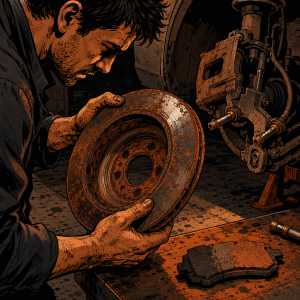
Grinding Brakes and Rusty Rotors: A Technician’s Guide to Diagnosing the Real Cause
A customer’s rusty rotor and worn pads photo touched off a long thread of brake diagnosis opinions — this post synthesizes that guidance into a clear, step-by-step process. Learn how to tell surface rust from real wear, catch parking brake drag before it eats a new rotor, and decide what actually needs replacing.
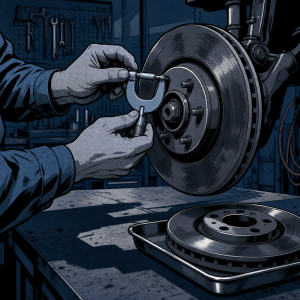
Brake Pads vs. Rotors: When You Can Replace Just the Pads (and When You Can’t)
Replacing brake pads without rotors—the “pad slap”—can work if you know what to measure and inspect. This guide covers rotor thickness specs, surface condition checks, and the practical criteria mechanics use to determine whether rotors can survive another pad cycle or need replacement.
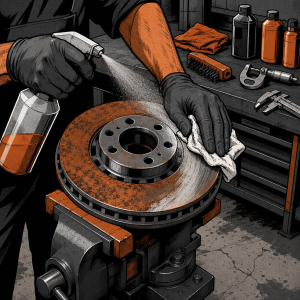
Rusty Brake Rotors After Storage: When to Clean Them and When to Toss Them
Rotors that sat in a garage or on a shelf almost always come out with a coat of surface rust — and in most cases that’s not a reason to scrap them. This guide walks through how to tell cosmetic rust from real damage, how to clean rotors before install, and how to bed in pads so the rust disappears for good.
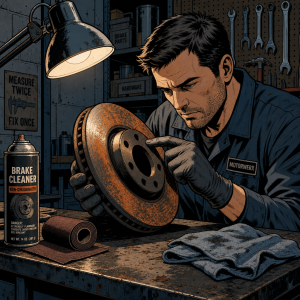
New Rotors Show Up Rusty? A Tech’s Guide to Surface Rust vs. Real Trouble
New rotors covered in orange surface rust panic a lot of customers, but it’s usually normal for bare cast iron. Here’s how to inspect, clean, bed in, and know when a rotor actually belongs in the return pile.
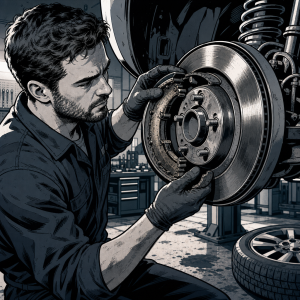
Steering Wheel Shake After Someone Drove With the Parking Brake On: A Tech’s Diagnostic Guide
When a customer’s vehicle comes back from a loaner with a shaking steering wheel and a parking brake that was left engaged for hours, it’s tempting to blame the rear brakes. Here’s the systematic diagnostic approach that actually finds the cause — and the real damage a dragging parking brake can cause even when it isn’t the culprit.
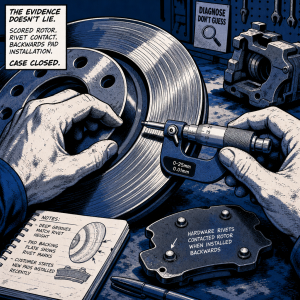
Backwards Brake Pads: How to Spot the Damage and Fix a Botched Install
A brake pad installed backwards leaves unmistakable evidence on the rotor and the pad itself — grooves, piston imprints, and ground-down wear tabs. Here’s how to diagnose it, document it for a comeback, and get the install right the first time.
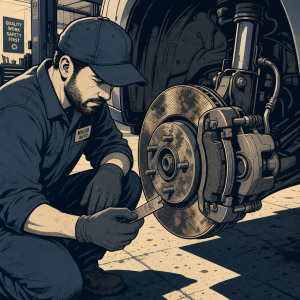
Front Brakes Not Wearing? Diagnosing Uneven Brake Pad Wear Front-to-Rear
When a customer’s rear brake pads are worn to the backing plate while the fronts still have 80% life, it’s tempting to blame the driver. Before you write it off, here’s a systematic way to separate a real front-brake fault from normal EBD-biased or highway-driving wear patterns.
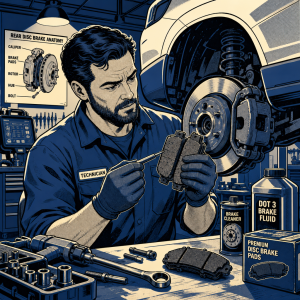
Why Modern Cars Wear Rear Brake Pads Faster Than Front: A Technician’s Guide
The old rule that front brakes wear faster no longer applies to many modern vehicles. Electronic parking brakes, stability control systems, and cruise control features are changing brake wear patterns—sometimes requiring rear pad replacement every 10,000-20,000 miles while fronts last two to three times longer.
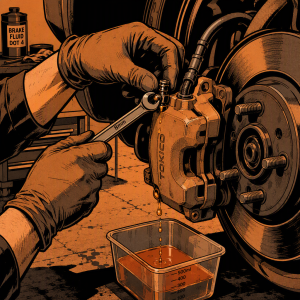
No Fluid at the Bleeder? A Technician’s Guide to Diagnosing Stubborn Brake Bleeding Problems
When a brake system won’t bleed cleanly, the cause is usually one of three things: technique, a master cylinder that sucked in air, or a hidden blockage downstream. This guide walks through the diagnostic order technicians actually use to find and fix the problem.
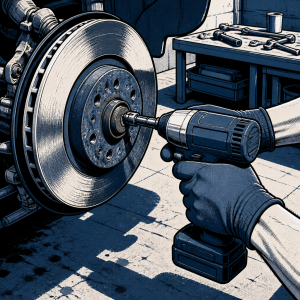
Seized Brake Rotor Retaining Screws: How to Remove Them Without Losing Your Mind
Rotor retaining screws exist to hold the rotor on the hub during assembly, and they’re notorious for rounding out or seizing in place. Here’s the field-tested order of operations technicians actually use to get them out fast, plus when it’s fine to skip replacing them.


Follow us on social media