A wheel that’s smoking after a drive — or even sitting in a parking lot — is one of the more alarming symptoms a vehicle can throw at a driver, but it almost always traces back to one of a handful of causes: a dragging brake pad, a caliper that won’t release, a collapsed hose acting like a one-way valve, or a failing wheel bearing generating friction heat. The good news is that this is a diagnosable problem with a fairly short list of suspects. The bad news is that guessing wrong — replacing pads and rotors without finding the root cause — means doing the job twice. Here’s how to work through it systematically so you fix it once.
Why a Wheel Smokes: The Short List of Causes
Smoke at a wheel is friction heat, and friction heat at a wheel comes from something rubbing that shouldn’t be. In rough order of likelihood:
- Dragging brake pad / seized caliper piston — the piston isn’t retracting after the pedal is released, so the pad stays clamped against the rotor the entire time the vehicle is moving.
- Stuck caliper slide pins — the caliper body is bound up on corroded or dry slide pins, cocking the pad against the rotor even if the piston itself is fine.
- Collapsed or swollen brake hose — the rubber liner inside the hose delaminates and acts like a check valve, letting fluid pressure through to apply the brake but not letting it back out.
- Failing wheel bearing — a bearing that’s spalled or has welded itself to the spindle generates heat from metal-on-metal contact, independent of the brake system entirely.
- Fluid or debris burning off — oil or coolant dripping onto a hot component, or road debris wrapped around an axle, can produce smoke that has nothing to do with the brakes failing internally.
Don’t skip straight to parts. Each of these has a different fix, and only two of them (caliper, hose) actually require replacing hydraulic components.
Step 1: Confirm It’s Actually a Dragging Brake
Before pulling anything apart, isolate the symptom:
- Jack up the affected corner and spin the wheel by hand. Heavy drag or a grinding, gritty feel points to the brake. A smooth spin with noticeable side-to-side play or a growling noise points to the wheel bearing instead.
- Feel the wheel face (carefully — it can be hot enough to burn skin and leave a mark, as more than one tech has learned the hard way). Even heat across the whole hub area suggests a bearing; heat concentrated right at the caliper location points to the brake.
- Check for a pull to one side while driving, especially a pull that eases when you tap the brake pedal and returns once you let off. That’s a classic sign of a caliper or hose that won’t release.
- Pop the hood and look for fluid — oil or coolant dripping onto an exhaust component low in the engine bay can produce smoke that has nothing to do with the brakes. White smoke leans coolant; bluish-gray leans oil.
If the drag is confirmed at the wheel and there’s no fluid leak upstream, move to the brake-specific tests below.

Step 2: Isolate Caliper vs. Hose vs. Slide Pins
With the wheel off, there’s a simple test that separates a bad hose from a bad caliper: loosen the banjo bolt or crack the hose fitting at the caliper. If fluid sprays out under pressure and the caliper then releases/spins freely, the hose is acting like a check valve and is the root cause — the caliper itself may be fine. If cracking the line makes no difference and the piston is still locked in place, the caliper (or its slide pins) is the problem.
To check slide pins specifically: with the caliper off the rotor, work the caliper body back and forth on the pins by hand. It should move smoothly with light resistance. If it’s gritty, corroded, or won’t move at all, that’s binding the pad against the rotor even with a perfectly good piston. Clean, inspect, and re-grease with high-temp brake caliper grease, or replace the pins/bushings if they’re pitted.
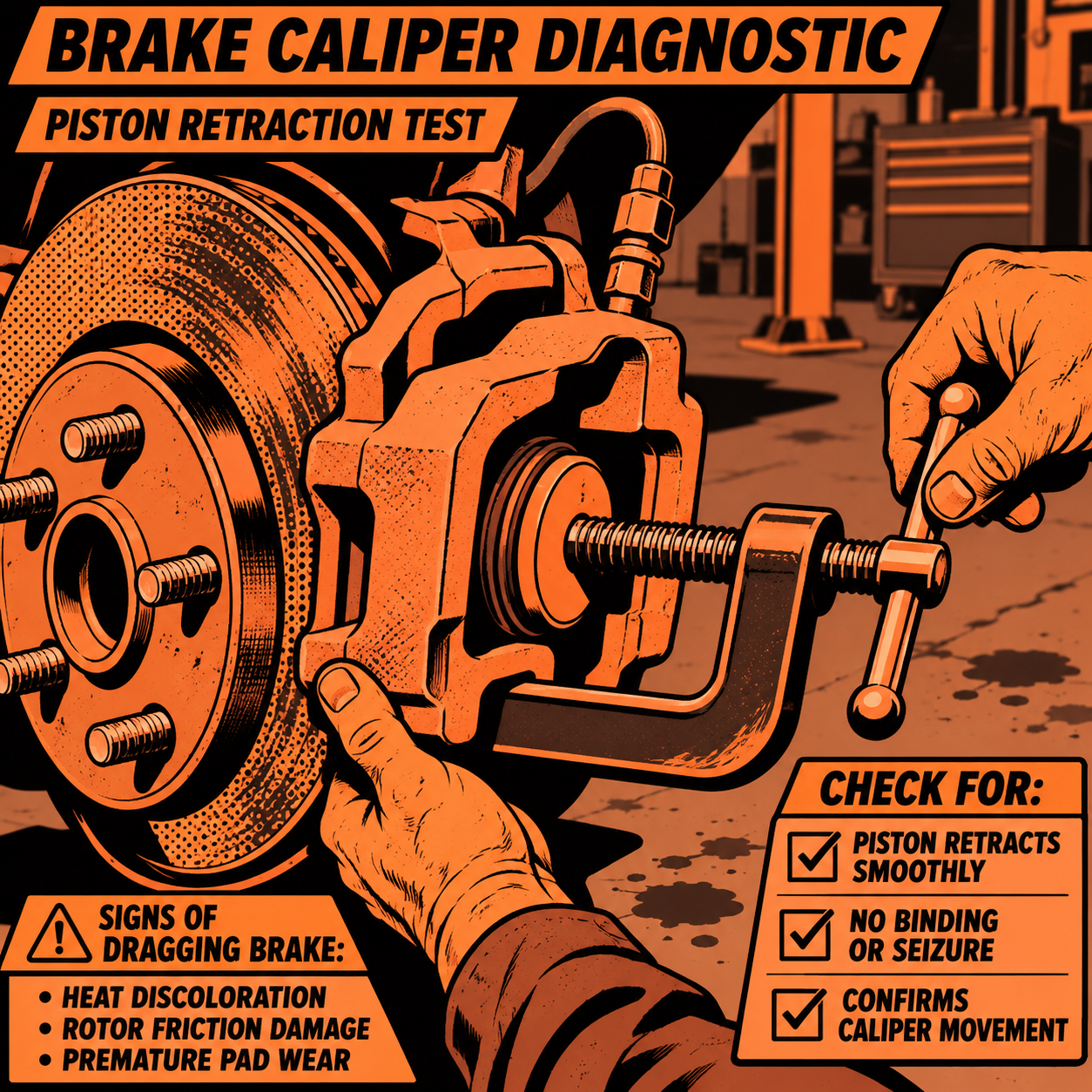
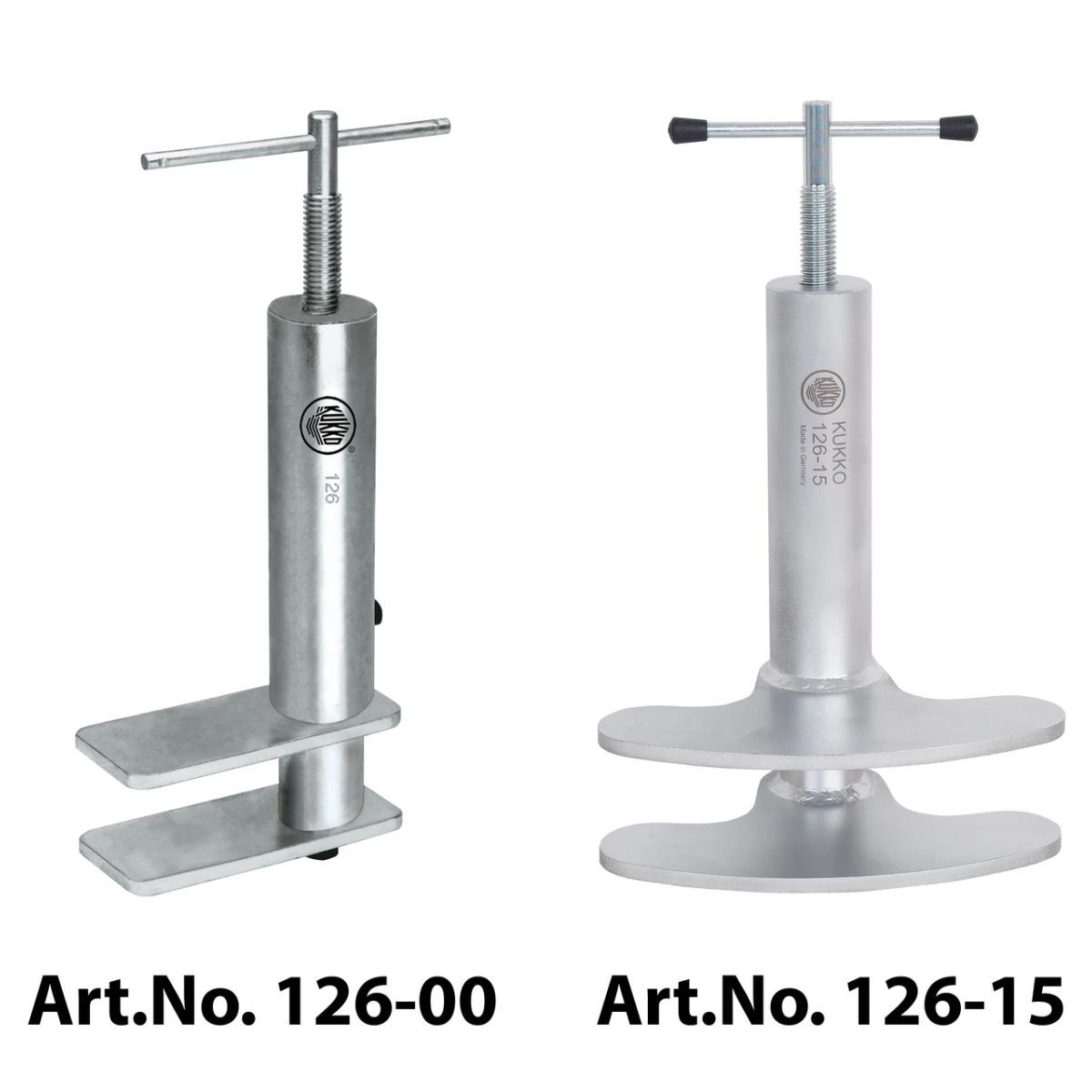
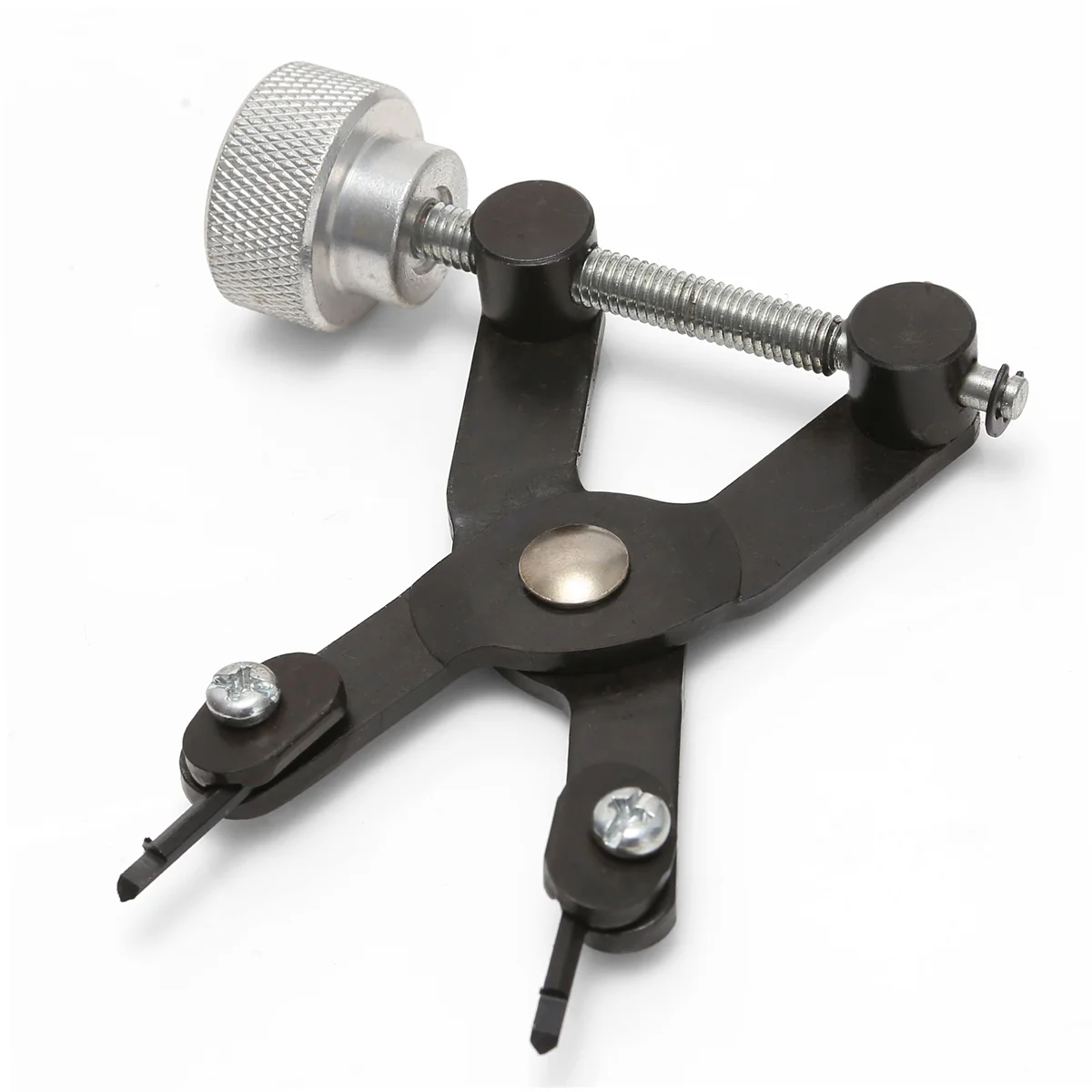
To check the piston: with the caliper off, try to retract it with a C-clamp or caliper tool. If it won’t retract smoothly, or retracts but immediately creeps back out, the piston seal has failed and the caliper needs to be rebuilt or replaced — don’t reuse it.
Step 3: Rule Out the Wheel Bearing
Wheel bearing failure produces heat and sometimes smoke without any brake drag at all, and it’s commonly confused with a sticking caliper because both show up as heat at the wheel. Bearing failure usually comes with a speed-sensitive growl or hum that changes pitch with vehicle speed (most noticeable above 40-50 mph), and sometimes a rhythmic noise that changes when you weight the suspension by turning. With the wheel off the ground, grab the tire at 12 and 6 o’clock and rock it — any noticeable play means the bearing is bad regardless of what’s happening with the brakes. In a worst case, a bearing can seize hard enough to generate a friction weld to the spindle, which produces a sweet-smelling smoke distinct from the acrid smell of burning brake pad material.
If the bearing is marginal and you’re already removing the hub to inspect the brakes, it’s reasonable to replace it in the same job rather than reassembling and coming back to it later — that’s a labor-saving call, not a mandatory parts-swap rule.
Step 4: Replace Only What’s Actually Failed
Once the failure point is confirmed, here’s what typically needs to come off the vehicle versus what can be reused:
- Rotor: Replace it if a pad has been dragging long enough to produce visible smoke. Sustained friction heat at that level routinely warps rotors or burns the pad material into the surface, and resurfacing a rotor that’s been that hot is a gamble.
- Pads: Replace on the affected side. If the pad was glazed or chunked from overheating, it won’t bed back in properly even if it looks mostly intact.
- Caliper: Replace or rebuild only the one that failed. Calipers don’t wear in pairs the way tires do — there’s no mechanical reason the opposite side needs replacement unless it independently tests bad using the same checks above. That said, some techs replace both as a convenience measure on higher-mileage vehicles to avoid a second teardown later; that’s a judgment call based on age and corrosion, not a hard requirement.
- Brake hose: If the hose tested bad (or even if it’s original-age rubber on a vehicle with a lot of miles), replace it along with the caliper. Reinstalling a new caliper on a collapsed hose is the single most common reason this repair gets done twice.
- Hose clamps/hardware: If the factory clamps or brackets are corroded or distorted, replace them along with the hose rather than reusing hardware that’s already compromised.
After any caliper or hose replacement, bleed the system thoroughly and flush old fluid — contamination in the lines (rubber debris from a failing hose, moisture-laden fluid) can cause a repeat failure even with new parts installed.
When to Stop Driving and Call a Tow
A caliper or hose that’s holding pressure and smoking is not a “drive it carefully to the shop” situation. Continued driving on a stuck brake can boil the fluid, destroy the piston seals, overheat the wheel bearing and grease, and in sustained cases has led to vehicle fires. If a wheel is actively smoking, stop, let it cool, and arrange a tow rather than nursing it home. If you must move the vehicle a short distance, avoid using that brake at all and don’t let it sit under load.
Quick Diagnostic Checklist
- Spin the wheel by hand off the ground — drag vs. bearing noise
- Check for fluid leaks in the engine bay before blaming the brakes
- Crack the hose fitting at the caliper to test for a one-way-valve hose
- Work the caliper on its slide pins by hand to check for binding
- Try to retract the piston with a C-clamp to check the seal
- Rock the tire at 12/6 o’clock to check for bearing play
- Replace rotor, pads, and the failed hydraulic component together — don’t reuse a hose on a new caliper

Frequently Asked Questions
Do I need to replace both calipers if one seizes?
No. Calipers fail independently, unlike tires that wear as a set. Test the opposite side using the same slide-pin and piston checks; replace it only if it also fails those tests. Some shops replace both anyway on older, high-mileage vehicles as a preventive measure, but it isn’t mechanically required.
Why do people say to replace the brake hose along with the caliper?
Because a collapsed or swollen hose can look fine from the outside while acting like a check valve internally, trapping pressure at the caliper. Installing a new caliper without addressing a bad hose often results in the same dragging symptom returning shortly after.
How can I tell a seized caliper from a bad wheel bearing?
A seized caliper produces heat concentrated near the caliper/rotor and drag when spinning the wheel by hand with the brake fully released. A bad bearing produces a speed-sensitive growl or hum while driving and play when rocking the tire at 12 and 6 o’clock, often with no unusual drag when spinning the wheel slowly by hand.
Is it safe to keep driving if a wheel is smoking?
No. Continued driving on a dragging brake can boil the brake fluid, destroy caliper seals, and in severe cases start a fire. Stop safely, let the wheel cool, and have the vehicle towed rather than driven to a shop.
Can a stuck caliper damage the rotor?
Yes. Sustained dragging generates enough heat to warp the rotor or bake pad material into its surface. If the wheel was smoking, plan on replacing the rotor on that side rather than resurfacing it.
What’s the simplest test for a bad brake hose?
With the wheel off, crack the fitting at the caliper. If fluid releases under pressure and the caliper immediately frees up, the hose was trapping pressure and is the likely cause rather than the caliper itself.
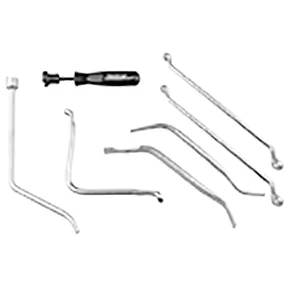
Brake System Tools
Get the right tools for the job: once you’ve identified the failure, the Brake System section has the diagnostic and service equipment you’ll need.
- Caliper retractors, piston rewind tools, and brake bleeder kits
- Replacement calipers, hoses, pads, and rotors
- Slide pin kits and high-temp brake grease

The Toolsource Technical Team blends decades of real-world automotive service experience with up-to-date technical research. Our writers collaborate with professional mechanics, shop owners, and diagnostic specialists to deliver practical, workshop-ready guidance you can trust.


Follow us on social media