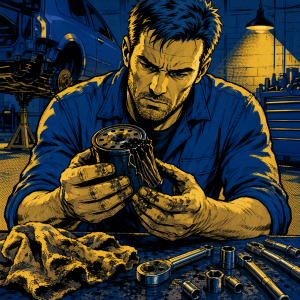
What to Do When Your Oil Filter Fails During an Oil Change
When an oil filter isn’t seated properly or gets double-gasketed, your engine can dump multiple quarts of oil in under a minute. While the engine itself can usually survive brief low-oil events, the real danger lies in what happens next—oil-soaked insulation, contaminated belts, and potential fire hazards that can manifest hours or even days later.
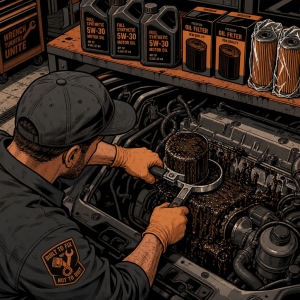
What Happens When You Skip Oil Changes for Years: A Technician’s Guide to Recovery
When life gets overwhelming, routine maintenance often falls by the wayside—but skipping oil changes for extended periods can transform your engine into a sludge-filled disaster. This guide walks technicians and DIYers through the recovery process for severely neglected engines, from initial assessment to long-term cleanup strategies.
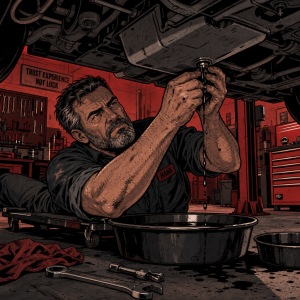
Why 20 Years of DIY Oil Changes Won’t Stop You From Draining the Wrong Plug
Experience doesn’t make you immune to mistakes. A technician-focused look at why drain plug mix-ups happen to even seasoned DIYers, and the verification steps that prevent catastrophic fluid errors.
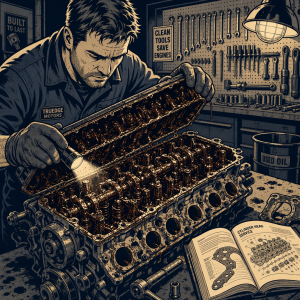
Why Engine Sludge Forms Even With Regular Oil Changes: A Technician’s Guide
Opening an engine with documented maintenance only to find catastrophic sludge buildup is every technician’s nightmare. The culprit often isn’t the interval itself, but the combination of oil type, driving patterns, and brand compatibility that creates varnish-like deposits even on “well-maintained” engines.
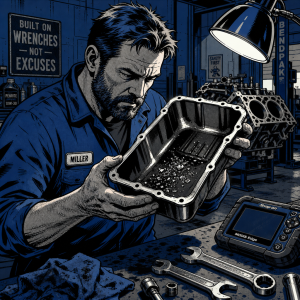
What to Do When You Find Metal Debris in Your Oil Pan: A Technician’s Guide
Discovering metal debris during an oil change or pan drop can range from a simple oversight to a sign of serious engine damage. This guide helps technicians identify common contaminants, assess potential damage, and take appropriate action when foreign objects appear in the oil pan.
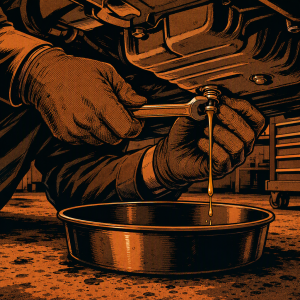
Overfilled Engine Oil: How Much Is Too Much, and How to Fix It Correctly
Customers overfill oil more often than they admit, and not every overfill is an emergency. Here’s how to judge severity, remove the excess safely, and explain the risk to a worried customer without the fearmongering.
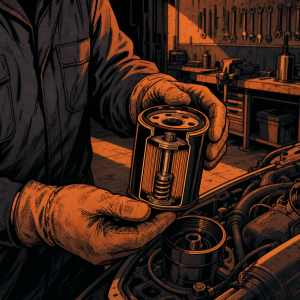
Why Oil Filter Sizes Change: What Technicians Need to Know
You’ve probably noticed that replacement oil filters sometimes arrive shorter or taller than the one you just removed, even with identical part numbers. This isn’t a packaging error or quality control issue—it’s a deliberate result of manufacturing changes, supplier switches, and evolving filtration technology that most techs never hear about.
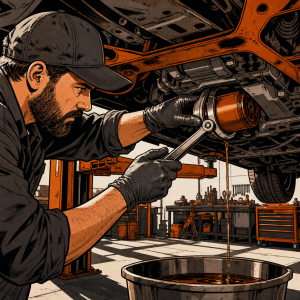
Why Oil Filter and Drain Plug Placement Varies So Much Between Makes (And How to Work Around It)
Oil filter and drain plug placement isn’t random — it varies by manufacturer for reasons ranging from rust prevention to debris inspection, and it directly affects how messy and how long an oil change takes. Here’s what techs need to know about each major automaker’s quirks, plus the tools that make the job cleaner.
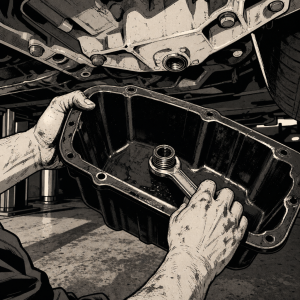
Stripped Oil Pan Drain Plugs: Why Plastic Pans Fail and How to Handle the Repair Right
Plastic oil pans with press-fit metal drain plug inserts — common on Nissan, Mercedes, and several heavy-duty diesel applications — are prone to stripping even at proper torque. This guide covers diagnosis, repair options, documentation practices that protect your shop, and prevention tactics that cut down comebacks.
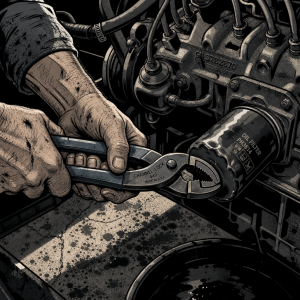
How to Remove a Stuck or Damaged Oil Filter Without Wrecking Your Day
When a stripped, corroded, or over-torqued oil filter won’t budge — and someone’s already tried a strap wrench or screwdriver on it — you need an escalation plan, not more guessing. This guide walks through the tool progression, from channel locks to air chisels, that actually gets seized filters off without damaging the mounting surface.


Follow us on social media