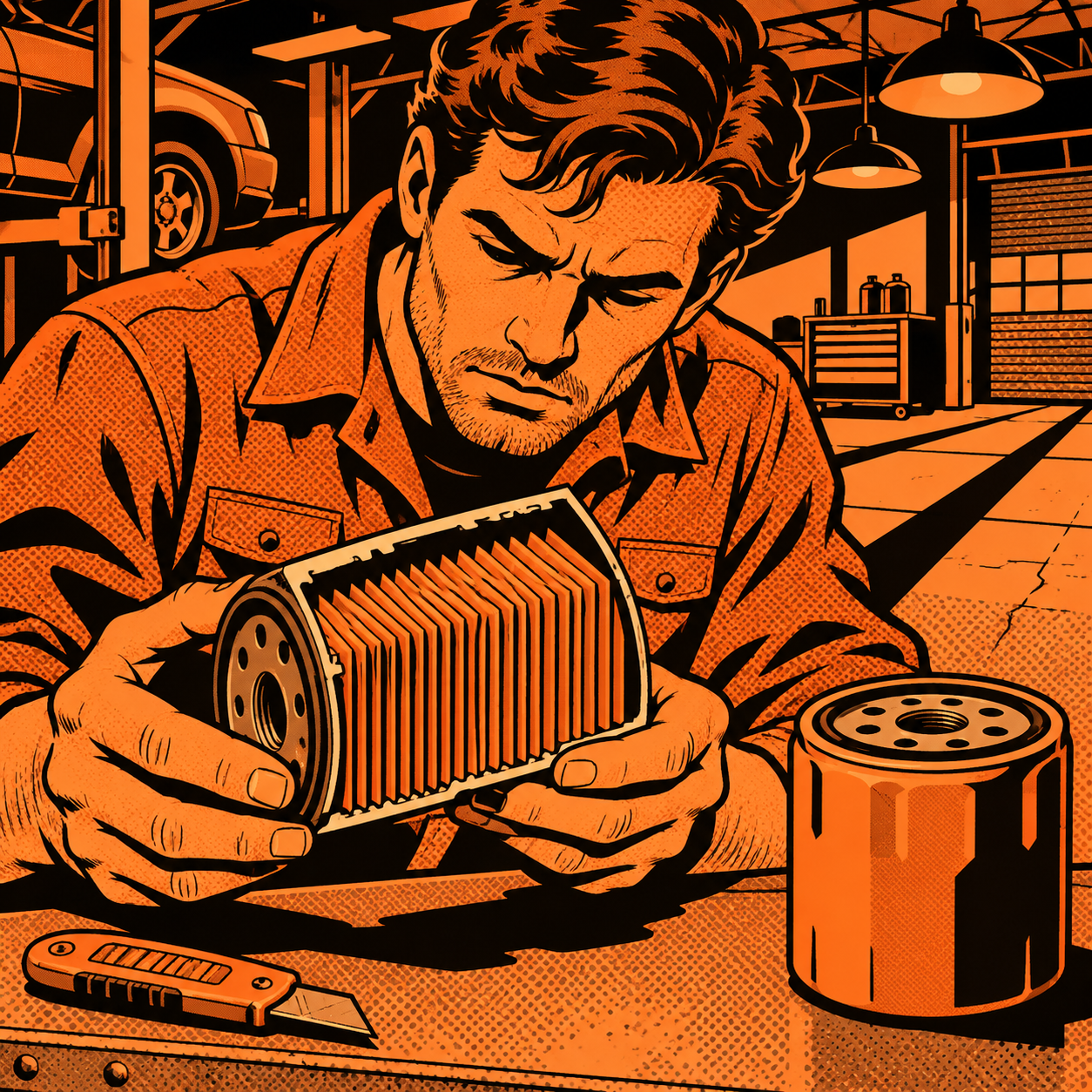
Shop talk about filter quality has picked up again, and it’s not just nostalgia for “the way things used to be.” Ownership changes at major filter suppliers have shifted who actually manufactures the media inside boxes carrying long-trusted names, and private-label lines have quietly swapped suppliers without changing the label. For a technician or fleet manager, that means the brand printed on the box is no longer a reliable proxy for what’s inside. This guide walks through how to evaluate filter quality directly, what physical and sourcing cues to check before you commit a shop to a supplier, and how to build a policy that catches a quality slide before it costs you a comeback.
Why Brand Names Stopped Being a Shortcut
For decades, a handful of names — WIX, Purolator, NAPA Gold — functioned as shorthand for “known-good media, consistent construction.” That shorthand broke down as ownership consolidated. Mann+Hummel’s acquisitions reshaped both the Purolator and WIX lines, and techs who ran these filters for years started reporting thinner pleat packs, shorter media depth, and in some cases outright filtration failures severe enough to earn Purolator’s budget tier a mocking nickname among mechanics. Separately, NAPA Gold stopped being supplied exclusively by WIX; the current Gold-branded filters on shelves now come from a different manufacturer (Premium Guard), with reports of media volume dropping as much as 20-40% on some spin-on part numbers between the old and new versions — alongside a shift in country of origin from India to China on at least some SKUs.
None of this means every filter from these brands is bad. It means the brand name alone no longer tells you which supplier, which plant, or which media spec you’re actually getting. A part number that passed your inspection two years ago can be sourced from an entirely different manufacturer today, with the same box graphics.
What to Physically Check Before You Trust a New Filter Lot
Don’t wait for a comeback to find out a filter’s media shrank. Pull a sample from any new case or any supplier you haven’t audited recently and check it against a known-good reference filter, ideally one you’ve run for years without issue.
- Country of origin on the box. A sudden change (e.g., India to China, or domestic to overseas) is a flag that the supply chain changed, even if the brand name didn’t. Note it and compare against prior stock.
- Pleat count and pleat depth. Cut a sacrificial filter open (oil or air) and compare pleat height and spacing to an older sample of the same part number. Shorter pleats or wider spacing usually means less total media surface area.
- Media weight/density. Cheaper media feels thinner and more translucent when held to light. It’s not a lab-grade test, but it’s a fast way to catch an obvious downgrade.
- End cap and seam quality on oil filters. Look for consistent glue beads, a properly seated anti-drainback valve, and a bypass valve that moves freely. Sloppy seams are often the first visible sign of a cost-cut production run.
- Canister wall thickness on spin-ons. Flex the can gently — excessive give suggests thinner steel, which matters for burst resistance at higher oil pressures and temperatures.
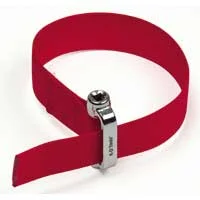
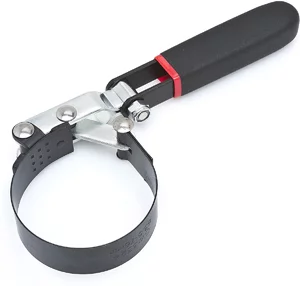
If you’re stocking shop supplies to run this kind of comparison regularly, it helps to have the reference filters and inspection tools on hand rather than improvising.

Reading the Numbers That Actually Matter
Pleat length theoretically affects dirt-holding capacity more than instantaneous flow — flow is governed largely by the channels between pleats, which is why a filter can look “skimpier” and still flow fine when new. But dirt-holding capacity is exactly what determines how long a filter lasts before it restricts flow or bypasses, so a shorter pleat pack isn’t irrelevant just because a fresh filter flows acceptably on a bench test. The practical effect shows up over the service interval, not on day one.
That’s why mileage-based reports from fleet use are more useful than a single teardown. If a filter line’s micron rating, burst pressure, or dirt-holding-capacity spec changed, it often won’t be obvious until you’re well past the midpoint of a normal service interval. Ask suppliers directly for current spec sheets rather than assuming last year’s data sheet still applies, and flag any filter that shows heavy pleat clogging well before its rated interval during routine inspections.
Matching Sourcing Strategy to How the Vehicle Is Used
Independent shops and fleet operations don’t need to treat every filter category the same way. A practical approach that several fleet techs have landed on:
- Oil filters: Given how directly a filter failure here affects engine survival, many techs default to OEM or a verified-premium aftermarket line (not necessarily the cheapest “Gold” or “Platinum” tier) and are slower to switch suppliers based on price alone.
- Air filters: More tolerance exists here for mid-tier aftermarket brands (e.g., Baldwin) as long as you’re inspecting them at every service and swapping before the media starts holding visible debris, rather than running strictly to a mileage number.
- High-volume fleet parts: If you’re buying in volume, a modest per-unit discount isn’t worth it if it comes with a supplier swap you haven’t vetted. The cost of a filtration-related engine or turbo failure dwarfs the savings from a cheaper case of filters.
The common thread: match your tolerance for brand-switching risk to the consequence of a filter failing in that position. An air filter that lets some dust through for one interval is an inconvenience. An oil filter that collapses its media or fails its bypass valve is a bearing job.
Looking to compare a specific reference part before switching suppliers? Search for “WIX 51348 oil filter” to pull up current listings and specs for a commonly referenced heavy-duty spin-on filter.
Building a Shop-Level Filter Sourcing Policy
A one-time inspection doesn’t protect you if a supplier changes manufacturing partners again next year. Build a lightweight, repeatable process instead:
- Keep a labeled reference sample of each filter part number currently in your approved stock, stored with the date and lot/box code.
- Re-check country of origin and box design every time you reorder — treat any change as a trigger to pull and inspect a sample before putting new stock into rotation.
- Log any comebacks related to filtration (oil consumption changes, intake debris, unusual bypass activity) against the specific part number and lot, not just the brand, so you can trace a problem to a sourcing change rather than assuming it’s random.
- Rotate in a competing brand periodically for a side-by-side comparison, even if you’re happy with your current supplier — it’s the only way to catch a slow quality slide you wouldn’t otherwise notice.
- Talk to other shops or fleet maintainers using the same brand before committing to a bulk order; sourcing changes tend to surface in shop-talk and forums before they show up in official communications.
Quick Pre-Install Filter Checklist
- Country of origin matches your last approved batch
- Box/part number graphics match current reference sample
- Pleat count/depth comparable to known-good sample (spot check, not every unit)
- End caps, seams, and bypass/anti-drainback valve look consistent and well-formed
- Canister or housing wall thickness feels consistent with prior stock
- No unexplained price drop without a corresponding spec explanation from the supplier
Shopping around for a shop-wide filter supplier switch? Search for “automotive oil and air filters” to compare current brands, spin-on and cartridge options, and bulk case pricing.


Viskon-Aire Filters 20"W x 50"H Series 55 Intake Filter
Mfg: Viskon-Aire
Part #: VIS.464-100

FAQs
Are all WIX filters now lower quality?
Not necessarily all of them, but multiple techs report inconsistency since Mann+Hummel’s acquisition. Treat it as a brand that needs periodic re-verification rather than one you can buy blind.
Is NAPA Gold still the same as WIX?
No. NAPA Gold is no longer exclusively WIX-manufactured; current Gold filters come from a different supplier, and some techs report reduced media volume on certain part numbers compared to older stock.
Are German-made Mann-brand filters affected by the same issues?
Reports from techs running Mann-brand filters sourced from German production generally describe them as still holding to a premium standard, separate from the issues raised about WIX- and Purolator-branded lines. Verify current sourcing for your specific part number rather than assuming geography alone guarantees quality.
Should I switch to OEM filters across the board?
Not required, but it’s a reasonable default for oil filters specifically, where failure consequences are highest. For air filters, a vetted aftermarket brand with regular inspection is a workable middle ground.
How often should I re-check a supplier I already trust?
At minimum, inspect a sample any time the box design, country of origin, or price changes noticeably. Even without a visible trigger, an annual spot-check against a stored reference sample is cheap insurance.
What’s the biggest red flag that a filter line has been downgraded?
A combination of two or more changes at once — new country of origin, lighter weight/feel, and a lower price — is a stronger signal than any single change alone.
Recommended Oil Change Tools
Maintaining a reliable filter sourcing process requires stocking reference samples and inspection tools. Find filter wrenches, drain pans, and related supplies in our Automotive Oil Change Tools selection.
- Filter wrenches and removal tools
- Drain pans and fluid recovery systems
- Inspection supplies and work-area organization

The Toolsource Technical Team blends decades of real-world automotive service experience with up-to-date technical research. Our writers collaborate with professional mechanics, shop owners, and diagnostic specialists to deliver practical, workshop-ready guidance you can trust.


Follow us on social media