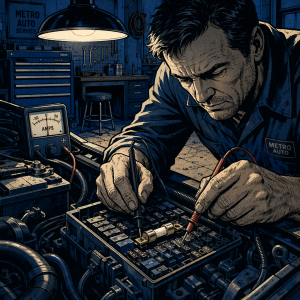
How to Diagnose Parasitic Battery Drain: A Technician’s Guide to Fast, Accurate Testing
Parasitic battery drain diagnostics have changed dramatically with modern vehicle networks. The old fuse-pulling method can wake modules and create false readings on CAN bus systems, making accurate diagnosis more challenging. This guide covers the proper voltage drop testing procedure, thermal imaging shortcuts, and realistic time estimates for common drain scenarios.
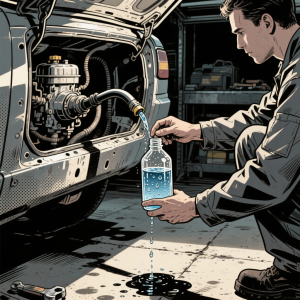
Why Your Vehicle Stalls on Cold Starts After Turns: Diagnostic Guide
When a vehicle stalls on the first few turns after a cold start but runs normally once warmed up, multiple systems could be at fault. This diagnostic guide walks technicians through systematic troubleshooting of fuel delivery, engine management, and mechanical issues.
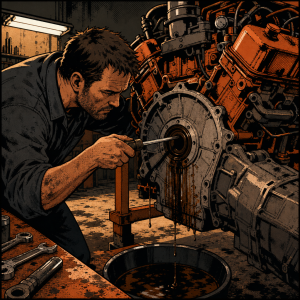
How to Assess Rust and Oil Leaks When Buying a Used Truck
Buying a used truck requires careful inspection of rust and oil leaks that sellers often try to conceal. This guide shows technicians how to identify painted-over rust, test frame integrity, evaluate oil leak severity, and make informed decisions about whether a truck is worth the asking price.
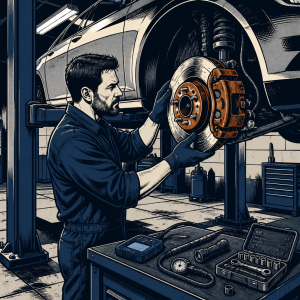
First Car, Real Inspection: A Technician’s Guide to Buying and Prepping a New Driver’s Vehicle
A viral story about a teenager who blew a $45k budget on an overpowered sport sedan and wrecked it almost immediately is a useful case study in what goes wrong with first-car purchases. Here’s a shop-tested approach to picking a first car, running a real pre-purchase inspection, and setting up a maintenance routine that keeps a new driver safe.
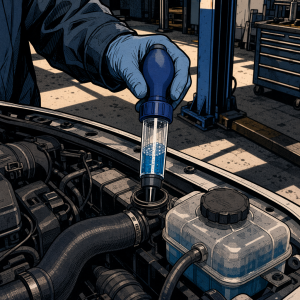
Boiling Coolant vs. Blown Head Gasket: A Technician’s Diagnostic Guide
A bubbling overflow tank or coolant “boiling” out of a funnel doesn’t automatically mean a blown head gasket — often it’s a bad cap, air pocket, or thermostat issue. This guide walks through the actual tests (block/chemical test, pressure test, cylinder leak-down) that separate a $30 fix from a $2,000 repair.
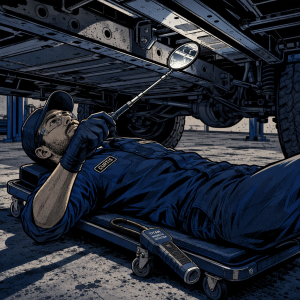
How to Find a Hidden GPS Tracker on a Vehicle: A Shop Tech’s Field Guide
Customers increasingly ask shops to check their vehicle for an unauthorized GPS tracker, often after noticing strange behavior or catching something on a dashcam. Here’s a practical, tool-by-tool method for finding one, plus the correct sequence of steps once it’s confirmed.
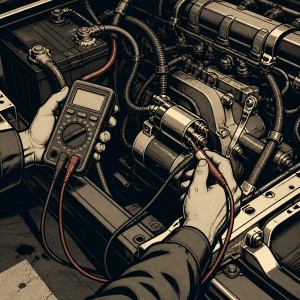
What a Century of Car Design Teaches Technicians About Servicing Today’s Vehicles
Car design has changed less than most people assume — and that consistency has real implications for the repair bay. This guide walks technicians through what stuck (and why), from electric starters to crumple zones to EV battery tech, with practical diagnostic takeaways.
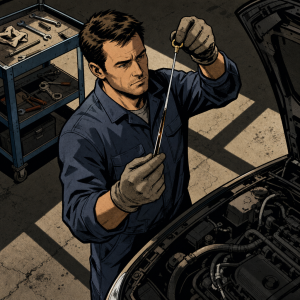
Engine Hours vs. Mileage: Servicing Vehicles That Idle All Day
Vehicles that idle for hours a day — security cars, oil field trucks, delivery vans — wear differently than daily drivers, and mileage-based service intervals miss that. Here’s how to translate idle hours into a real maintenance schedule and what to check first.
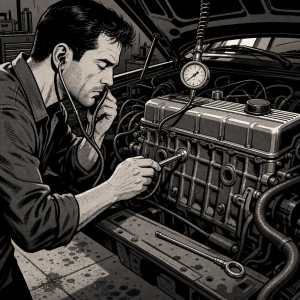
Rod Knock or Piston Slap? A Technician’s Guide to Diagnosing Low-Oil Engine Failure
When a customer’s engine starts knocking, the diagnosis matters as much as the noise itself. This guide walks technicians through separating rod knock from piston slap and top-end noise, running oil pressure and consumption checks, and building the documentation customers need for warranty claims on known defective engines.
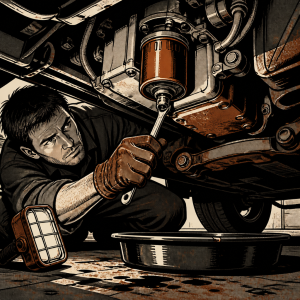
Grinding Noise After an Oil Change: A Technician’s Diagnostic Guide
A grinding or knocking noise right after an oil change is almost never a coincidence — it’s usually a service error. Here’s the step-by-step diagnostic process technicians use to find out whether it’s low oil, a bad filter seal, or something worse.


Follow us on social media