Security vehicles, oil field trucks, delivery vans, and ag equipment all share a maintenance blind spot: they rack up engine hours far faster than they rack up miles. A truck idling 12 hours a day for a work week puts on the mechanical equivalent of roughly 1,800 miles without the odometer moving much at all. If your shop is still writing service intervals purely off mileage, you’re under-servicing every vehicle in that category — and the customer usually doesn’t know it until something fails. Here’s how to think about idle-heavy vehicles the way fleet and heavy-equipment techs already do, and what to actually check.
Why Engine Hours Matter More Than Odometer Miles
Heavy equipment, marine engines, aircraft, forklifts, and agricultural machinery have never used mileage as a service metric — they run on an hour meter, because the engine doesn’t care whether it’s turning the crank to move a vehicle or just to idle. Wear on rings, bearings, and valvetrain components is driven by running time and load cycles, not distance. Ambulances and police interceptors are the clearest automotive example: departments track engine hours specifically because a cruiser sitting at a scene with the AC and light bar running for two hours puts real wear on the engine without adding a single mile.
Most modern vehicles already track this. Many dash menus bury an “engine hours” readout a few clicks deep — check trip computer or vehicle info submenus. If it’s not exposed on the dash, it’s almost always retrievable through the ECU with a scan tool that supports manufacturer-specific PIDs, or through a dealer diagnostic system. A rough rule of thumb some fleets use: one idle hour is roughly equivalent to 30–33 miles of driven wear. That’s a fleet-management approximation, not a lab figure, but it’s useful for converting “hours idled” into “effective miles” when you’re deciding on an interval.
Fuel Dilution: The Real Mechanism Behind Idle Wear
The most concrete, measurable damage mechanism from extended idling — especially in modern direct-injected gas engines and diesels — is fuel dilution of the oil. Unburned fuel and combustion byproducts blow past the piston rings and mix into the crankcase oil, thinning its viscosity and degrading its film strength right when the engine needs consistent lubrication most. This happens during normal driving too, but low-load, long-duration idling gives it more time to accumulate between oil changes, since idle rarely gets the oil hot enough or the drive cycle long enough to boil off the diluted fuel the way sustained highway driving does.
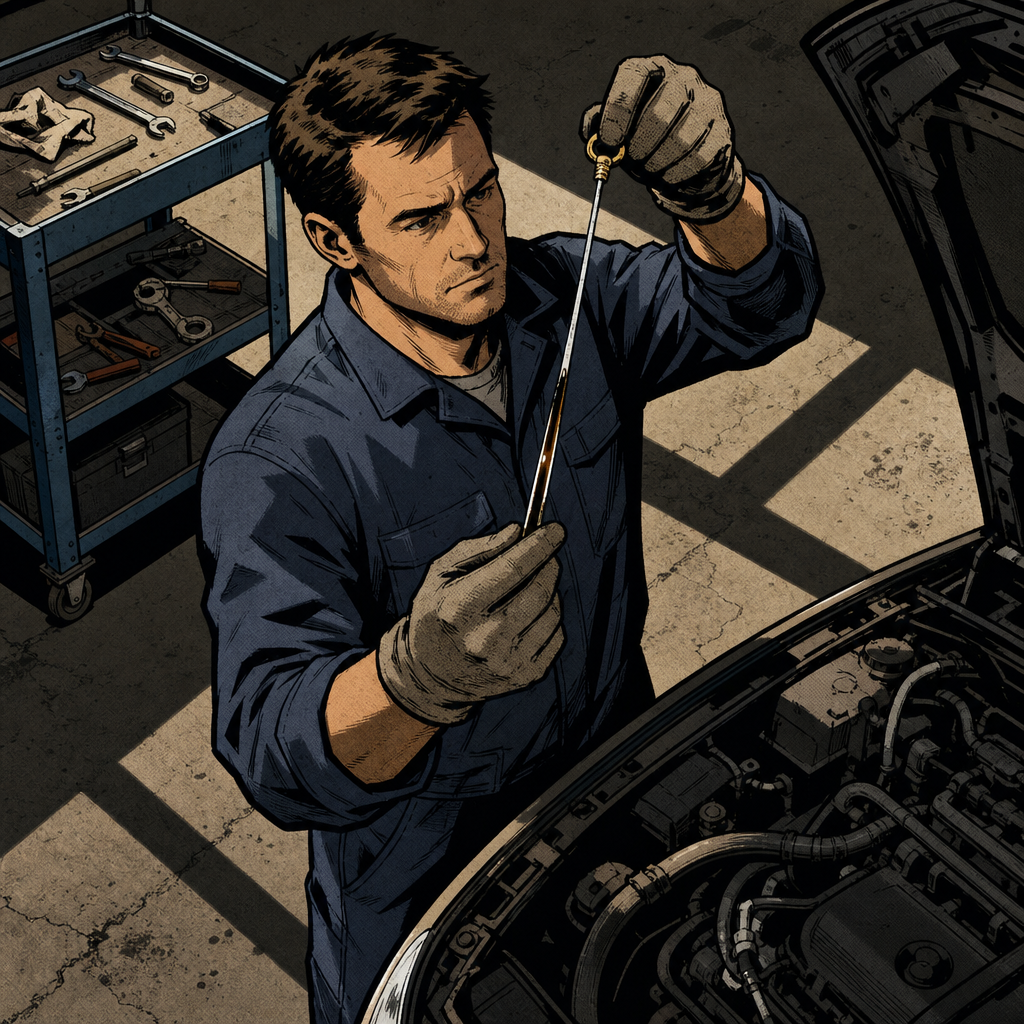
Diluted oil shows up as a rising level on the dipstick (from added fuel volume) and a measurable viscosity drop on an oil analysis report. Left unchecked across enough idle hours, it accelerates bearing and cylinder wall wear well before the “recommended” mileage interval would suggest a change is due.

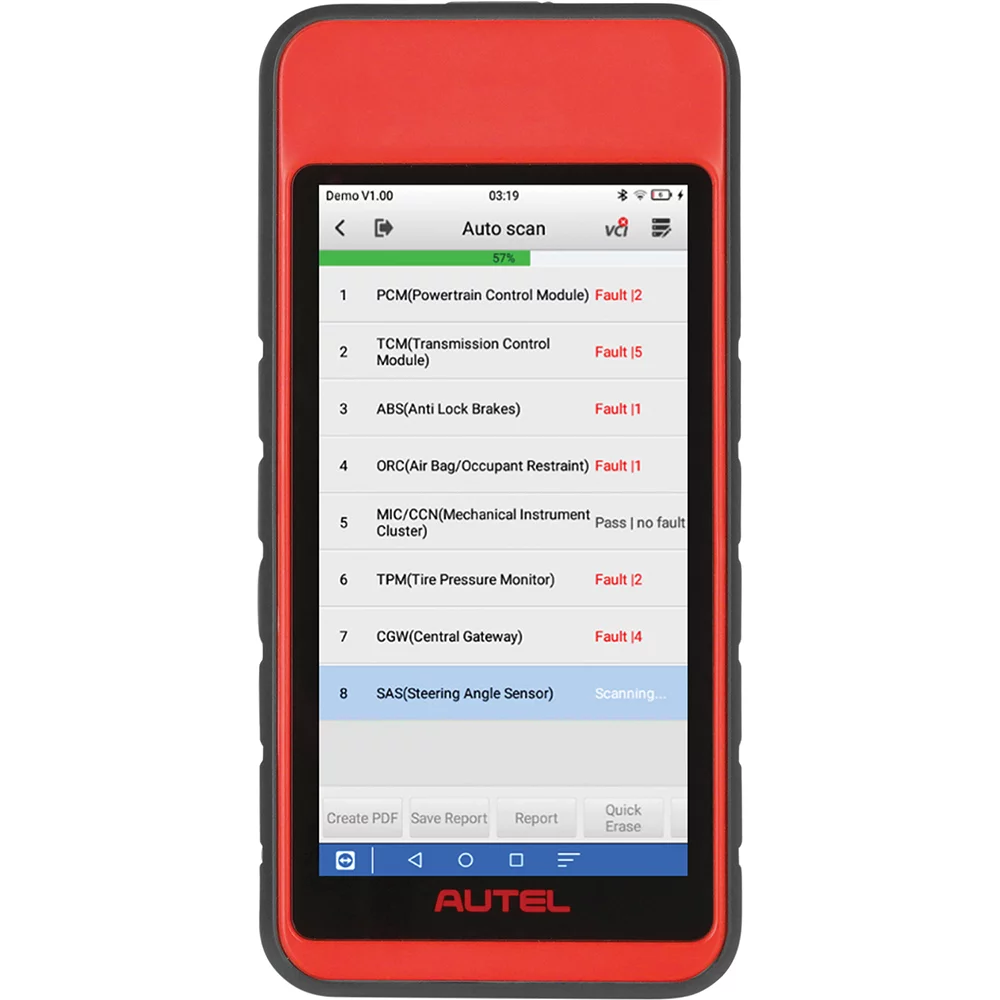
The Autel MaxiDIAG 909PRO is a wireless Android-based All-System
Mfg: Autel.us
Part #: MD909PRO
Adjusting Oil Change and Service Intervals for Idle Duty
Once a vehicle is spending a large share of its day idling, mileage-based intervals stop being a reliable guide. A practical approach:
- Convert idle hours to equivalent miles (using the ~30 miles/hour rule) and add that to actual driven miles before applying the factory interval.
- For vehicles idling 8+ hours a day, plan on an oil change roughly every 2–4 weeks regardless of miles shown, especially with conventional or short-service-life oil.
- Check oil level and condition daily on vehicles used this way — fuel-diluted oil often shows a rising level, which is itself a warning sign, not reassurance.
- In cold climates where extended idling is used to keep engines from cold-soaking, fleets already treat this as normal high-use duty and shorten intervals accordingly — apply the same logic in hot climates where idling runs the AC.
If a customer’s vehicle is under warranty, remind them warranty coverage is written against mileage and time, not hours — heavy idling won’t void it outright, but it also won’t get any extra consideration if a component fails early from a documented high-idle duty cycle.
Diesel-Specific Concerns: DPF Loading and Regen Cycles
Diesel-powered trucks used for extended idling have an additional failure point beyond oil dilution: diesel particulate filters. DPFs need sustained exhaust temperature to trigger passive or active regeneration and burn off accumulated soot. Long idle periods generate soot without the exhaust temps needed to clear it, so idle-heavy diesels are more prone to clogged filters, more frequent forced regens, and derated performance if regen keeps getting interrupted. If a customer runs a diesel this way, check regen history and DPF differential pressure readings during service rather than waiting for a dash warning light, and talk to them about periodic highway driving (or a scheduled stationary regen) to keep the filter clear between services.
Cooling System and Heat Management Checks
Extended idling, particularly in hot climates or with the AC compressor under constant load, puts more sustained heat into the engine bay than typical stop-and-go driving, where airflow at speed helps the radiator and condenser. Confirm the cooling fan(s) cycle correctly at idle, flush and refill coolant on the manufacturer’s schedule (not just when it looks low), and inspect hoses and the radiator cap for age-related softening. Plain water can cool slightly better than coolant/water mixes below boiling, but it lacks the raised boiling point, corrosion inhibitors, and freeze protection that antifreeze provides — never recommend a customer run straight water except as a genuine emergency top-off, and even then have them flush and refill with proper coolant as soon as possible. For diesels in particular, verify the correct OEM-spec coolant is used, since some diesel engines require specific formulations to prevent cylinder liner cavitation damage.
When to Recommend Oil Analysis or a Different Vehicle
For customers running high idle hours as a regular part of the job — oil field techs, security patrol, food trucks, mobile equipment operators — a used oil analysis (UOA) program is the most reliable way to stop guessing at intervals. A lab report on wear metals, fuel dilution percentage, and viscosity gives an actual data point instead of a rule of thumb, and lets you dial in the real safe interval for that specific vehicle and duty cycle rather than over- or under-servicing it. If the customer is idling for climate control rather than powering equipment, it’s also worth mentioning that a plug-in hybrid or EV can eliminate the wear question entirely, since climate control runs off the battery/electric motor without the engine cycling at all. That’s not a fit for every job — remote or extreme-heat environments still favor a traditional powertrain — but it’s a legitimate option to raise for customers replacing a vehicle used primarily for idle-heavy climate control duty.
Quick Reference: Servicing a High-Idle Vehicle
- Pull engine hours from the dash menu or scan tool, not just the odometer
- Convert idle hours to equivalent miles (~30 miles per idle hour) to judge true service due date
- Shorten oil change intervals to every 2–4 weeks for 8+ hours/day idling
- Check oil level and color daily; rising level can indicate fuel dilution
- On diesels, check DPF regen history and back-pressure readings
- Verify cooling fan operation and correct OEM coolant, especially in heat
- Recommend a UOA program for vehicles in continuous high-idle duty
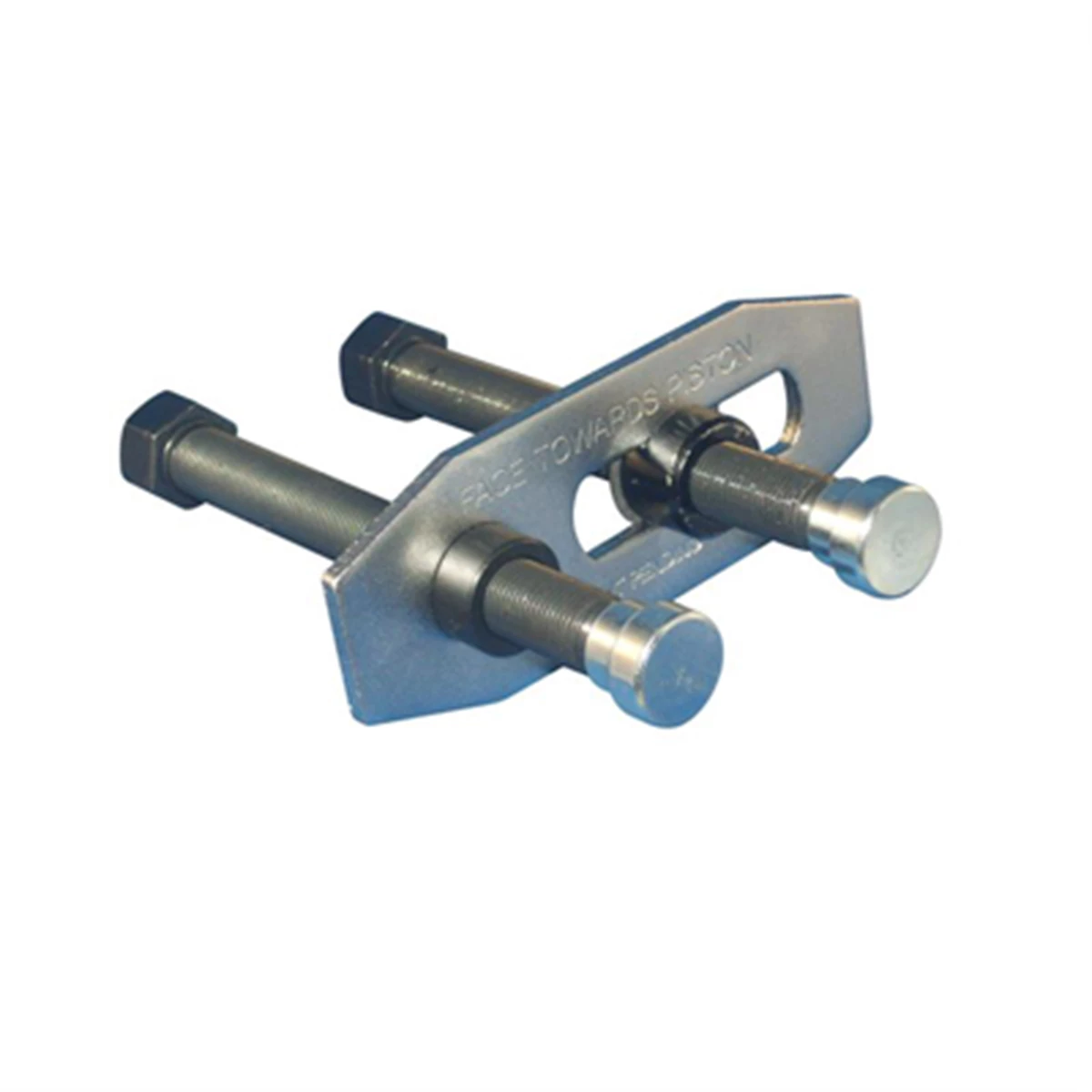
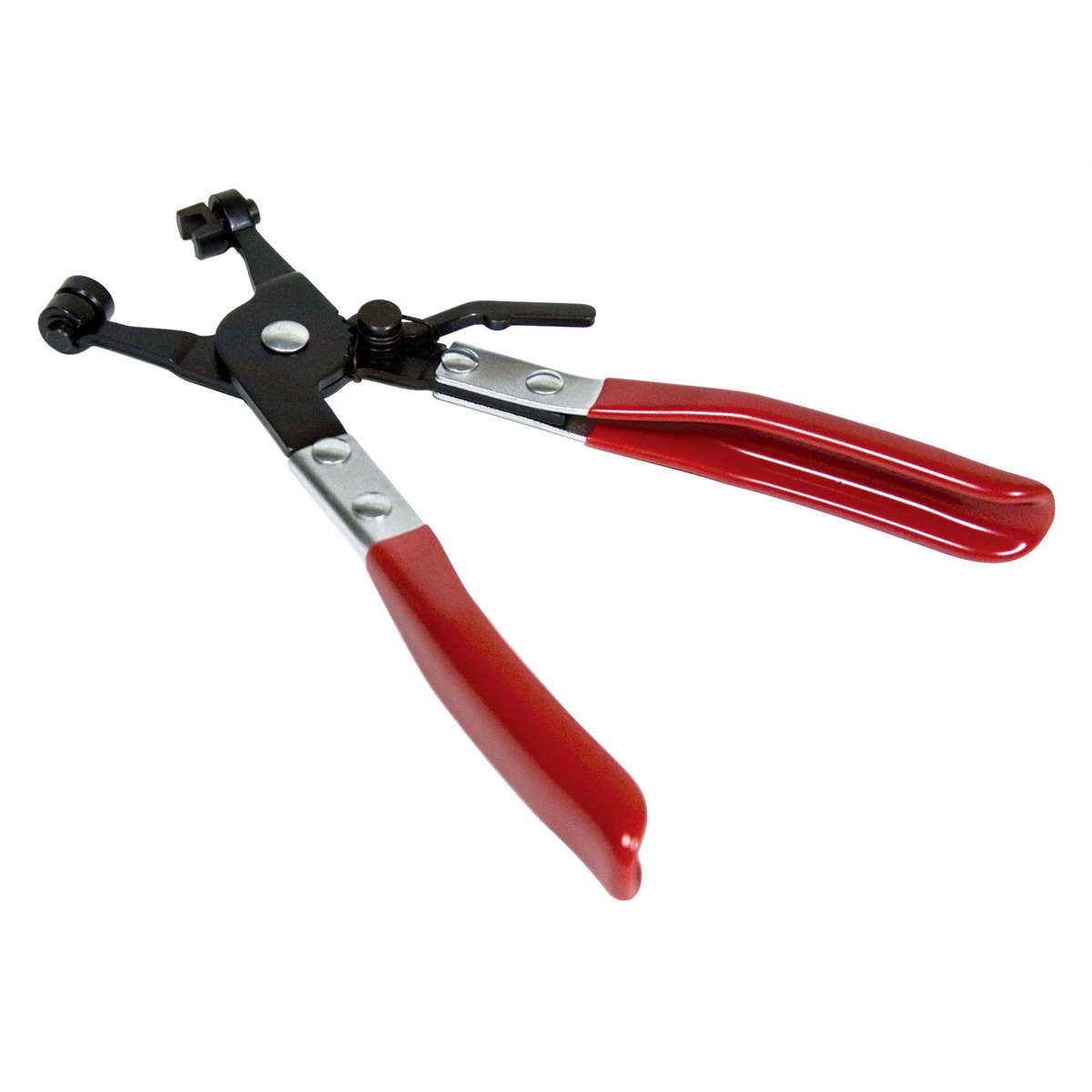
Flat Band Hose Clamp Pliers - Precision Tool W80654
Mfg: Wilmar - Performance Tool
Part #: W80654
FAQs
Does idling really wear an engine as much as driving?
Yes, and some techs argue it can be worse at a given RPM band, because idle rarely gets oil and coolant to full operating temperature for sustained periods, and low-load combustion increases fuel dilution of the oil. The engine is turning either way; idling just does it without the highway miles that help burn off contaminants.
How do I check engine hours if there’s no dash readout?
Use a scan tool that supports manufacturer-specific PIDs — most ECUs log engine hours even when it’s not shown on the dash. A dealer diagnostic system will also pull it reliably.
Is running straight water in the radiator ever okay?
Only as a genuine emergency top-off. Water alone lacks the corrosion inhibitors, raised boiling point, and freeze protection that coolant provides, and running it long-term risks boiling, corrosion, and (in some diesels) cylinder liner cavitation damage. Flush and refill with the correct coolant as soon as possible after any water top-off.
Will heavy idling void a factory warranty?
Not by itself — warranty terms are based on mileage and time, not engine hours. But it also won’t earn any extra consideration if a component fails prematurely from a documented high-idle duty cycle, so proactive maintenance is on the owner.
Why do diesels have more idle-related problems than gas engines?
Mainly DPF loading. Diesel particulate filters need sustained high exhaust temperatures to regenerate and clear accumulated soot; extended idling produces soot without the heat to burn it off, leading to more frequent regens or clogging.
How often should oil be changed on a vehicle that idles 10+ hours a day?
As a starting point, treat 2–4 weeks as the interval regardless of miles shown, then refine with a used oil analysis to find the actual safe interval for that engine and oil type.
Track Engine Hours with Diagnostic Tools
Accurate service intervals for high-idle vehicles depend on pulling engine hour data from the ECU — data that’s often buried in the vehicle’s computer. Our Automotive Diagnostic Tools include scan tools with manufacturer-specific PID access to retrieve this critical wear metric.
- Scan tools capable of accessing buried engine hour readings from the ECU
- OBD2 and advanced diagnostic interfaces for late-model gas and diesel vehicles

The Toolsource Technical Team blends decades of real-world automotive service experience with up-to-date technical research. Our writers collaborate with professional mechanics, shop owners, and diagnostic specialists to deliver practical, workshop-ready guidance you can trust.


Follow us on social media