A recent thread made the rounds after a 16-year-old with a $45,000 budget bought a used Lexus IS300 as a first car and wrecked it within months. The internet piled on, but underneath the jokes is a pattern shops see constantly: a new driver gets matched with a vehicle that outpaces their skill, nobody runs a real inspection before the sale, and the car ends up totaled, repossessed, or in the service bay for something that should have been caught before the deal closed. None of that is unique to one bad purchase — it’s a predictable outcome of skipping a few basic steps. Here’s a practical, technician’s approach to picking a first car and making sure it’s actually roadworthy before a new driver gets behind the wheel.
Right-Size the Budget Before You Right-Size the Car
A large budget doesn’t buy good judgment, and it doesn’t buy driving experience. The advice that came up over and over in that thread was blunt but correct: a first car should be inexpensive enough that a mistake — a curbed wheel, a parking lot fender-bender, a missed shift into reverse — isn’t a financial catastrophe. Most techs and service advisors will tell parents the same thing: budget for a reliable, unremarkable used vehicle in the $5,000–$15,000 range rather than stretching toward a performance trim or a luxury badge. The extra money is better spent on a thorough inspection, a full set of fresh tires, a maintenance reserve, and driver training than on horsepower a new driver has no way to use safely.
This also changes what “used” should mean. Low-mileage examples of performance cars command a premium and often come from owners who drove them hard. A higher-mileage, well-documented economy car from a single owner is a better bet than a low-mileage sport sedan with a thin service history.
Match the Vehicle Class to the Driver, Not the Other Way Around
Rear-wheel-drive sport sedans, high-horsepower trucks, and anything marketed around a 0-60 time are a bad match for a driver who hasn’t yet built the muscle memory to handle a skid, a hard-braking event, or an unexpected slide in the rain. The safer profile for a new driver is a front-wheel-drive compact or midsize sedan or hatchback with modest power, good factory safety ratings, and predictable, forgiving handling. A car that’s fun to drive at legal speeds teaches throttle and brake control without punishing a small mistake. A car with excess power on tap does the opposite — it turns ordinary new-driver errors into high-speed ones.
When you’re evaluating candidates, pull the manufacturer’s original stability control and ABS specs, check for a clean title, and confirm the trim level isn’t a “sport” or “S” variant with stiffer suspension and a limited-slip differential unless the buyer has track or autocross experience. None of this is about killing fun — it’s about sequencing. Skill first, power later.
[PRODUCT_SEARCH: digital tire tread depth gauge and tire pressure monitor]

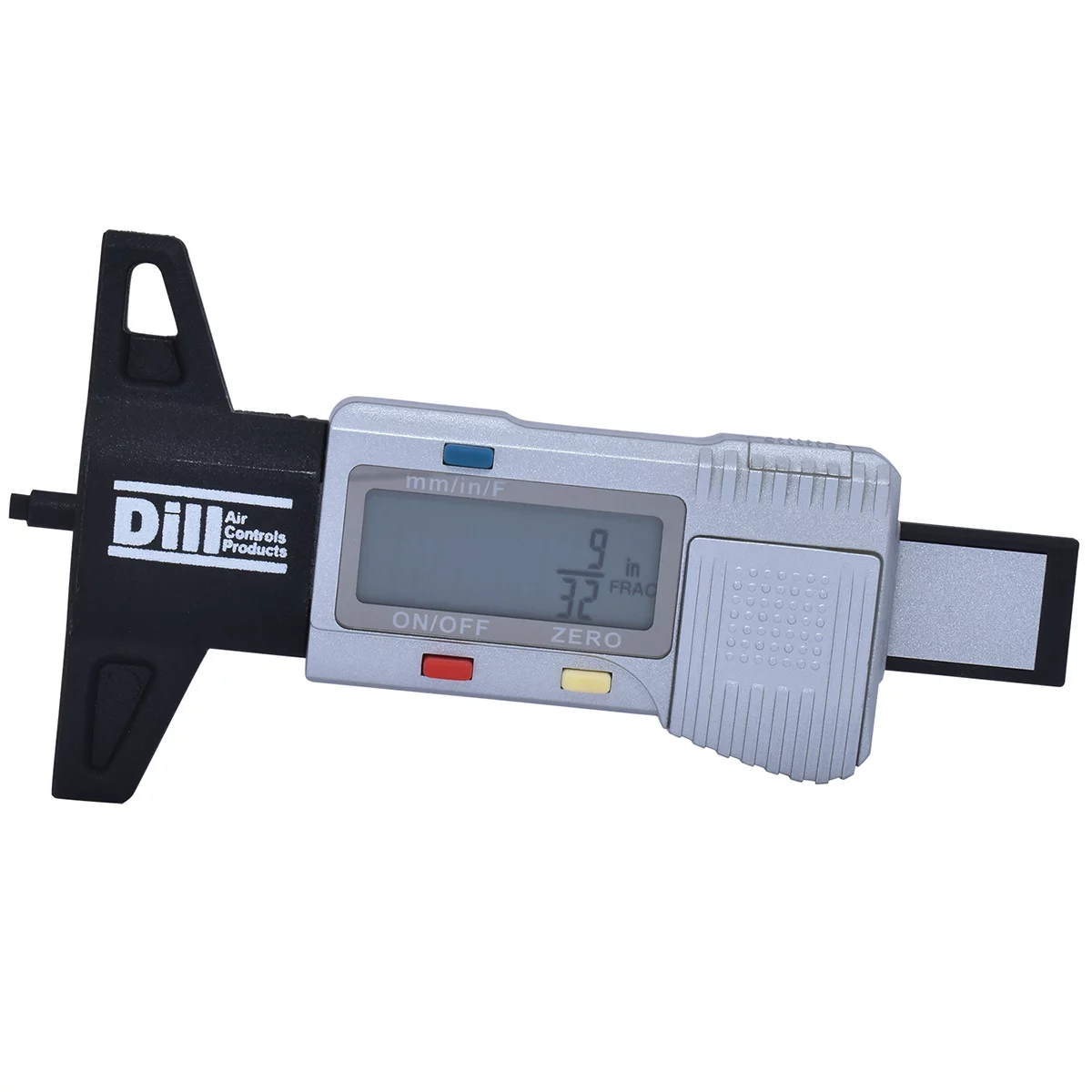
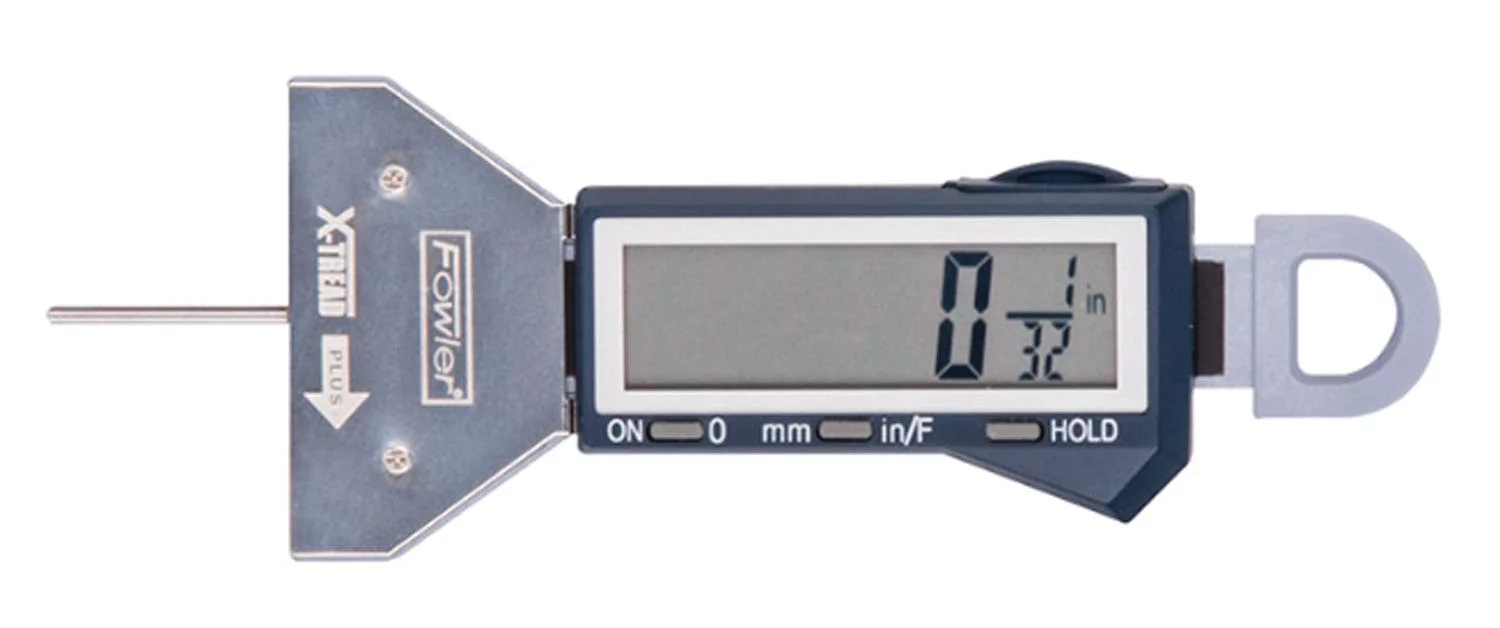
Digital Tire Tread Depth Gauge 3S402A by Central Tools
Mfg: Central Tools
Part #: 3S402A
Run an Actual Pre-Purchase Inspection, Not a Test Drive
A test drive tells you almost nothing about the mechanical condition of a used car. Before any money changes hands, put the vehicle on a lift or on jack stands and go through it systematically:
- Check tire wear patterns for alignment or suspension issues — uneven wear on one edge points to camber or toe problems, cupping points to worn shocks or struts.
- Inspect brake pad thickness, rotor condition, and caliper slide pins on all four corners, not just the fronts.
- Pull codes with an OBD2 scanner even if no warning light is on — some sellers clear codes before a sale, and a scanner will show pending or history codes the dash won’t.
- Check fluid condition and levels: transmission fluid color and smell, coolant condition, and evidence of a recent oil change versus months of neglect.
- Look underneath for oil pan gasket seepage, exhaust hanger rust-through, and any aftermarket welds or patched rust that suggest prior collision damage.
- Verify the VIN on the dash, door jamb, and title all match, and run a vehicle history report before you inspect in person — it’ll save you a wasted trip on a salvage title.
If you don’t have shop access, a mobile inspection from an independent mechanic runs $100–$200 and is the cheapest insurance you’ll buy in this whole process. Walk away from any private seller who won’t allow one.
Don’t Skip the Wheel Bearings and Brake Hardware
One detail from that same thread is worth pulling out on its own: a driver towing a boat noticed a wheel pouring smoke down the highway, likely from a seized wheel bearing or a stuck caliper that had been dragging long enough to overheat. That’s exactly the kind of failure a pre-purchase inspection is supposed to catch before it becomes a roadside — or highway — emergency, and it’s just as relevant on a $6,000 commuter car as it is on a $60,000 truck.
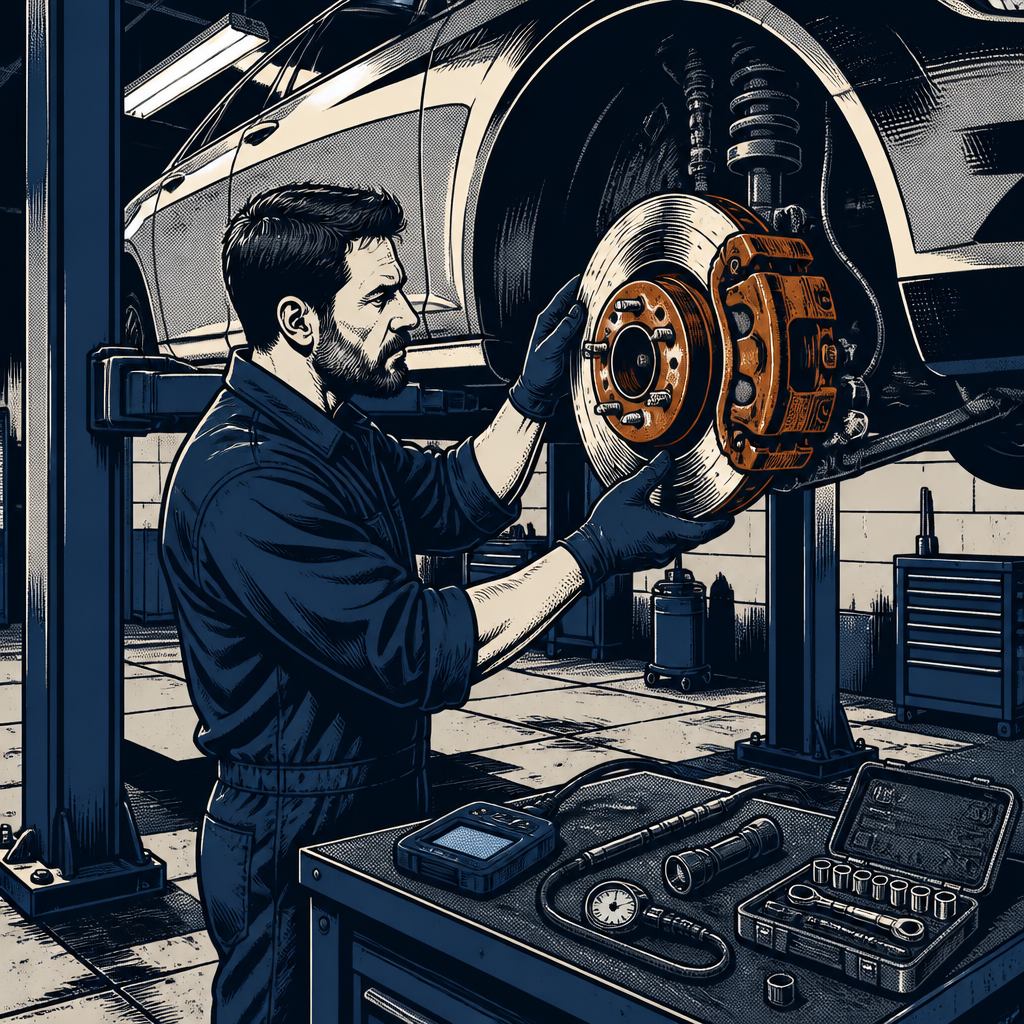
With the wheel off, grab the hub and rock it at the 12-and-6 o’clock and 3-and-9 o’clock positions to check for bearing play. Spin the wheel by hand and listen for grinding or roughness. Check for a caliper that won’t retract freely or a rotor with heat-blued coloring, both signs of a caliper that’s been dragging. Any of these findings isn’t necessarily a deal-breaker, but it’s a repair cost to fold into your offer, and it’s not something you’ll catch on a five-minute test drive around the block.
Set Up a Maintenance Routine Before the Keys Change Hands
The purchase is the easy part; keeping a new driver’s car in safe condition is ongoing. Set a fixed interval — every oil change or every three months, whichever comes first — to check tire pressure and tread depth, brake pad wear, fluid levels, and battery terminals. Involve the new driver directly rather than doing it for them. Teaching someone to check their own tire pressure and recognize a wear bar on a tire does more for long-term safety than any single inspection, because it builds the habit of noticing when something’s off before it becomes a breakdown or a failure at speed.
It’s also worth budgeting for a full tire replacement at purchase if the existing tires are more than five or six years old, regardless of remaining tread — rubber compound degrades with age even on a car that’s been driven lightly, and worn factory tires are a bigger risk for a new driver than most other maintenance items combined.
Quick Pre-Purchase Checklist
- Budget set below the “temptation to buy performance” threshold
- Trim level confirmed as base or standard, not sport/performance
- Vehicle history report pulled and title confirmed clean
- Independent PPI completed on a lift, not just a test drive
- OBD2 scan run for pending and historical codes
- Wheel bearings, calipers, and rotors checked at all four corners
- Tire age and tread depth verified, replacement budgeted if needed
- Maintenance interval and driver responsibilities set before delivery
[PRODUCT_SEARCH: automotive diagnostic and inspection tool kits]
FAQs
Should a first car be new or used?
Used, in almost every case. A new car depreciates fastest in its first year, and a new driver is statistically more likely to be involved in a fender-bender or minor collision during the learning period. A used car absorbs that risk at a much lower cost.
What’s a reasonable budget for a first car?
Most shops and financial advisors land in the $5,000–$15,000 range for a reliable, well-inspected used vehicle. Spending significantly more doesn’t buy safety — it usually buys more power, which is the opposite of what a new driver needs.
Is a mobile pre-purchase inspection worth the cost?
Yes. A $100–$200 inspection fee is small compared to the cost of a failed wheel bearing, a warped brake rotor, or a hidden accident history discovered after the sale.
How often should a new driver’s car be checked after purchase?
At minimum every oil change interval, and ideally monthly for tire pressure and a quick visual brake and fluid check, especially in the first year of ownership.
Are high-horsepower or rear-wheel-drive cars really more dangerous for new drivers?
They’re not inherently unsafe, but they demand more skill to recover from a mistake — a slide, a hard-braking event, or an oversteer moment. A lower-power, front-wheel-drive vehicle gives a new driver more margin for error while those reflexes are still developing.
What’s the single most-skipped inspection item on used first cars?
Wheel bearings and brake hardware. They don’t always show obvious symptoms during a short test drive, but they’re a common source of roadside failures and are inexpensive to catch during a lift inspection compared to dealing with a failure at highway speed.
Recommended Tools
Before closing on a used vehicle for a new driver, pulling diagnostic codes and systematically checking suspension, brakes, and tires are non-negotiable. A reliable OBD2 scanner and tire depth gauge are foundational to catching hidden problems before they become roadside emergencies. Our Automotive Diagnostic Tools selection includes the scanners, gauges, and inspection equipment technicians rely on for pre-purchase inspections.
- OBD2 scanners for reading pending and historical trouble codes
- Tire tread depth gauges to verify tire age and wear patterns
- Professional inspection tools for brake, suspension, and bearing checks

The Toolsource Technical Team blends decades of real-world automotive service experience with up-to-date technical research. Our writers collaborate with professional mechanics, shop owners, and diagnostic specialists to deliver practical, workshop-ready guidance you can trust.


Follow us on social media