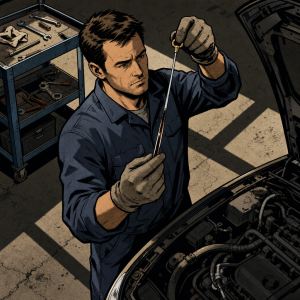
Engine Hours vs. Mileage: Servicing Vehicles That Idle All Day
Vehicles that idle for hours a day — security cars, oil field trucks, delivery vans — wear differently than daily drivers, and mileage-based service intervals miss that. Here’s how to translate idle hours into a real maintenance schedule and what to check first.
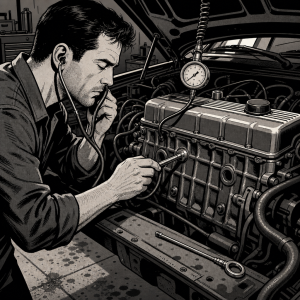
Rod Knock or Piston Slap? A Technician’s Guide to Diagnosing Low-Oil Engine Failure
When a customer’s engine starts knocking, the diagnosis matters as much as the noise itself. This guide walks technicians through separating rod knock from piston slap and top-end noise, running oil pressure and consumption checks, and building the documentation customers need for warranty claims on known defective engines.
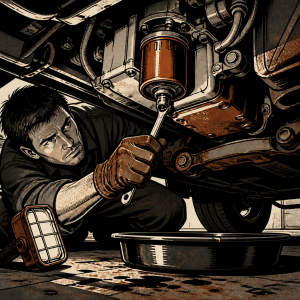
Grinding Noise After an Oil Change: A Technician’s Diagnostic Guide
A grinding or knocking noise right after an oil change is almost never a coincidence — it’s usually a service error. Here’s the step-by-step diagnostic process technicians use to find out whether it’s low oil, a bad filter seal, or something worse.
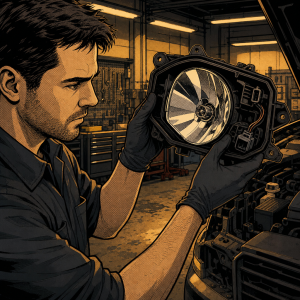
Why Modern Headlights and Taillights Are So Bright — And How to Diagnose Lighting Complaints Correctly
Customer complaints about blinding headlights and pricey tail light repairs are climbing, and much of it traces back to aftermarket LED bulbs stuffed into halogen housings. Here’s a practical, technician-level breakdown of what’s actually happening and how to diagnose it correctly.
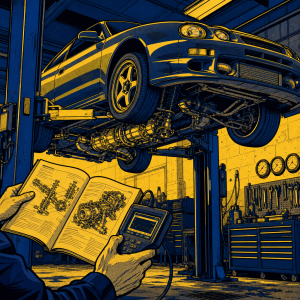
Toyota Celica GT-Four Buying Guide: What Technicians Need to Know
The Toyota Celica GT-Four remains one of the most capable Japanese performance cars ever built, with rally-proven engineering and a dedicated enthusiast following. This technician’s guide covers what to look for when evaluating these turbocharged all-wheel-drive models, from the ST185 through the rare ST205 Carlos Sainz Edition.
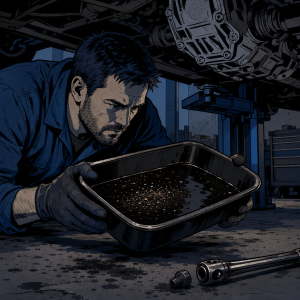
Working on Stellantis/CDJR Vehicles: A Shop Guide to PTU Failures, Brake Line Corrosion, and Warranty Documentation
Stellantis (Jeep/Chrysler/Dodge/Ram) vehicles generate an outsized share of warranty comebacks, and techs are often the ones stuck translating vague recall bulletins into billable, defensible repairs. Here’s a shop-floor guide to the most common failure points, how to diagnose them correctly, and how to paper a job so reimbursement doesn’t stall for months.
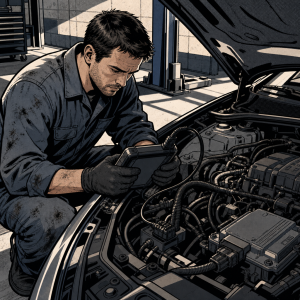
Flat Rate, Efficiency Scores, and Diagnostic Time: How Technicians Can Protect Their Pay
Efficiency percentages and flat-rate pay can turn a legitimate multi-hour CAN-bus diagnosis into a fight with management. Here’s how experienced techs document their time, use the right tools, and recognize when it’s an employer problem rather than a performance problem.
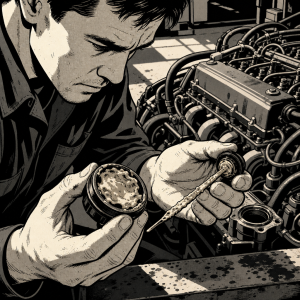
Diagnosing a Blown Head Gasket (HG): A Technician’s Step-by-Step Guide
Overheating, milky oil, and mysterious coolant loss all point to one dreaded culprit: a blown head gasket. This guide walks technicians through a systematic diagnostic process, from visual checks to chemical block testing and compression verification.
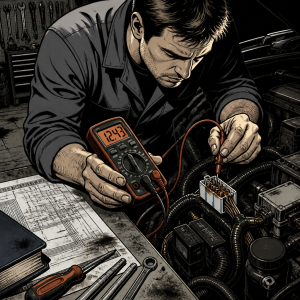
Why Modern Vehicles Demand More From Technicians — And How to Keep Your Diagnostic Skills Sharp
Cars have quietly turned every technician into a systems engineer, and the shop floor hasn’t caught up. This guide breaks down the practical diagnostic habits, tools, and workflow changes that separate techs who keep pace from those who get buried by comebacks.
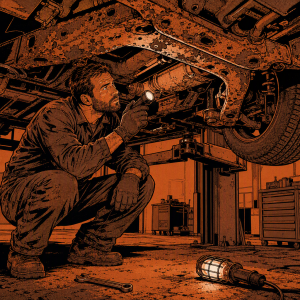
Repair or Replace? A Technician’s Guide to Keeping High-Mileage Vehicles on the Road
With used car prices inflated and new car payments running $500-700/month, more customers are asking shops to keep their high-mileage vehicles alive instead of trading in. This guide breaks down the repair-vs-replace math, the maintenance checklist that actually extends vehicle life, and the diagnostic steps that separate a smart repair from a money pit.


Follow us on social media