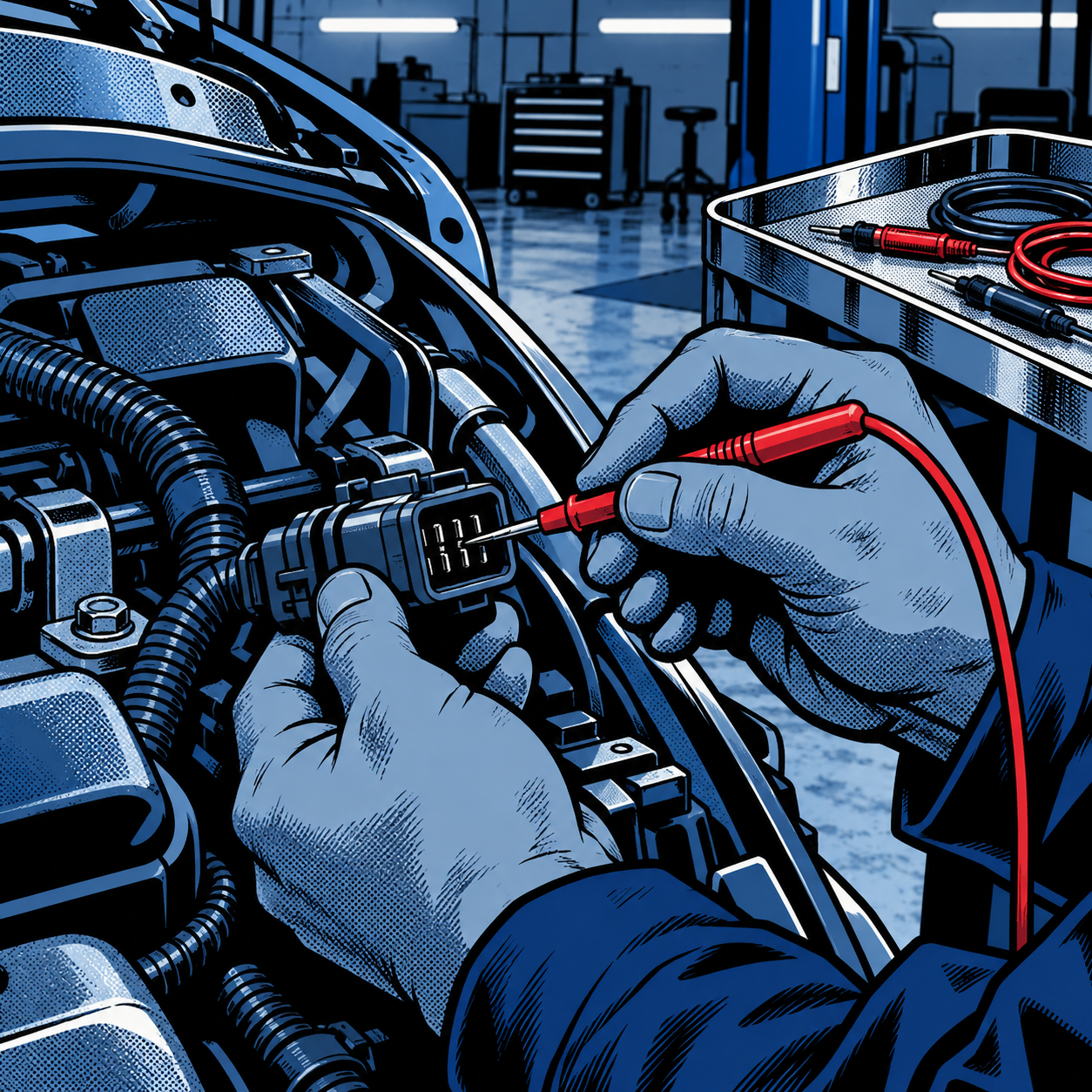
Flat rate pay is the single biggest fork in the road for automotive technicians, and it doesn’t treat everyone the same. Some techs turn 150-200 hours a month on a 40-hour schedule and wouldn’t trade it for hourly pay at any price. Others — often the most skilled diagnosticians in the building — get buried in warranty work that pays a fraction of what the job actually takes, while less-certified coworkers cherry-pick quick flushes and oil changes. If you’re trying to figure out whether your shop is the problem, your pace is the problem, or the entire pay structure is the problem, here’s how to work through it.
How Flat Rate Actually Plays Out in the Real World
Flat rate pays you a fixed number of “book hours” for a job regardless of how long it actually takes. That rewards speed and repetition brutally well. Techs who stick to high-volume, predictable work — brakes, fluid services, routine maintenance — can beat the book consistently and rack up hours fast. The math breaks down on diagnostic and warranty work, where book times are often set by the manufacturer, not by reality, and a complex intermittent electrical fault can eat four hours of your day while paying for one.
This is why “the more certified you get, the less you make” is a real pattern at some dealers. Master techs and diagnostic specialists get routed to the hard, low-paying warranty jobs because they’re the only ones who can actually solve them, while techs who avoid certification stay on the fast, cash-paying work. If you’re the guy management calls when nobody else can figure it out, ask yourself honestly whether that reputation is costing you money every single day.
Red Flags That Your Shop Is Working Against You
Not all flat rate shops are created equal, and before you blame the pay system, rule out the shop. Watch for these patterns:
- Warranty and diagnostic time gets denied or cut routinely, even when you’ve documented everything.
- Too many techs for too few appointments — one bay per tech with 40 techs and 65-80 appointments a day means everyone is starving for hours.
- Diagnostic-heavy or warranty-heavy jobs always land on the same few techs with no extra compensation for the difficulty.
- Obvious favoritism in job assignment that has nothing to do with skill or seniority.
- No second lift or backup work available when you get stuck on a problem car, so one bad diagnosis tanks your whole day.
A well-run dealer with a reasonable service manager and a warranty admin who actually fights for your time can make flat rate work extremely well — plenty of 20-30 year techs are making six figures and have no interest in switching. The pay structure isn’t automatically the enemy; a badly run shop layered on top of it is.
[PRODUCT_SEARCH:diagnostic scan tool for dealership technicians]

Weighing Your Alternatives Before You Jump
If you’ve concluded the shop — or the dealership model itself — isn’t working for you, there are several well-worn paths other techs have taken, each with real tradeoffs:
Switch dealers or brands. Warranty time, politics, and management quality vary enormously by rooftop and by manufacturer. A move across town to a better-run store on the same brand can fix problems you were blaming on the industry.
Go independent shop, hourly. Independent shops generally don’t carry warranty-time headaches since most work is customer-pay. You lose some of the structure, training programs, and big-job resources a dealer provides, but many techs report the hourly or better-structured flat rate at an indie shop is a straight upgrade in day-to-day sanity.
Fleet and government work. City and private fleet mechanic jobs are frequently hourly, lower stress, and don’t require fighting over appointment volume. The tradeoff is you’ll need to build skills on heavy-duty equipment and trucks if you’re coming from light-duty passenger cars.
Mobile specialty work. Roles like mobile forklift or equipment technician offer guaranteed daily pay, a take-home van, fuel coverage, and real independence — you’re rarely talking to a manager day to day. The cost is isolation; working alone for long stretches isn’t for everyone.
Adjacent trades. HVACR, especially supermarket refrigeration and commercial heating/cooling, electrician work, and diesel fleet are common exits for techs burned out on light-duty flat rate. These trades often pay hourly or union scale and have clearer paths to overtime.
Going Independent: What It Actually Takes
Starting your own operation — even part-time out of a garage — has become a realistic off-ramp for techs with a strong reputation and a loyal customer base. A few things separate the techs who make this work from the ones who struggle:
- Start as a side operation. Several successful transitions began as weekend or evening work out of a home garage before income from the side business matched or exceeded the day job.
- Form the LLC early. Setting up a proper business entity before you take on paying customers protects your personal assets and makes you look legitimate from day one.
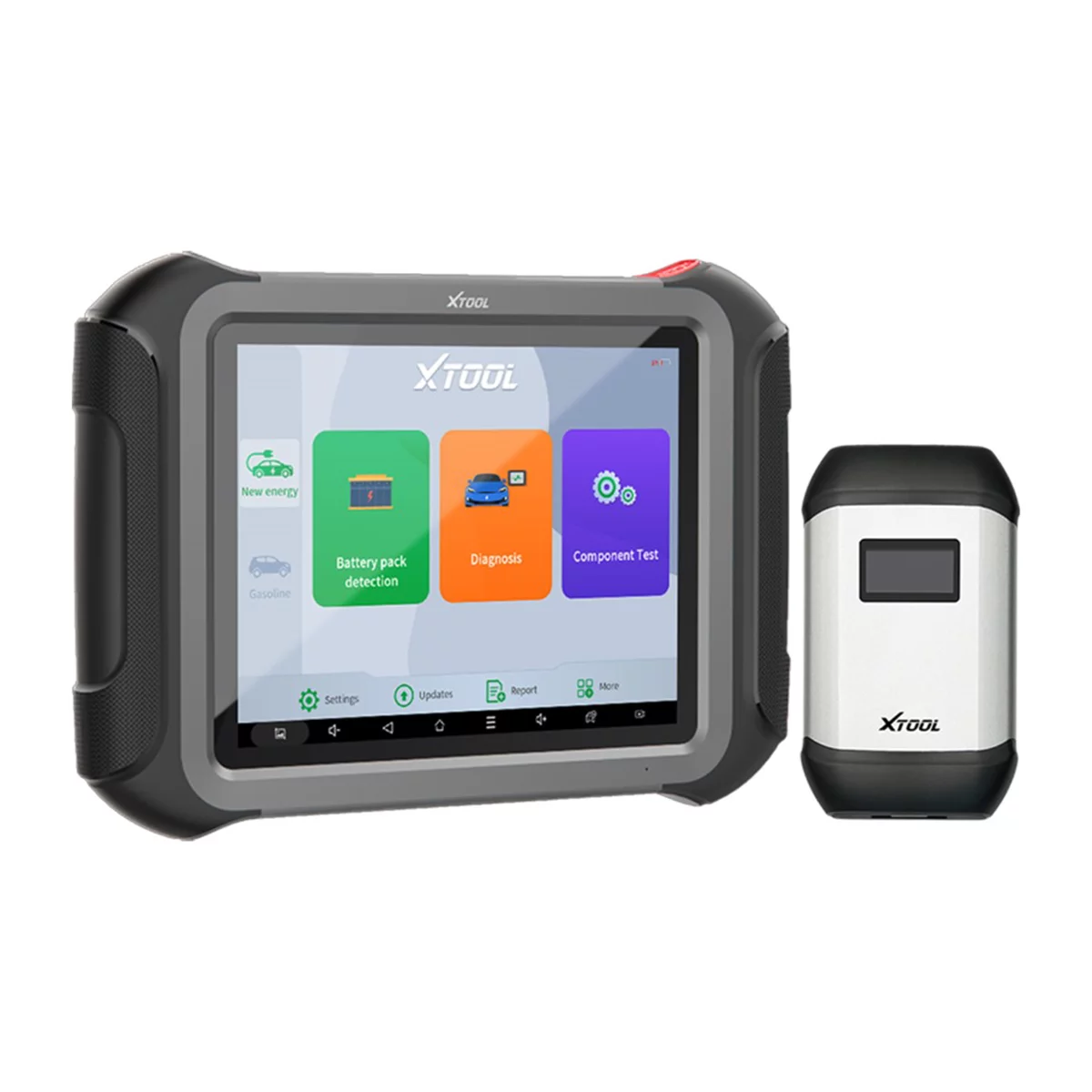
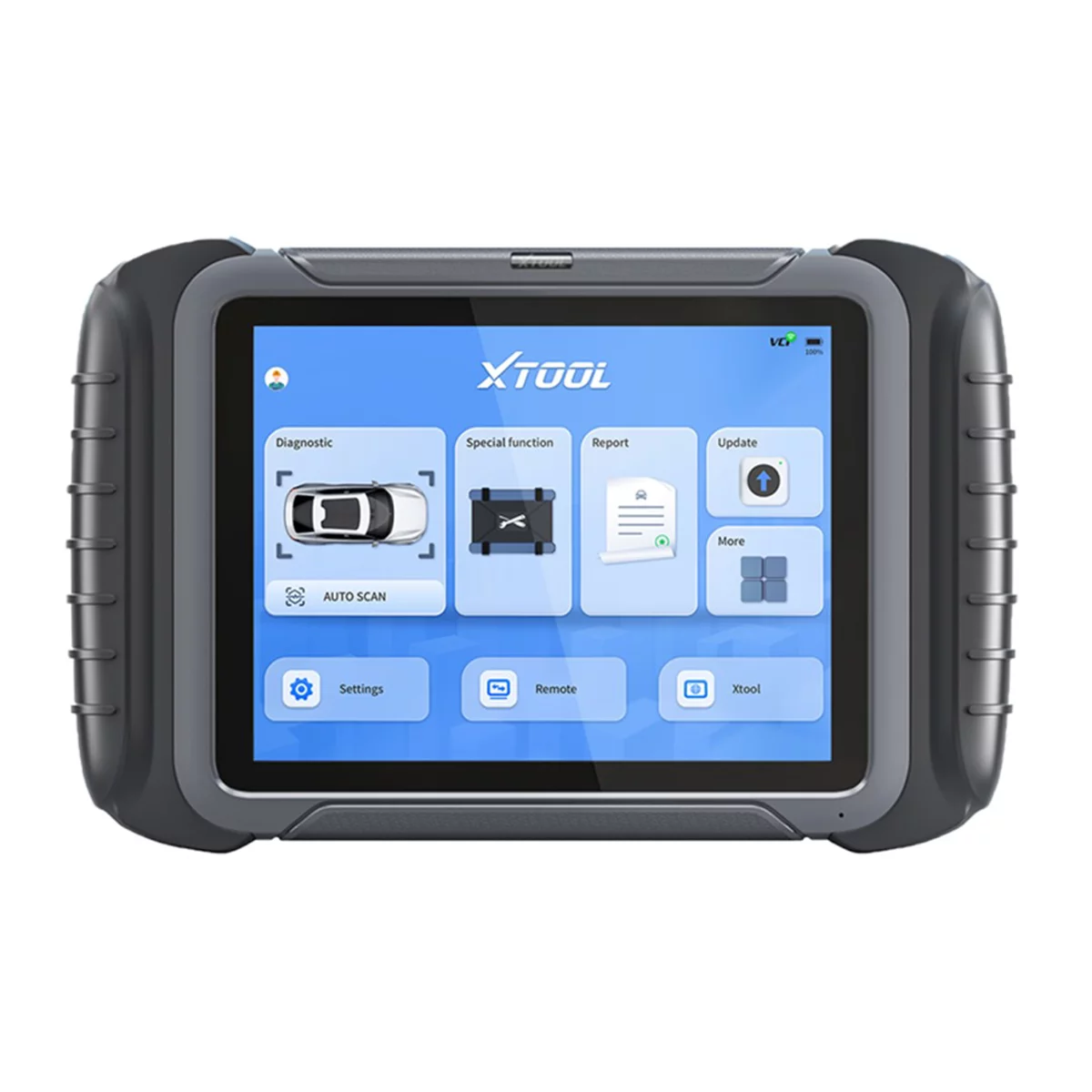
- Invest in your own diagnostic equipment. Without a dealer’s shared tool room, you need your own scan tool, scope, and basic lift or jack stands capable of handling the vehicles you plan to service.
- Be selective about the work you take. One of the biggest quality-of-life gains independent techs report is simply being able to turn down jobs they don’t want — no more forced decline avoidance or mandatory flushes.
- Build reviews deliberately. A strong online review count and rating directly drives word-of-mouth growth; ask every satisfied customer for a review.
If You’re Staying: Protect Your Flat Rate Hours
Not everyone wants to leave, and plenty of techs do very well staying put. If you’re committed to making flat rate work for you, focus on efficiency and documentation rather than fighting the system itself:
- Document diagnostic steps thoroughly on every warranty job — incomplete notes are the easiest excuse for an admin to cut your time.
- Push back through proper channels when warranty time is denied unfairly; a good warranty admin will fight for documented, justified claims.
- Organize your bay and cart so tool retrieval never eats into billable minutes — efficiency gains compound over a full flat rate day.
- Learn where “the money hides” on repetitive jobs — the fastest techs aren’t cutting corners, they’ve just eliminated wasted motion.
- Negotiate for a second lift or staging space so one complicated diagnostic car doesn’t stall your whole day.
Quick Decision Checklist
- Is warranty/diagnostic time being paid fairly and consistently at my shop?
- Am I getting enough appointment volume to actually hit my flat rate targets?
- Would a different dealer, brand, or independent shop fix most of my complaints?
- Do I have (or can I build) a customer base that could support independent work?
- Am I open to an adjacent trade (HVACR, fleet, electrical) if automotive flat rate never works for me?
- Do I have the tools, business structure, and savings cushion to make a transition without panic?
[PRODUCT_SEARCH:automotive technician tool sets and shop equipment]


VIM Tools VIM Display Can For Mchstation & 3 Magnetic Can Ho
Mfg: VIM Tools
Part #: MCHCAN-PK
Frequently Asked Questions
Is flat rate pay always worse than hourly for technicians?
No. Experienced, efficient techs on high-volume, well-run flat rate shops routinely out-earn hourly positions by a wide margin. The system penalizes diagnostic-heavy and warranty-heavy work specifically, not flat rate as a whole.
Why do skilled diagnostic techs sometimes make less than less-certified coworkers?
Shops often route hard, time-consuming diagnostic and warranty jobs to the techs who can actually solve them, while techs who avoid certification stay on fast, high-paying routine work. This “master tech trap” is a real and commonly reported pattern.
What’s the fastest way to tell if it’s my shop or the industry?
Compare warranty-time payout rates, appointment volume per tech, and management responsiveness against other shops in your area or brand. If those metrics are clearly worse than peers report elsewhere, the shop — not the trade — is likely the issue.
Do independent automotive businesses really need an LLC from day one?
It’s strongly recommended. Forming the entity before taking on paying customers protects personal assets and establishes legitimacy with insurers, suppliers, and customers from the start.
What adjacent trades do techs move into most often?
HVACR (especially commercial refrigeration and heating/cooling), diesel fleet maintenance, electrical work, and fleet or municipal mechanic roles are the most commonly reported transitions for techs leaving light-duty flat rate work.
Can I test independent work without quitting my dealership job?
Yes — many successful independent operations started as side work on evenings and weekends, scaling only once that income consistently matched or exceeded the day job.
Shop Diagnostic Tools
Reliable diagnostic equipment is central to flat rate success — it speeds up warranty troubleshooting, creates the documentation that protects your hours, and gives you credibility when going independent. Explore our Automotive Diagnostic Tools to find scan tools, scopes, and multimeters suited to your shop and career direction.
- Scan tools and code readers for warranty and customer-pay diagnostics
- Graphing multimeters for intermittent faults and electrical troubleshooting
- Equipment for dealership bays, independent shops, and mobile technicians

The Toolsource Technical Team blends decades of real-world automotive service experience with up-to-date technical research. Our writers collaborate with professional mechanics, shop owners, and diagnostic specialists to deliver practical, workshop-ready guidance you can trust.


Follow us on social media