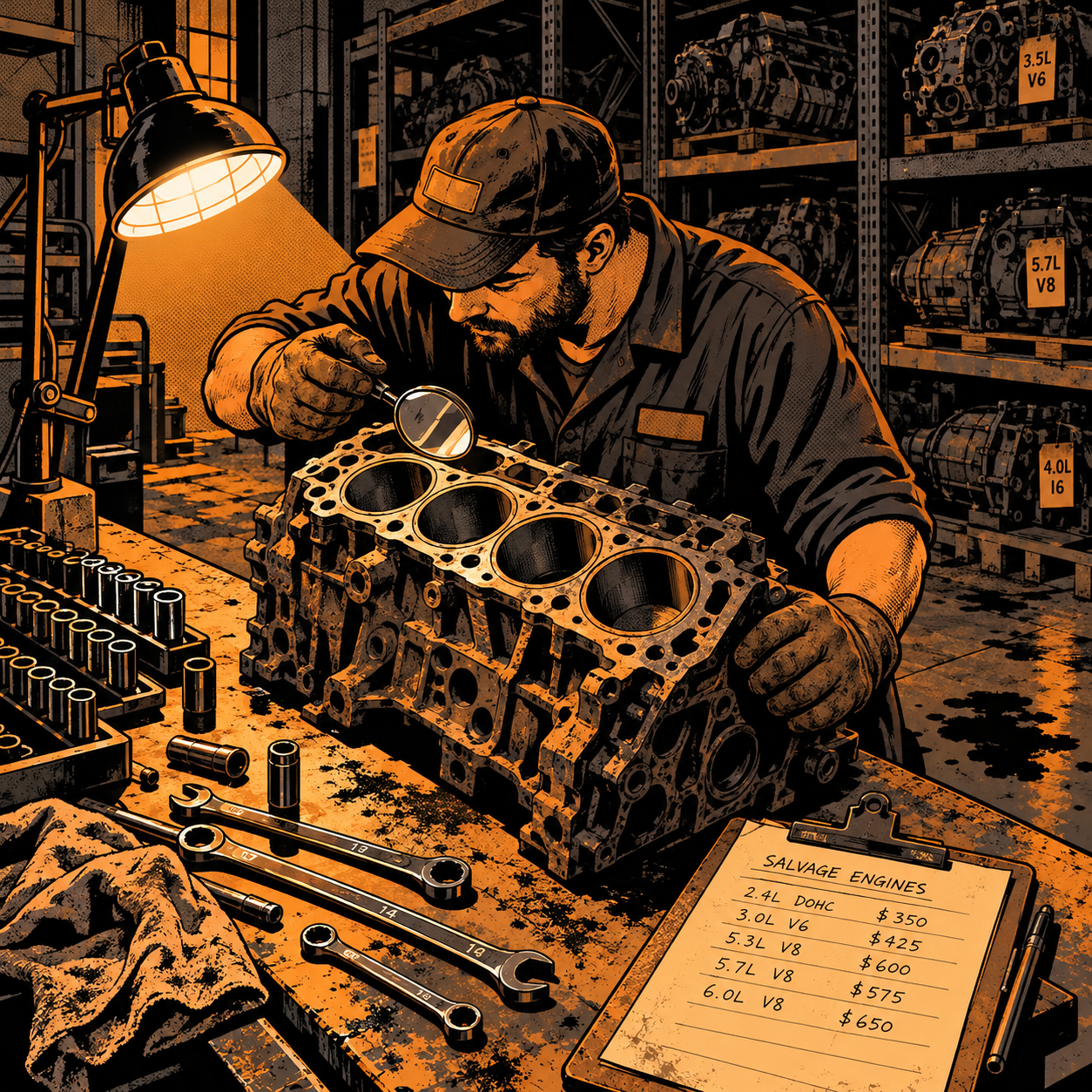
If you’ve pulled a part from a salvage yard in the last few years and walked out paying close to retail, you’re not imagining it. Consolidation, computerized inventory pricing, and tighter margins across the parts supply chain have changed what used to be a cheap, dirty-handed alternative to new parts. This guide covers how to evaluate a yard before you drive out, how to price a used part correctly, and when salvage stops making sense compared to new, rebuilt, or imported options.
Why Salvage Pricing Changed
Large multi-state salvage operators now run centralized inventory systems that price pulled parts against live online listings — eBay, RockAuto, and OEM dealer pricing — rather than against what the part is actually worth to pull and condition. That’s why a used instrument cluster or headlight assembly can come in at or above the price of a new aftermarket equivalent. Independent, family-run yards that still price by “what’s fair for a used part” are getting harder to find as larger chains acquire them and standardize pricing across the network.
On top of that, import-based alternatives got more expensive. Sourcing parts from overseas suppliers used to be a viable way to undercut domestic markups, especially for older or less common vehicles. Changes to low-value import exemptions mean small parts orders from overseas now carry duty and processing fees that didn’t exist a few years ago, which narrows the price gap that used to make that route worthwhile.
How to Evaluate a Yard Before You Drive Out
Not all salvage yards operate the same way anymore, and figuring out which model you’re dealing with before you make the trip saves time and gas.
- Call first and ask if it’s self-pull or counter-service. Many corporate-owned yards (LKQ and similar chains) have moved to a model where staff pull from inventory using a year/make/model lookup, and they won’t deviate from what the system says fits — even if you know a part from a different trim will physically work.
- Ask about core charges on non-core parts. Core charges are standard on starters, alternators, and water pumps, but some yards now apply them to trim pieces and plastic components that have no rebuildable core. Ask before you buy, not at the register.
- Ask about return policy and testing. Electrical parts, sensors, and anything with a motor should have at least a short return window. If a yard won’t offer any guarantee on a part you can’t test on-site, factor that risk into the price you’re willing to pay.

Price the Part Correctly Before You Buy
Treat a salvage part like any other procurement decision — compare total cost, not sticker price. Pull up the same part on eBay, RockAuto, and a dealer parts site on your phone while you’re standing at the counter. Add in the yard’s core charge, any environmental or disposal fee, and your own labor and drive time. If a used part with a 30-day window costs within $20-30 of a new aftermarket part with a full warranty, the new part is usually the better deal unless the OEM-only fitment or discontinued-part situation leaves you no choice.
For mechanical assemblies — engines, transmissions, transfer cases — get the yard to disclose mileage, and ask whether the donor vehicle was a running vehicle or an accident unit pulled from a non-running car. A yard that can’t or won’t answer that is a yard where you’re buying blind.
Know When Salvage Isn’t the Right Call
Some components are worth buying used; others aren’t, and the distinction usually comes down to whether failure is wear-related or design-related.
A used water pump is a reasonable buy only when the failure mode on that engine is something external to the pump body — a seal or bearing that can be inspected or rebuilt — not when the original pump failed from a design flaw that will likely recur. If a platform is known for pump, timing chain, or oil pump issues, a salvage part carries the same latent risk the donor vehicle had, and you have no way to know how many miles were left before it failed. In these cases, a new or remanufactured unit with a warranty is cheaper in the long run than chasing a comeback.
Engines and transmissions are the clearest case for comparing total cost against a quality remanufactured unit. Salvage engine prices for mid-size SUVs and trucks have climbed into the same range as a reman unit with a warranty, and a reman purchase gives you a documented core process and a failure guarantee a salvage pull never will.
Protect Yourself on Used Electrical and Sensor Parts
Instrument clusters, body control modules, and sensors are where the pricing gap has narrowed the most — new aftermarket or OEM reman units are frequently priced close to, or cheaper than, a used salvage equivalent once you include programming time. Before paying for a used electronic component:
- Confirm whether the part needs VIN-specific programming or flashing, and whether that service is included or billed separately.
- Ask if the yard bench-tests electrical components before sale, and get that in writing if there’s an added “tested” fee.
- Check whether the component is still available new — many are, at a price close enough to used that the warranty makes new the smarter buy.
Build a Multi-Source Parts Strategy
Relying on one yard or one supplier leaves you stuck when prices or availability don’t work. A reliable sourcing order for most jobs looks like: check new aftermarket pricing first for a baseline, check OEM reman/exchange programs for mechanical assemblies, then shop salvage only for body panels, trim, and glass where fit and finish matter more than internal wear — and where a used part genuinely beats new pricing. For independent yards that still price fairly, build a relationship; a yard that knows you’re a repeat customer is more likely to negotiate on bundled pulls or waive a core charge on a low-dollar part.
Quick salvage-buying checklist:
- Call ahead — confirm self-pull vs. counter-service and core charge policy
- Price-check the part on at least two online sources before paying
- Ask for donor vehicle mileage and condition on mechanical assemblies
- Confirm return window and whether electrical parts are bench-tested
- Factor in programming/flashing cost for modules and clusters
- Compare total cost against a new or reman part with warranty before committing
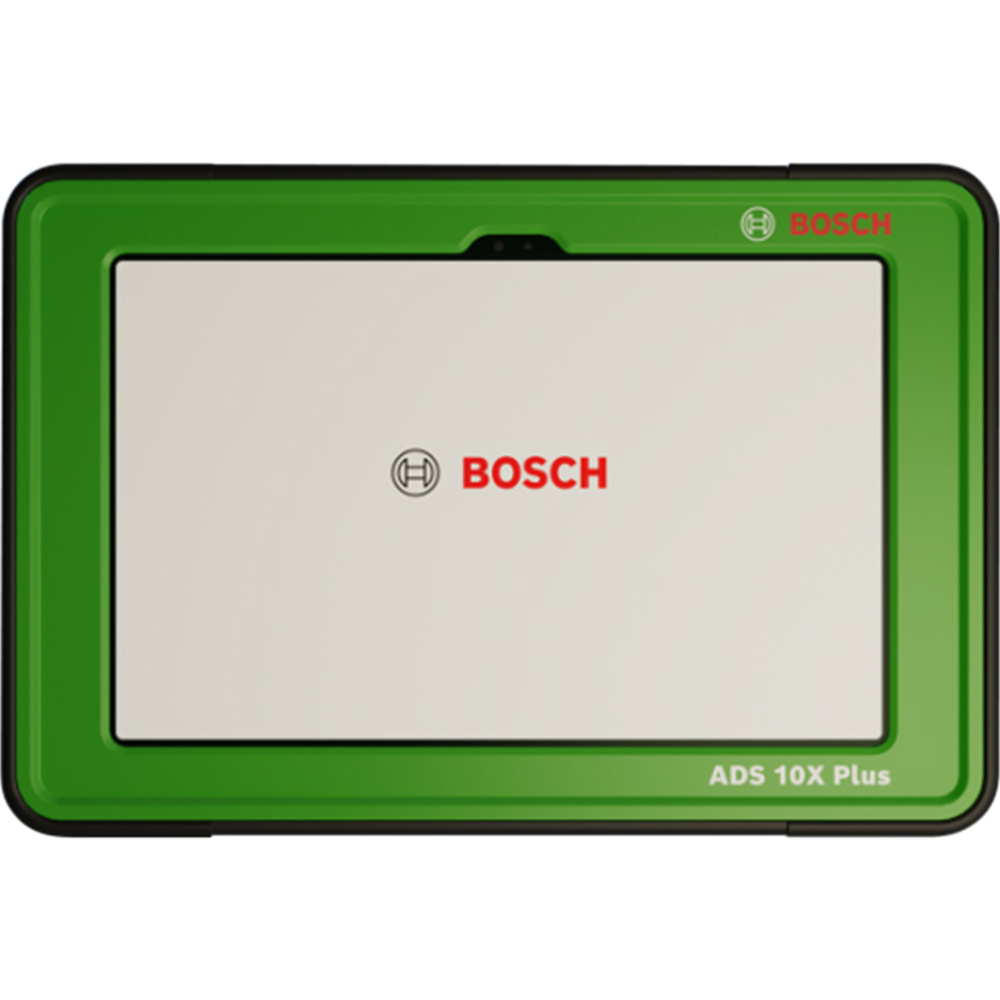
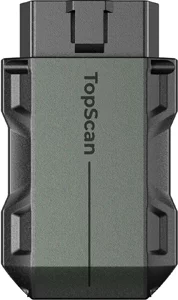
Pocket-Size Bluetooth Scan Tool w/Bi-Directional Controls
Mfg: TOPDON
Part #: TOPSCANPRO

Frequently Asked Questions
Are junkyard parts still cheaper than new parts?
Sometimes, but not reliably anymore, especially at large corporate-owned yards. Body panels, glass, and trim are usually still a discount over new. Electrical components, engines, and transmissions have often closed the price gap once you factor in core charges and lack of warranty.
Why am I being charged a core charge on a plastic trim piece?
Core charges are meant for rebuildable parts like starters and alternators. Some yards apply them broadly as a deposit-style fee regardless of whether the part has a rebuildable core. Ask before purchase and push back if it doesn’t apply.
Should I buy a used engine or a remanufactured one?
Compare price plus warranty. If a salvage engine’s price is within a few hundred dollars of a reman unit with a warranty, the reman unit is usually the lower-risk choice, especially on platforms with known internal wear issues.
How do I know if a yard is independent or part of a large chain?
Ask directly, or check if pricing is pulled from a computer system tied to year/make/model lookups rather than set by the counter staff. Chain-owned yards typically can’t deviate from system pricing or cross-fit parts across trim levels even when they’d work.
Is importing parts from overseas still worth it after de minimis changes?
It can still make sense for rare or discontinued parts with no domestic equivalent, but added duty and processing fees have shrunk the savings on small, low-dollar orders. Run the math including fees before assuming it’s cheaper than a domestic reman or aftermarket option.
Can I still self-pull parts at salvage yards?
Some independent yards still allow it, but many large chains have shifted to staff-only pulls tied to inventory systems. Call ahead to confirm before planning a trip around it.
Verify Used Parts Before You Buy
When evaluating salvage parts—especially electrical and sensor components—having the right tools on hand makes all the difference. Explore our Automotive Diagnostic Tools to find scanners, testers, and inspection equipment that help you bench-test parts and catch issues before committing to a purchase.
- OBD-II scanners and code readers for verifying electrical and module function
- Circuit testers and multimeters for bench-testing sensors and wiring integrity
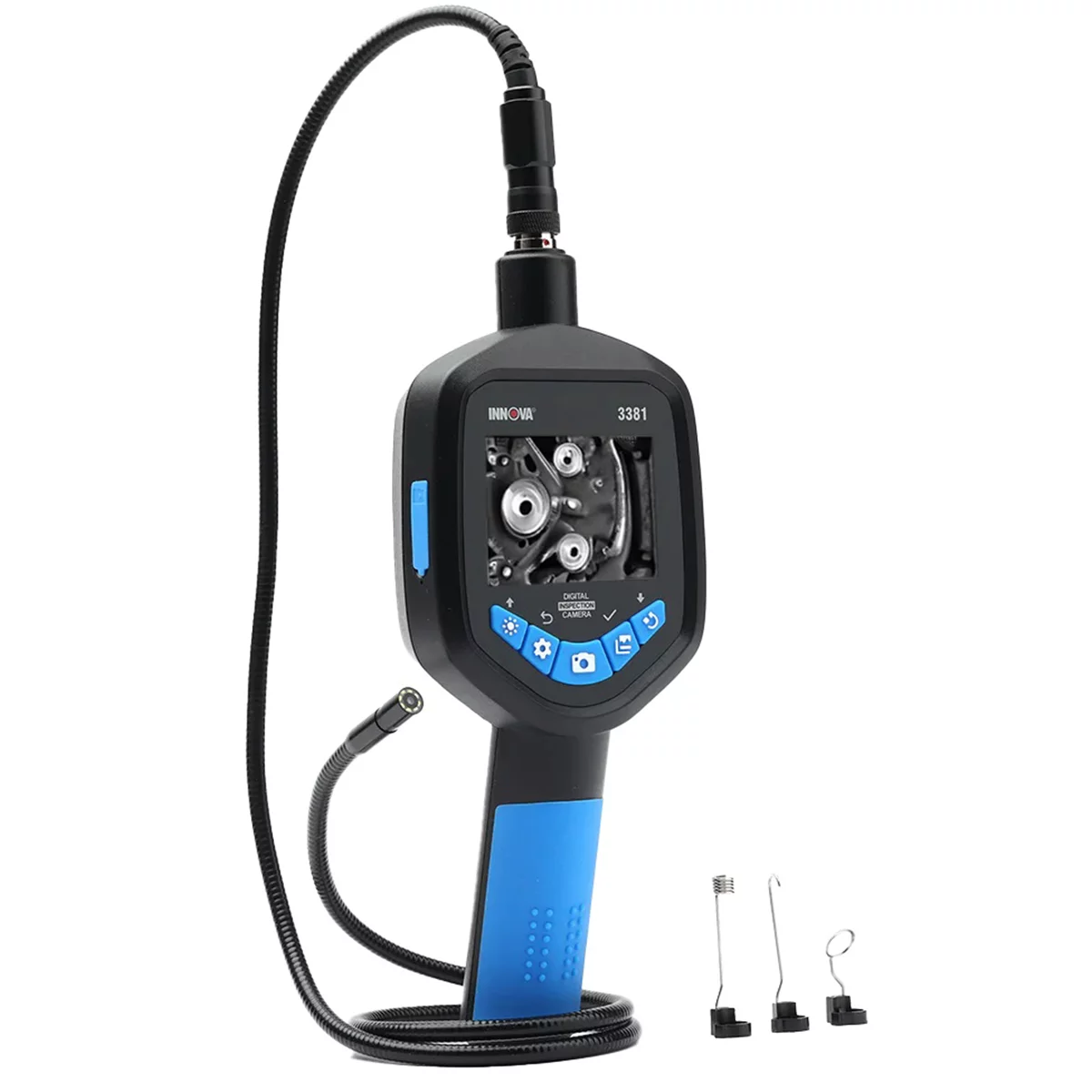
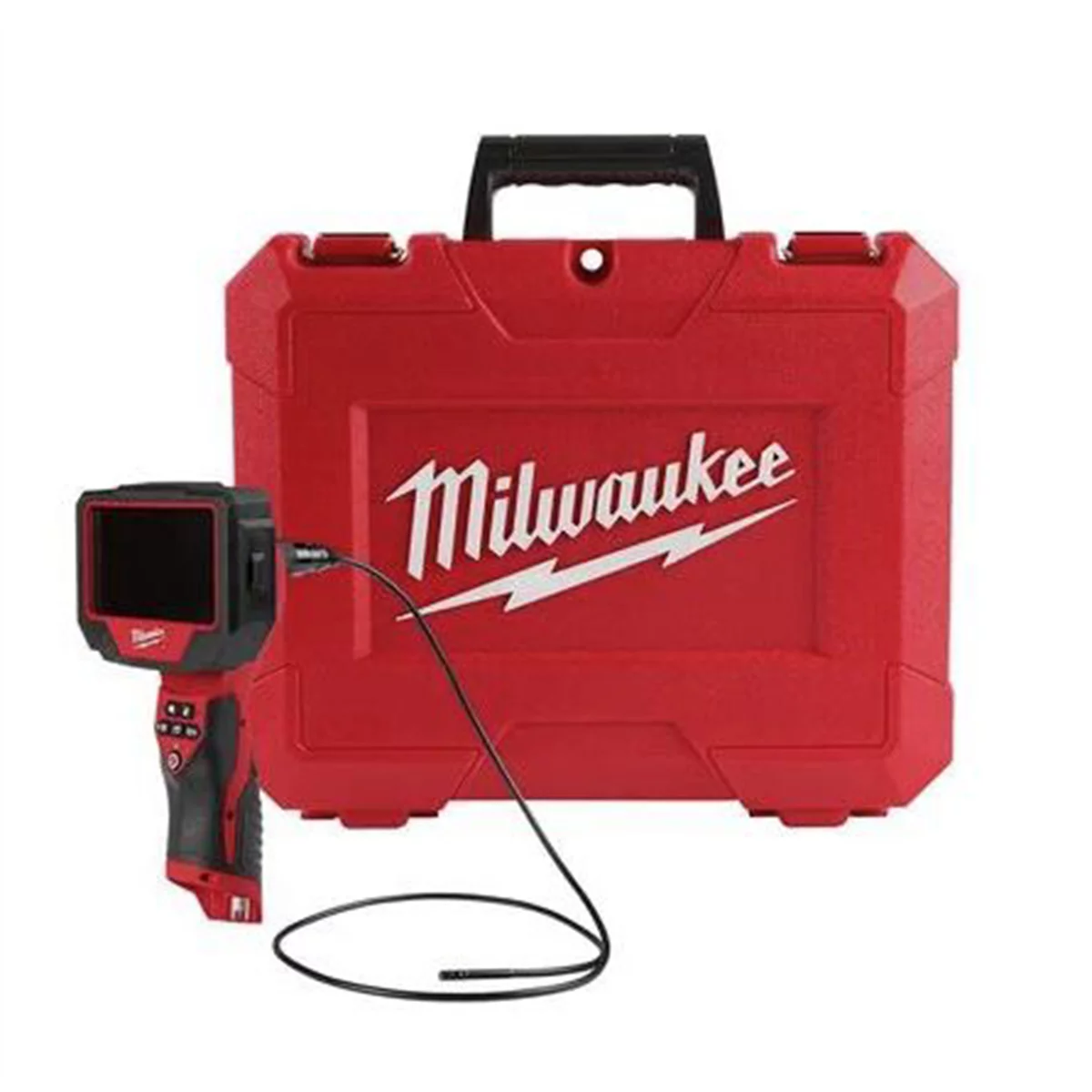
- Inspection cameras for checking mechanical condition of engines and assemblies

The Toolsource Technical Team blends decades of real-world automotive service experience with up-to-date technical research. Our writers collaborate with professional mechanics, shop owners, and diagnostic specialists to deliver practical, workshop-ready guidance you can trust.


Follow us on social media