Few things generate more customer phone calls than “it doesn’t sound right anymore.” Online debates about which V8 sounds best — flat-plane screamers, cammed big-blocks, Yamaha-built sixes shaped like eights — all boil down to the same handful of mechanical variables technicians deal with every day: crank geometry, cam timing, and exhaust architecture. Understanding those variables isn’t just trivia for enthusiasts; it’s the difference between correctly diagnosing a real problem and chasing a “fix” for an engine that’s simply doing what it was designed to do. This guide walks through the practical side of V8 sound diagnosis, from baseline expectations to isolating an actual fault.
Crank Design Sets the Baseline Sound

Before touching a wrench, confirm what the engine is supposed to sound like. The single biggest factor in V8 character is crankshaft geometry — cross-plane versus flat-plane.
- Cross-plane cranks (most domestic V8s, from small-block Chevys to modern Coyotes) produce uneven exhaust pulse spacing, which gives that choppy, pulsing idle customers associate with “classic” V8 rumble.
- Flat-plane cranks (GT350 Voodoo, Ferrari-style engines, F1-derived units) space pulses evenly, producing a smoother, higher-pitched, more “mechanical” tone that some customers describe as harsh or barky rather than lumpy.
Practical step: pull the engine’s factory sound profile (OEM service bulletins, dealer reference clips, or a known-good comparison vehicle) before assuming a rough-sounding idle is abnormal. A flat-plane V8 idling smoothly can sound “off” to someone used to a cross-plane engine, and that’s not a fault — it’s geometry.
Camshaft Profile and Idle Quality

Once crank type is accounted for, camshaft overlap is the next variable. Aggressive overlap on a performance cam creates the deep, uneven “lope” people associate with a hot big-block — pauses in the idle rhythm that can sound like a stumble to an untrained ear but are actually normal for that cam grind.
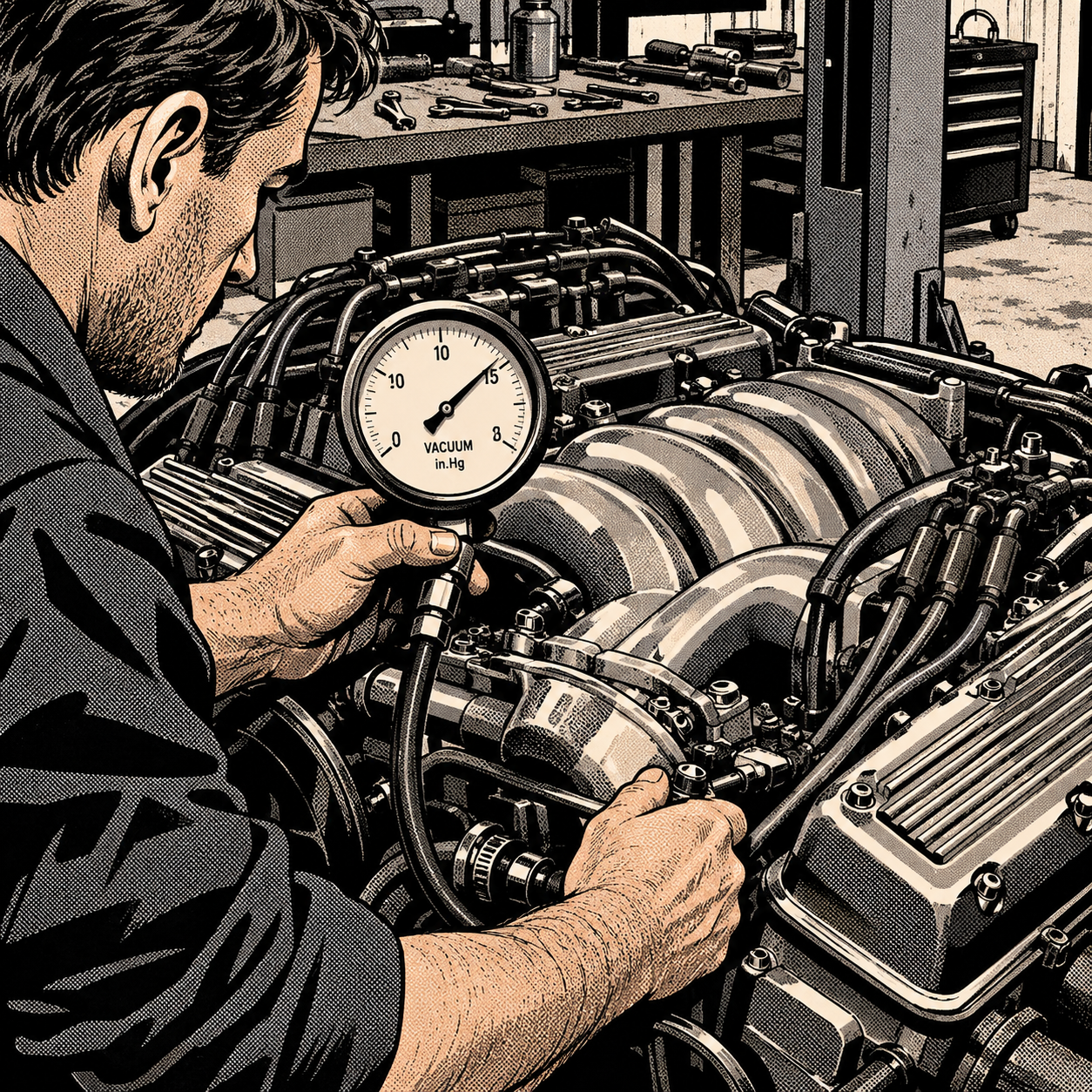
- Pull a baseline idle vacuum reading. A performance cam will show lower, fluctuating vacuum that’s still rhythmic and repeatable.
- Compare the pattern across multiple cold starts. A true problem (vacuum leak, misfire, exhaust leak) tends to be inconsistent from start to start; a cam-driven lope is consistent every time.
- Check for stored codes and misfire counters before condemning the sound itself. An irregular idle with no codes and consistent vacuum is very likely just the cam doing its job.
- If the customer reports a recent change in a previously smooth idle, treat it as a fault investigation — crank and cam design don’t change on their own.
Recommended Tools
Sound diagnosis requires systematic testing with reliable diagnostic equipment. Accurate vacuum readings, code scanning, and compression testing are essential when troubleshooting engine noise. Find what you need in our automotive diagnostic tools selection.
- Vacuum gauges and leak detectors for baseline readings
- OBD-II code readers and scanners to check for faults
- Compression testers and specialized diagnostic equipment
Diagnostic Tools for V8 Engine Analysis
Now that you understand what makes V8s sound unique, explore our comprehensive lineup of diagnostic tools to identify engine issues yourself. These tools help technicians and enthusiasts pinpoint problems with precision and confidence.
- Compression Testers – Evaluate cylinder health and performance variations across all eight cylinders
- Timing Lights – Diagnose valve timing issues that directly affect engine note and performance
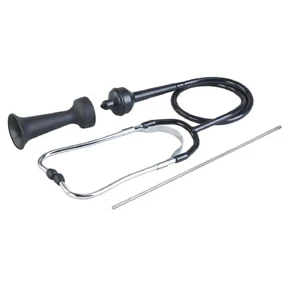
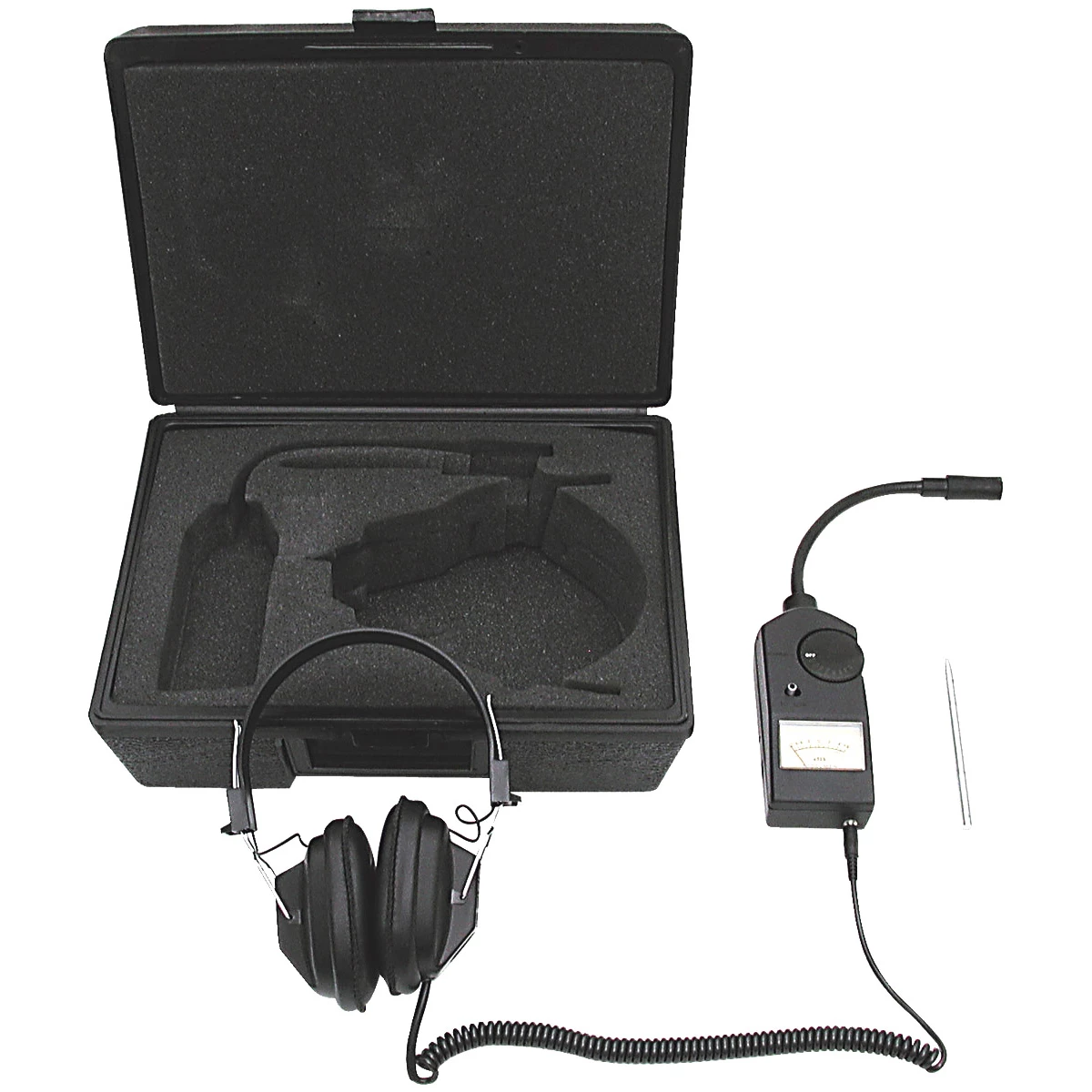
- Engine Stethoscopes & Listening Devices – Acoustically detect mechanical problems like bearing wear and valve issues

The Toolsource Technical Team blends decades of real-world automotive service experience with up-to-date technical research. Our writers collaborate with professional mechanics, shop owners, and diagnostic specialists to deliver practical, workshop-ready guidance you can trust.


Follow us on social media