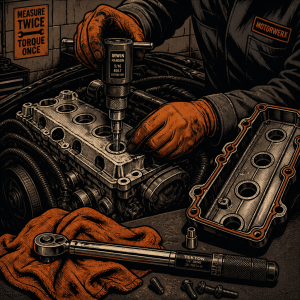
Broken Valve Cover Bolt: Safe Temporary Fixes and Proper Repair Steps
A snapped valve cover bolt is a common shop and driveway problem that usually causes only a slow oil seep, not a breakdown. This guide walks through safe temporary measures, proper bolt extraction, and how to decide whether the gasket needs to come out too.
Flat Rate, Efficiency Scores, and Diagnostic Time: How Technicians Can Protect Their Pay
Efficiency percentages and flat-rate pay can turn a legitimate multi-hour CAN-bus diagnosis into a fight with management. Here’s how experienced techs document their time, use the right tools, and recognize when it’s an employer problem rather than a performance problem.
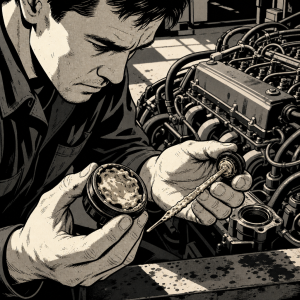
Diagnosing a Blown Head Gasket (HG): A Technician’s Step-by-Step Guide
Overheating, milky oil, and mysterious coolant loss all point to one dreaded culprit: a blown head gasket. This guide walks technicians through a systematic diagnostic process, from visual checks to chemical block testing and compression verification.
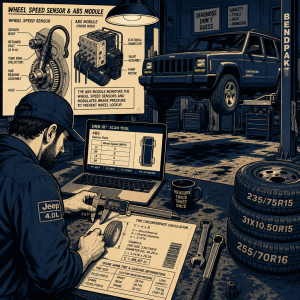
What Happens When Your Dealership Installs the Wrong Tire Size? A Technician’s Guide
When a dealership installs tires larger than factory spec—like 255/65R17 instead of 225/65R17—it creates measurable impacts on speedometer readings, odometer accuracy, and potentially your warranty. This guide breaks down the math, the risks, and the recalibration options every technician should know.
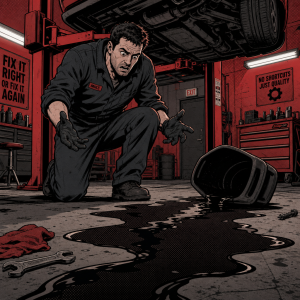
What to Do When Your Shop Spills Oil During an Oil Change
Oil filter installation errors can dump 3-5 quarts of engine oil in under 30 seconds, creating extensive cleanup challenges and potential fire hazards. While brief oil loss rarely causes immediate engine damage, improper cleanup of soaked insulation and heat shields poses serious risks that require thorough inspection and documentation.
How to Name Your Shop Cat After Auto Parts: A Technician’s Guide
Finding a stray cat in your shop is a technician rite of passage. Instead of generic pet names, many mechanics honor their four-legged mascots with automotive-inspired monikers. This guide walks you through choosing the perfect part-based name for your new shop companion.
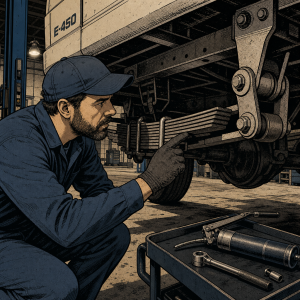
Why Your E-450/F-450 Rides Stiff After a Shackle Replacement (And How to Diagnose It Right)
Customers often assume a shackle job means “new springs,” then complain the ride got worse. This guide walks technicians through verifying what was actually replaced, checking installation orientation, and using load testing to separate a real defect from normal heavy-duty spring behavior.
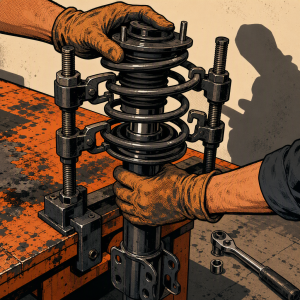
Backyard Strut Jobs Gone Wrong: A Technician’s Guide to Spotting a Hack Repair Before It Kills Someone
A photo of a welded-on strut top plate, a cross-threaded castle nut, and a socket left on a fastener went viral for good reason — it’s a checklist of everything not to do. Here’s how to spot a prior hack repair, why gas-charged struts should never be welded, and how to put a suspension job back together correctly.
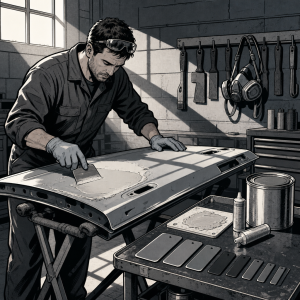
Body Filler Spreader Safety: A PPE Guide for Auto Body Techs
Body filler work looks simple until the resin, hardener, and dust start working against your skin, eyes, and lungs. This guide covers the PPE and technique choices that keep spreader work safe, clean, and repeatable on a busy shop floor.
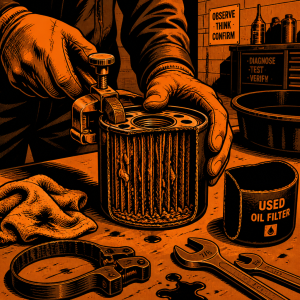
PTFE Oil Additives Like Slick 50: What Techs Should Actually Tell Customers
PTFE-based oil treatments like Slick 50 generate strong opinions in every shop, backed mostly by single-engine anecdotes rather than controlled data. This guide breaks down what the additive actually does, where the FTC landed on the marketing claims, and what to tell customers who ask about it.


Follow us on social media