Few products spark as much shop-floor debate as PTFE-based oil treatments, with Slick 50 being the best-known example. Ask ten technicians whether it works and you’ll get ten different answers, usually backed by a single memorable engine rather than any controlled comparison. This post separates the documented regulatory history from the anecdotal evidence, explains where PTFE additives actually might do something, and lays out what to tell a customer standing at your counter holding a bottle.
What PTFE Oil Additives Claim to Do
The pitch behind PTFE (polytetrafluoroethylene, the same polymer used in non-stick cookware) oil treatments is that microscopic PTFE particles suspended in the oil bond to metal surfaces inside the engine, leaving a slick coating on cylinder walls, bearings, and rings. The marketing promise is reduced friction, better fuel economy, and — critically — some degree of protection if the engine loses oil pressure entirely.
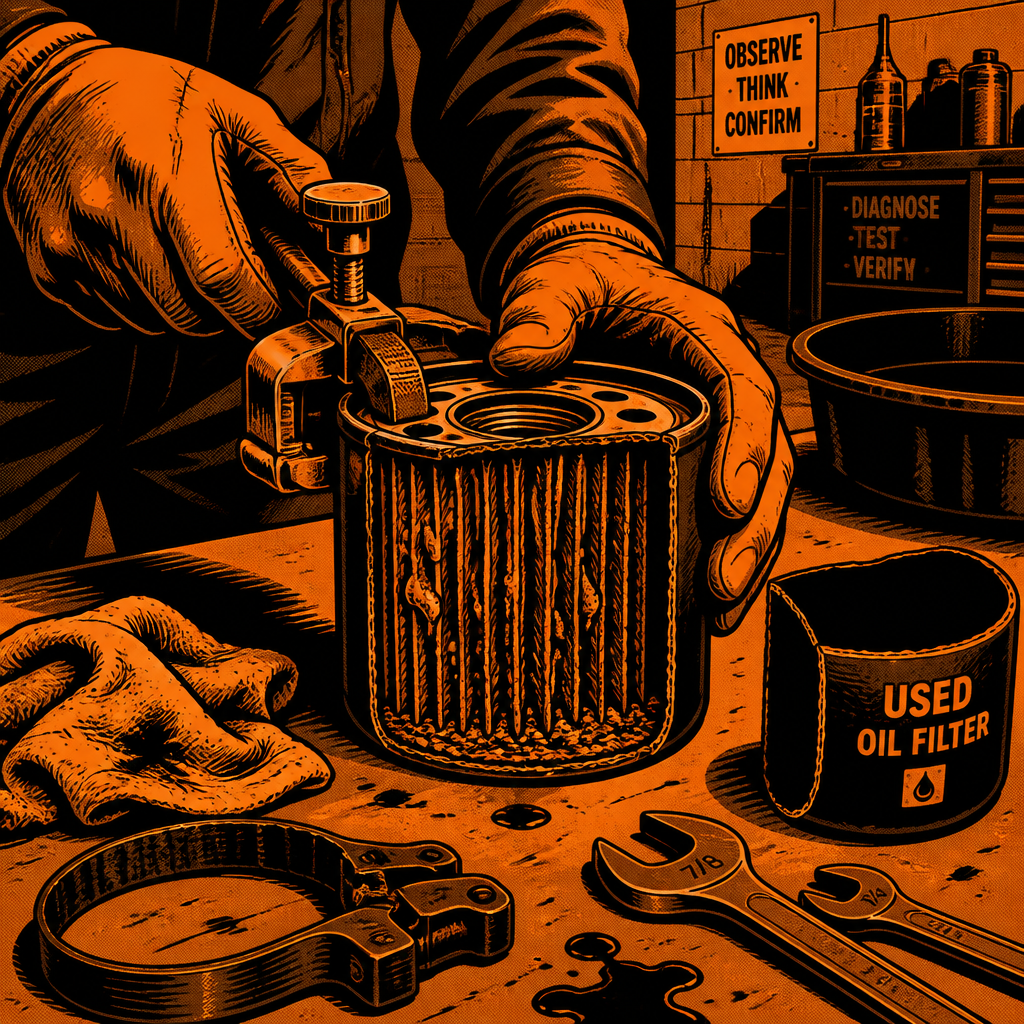
In practice, PTFE particles are too large to stay suspended in oil under normal shear and heat conditions. Instead of forming a uniform coating, they tend to settle out, clump, or get filtered out by the oil filter media. Technicians who’ve cut open filters after PTFE treatment commonly report a waxy buildup in the filter pleats, which is the additive being caught rather than plated onto bearings as advertised.
The FTC Case and Why “Snake Oil” Stuck
This isn’t just internet skepticism. In 1997, the Federal Trade Commission charged Slick 50’s parent company with deceptive advertising, finding that the engine-protection and fuel-saving claims in its marketing were significantly overstated relative to what independent testing supported. That enforcement action is the reason “Slick 50” and “snake oil” get used interchangeably in most shop conversations today, and it’s worth citing directly when a customer pushes back with “but I saw a commercial.”
DuPont, which owns the Teflon trademark, and Teflon’s original developers have also publicly stated that PTFE was never intended or engineered to function as a suspended engine-oil additive, and that the friction-reduction mechanism marketed by these products doesn’t hold up to how PTFE actually behaves in a lubricant system.
{{PRODUCT_SEARCH:oil filter cutter tool}}

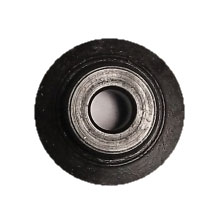
Replacement Blade for AT3391 Oil Filter Cutter
Mfg: K-Line Industries
Part #: AT50102G
Where the Anecdotes Come From: Emergency Low-Pressure Survival
The most consistent positive stories aren’t about everyday performance — they’re about engines that lost oil pressure entirely (a broken pickup tube, a sheared oil pump drive gear, a blown oil line) and were driven some distance afterward without catastrophic bearing failure. Owners in these situations often credit the PTFE treatment with saving the engine.
Two things matter here for a technician evaluating that claim. First, it’s an uncontrolled, single-engine event — there’s no matched comparison of the same engine, same failure, same mileage without the additive. Second, even in these accounts, the engines weren’t undamaged: oil analysis after the fact (when it was actually pulled) tends to show elevated lead, copper, and iron in the next oil sample, indicating the bearings did take wear even though the engine survived. Survival isn’t the same as zero damage. If a customer wants to run this test on their own vehicle as insurance against a future low-pressure event, that’s their call, but it shouldn’t be framed as a substitute for fixing an oil pressure problem or as routine protection.
Wet Clutch and Motorcycle/Powersport Warnings
This is the one place where guidance should be unambiguous: do not use PTFE-based oil treatments, or any friction-modifying additive package, in a motorcycle, ATV, or any vehicle with a wet clutch that shares oil between the engine and transmission. Anti-friction additives reduce the clutch plates’ ability to grip, causing slippage under load. This is exactly why motorcycle-specific oils are formulated without the friction modifiers found in typical passenger-car engine oil (look for the JASO MA/MA2 rating). If a bike or ATV has already had a conventional car oil or a friction-modified additive run through it, a full flush before the next fill is a reasonable precaution, and sourcing an additive-free oil going forward avoids the problem entirely.
Time vs. Mileage: Setting a Realistic Oil-Change Interval
A recurring point worth passing on to customers regardless of what additive they’re considering: mileage-based intervals can be misleading for vehicles that see a lot of idling or low-speed, stop-and-go driving. An engine that averages 25–30 mph in traffic accumulates heat cycles and combustion byproducts differently than one that averages 60 mph on the highway, even at the same odometer mileage. Engine run-hours are the more accurate wear metric, which is why most engine control modules have tracked run-hours internally for the last two decades — though that data typically isn’t accessible without a scan tool. As a rule of thumb, running an oil change every 100–150 hours of engine run time (not just mileage) covers most daily-driver and fleet use cases, and many modern vehicles’ oil-life monitors already factor in both time and hours rather than mileage alone. If a vehicle displays an oil-life percentage, servicing it in the 20–30% remaining window is a reasonable, non-additive-dependent maintenance target.
What to Recommend Instead
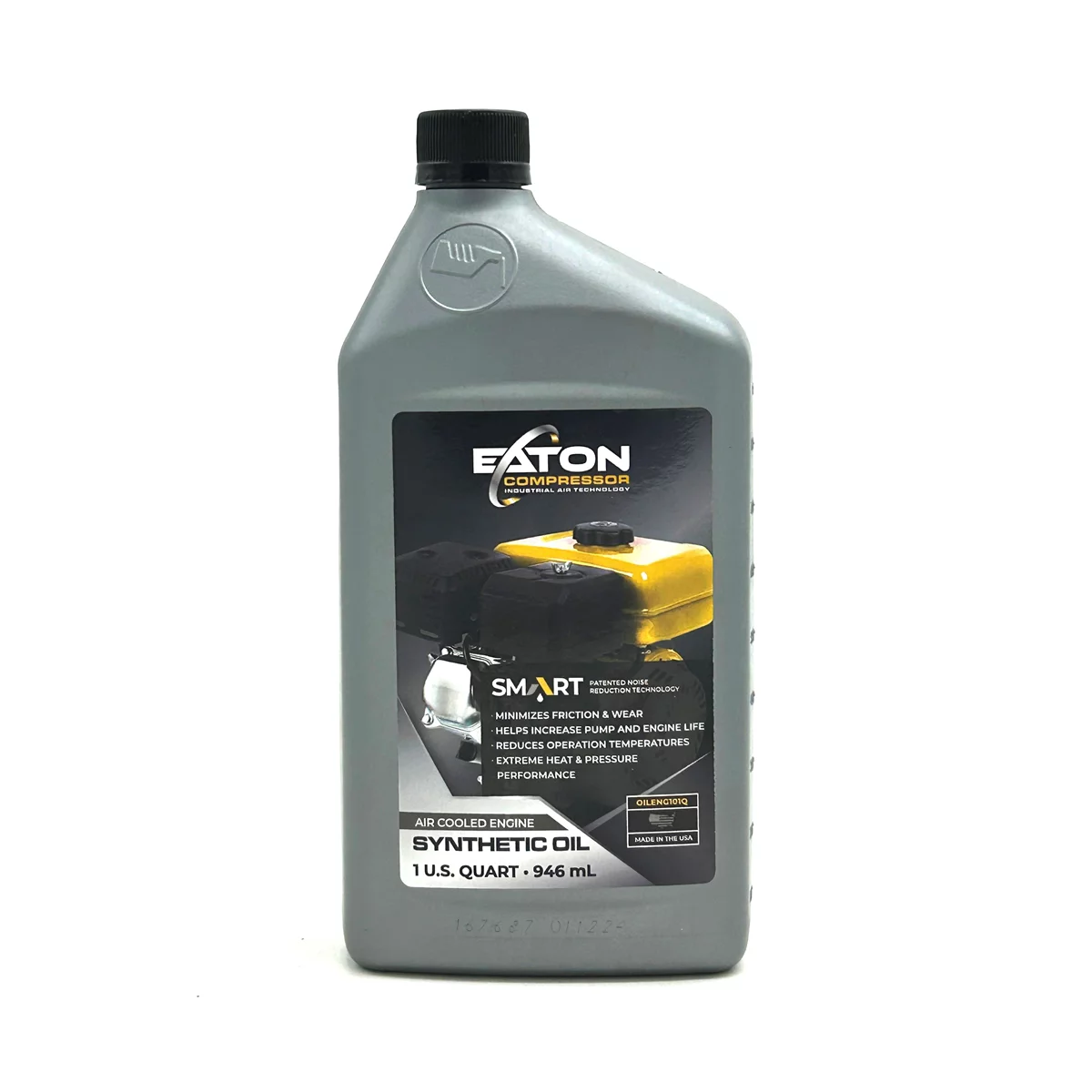
For routine protection, a technician’s toolkit doesn’t need PTFE. A quality full-synthetic oil in the OEM-specified viscosity, changed on a hours-and-mileage-aware interval, does more for long-term engine health than any aftermarket friction modifier. For customers specifically worried about a low-oil-pressure worst-case (older vehicles, high-mileage engines with known oil pump wear, or off-road use where a line could get pinched or torn), the better investment is fixing the root cause — inspecting the oil pump pickup, oil pressure sending unit, and lines — plus adding an oil pressure warning light or gauge with a low threshold so the driver knows to stop immediately rather than continuing to drive on a failing system.
{{PRODUCT_SEARCH:full synthetic motor oil}}
Quick Reference Checklist
- Never use PTFE or friction-modified additives in a wet-clutch motorcycle, ATV, or shared-fluid transmission.
- Don’t rely on PTFE treatments as a substitute for diagnosing an oil pressure problem — fix the pump, pickup, or line first.
- Base oil-change intervals on engine run-hours and driving conditions, not mileage alone, for stop-and-go or heavy-idle vehicles.
- If a customer insists on using a PTFE product, cut the old filter open at the next change and check for waxy buildup.
- Pull an oil sample for analysis after any low-oil-pressure event, regardless of what additive was used, to check actual bearing wear.
- Default recommendation for routine protection: quality full-synthetic oil on a proper interval, not an aftermarket additive.
FAQs
Does Slick 50 or similar PTFE additive actually damage a healthy engine?
Not typically in normal use, but it can clog oil filter media over time and doesn’t deliver the friction-reduction or protection claims made in its original marketing, per the 1997 FTC finding against its manufacturer.
Is it ever safe to use in a car with high mileage?
There’s no solid evidence it provides meaningful benefit even in older engines. If an older engine has a specific wear issue, that’s a mechanical problem to diagnose and repair, not something an additive resolves.
Why do some people swear it saved their engine after an oil pressure loss?
These are uncontrolled, single-vehicle events. The engines that “survived” typically still showed elevated wear metals on the next oil analysis, meaning damage occurred even though the engine kept running. There’s no comparison engine run the same way without the additive to confirm it made the difference.
Can I use PTFE oil treatment in my motorcycle?
No, not if it has a wet clutch. Friction-modifying additives can cause clutch slippage. Use a motorcycle-specific oil rated JASO MA/MA2 instead.
How do I know if my customer’s driving pattern needs shorter oil-change intervals?
Ask about average speed and idle time rather than just annual mileage. Heavy stop-and-go or extended idling justifies a run-hours-based interval (roughly every 100–150 hours) rather than a flat mileage number.
Is there any legitimate lab data supporting PTFE-in-oil claims?
Independent testing and statements from DuPont and Teflon’s developers have consistently not supported the suspended-PTFE friction-reduction mechanism as marketed. The FTC’s 1997 action against Slick 50’s manufacturer for deceptive advertising is the clearest documented outcome available.
Shop Quality Oils & Lubricants
The best engine protection is a quality oil changed at proper intervals, not aftermarket additives. Our Oil & Lubricants selection covers full-synthetic motor oils, transmission fluids, and specialty lubricants for every service need.
- Full-synthetic, synthetic-blend, and conventional motor oils in all common grades
- Transmission fluids and gear oils for different powertrains
- Specialty additives and lubricants for targeted performance

The Toolsource Technical Team blends decades of real-world automotive service experience with up-to-date technical research. Our writers collaborate with professional mechanics, shop owners, and diagnostic specialists to deliver practical, workshop-ready guidance you can trust.


Follow us on social media