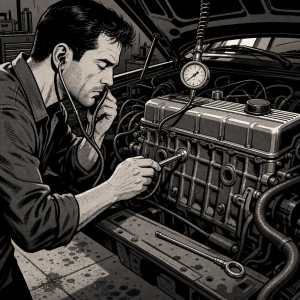
Rod Knock or Piston Slap? A Technician’s Guide to Diagnosing Low-Oil Engine Failure
When a customer’s engine starts knocking, the diagnosis matters as much as the noise itself. This guide walks technicians through separating rod knock from piston slap and top-end noise, running oil pressure and consumption checks, and building the documentation customers need for warranty claims on known defective engines.
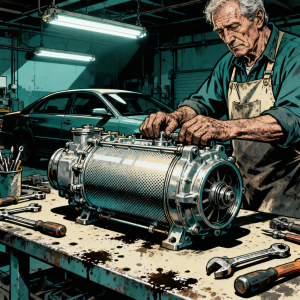
AC Compressor Replacement: Real Costs & How to Avoid Scams
AC compressor replacement costs $2,000-4,000 for most residential systems, but many “failed compressor” diagnoses are actually misidentified $15 capacitor failures. This guide breaks down legitimate pricing, exposes common HVAC scams, and helps you verify actual compressor failure versus misdiagnosis before spending thousands on repairs.
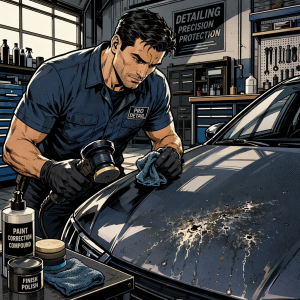
How Bird Droppings Damage Car Paint: Prevention and Repair Guide for Technicians
Bird droppings contain uric acid that rapidly etches through clear coat and paint, often causing permanent damage within 24-48 hours. This guide explains the chemistry, timelines, and proper removal techniques.
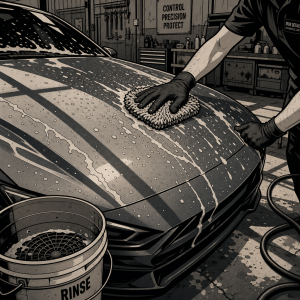
Why Your Car Wash Leaves Streaks and Residue — And How to Fix Your Technique
If your car wash leaves behind hazy streaks or soapy residue, the culprit is almost always sun exposure and slow technique, not necessarily the soap itself. Here’s the panel-by-panel process, timing, and drying method that actually prevents it.
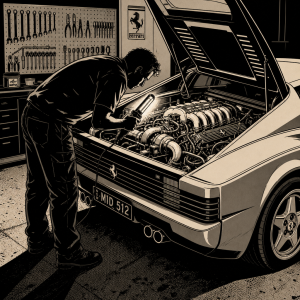
Servicing “Ferrari” Body Kit Cars: A Shop Guide to Toyota MR2 Replicas
Sooner or later a “Ferrari” rolls into your bay that’s actually a Toyota MR2 wearing an F355-style body kit. Here’s how to verify what you’re really working on, service it without damaging the kit, and flag the issues that come with replica bodywork.
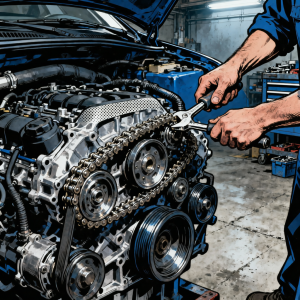
Timing Belt Replacement: DIY or Pro?
Timing belt replacement demands precision and carries catastrophic risks on interference engines. This guide breaks down DIY feasibility, professional service costs, and the age-versus-mileage debate to help you make informed decisions about one of the most critical maintenance services your vehicle requires.
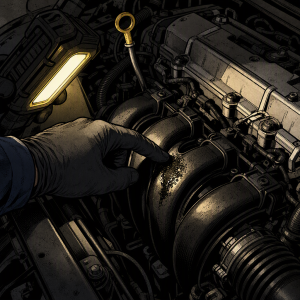
That Mystery Clean Spot in the Engine Bay: How to Read Oil Residue Like a Tech
A single wiped-clean patch on an intake manifold sparked a long thread of guesses, but the real answer comes down to reading dipstick drip patterns and knowing your engine bay layout. Here’s how to diagnose it the way a shop tech would, and when a “clean spot” actually means something.
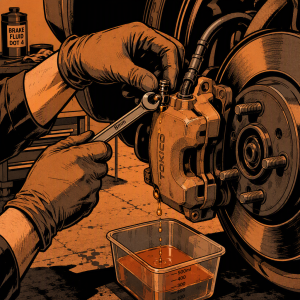
No Fluid at the Bleeder? A Technician’s Guide to Diagnosing Stubborn Brake Bleeding Problems
When a brake system won’t bleed cleanly, the cause is usually one of three things: technique, a master cylinder that sucked in air, or a hidden blockage downstream. This guide walks through the diagnostic order technicians actually use to find and fix the problem.
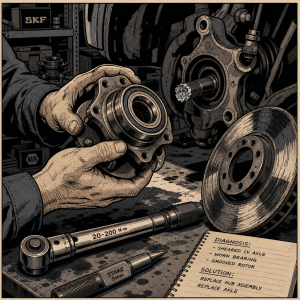
Snapped CV Axle Nut: Diagnosing the Real Cause Before You Reorder Parts
A cleanly sheared CV axle nut almost never happens on its own — it’s usually tied to a failing wheel bearing, an over-torqued nut, or both. This guide walks technicians through diagnosing the full failure chain, not just replacing the broken part.
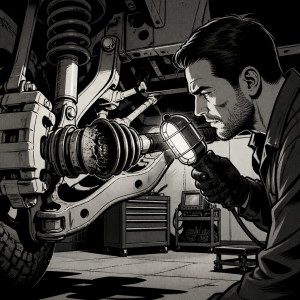
Why CV Axles Keep Failing: A Technician’s Guide to Diagnosis and Replacement
Techs and DIYers on Reddit compared notes on CV axles that fail in months instead of years, and the pattern is consistent: bargain aftermarket boots, uncorrected lift geometry, and worn mounts do the damage. This guide breaks down how to diagnose the actual failure mode and choose a replacement that survives more than one season.


Follow us on social media