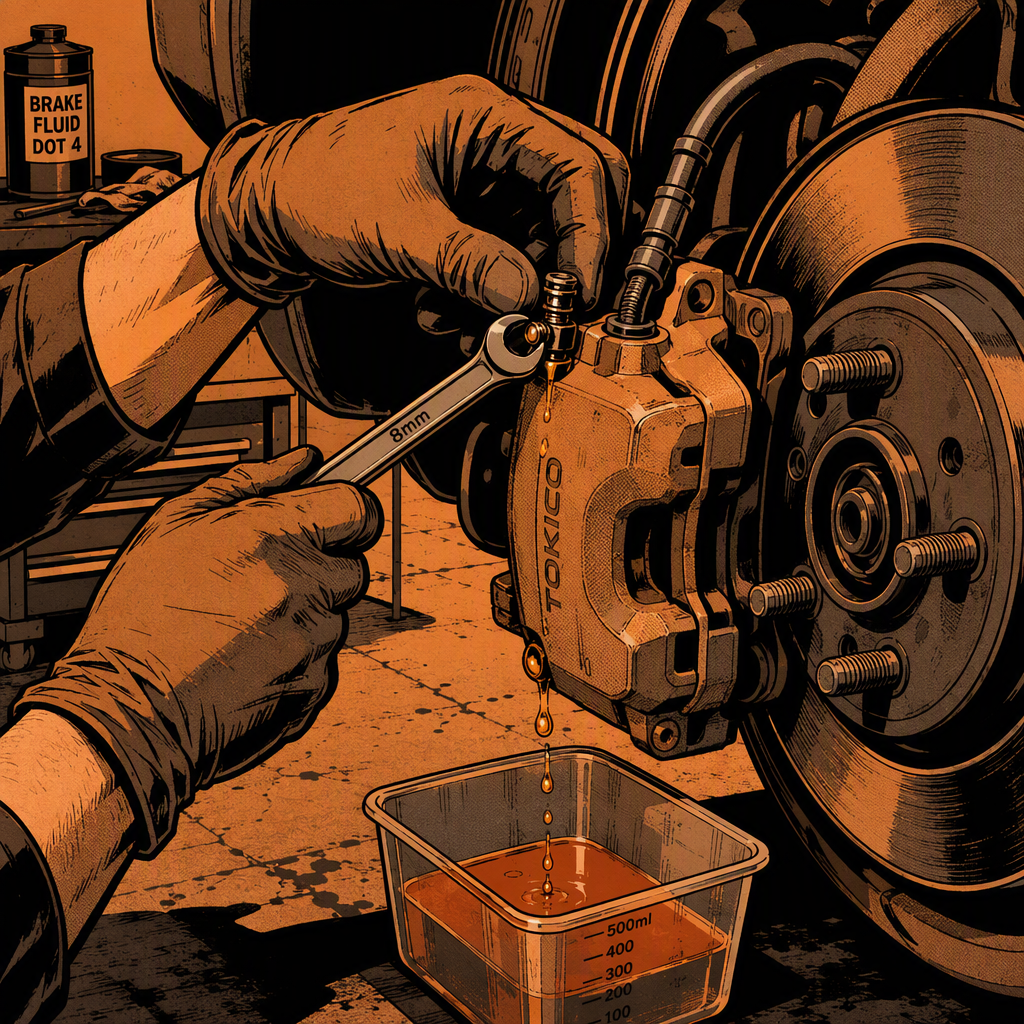
A brake job that won’t bleed clean is one of the more frustrating comebacks in the shop, especially when the customer swears they’ve “pumped it a hundred times” with nothing to show for it. Most no-flow or spongy-pedal complaints trace back to one of three root causes: incorrect bleeding technique, air that got pulled into the master cylinder when the reservoir ran dry, or a physical blockage somewhere between the master cylinder and the caliper. Working through these in order — instead of guessing — saves hours and avoids replacing parts that were never the problem.
Get the Pumping Sequence Right First
Before chasing a hardware problem, rule out technique. The correct sequence is: pump the pedal two to three times to build pressure, hold it firmly to the floor, open the bleeder screw, let it close on its own pressure drop or close it manually before the helper releases the pedal, then release the pedal only after the bleeder is shut. Doing this in the wrong order — opening the bleeder before the pedal is held down, or releasing the pedal while the bleeder is still open — draws air back into the caliper through the threads and undoes the bleed. It’s an easy mistake to make under a car with someone yelling from the driver’s seat, so confirm out loud who does what and in what order before you start.
Bleeding order matters too. Start with the wheel farthest from the master cylinder (typically passenger rear) and work toward the closest (driver front), unless the vehicle has a documented ABS-specific sequence — check service data for cars with electronic stability control modules, since some require a scan tool to cycle the ABS valves during bleeding.
Recovering From a Dry Reservoir
If the fluid reservoir was ever allowed to run dry — even briefly — normal bleeding at the wheels often won’t fix the car. A dry reservoir lets air get pulled into the master cylinder bore itself, and that air pocket won’t reliably push out through a wheel bleeder no matter how many times you cycle the pedal. In this situation the master cylinder needs to be bled first, either off the car on a bench or on the car using the same principle: crack the fitting at the master cylinder for each reservoir section (front and rear circuits are often separate) while a helper slowly presses the pedal, then close the fitting before the pedal is released. Repeat until fluid flows without bubbles from each port, then move on to bleeding the calipers normally.
Keep a second person watching the reservoir level throughout the entire process. It’s very easy to run it dry a second time while focused on the bleeder screw, which resets the clock on the whole job.
===FYP-PRODUCT-SEARCH-1===


Two-Person Bleeding vs. Pressure and Vacuum Tools
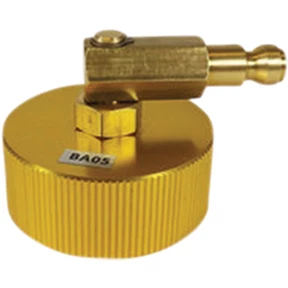
The traditional pump-and-hold method works fine but requires a second set of hands and clear communication. A lot of the frustration technicians see in the field comes down to a helper releasing the pedal at the wrong moment. Two alternatives remove that variable:
Vacuum bleeders pull fluid through the system by creating suction at the bleeder screw. They’re inexpensive and let one person do the whole job, but they can draw a small amount of air past the bleeder screw threads even when fluid is flowing, which sometimes shows as persistent tiny bubbles that aren’t actually from the system.
Pressure bleeders (motive-type units that pressurize the reservoir) push fluid from the top down and are generally considered more reliable for a full flush, since they keep the reservoir under constant positive pressure and eliminate the risk of it running dry mid-job. They’re a solid investment for anyone doing brake work regularly, particularly on vehicles with hard-to-reach bleeders or ABS units that need a steady fluid push.
No Fluid Coming Out At All? Find the Blockage
When fluid won’t come out of a bleeder screw no matter what, stop bleeding and start isolating the blockage from the caliper backward toward the master cylinder:
Check the bleeder screw itself. Some replacement or remanufactured calipers ship with a bleeder screw that wasn’t properly drilled, or the small cross-hole near the tapered tip is clogged with rust or debris. Remove the screw entirely and look for the side hole; if it’s blocked or missing, a fine drill bit (roughly 1/16″) can clear it, or the screw should be replaced outright.
Test flow at the caliper. Disconnect the flexible hose at the caliper and have a helper press the pedal gently. If fluid flows here, the blockage is downstream in the caliper or bleeder screw. If nothing comes out, move the test point back toward the master cylinder.
Suspect a collapsed hose. Internally collapsed rubber brake hoses act like one-way valves — fluid may push through under pressure but won’t flow freely, or won’t flow at all. This is common on older vehicles with original hoses. Loosen the fitting where the hard line meets the flexible hose; if fluid oozes out there but nothing reaches the caliper end, the hose is the culprit. Replace it, and consider replacing the matching hose on the opposite side since they age at the same rate.
Work backward through the system if needed. On vehicles with ABS, disconnect lines at the module and at the master cylinder one at a time, checking for flow at each point while the pedal is pressed. This isolates whether the restriction is in a hard line, the ABS unit, or the master cylinder itself.
When loosening fittings on rusted lines, don’t force them. Wiggle the fitting gently back and forth to break it loose first, and apply heat if it’s seized — twisting a rusted line before it’s free will shear or kink the tubing and turn a bleeding job into a line replacement.
===FYP-PRODUCT-SEARCH-2===
Protecting the Master Cylinder During a Full Brake Job
Master cylinder bores develop a wear pattern over the normal, day-to-day range of pedal travel. During a brake job, pushing the pedal all the way to the floor can drive the seals past that worn zone into a rougher or corroded section of the bore, which can nick or tear them and cause a soft or failing pedal down the road — sometimes not immediately, which makes it a frustrating comeback to diagnose. A simple precaution is to place a block of wood (a 2×4 works well) under the pedal to limit travel to roughly the vehicle’s normal range while bleeding. It costs nothing and prevents a possible comeback for a problem that looks unrelated to the brake job itself.
ABS Modules and Extended Line Disconnects
If a brake line or hose was left open or capped for an extended period — for example, while sourcing a replacement caliper or hose — air can migrate further into the system than expected, including into the ABS module on vehicles equipped with one. If normal wheel bleeding doesn’t fully firm up the pedal after a repair like this, the ABS unit itself may need to be cycled and bled, which on many vehicles requires a scan tool to activate the internal valves so trapped air can be pushed out. Don’t assume a soft pedal after this kind of repair is just “still working the air out” — if it hasn’t resolved after a normal bleed cycle, check for ABS-specific bleed procedures for that vehicle.
Quick Diagnostic Checklist
- Confirm correct sequence: pump, hold, open, close, then release
- Reservoir topped off and monitored throughout — never let it run dry
- If it did run dry, bench bleed or on-car master cylinder bleed before wheel bleeding
- Bleed farthest wheel from the master cylinder first, closest last
- No flow at all? Test at the caliper, then work backward toward the master cylinder
- Inspect the bleeder screw’s cross-hole for clogs or a manufacturing defect
- Rule out a collapsed hose by checking flow at the hard-line-to-hose fitting
- Limit pedal travel with a wood block to protect master cylinder seals
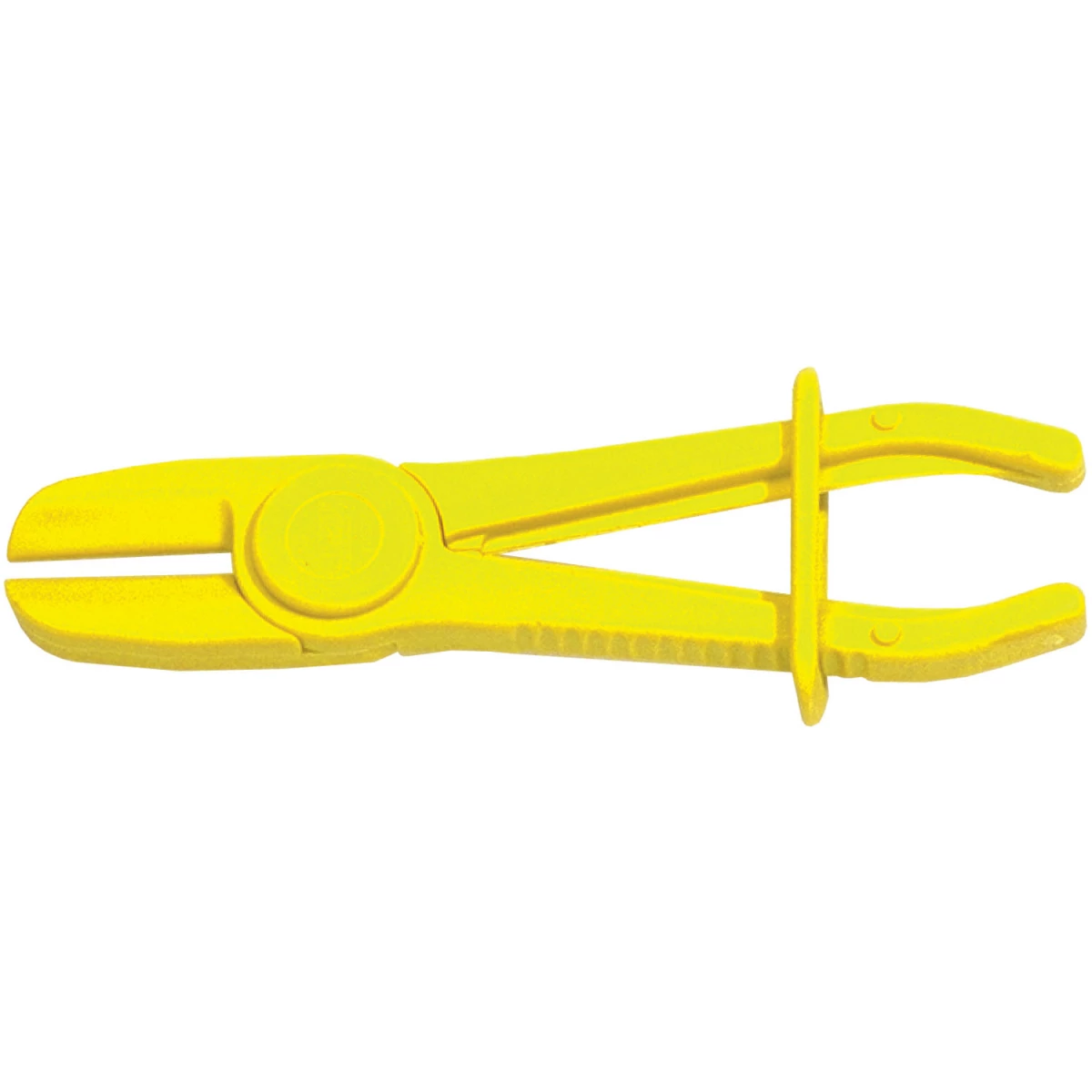
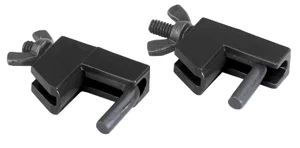
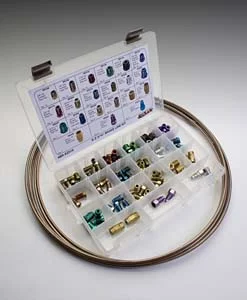
E-Z Brake Line Replacement Kit - 3/16 In
Mfg: S.U.R. and R Auto Parts
Part #: BR-EZ316
FAQs
Why does the pedal go to the floor and stay soft even after bleeding?
This usually points to air still trapped somewhere — often the master cylinder if the reservoir ran dry, or an ABS module after extended line disconnection — rather than air remaining at the wheel that was bled.
Can I use a one-way check-valve bleeder without a helper?
Yes, for routine fluid changes on a system without trapped air. They’re less reliable for pulling air out of a system that needs a full bench or master cylinder bleed, since they don’t maintain positive pressure at the reservoir.
How do I know if it’s the caliper or the hose causing no flow?
Disconnect the hose at the caliper and check for flow there first. If fluid flows at the hose but not through the caliper, the caliper or bleeder screw is blocked. If nothing flows at the hose, loosen the fitting closer to the hard line to check for a collapsed hose.
Is it safe to floor the brake pedal during a bleed?
It won’t always cause a problem, but on higher-mileage vehicles with worn master cylinders it risks damaging the seals. Limiting travel with a block under the pedal is a low-cost precaution.
Do I need to bleed the ABS module after replacing a caliper and hose?
Not always, but if the pedal stays soft after a normal bleed, or if a line was left disconnected for a long time, check for a vehicle-specific ABS bleed procedure — many require a scan tool to cycle the module’s valves.
What’s the most common reason a new bleeder screw won’t flow fluid?
A manufacturing defect where the cross-hole near the tip wasn’t drilled, or debris blocking that hole. Removing the screw and checking the hole directly (and clearing it with a fine drill bit if needed) confirms this quickly.
Recommended Tools & Parts
Getting the job done right depends on having the proper equipment on hand. Our Brake System category stocks everything you’ll need for brake work, from replacement bleeder screws to pressure and vacuum bleeders.
- Replacement bleeder screws, brake hoses, and hard lines
- Pressure and vacuum bleeding tools for single-technician or two-person bleeding
- Calipers, master cylinders, and brake fluid for system repair and maintenance

The Toolsource Technical Team blends decades of real-world automotive service experience with up-to-date technical research. Our writers collaborate with professional mechanics, shop owners, and diagnostic specialists to deliver practical, workshop-ready guidance you can trust.


Follow us on social media