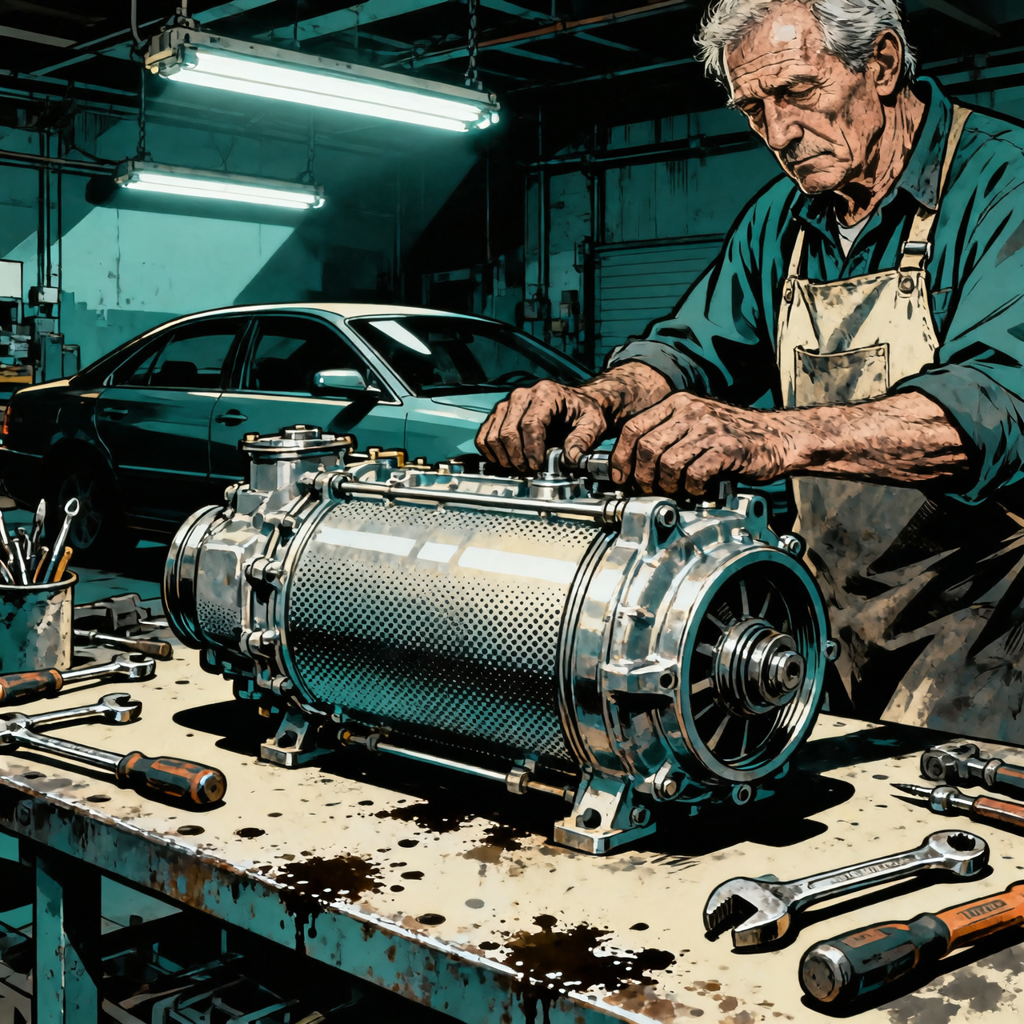
AC compressor replacement costs $1,500-$5,000. Many “failed compressor” diagnoses are actually bad capacitors—a $15 part. Verify the real problem, understand pricing, and know when replacement makes sense versus a full system upgrade.
Understanding AC Compressor Failure
The compressor circulates refrigerant and maintains pressure differences that enable heat transfer. Genuine compressor failure is less common than contractors claim, and proper diagnosis is critical before spending thousands.
How to Verify Actual Compressor Failure vs Misdiagnosis
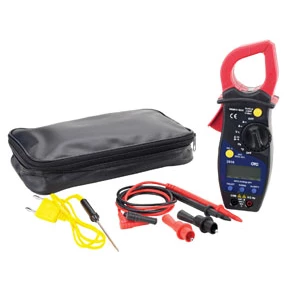

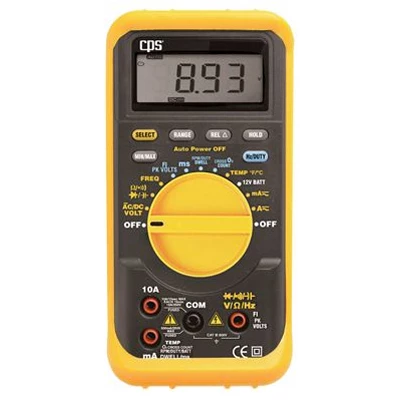
Demand specific diagnostic test results. A legitimate technician performs ohm resistance testing across compressor terminals using a multimeter. Normal readings: 3-10 ohms between common and run, 3-15 ohms between common and start. Infinite resistance indicates open windings (failure); zero or very low resistance indicates shorted windings (also failure).
Also important: amp draw testing. The technician should measure actual amperage against nameplate rating. Locked rotor amperage (LRA) readings that persist beyond startup indicate mechanical seizure. Insist on written test results. If a contractor claims your compressor is bad without electrical testing, you’re dealing with a diagnosis-for-profit scheme.
Capacitor Failures Mistaken for Compressor Issues
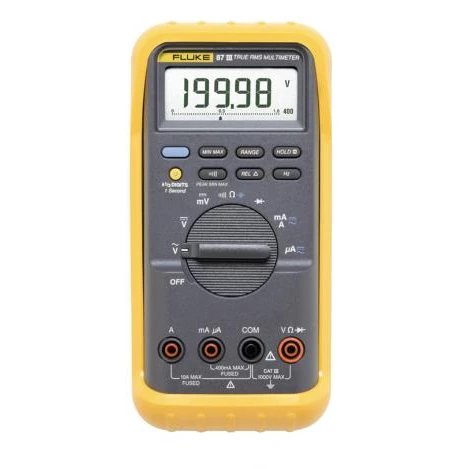
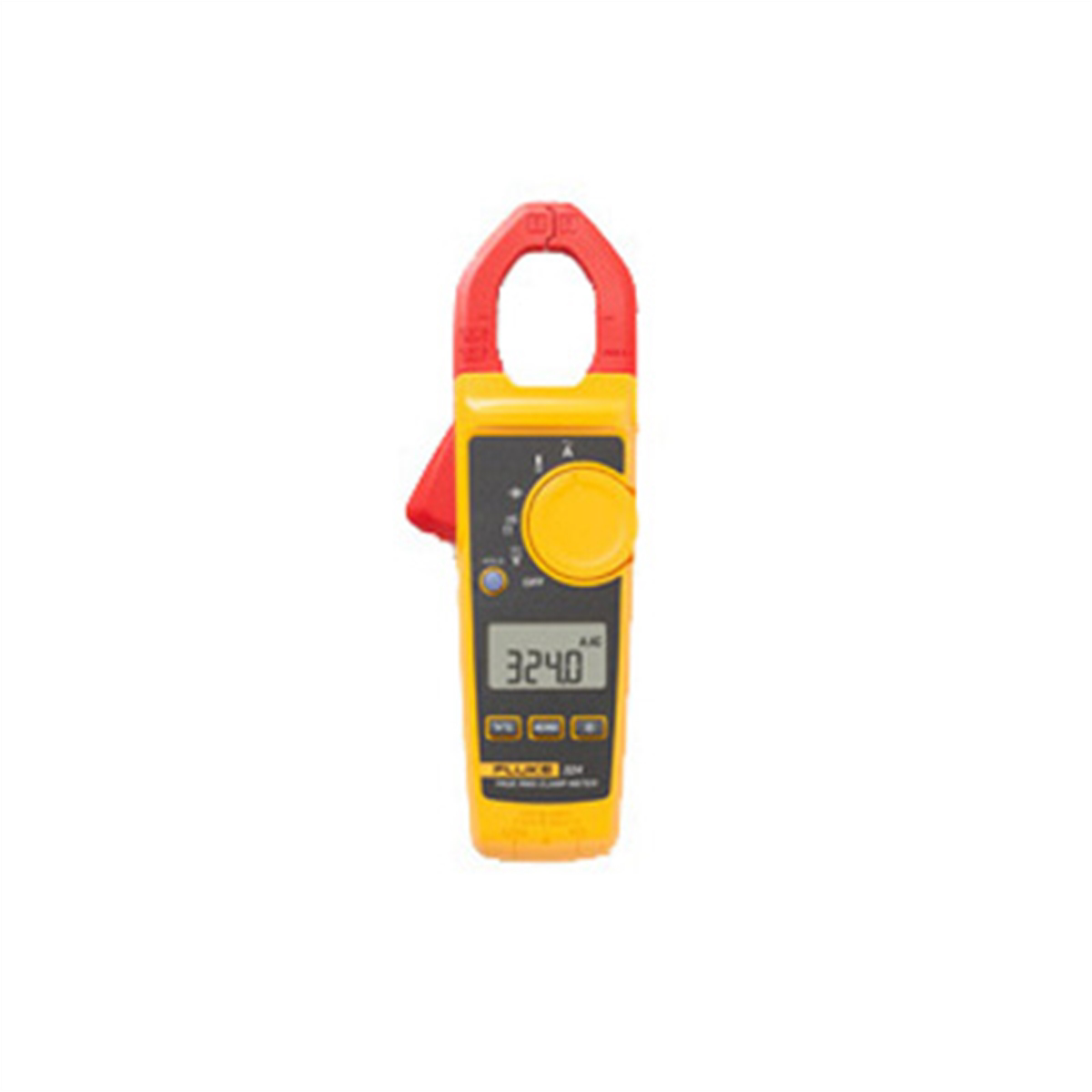
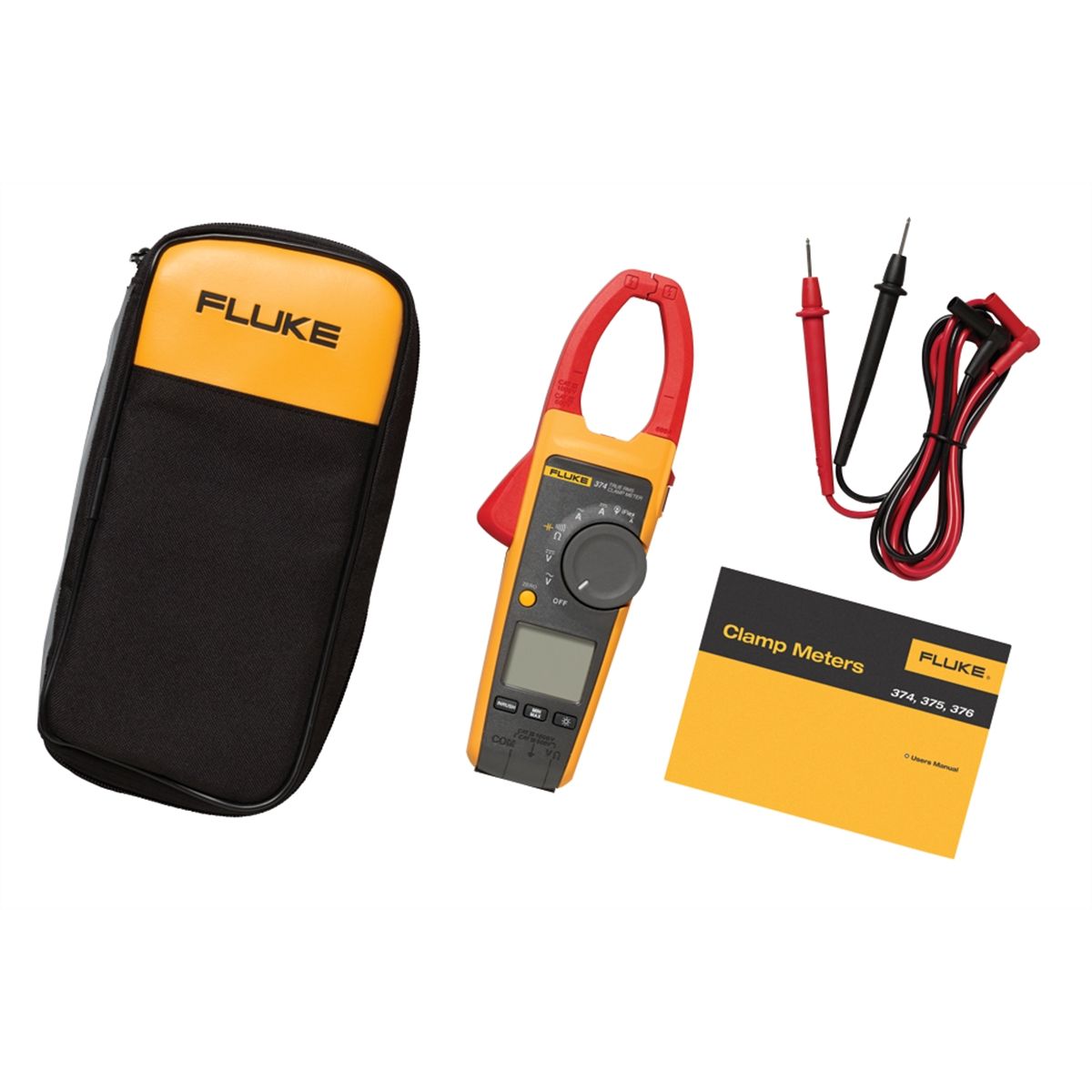
This is the most common HVAC scam. A failed capacitor ($10-30) produces symptoms identical to compressor failure: humming, tripped breakers, or no cooling. Capacitor testing takes 60 seconds with a capacitance meter. The measured microfarad rating should fall within 6-10% of nameplate specs. Visual inspection also reveals failure: bulging tops, leaked oil, or burn marks on terminals.
Some contractors deliberately skip capacitor testing because a $15 replacement doesn’t generate the profit of a $3,000 compressor job. Always verify capacitor testing happened before accepting a compressor replacement quote.
Signs Your Compressor Actually Needs Replacement
Real compressor failure shows grinding, rattling, or screaming noises from the outdoor unit. Electrical failure causes repeated breaker trips with good capacitors. Refrigerant in crankcase oil indicates valve failure. A technician should check for acid formation—acidic refrigerant confirms burnout and requires system flushing. Metal particles in the filter/drier prove internal damage.
AC Compressor Replacement Costs Breakdown
Parts Costs by Brand and Capacity
A 2-ton scroll compressor for R-410A costs $400-700 wholesale; 5-ton units run $1,200-1,800. Copeland compressors cost 15-25% more than Tecumseh or Bristol equivalents. R-22 compressors cost 30-50% more than R-410A due to phase-out. Additional parts include filter/drier ($25-150), refrigerant ($15-150 per pound), start kit ($30-75), and contactor ($20-40). Total parts: $1,500-2,500.
Labor Costs and Regional Variation
Replacement requires 6-10 hours of skilled labor including recovery, removal, brazing, pressure testing, evacuation, charging, and verification. HVAC labor rates range $75-150/hour. Same job costs $2,200-2,800 in the Midwest but $3,500-4,500 in coastal markets—legitimate variation, not gouging.
Labor exceeding 12 hours for straightforward residential work signals padding. Get detailed breakdowns: recovery (1-2 hours), removal/installation (3-5 hours), brazing/pressure testing (1-2 hours), evacuation (1-2 hours), charging/verification (1-2 hours).
Refrigerant Recovery, Flushing, and EPA Compliance
EPA regulations require refrigerant recovery before opening the system—costs $100-200. System flushing after burnout is critical. Acidic refrigerant contaminates the entire system. Flushing involves circulating specialized solvents to remove acid, oil residue, and metal particles. This adds 2-4 hours labor and $150-300 in materials but prevents repeat failures. Contractors skipping flushing are setting you up for premature new compressor failure.
Proper evacuation achieves 500 microns or better and holds for 30 minutes. Corner-cutters skip deep evacuation, reducing efficiency and lifespan.
| Cost Component | Low | Average | High |
|---|---|---|---|
| Compressor Unit (2-3 ton) | $500 | $850 | $1,400 |
| Additional Parts | $300 | $550 | $900 |
| Labor (6-10 hours) | $600 | $1,000 | $1,500 |
| Recovery, Flushing, EPA | $200 | $350 | $600 |
| Total | $1,600 | $2,750 | $4,400 |
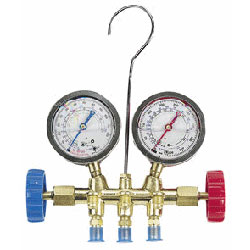

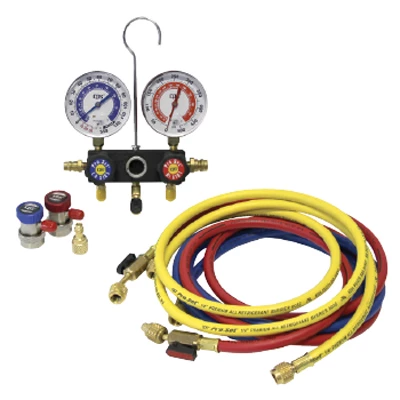
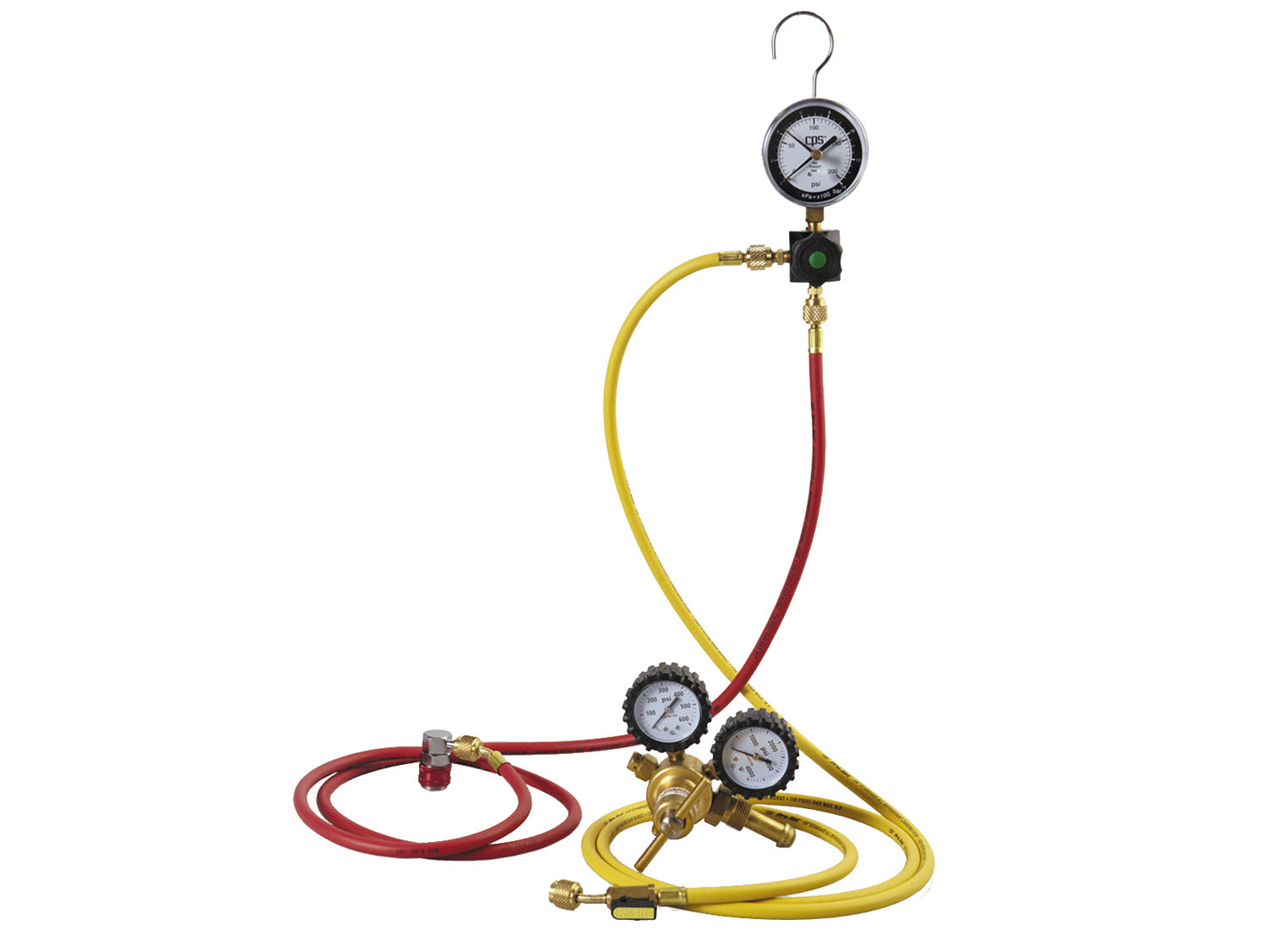
Pro-Set Dual Refrigerant Manifold Gauge Set CPS-MA1234
Mfg: CPS Products
Part #: MA1234
ID: 74936
Repair vs Replace: Making the Right Decision
When Compressor-Only Replacement Makes Sense
Replacement makes sense when your system is under 8 years old, uses R-410A, and the indoor coil and air handler are good condition. A system this age has 4-12 years remaining service life. If still under manufacturer warranty (typically 5-10 years), replacement is more attractive since you pay only labor and refrigerant. Verify warranty coverage carefully—many require professional installation documentation and maintenance records.
Geographic factors matter. Easily accessible units with good line sets keep labor costs reasonable. Rooftop units, cramped spaces, or deteriorated line sets requiring replacement shift economics toward full system replacement.
Full Unit Replacement Economics by System Age
Systems 14+ years old almost always warrant full replacement. A new 16 SEER system costs $3,500-6,500 installed; compressor-only runs $2,000-4,000. You’re spending 50-75% of new system cost for aging equipment needing more repairs soon. Modern systems achieve 14-20+ SEER versus 10-13 SEER pre-2015. A 15-year-old 10 SEER system costs roughly $420/year to run; upgrading to 16 SEER saves $165 annually, recovering incremental replacement costs in 5-8 years.
R-22 systems face added replacement pressure. R-22 costs $80-150/pound versus $15-25 for R-410A. A typical recharge needs 6-10 pounds—$500-1,500 for R-22. Future leaks become prohibitively expensive. Phase-out makes R-22 repair economically unsustainable.
Warranty Coverage and Manufacturer Implications
Major manufacturers offer 5-year parts warranties standard, 10-year compressor warranties if registered within 90 days. Some brands offer extended warranties through authorized dealers but require using their service networks. Manufacturer warranties cover parts only—you pay labor even for covered repairs. Installation contractors should offer 1-2 year labor warranties. Reputable installers are critical—cheap installation from questionable operators leaves you paying full labor for warranty-covered parts.
Installing a new compressor doesn’t extend warranties on other components. Some manufacturers void system warranties if non-OEM compressors are installed, though they must prove the non-OEM part caused failure.
Red Flags and How to Avoid HVAC Scams
Inflated Quotes and Contractor Markup Tactics
Beware of $5,000+ quotes for standard 2-3 ton residential systems. Unless dealing with commercial units, difficult access, or extensive damage, quotes exceeding $4,000 indicate excessive markup. Some contractors quote worst-case pricing without reducing costs when jobs go smoothly. Diagnostic fees of $200-500 not credited toward repairs suggest profit-first focus. Legitimate businesses charge $75-150 for diagnostics but credit it toward repairs.
Watch for bundled “maintenance plans” added without explanation. A $500 annual maintenance agreement on a compressor quote is upselling, not necessary repair work.
Refrigerant Mixing Dangers and Unethical Upsells
Never allow “conversion” of R-22 systems to alternative refrigerants without complete replacement. Adding R-427A substitutes creates contaminated refrigerant damaging compressors and voiding warranties. Avoid contractors pushing “refrigerant flushes” or “performance additives” as alternatives to replacement. Mechanical failure requires replacement only—no additive fixes this.
Beware pressure tactics: “price good today only,” “deal if you sign now,” or “special expires tonight.” Legitimate businesses don’t pressure same-day decisions on major repairs.
How to Evaluate Technician Credentials and Shop Reputation
Verify EPA 608 certification—all technicians handling refrigerants must hold it. Check state licensing through your state’s contractor licensing board. A 3-month-old business with all 5-star reviews might be fake; a 15-year business with mostly 4-5 stars and some negatives shows realistic history. Ask about insurance and bonding. Legitimate contractors carry $1M+ general liability and workers compensation. Request certificates—reputable contractors provide these without hesitation.
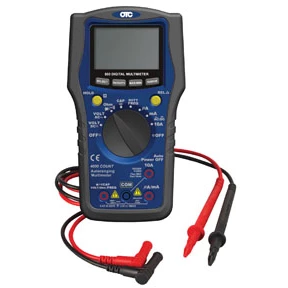
107918 3940 OTC OT3940 OTC-3940 550 Series Digital Multimeter
Mfg: OTC Tools and Equipment
Part #: 3940
ID: 107918
Getting Accurate Quotes and Making Smart Choices
Why You Need 2-3 Independent Quotes
Price variations of 50-100% for identical work are common. Multiple quotes reveal fair market pricing and expose outliers. Extremely low quotes suggest corner-cutting; extremely high quotes indicate excessive markup. Corporate franchises typically price 30-50% higher than independents due to franchise fees and overhead—you’re paying for brand recognition, not better service. Schedule quotes within a week to compare current market conditions. Off-season quotes beat peak season pricing by 15-25%.
Questions to Ask Before Accepting a Quote
Demand itemized quotes separating parts, labor, refrigerant, and fees. Lump-sum quotes hide markup. Ask what brand and model compressor they’re installing—generic descriptions might mean lowest-quality options. Ask about warranty: parts warranty length, labor warranty on installation, and whether they’re an authorized service center. Ask their diagnostic process: “What tests proved compressor failure? Can I see results? Did you check capacitors?” Contractors unable to answer didn’t perform proper diagnosis. Ask about system flushing plans—if not planning to flush after burnout, they’re cutting critical corners.
Finding Independent Technicians vs Corporate Franchises
Independents typically offer 25-40% better pricing than franchises while delivering equivalent or superior service. Find them through local referrals, state contractor associations, or manufacturer dealer locators. Evaluate independents carefully—check licensing, insurance, and reviews. Ask about parts sourcing—do they stock components or special-order everything? Well-established independents maintain inventory and complete jobs faster. Consider hybrid approaches: get diagnosis from an independent, then compare quotes from both independents and franchises. Sometimes franchises offer competitive financing offsetting higher upfront costs.
Pre-Quote Checklist
- ✓ Record system age, brand, model, and refrigerant type
- ✓ Document symptoms: when cooling stopped, unusual sounds, error codes
- ✓ Verify contractor licensing through state board
- ✓ Confirm EPA 608 certification
- ✓ Request written test results proving compressor failure
- ✓ Verify capacitors were tested first
- ✓ Request itemized quotes separating costs
- ✓ Get 2-3 independent quotes
- ✓ Ask about warranty coverage details
- ✓ Confirm system flushing for burnout situations
- ✓ Verify EPA refrigerant recovery procedures
- ✓ Check reviews for patterns, not individual complaints
- ✓ Calculate repair vs replace based on system age and efficiency
- ✓ Request insurance certificates
- ✓ Avoid same-day pressure tactics
Frequently Asked Questions
Is $5,000+ for compressor replacement fair pricing?
For 2-4 ton systems, $5,000+ indicates inflated pricing unless dealing with commercial units, difficult access requiring crane service, or extensive damage. Typical costs range $2,000-4,000 for straightforward residential work. Get 2-3 additional quotes—you’ll likely find 30-40% cheaper qualified contractors.
Can I DIY AC compressor replacement?
DIY faces legal and practical barriers. EPA requires Section 608 certification to purchase refrigerant and operate recovery equipment—no homeowner exemptions. Equipment alone costs $1,500-3,000+ (recovery machines, vacuum pumps, manifold gauges, brazing equipment, micron gauges). Most wholesalers won’t sell to uncertified individuals. Hire professionals for actual work.
What maintenance prevents early compressor failure?
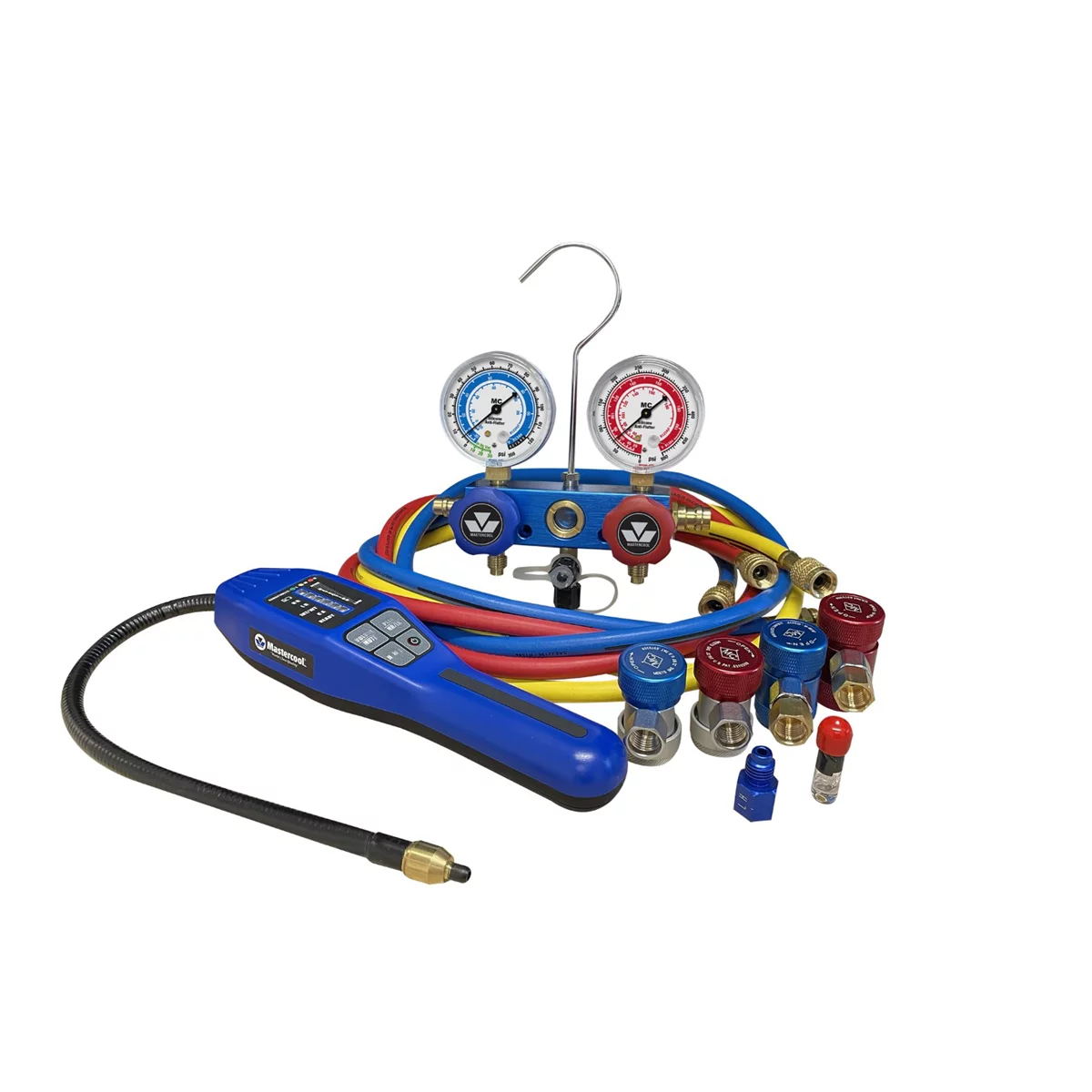
55900-COMBOKIT ELECTRONIC LEAK DETECTOR COMBO KIT
Mfg: Mastercool
Part #: 55900-COMBOKIT
Annual maintenance extends compressor life. Clean condenser coils (dirty coils cause overheating), check refrigerant charge, test and replace capacitors before failure, verify airflow across evaporator coils, and monitor amperage. Change air filters monthly—restricted airflow is the #1 preventable cause of compressor failure. Keep 2-3 feet clearance around outdoor units and remove debris quarterly. These tasks extend compressor life from 10-12 years to 15-18 years.
How long does AC compressor replacement actually take?
Professional replacement typically requires 6-10 hours: recovery (1-2 hours), removal/replacement including brazing (3-5 hours), pressure testing (30 minutes), evacuation to 500 microns (1-2 hours), charging (1 hour), and verification (30-60 minutes). If contractors claim multiple days needed, question the timeline—this might indicate inexperience or inflated pricing attempts.
Should I replace both indoor and outdoor units together?
For 12+ year old systems, strongly consider full replacement including evaporator coil and air handler. Mismatched system ages reduce efficiency—new outdoor units paired with old indoor coils won’t achieve rated SEER. New units are optimized for modern refrigerants; pairing with old coils reduces performance and lifespan. Under 8 years old with good condition: compressor-only replacement makes sense. Beyond 12 years: full replacement costs $1,500-2,500 more but buys matched components, full warranty, and maximum efficiency.
What happens if I skip system flushing after compressor burnout?
Burnout creates acidic refrigerant and metal particles contaminating the entire system. Installing a new compressor without flushing means it inherits contamination, causing failure within months. Acidic oil degrades windings and components; metal particles score cylinder walls and valves. Professional flushing removes contaminants for $200-400 extra but prevents $2,500+ repeat failures. Contractors suggesting skipped flushing after burnout are cutting a critical corner—refuse and find another technician.
No products found for “ac capacitor tester meter”
Shop AC & Cooling Solutions
Ready to handle your AC compressor replacement? Browse our complete selection of quality AC and cooling components to ensure your repair is done right the first time. Find trusted tools and parts that professional technicians recommend.
- AC Compressor Tools – Specialized equipment for safe compressor removal and installation
- Refrigerant & Oils – OEM-grade refrigerants and compressor oils for optimal performance
- Diagnostic Gauges – Precision pressure gauges to verify system function post-replacement
Essential Tools for AC Compressor Work
Whether you’re tackling an AC compressor replacement yourself or want to understand what a technician should be using, having the right tools makes all the difference. Our curated selection of automotive tools helps you work safely and efficiently on air conditioning systems.
Browse our complete tool collection to find everything you need for AC service and repair:
- Pressure Gauges & Manifold Sets – Accurately diagnose AC system problems and monitor pressure levels during service
- Refrigerant Recovery & Recycling Equipment – Properly handle refrigerant according to EPA regulations and environmental standards
- Specialty Sockets & Wrench Sets – Access tight compressor mounting bolts and fittings with precision tools

The Toolsource Technical Team blends decades of real-world automotive service experience with up-to-date technical research. Our writers collaborate with professional mechanics, shop owners, and diagnostic specialists to deliver practical, workshop-ready guidance you can trust.


Follow us on social media