A car that smells bad isn’t usually a mystery once you know where to look, but it’s also not something an air freshener can fix. Odors that linger for weeks or months are almost always trapped in porous materials — fabric seats, carpet padding, cabin air filters, or the HVAC evaporator core — and no amount of spray-and-hope masks that for long. This guide covers the diagnostic process and cleaning steps that actually get rid of persistent smells, not just cover them up for a day.
1. Diagnose Before You Clean
Before reaching for any cleaner, figure out whether the smell is coming from the cabin air (HVAC system) or from a surface (seats, carpet, floor mats). This distinction changes your entire approach, and skipping it means you’ll waste time and product treating the wrong thing.
- Vent test: Turn the blower on high with the AC off, then with AC on. If the smell spikes specifically when air is moving through the vents, the odor source is in the HVAC system — most likely the evaporator core or cabin air filter.
- Surface test: With the blower off, get close to the seats, carpet, and door panels one at a time. A localized smell that’s stronger in one spot usually means a spill, mildew pocket, or organic buildup in that material.
- Look for the obvious first: Check under seats, in seat tracks, and under floor mats for trash, spilled food, or (yes, it happens) small dead rodents in the HVAC intake near the cowl. A rodent smell is unmistakable once you’ve encountered it and won’t respond to any amount of fabric cleaning.
- Age of the smell matters: A “stale” or musty smell that’s been building for months has likely soaked into foam padding under the fabric, not just the surface. That changes the cleaning method you’ll need — surface wipes won’t reach it.
2. Replace the Cabin Air Filter First
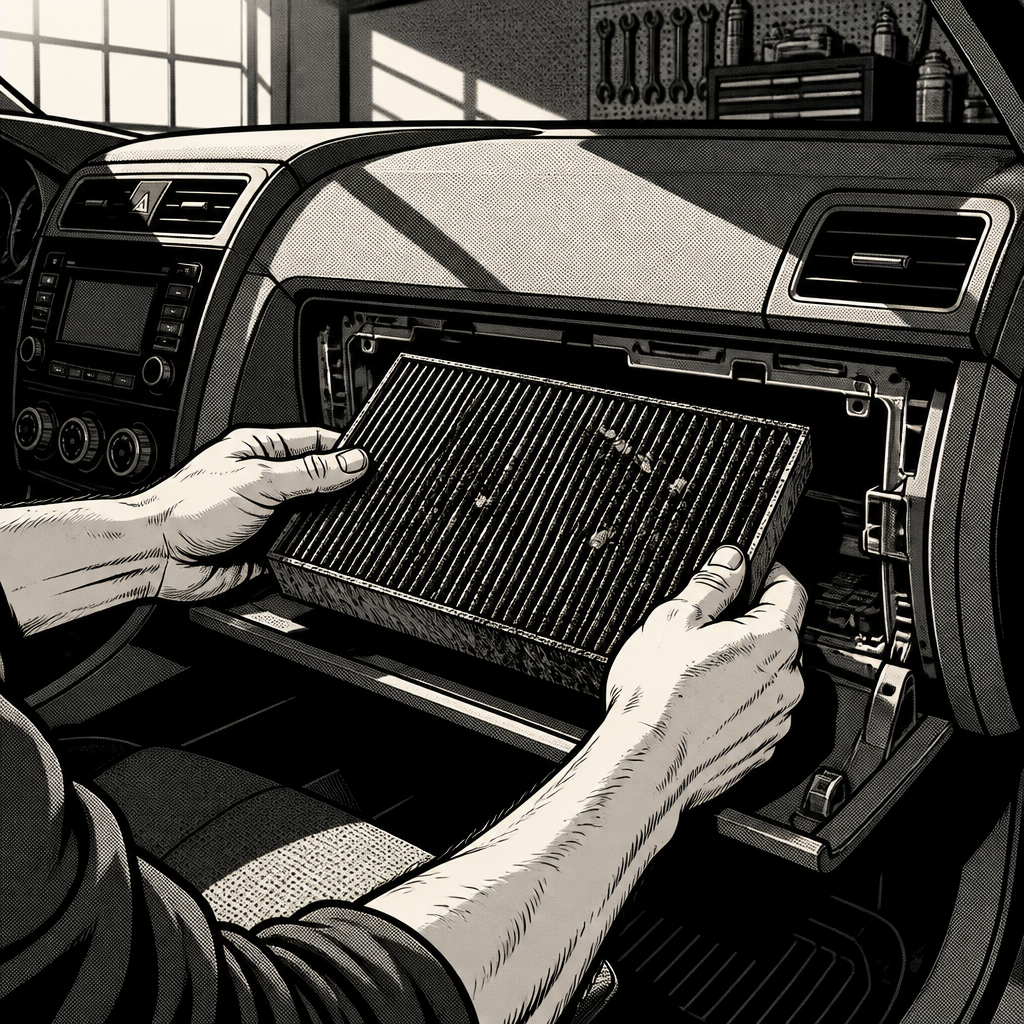
If the vent test pointed to the HVAC system, start here — it’s the cheapest and fastest fix, and it’s routinely neglected. Cabin air filters trap dust, pollen, and organic debris, and when they sit wet or dirty for too long they become a growth medium for mold and bacteria, which is what produces that musty “AC smell” when the blower kicks on.
- Most cabin filters are located behind the glovebox or under the cowl at the base of the windshield — check the owner’s manual for exact location, since access varies a lot by make and model.
- Pull the old filter and inspect it. Visible mold, a strong musty odor, or heavy debris buildup confirms it’s contributing to the problem.
- Replace on the manufacturer’s interval (typically 12,000–15,000 miles or annually), sooner if you drive in dusty conditions or park under trees.
- While the glovebox or cowl panel is open, check for standing water or debris in the cowl drain area — a clogged drain lets water pool near the HVAC intake and is a common source of recurring mildew smell.
[PRODUCT_SEARCH: cabin air filter replacement]
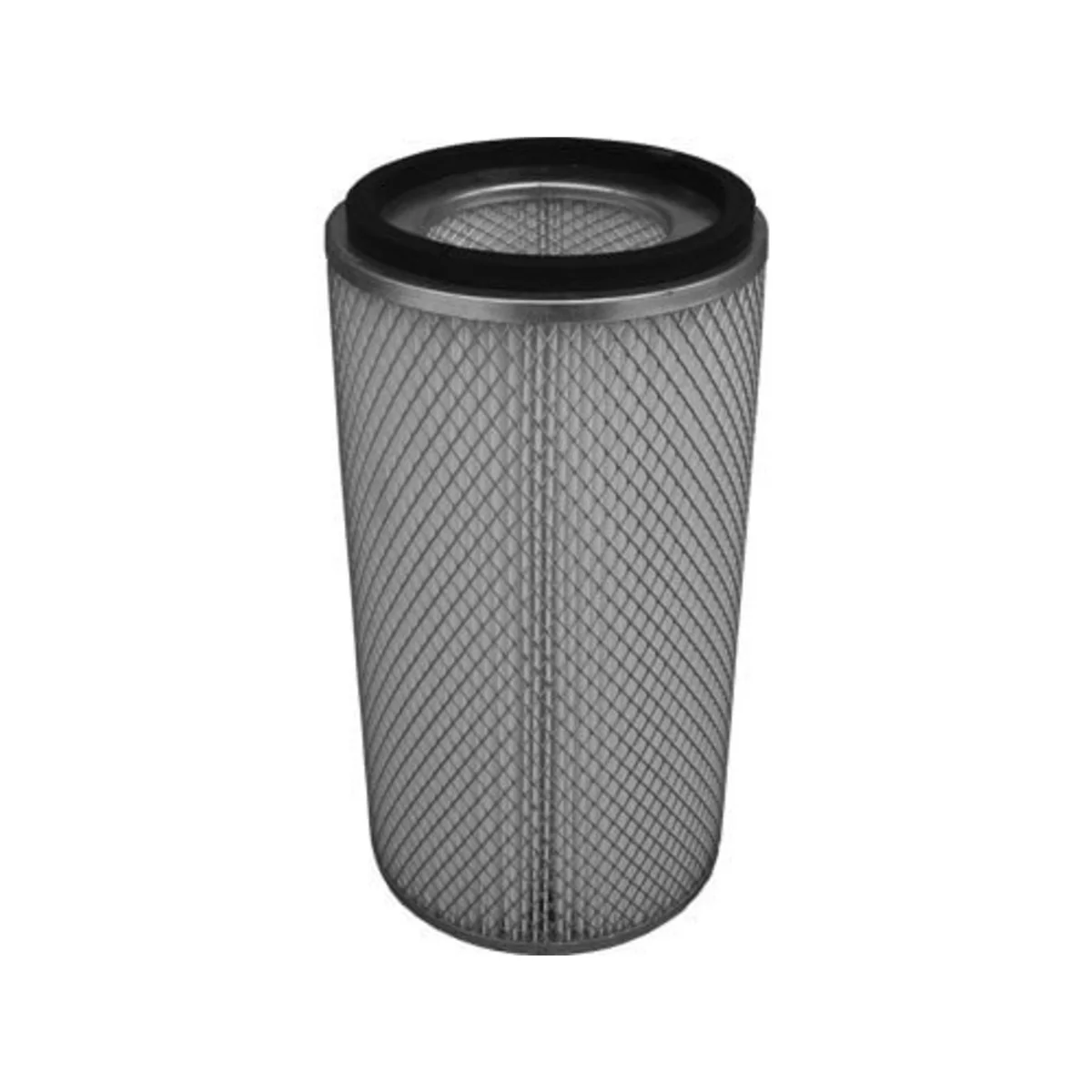
Atlas Automotive Equipment VACUUM FILTER FOR SANDBLAST CABIN
Mfg: Atlas Automotive
Part #: HTSBC420-29

3. Deep-Clean Upholstery and Carpet the Right Way
Surface wiping with an all-purpose cleaner won’t touch odors that have soaked into foam padding or carpet backing. For that, you need actual extraction — pulling moisture and dissolved soil out of the material rather than just spreading it around.
- Vacuum thoroughly first, including seat crevices, under seat tracks, and trunk carpet. Loose debris left behind will just get pushed deeper by wet cleaning.
- Use an enzyme or bio-cleaner on organic stains and odors (sweat, food, biological accidents). Enzyme cleaners break down organic matter at a molecular level instead of just masking it with fragrance, which is the key difference between a cleaner that actually resolves the smell and one that just adds a competing scent.
- Steam clean or use a wet/dry extractor for fabric seats and carpet. A steam cleaner’s heat helps kill mold and bacteria in the padding, while an extractor pulls the moisture and dissolved soil back out — don’t skip the extraction step, since leaving cleaning solution to air-dry in the foam can make odor worse.
- Dry completely before closing up the car. Crack windows or use a fan/dehumidifier for several hours after wet cleaning. Trapped moisture in a closed, humid cabin is exactly what causes mildew smell to return within days.
- For deeply embedded, long-term odor (the kind that’s been building for months or years), a single cleaning pass often isn’t enough. Plan on repeat treatments, and for foam that’s fully saturated with odor-causing residue, reupholstering or replacing the seat foam may be the only permanent fix.
4. Service the HVAC Evaporator Core
If cabin filter replacement didn’t fully resolve a vent-sourced smell, the evaporator core itself is next. The evaporator stays cold and wet every time the AC runs, which makes it a prime spot for mold and bacterial growth — especially in humid climates or if the car sits unused for stretches.
- An evaporator/HVAC cleaner (typically a foaming or aerosol treatment applied through the cabin filter housing or a dedicated access point) can knock down mold and bacteria without pulling the dash apart.
- Run the AC on max cold for the last few minutes of a drive, then switch to fan-only (AC off) for the final minute or two before shutting off the car. This helps dry out the evaporator instead of leaving it wet and dark — an ideal mold environment — between uses.
- If the smell is severe and persistent after cleaning, a mechanic may need to access the evaporator core directly, which typically requires partial dash disassembly. This is a bigger job but resolves odors that surface-level treatments can’t reach.
5. Neutralize, Don’t Just Mask
Once the actual source is cleaned, it’s fine to use odor control products to finish the job — but the order matters. Applying fragrance before addressing the source just layers a new smell on top of the old one, and the underlying odor typically comes back once the fragrance fades.
- Baking soda left on carpet and seats overnight, then vacuumed out, absorbs residual odor and is a low-cost step after wet cleaning has fully dried.
- Activated charcoal bags placed under seats or in the trunk continuously absorb odor molecules over weeks, useful as ongoing maintenance rather than a one-time fix.
- Ozone treatment (professional service or rental generator) oxidizes odor-causing molecules throughout the cabin, including in the HVAC system, and is effective for severe or long-standing odors. The car must be empty of people and pets during treatment and aired out afterward.
- Avoid relying on hanging air fresheners or sprays as a primary fix — they’re fine for maintenance once the source is resolved, but they’re the most commonly misused “solution” and the reason odors seem to keep coming back.
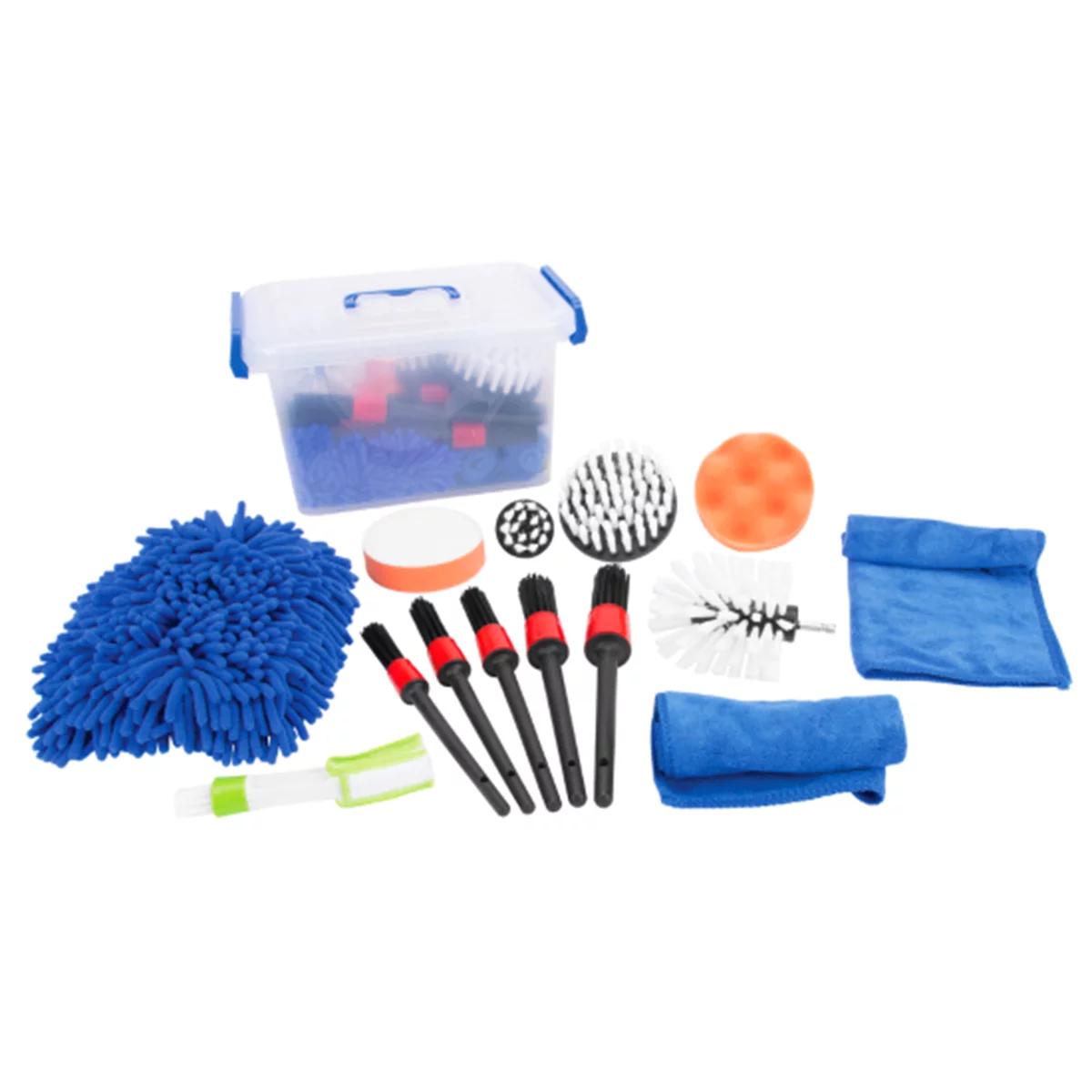
[PRODUCT_SEARCH: car interior detailing kit]
Quick Reference Checklist
- Run the vent test (blower + AC) to isolate HVAC vs. surface odor
- Inspect and replace the cabin air filter
- Check the cowl drain for clogs and standing water
- Vacuum thoroughly, then treat organic stains with an enzyme cleaner
- Steam clean/extract seats and carpet, and dry completely before closing the car
- Service or clean the evaporator core if vent odor persists
- Apply odor absorbers (baking soda, charcoal) only after the source is cleaned
- Keep trash out and wipe down surfaces weekly to prevent recurrence

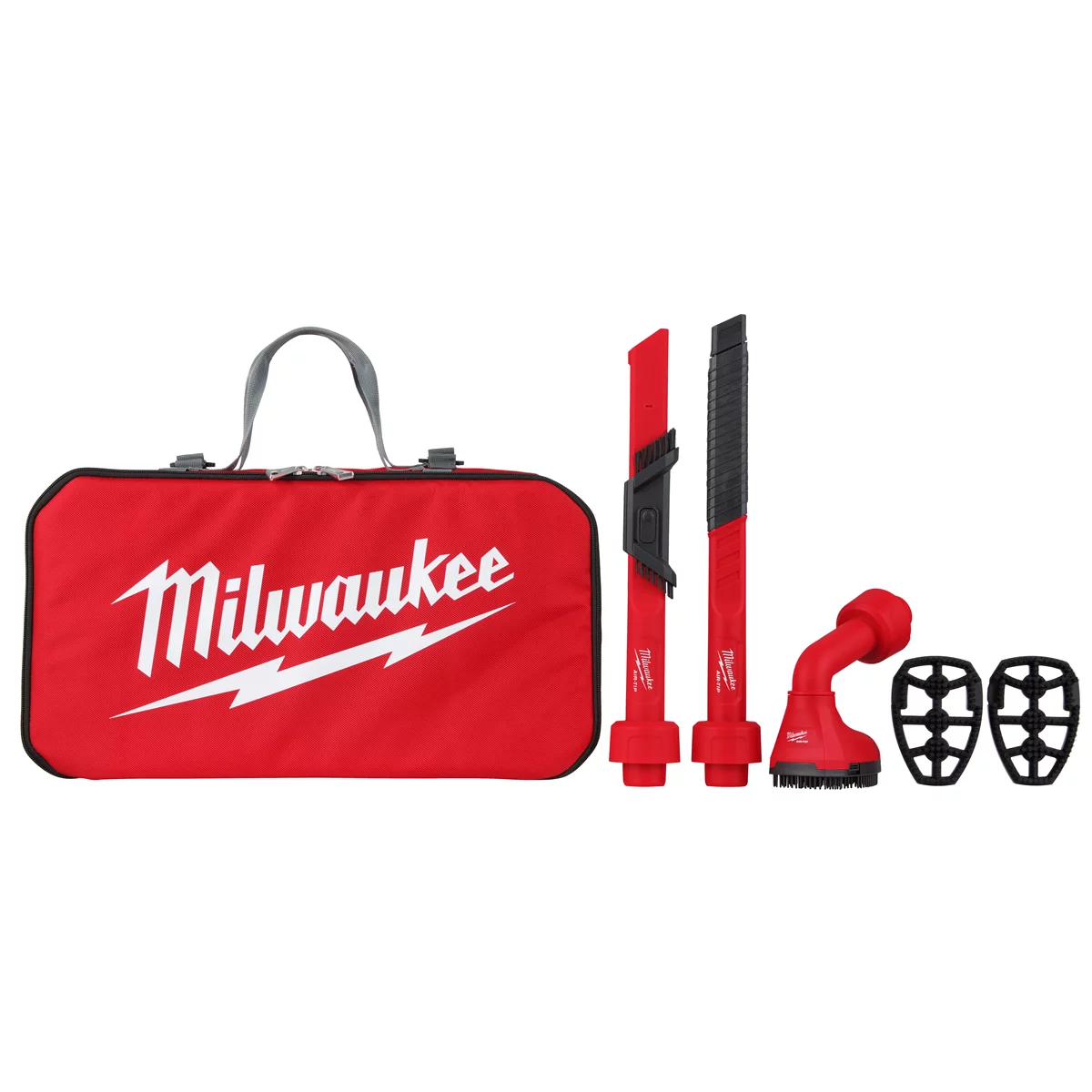
AIR-TIP(TM) 3-Piece Automotive Vacuum Tool Kit
Mfg: Milwaukee Electric Tools
Part #: 49-90-2019A
Frequently Asked Questions
How often should I replace my cabin air filter?
Every 12,000–15,000 miles or once a year for most vehicles, whichever comes first. Replace it sooner if you notice reduced airflow, visible dirt on the filter, or a musty smell when the blower runs, and check more often if you drive frequently in dusty or high-pollen conditions.
Why does my car still smell after I vacuumed and wiped everything down?
Surface cleaning only addresses what’s on top of the fabric. Odors from spills, sweat, or organic buildup soak into the padding underneath and need extraction cleaning (steam or wet/dry vacuum) with an enzyme cleaner to actually break down and remove, not just cleaning wipes or sprays.
Can I use household carpet cleaner on car seats?
Many general carpet cleaners work on automotive fabric, but check that it’s safe for the specific material (cloth, leather, or vinyl) and test an inconspicuous spot first. Enzyme-based cleaners are generally more effective on organic odors than standard all-purpose carpet cleaners.
Is ozone treatment safe to do myself?
Ozone generators are effective but produce a gas that’s harmful to breathe at treatment concentrations. The vehicle must be completely empty of people, pets, and plants during the cycle and aired out thoroughly afterward. If you’re not comfortable managing that, have it done professionally.
How do I know if the smell is coming from the AC system or just the seats?
Run the blower with the AC off, then with it on, and compare intensity. If the smell gets noticeably stronger specifically when air is blowing through the vents, the source is likely the cabin air filter or evaporator core rather than the upholstery.
What’s the fastest way to keep a car from smelling bad again after cleaning?
Remove trash daily, avoid eating in the car when possible, wipe down high-contact surfaces weekly, and run the AC on fan-only for the last minute of a drive to help dry out the evaporator. Consistent small habits prevent the buildup that causes stubborn odors in the first place.
Recommended Tools for HVAC and Cabin Maintenance
Persistent cabin odors often stem from the HVAC system — either a dirty cabin air filter or mold buildup in the evaporator core. Our Auto Air Conditioning Tools selection covers everything needed to diagnose and resolve these issues.
- Cabin air filters and housing components
- HVAC cleaners and evaporator treatments
- AC system diagnostic tools

The Toolsource Technical Team blends decades of real-world automotive service experience with up-to-date technical research. Our writers collaborate with professional mechanics, shop owners, and diagnostic specialists to deliver practical, workshop-ready guidance you can trust.


Follow us on social media