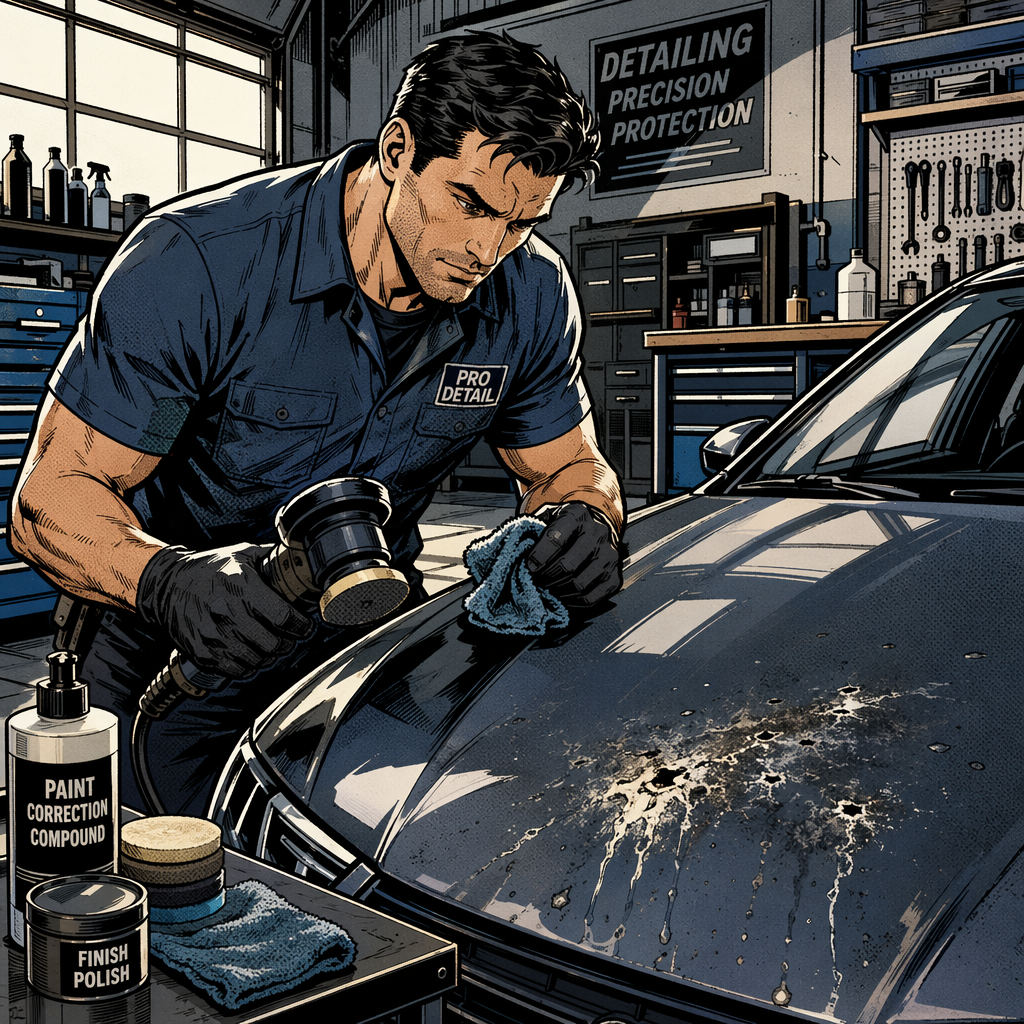
Every technician eventually encounters paint damage that looks like a scratch or impact mark but reveals itself under closer inspection to be something entirely different. Bird droppings represent one of the most common—and most misunderstood—causes of automotive paint damage. The characteristic pattern includes a circular or oblong mark with visible etching, often accompanied by streaking where acidic compounds have run down the panel. Unlike mechanical damage from impacts or scratches, bird dropping damage shows clear chemical etching with no transfer marks, no linear patterns, and often rust blooming at the base metal level when left untreated. This damage occurs faster than most vehicle owners realize, and distinguishing it from impact damage prevents false accusations and helps educate customers about proper vehicle care.
Understanding the Chemistry: Why Bird Droppings Etch Paint
Bird droppings contain uric acid as the primary waste product, unlike mammals that excrete urea. This uric acid has a pH ranging from 3.5 to 4.5, making it highly corrosive to automotive finishes. Modern automotive paint systems consist of three layers: the base metal or substrate, the color coat (base coat), and the protective clear coat. The clear coat, typically a two-part urethane or acrylic system, provides the primary barrier against environmental damage.
When bird droppings land on a vehicle, the uric acid begins attacking the clear coat immediately. Heat accelerates this process dramatically. On a sunny day, dark-colored vehicles can reach surface temperatures of 150-200°F, which softens the clear coat and allows the acid to penetrate faster. The droppings essentially create a localized chemical burn that etches through the clear coat within 24-48 hours under typical conditions. In extreme heat or with droppings from birds that have consumed particularly acidic foods (citrus, berries), damage can occur within hours.
The visible damage pattern differs markedly from mechanical scratches. Bird dropping etching shows a circular or irregular shape matching the dropping’s footprint, often with a lighter-colored center where the acid concentration was highest. You’ll typically see streaking patterns below the main damage area where liquid components ran down the panel. There’s no paint transfer, no linear scratch pattern, and no raised edges that you’d find with impact damage. If the damage has progressed through the clear coat into the base coat, you may observe color fading or discoloration. Once the acid reaches bare metal, rust blooming begins within days, creating the brown-orange staining visible in severe cases.
Timeline and Damage Progression
Understanding the damage timeline helps technicians assess whether restoration is possible and guides customer education about prevention. The progression follows predictable stages, though environmental factors significantly affect speed.
Within the first 2-4 hours, bird droppings begin surface-level etching on the clear coat. At this stage, immediate washing typically prevents permanent damage. The acid hasn’t penetrated deeply enough to cause irreversible harm, and the clear coat’s thickness (typically 1.5-2.0 mils) provides adequate protection with prompt action.
Between 4-24 hours, clear coat penetration deepens. The etching becomes visible as a dull spot or slight discoloration. At this point, washing removes the droppings but leaves behind etched damage that requires polishing or compounding to restore. The clear coat is compromised but usually hasn’t failed completely. Multiple technicians report that overnight exposure—especially during summer months—creates damage that requires machine polishing to remediate.
After 24-48 hours, most droppings will have penetrated through the clear coat on at least portions of the affected area. The damage now extends into the base coat, creating color change and more pronounced etching. You’ll observe a distinct dimple or depression in the finish. The clear coat has failed in the affected area, and simple polishing no longer resolves the issue. Paint correction becomes necessary, and in many cases, spot repair or panel refinishing represents the only proper fix.
Beyond 72 hours, especially in hot climates, the acid typically reaches bare metal. Rust begins forming immediately once metal exposure occurs. The damage now shows brown or orange discoloration around the perimeter, indicating oxidation. At this stage, the only proper repair involves removing the rust, treating the metal, and repainting the affected area. The damage has progressed beyond cosmetic clear coat failure to structural paint system compromise.
Environmental factors dramatically affect these timelines. High temperatures accelerate every stage. Droppings on horizontal surfaces (hoods, roofs, trunk lids) cause more damage than vertical surfaces because the acid pools rather than running off. Dark-colored vehicles suffer faster damage due to heat absorption. Seagull droppings, which have higher acid content due to their fish-based diet, cause more aggressive damage than droppings from seed-eating birds. Vehicles parked under trees where droppings accumulate regularly often show multiple damage sites at various stages of progression.
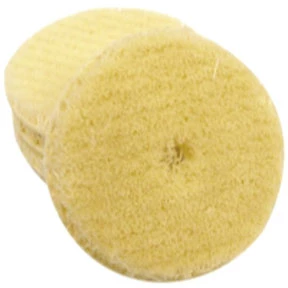
Astro Pneumatic 20303P 3 In Wool Buffing Pad – 5/Pk
Mfg: Astro Pneumatic
Part #: 20303P
ID: 76736
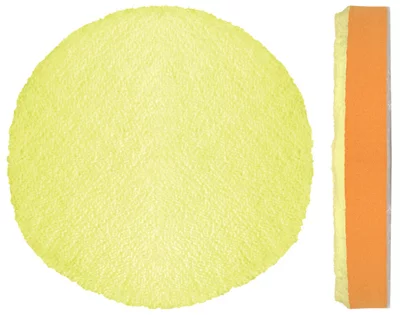
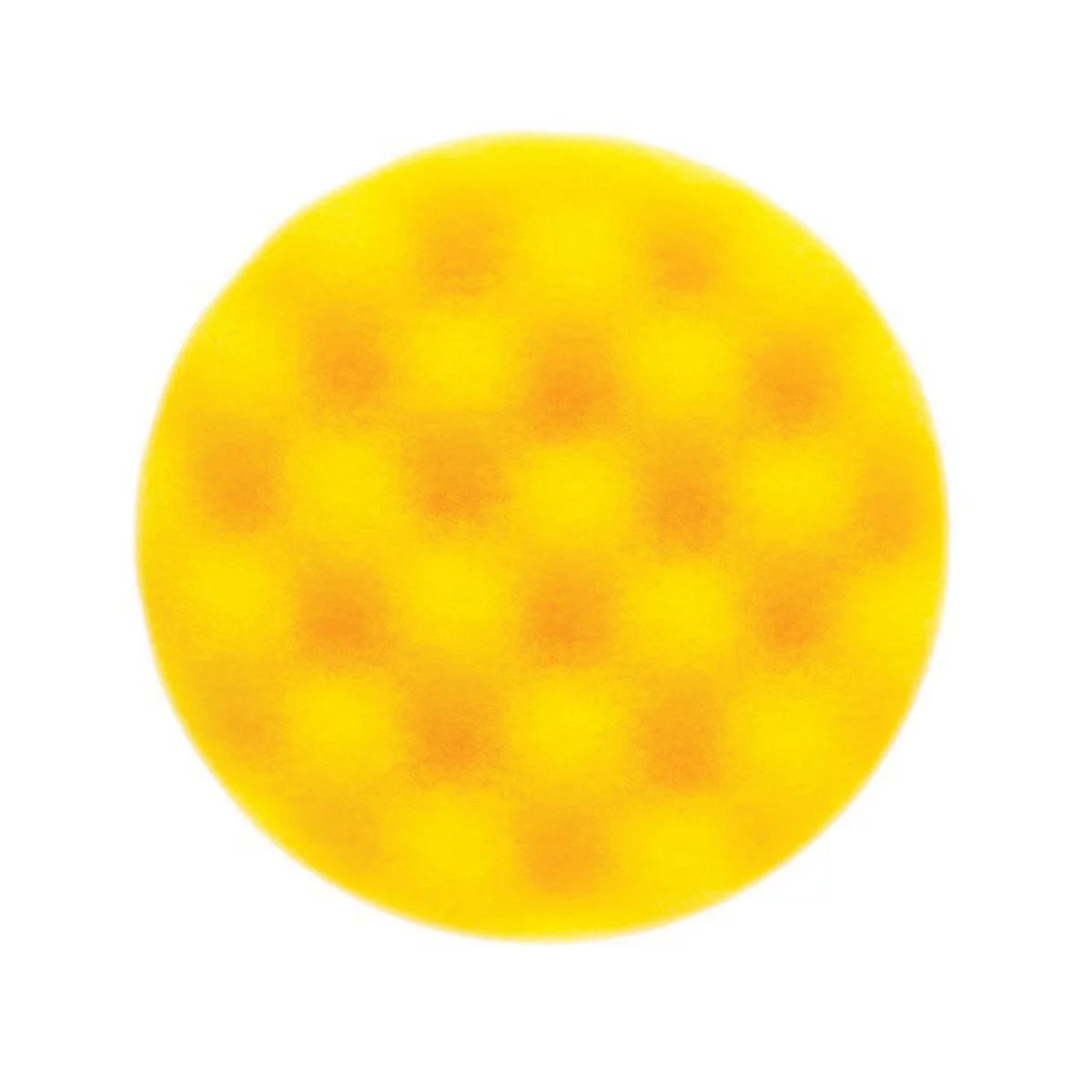
MPADYF-3.25W Waffle Polishing Pad, 3-1/4 in Dia, Foam Pad
Mfg: Mirka Abrasives
Part #: MPADYF-325W
ID: 424186
Proper Removal Techniques and Tools
When bird droppings are discovered on a customer’s vehicle, proper removal technique prevents scratching and minimizes damage. Never dry-wipe bird droppings, as they often contain grit, seeds, or other abrasive materials that will scratch the clear coat. The dried uric acid crystals themselves act as abrasives.
For fresh droppings (less than 4 hours old), the removal process is straightforward. Spray the affected area liberally with either a dedicated quick detailer spray, diluted car wash soap, or plain water. Allow the solution to soak for 2-3 minutes to soften the droppings. Use a clean, soft microfiber towel with a folded edge—never a flat hand—to gently lift the droppings away from the surface. Work from the outside edges toward the center to avoid spreading the material. Rinse the area thoroughly and dry with a clean microfiber towel. Inspect under good lighting for any etching.
For dried droppings (4-24 hours), additional care is required. Place a soaking wet microfiber towel directly over the droppings and let it sit for 5-10 minutes. This rehydrates the material and softens the uric acid crystals. You can also use a dedicated droppings remover product, which typically contains surfactants that break down the organic compounds more effectively than plain water. After soaking, very gently wipe with a clean section of the towel using minimal pressure. If resistance is felt, soak longer rather than applying pressure. Multiple light passes with fresh towel sections work better than one aggressive wipe.
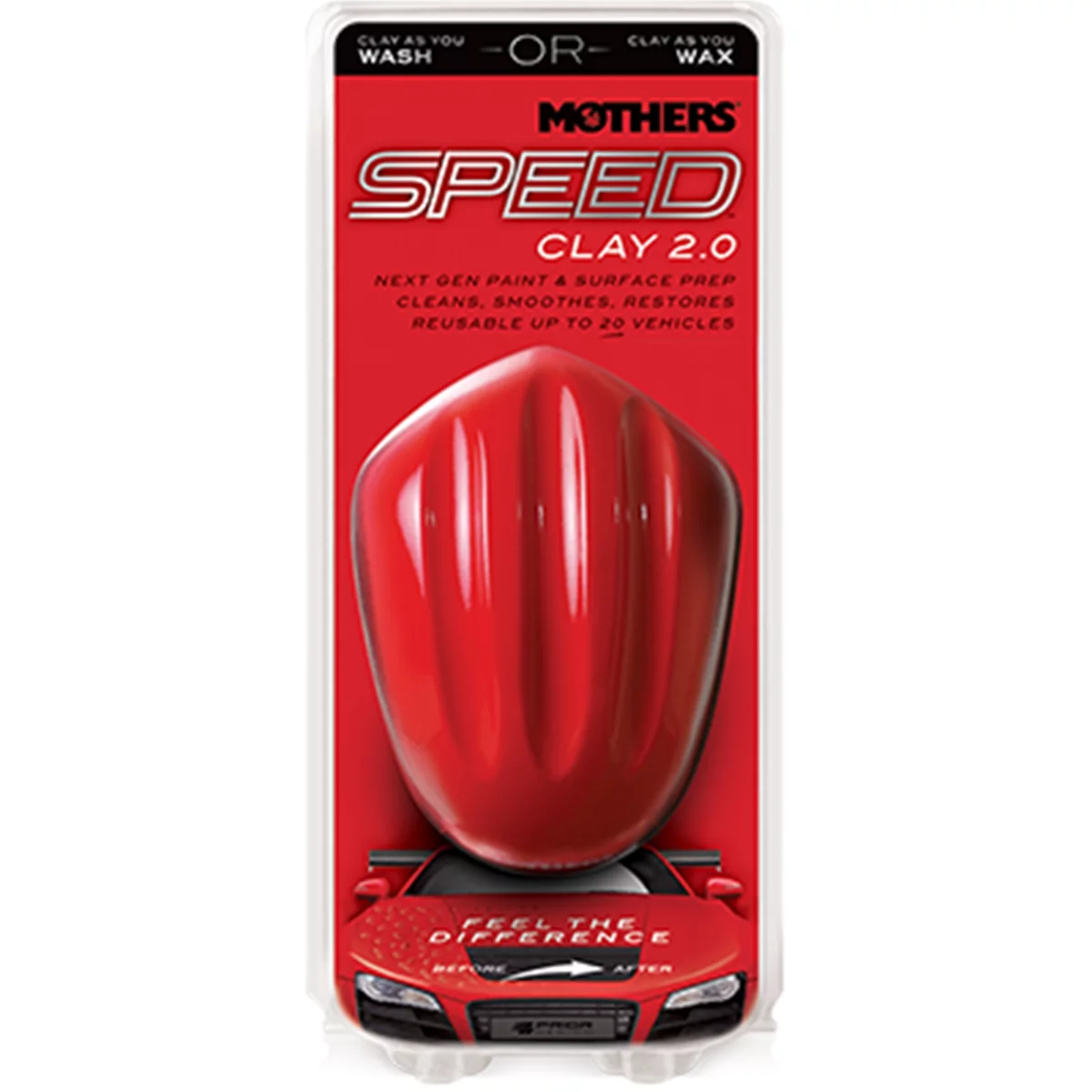
For severely dried or baked-on droppings (beyond 24 hours), consider using a clay bar or clay mitt during the removal process. After initial soaking and gentle removal of the bulk material, spray the area with clay lubricant and gently work the clay bar over the surface. This removes embedded contamination without inducing scratches. Some technicians prefer using isopropyl alcohol (IPA) diluted 1:1 with water as a final cleaning step, as it helps dissolve remaining uric acid residue.
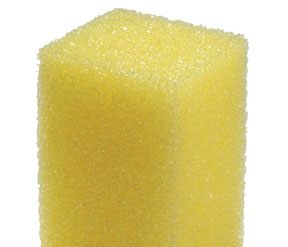
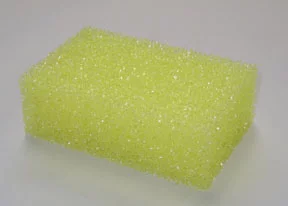
Once droppings are removed, assessment determines next steps. If no visible etching appears under proper lighting, apply a spray wax or sealant to the area as preventive protection. If minor etching is visible, hand polishing with a fine polish and foam applicator pad often restores the finish. For deeper etching, machine polishing becomes necessary, starting with a medium-cut compound and working through finer polishes to restore gloss.
Assessing Damage Versus Impact Scratches
Technicians frequently need to differentiate between bird dropping damage and mechanical damage, especially when customers dispute fault or when insurance claims are involved. Several diagnostic indicators make this distinction clear.
Bird dropping damage shows a circular, oval, or irregular organic shape matching the dropping’s footprint. The damage is never linear. Impact scratches from bumpers, shopping carts, or other objects create linear marks, often horizontal or at angles matching the impact trajectory. Bird damage appears in random locations across panels, while impact damage follows predictable patterns based on vehicle height and adjacent obstacles.
Color evidence differs significantly. Bird dropping etching shows no paint transfer from another object. The damaged area displays the underlying paint color or primer, sometimes with white or light discoloration from the acid reaction. Impact scratches typically show paint transfer—black marks from rubber bumpers, colored marks from other vehicles, or gray marks from metal objects. Run your fingernail perpendicular across the damage; bird etching feels like a smooth depression, while impact scratches often have raised edges or rough transfer material that catches the nail.
Damage location provides critical context. Bird dropping damage occurs on surfaces where droppings typically land: hoods, roofs, trunk lids, and upper door areas. The damage is usually higher on panels, above the typical bumper-height line. Impact damage from vehicle contact occurs at specific heights—typically 16-24 inches for most bumpers, 24-36 inches for shopping carts, and 36-48 inches for door dings. If damage appears on a door 48 inches above ground, a bumper didn’t cause it.
Streaking patterns below the main damage area indicate bird droppings. As liquid components drain downward, they create vertical trails of etching below the primary impact site. These trails fade gradually as acid concentration decreases. Impact damage shows no such pattern—the damage is typically uniform along the scratch length or concentrated at the impact point.
Rust development timing also provides clues. Bird dropping damage that reaches bare metal shows rust within days, appearing as orange-brown discoloration around the etched area’s perimeter. Impact scratches to bare metal also rust, but the pattern differs—rust appears along the entire scratch length rather than radiating from a central point.
Repair Options and Restoration Techniques
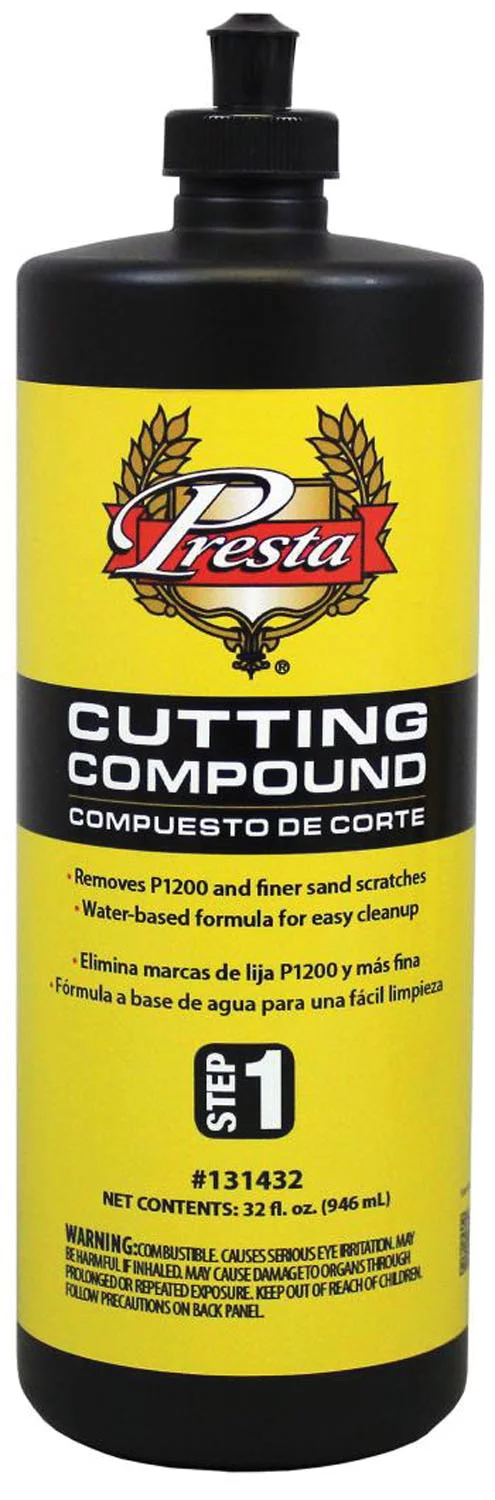
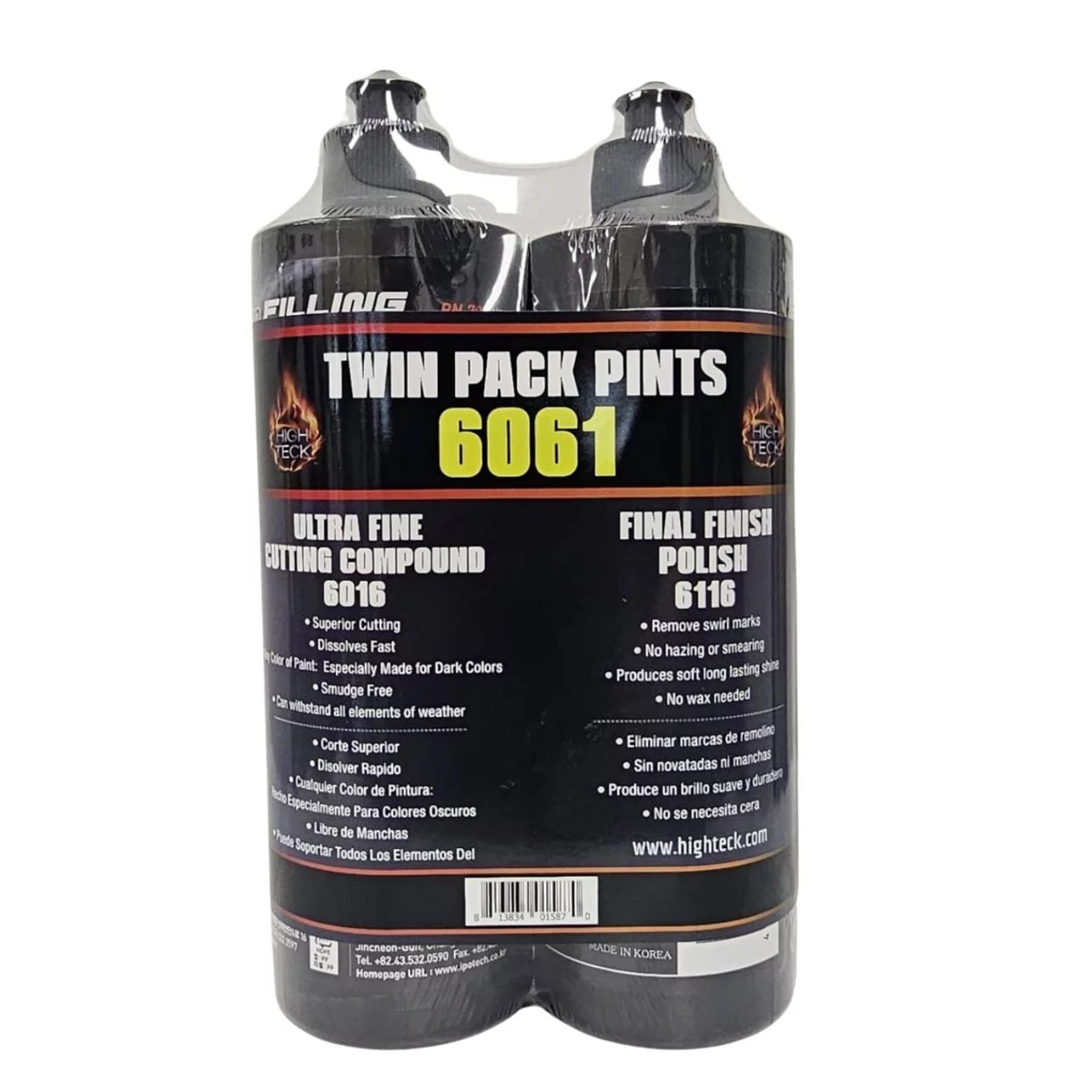
Repair approach depends on damage depth. Proper assessment saves time and sets realistic customer expectations. Use a paint depth gauge to measure remaining clear coat thickness adjacent to the damaged area, which establishes how much material can be safely removed during correction.
For light etching confined to the clear coat’s upper layers, hand polishing often suffices. Clean the area thoroughly with IPA solution to remove any wax, sealant, or contamination. Apply a small amount of fine-cut polish to a foam applicator pad. Work the polish into the damaged area using firm, consistent pressure with overlapping circular motions. Work for 30-60 seconds, then wipe clean with a microfiber towel and inspect. If etching remains visible, repeat the process. Once the etching disappears, finish with a fine finishing polish to restore gloss, then protect with wax or sealant.
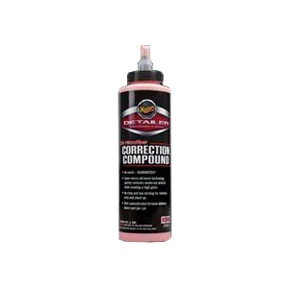
For moderate etching that extends deeper into the clear coat, machine polishing becomes necessary. Start with a dual-action polisher equipped with a medium-cut foam pad and medium-cut compound. Set the polisher to speed 4-5 and work the compound into the damaged area using 50% overlapping passes. Apply moderate pressure on the initial passes, then reduce pressure for finishing passes. Wipe clean and inspect. If etching remains, repeat with fresh compound. Once the primary etching is removed, follow with a fine polish and soft foam pad to refine the finish and restore gloss. A paint depth gauge confirms you haven’t removed too much clear coat—maintain at least 1.0 mil thickness to ensure adequate protection.
For deep etching that penetrates through clear coat into the base coat, wet sanding followed by compounding offers the only correction short of repainting. This requires experience and caution. Using 2000-grit wet sandpaper with water or sanding lubricant, gently level the area with light pressure, checking frequently. Once the damaged area is leveled with surrounding paint, follow with 3000-grit for refinement. Then compound with a rotary polisher or forced-rotation dual-action polisher using heavy-cut compound and a cutting pad. Progress through medium and fine polishes to restore gloss. This approach risks cutting through remaining clear coat and should only be attempted when sufficient clear coat thickness remains or when the alternative is repainting.
When damage extends to bare metal or when rust has developed, only proper repainting resolves the issue. The repair process involves removing rust with fine-grit sandpaper or rust remover, treating the metal with etching primer or conversion coating, applying primer-surfacer, block sanding smooth, then applying base coat and clear coat with proper flash times between coats. Blend the repair into surrounding areas for seamless appearance. This level of repair exceeds most detailing work and enters body shop territory.
For customers seeking cost-effective solutions for minor etching they can live with, explain that protecting the damaged area prevents further deterioration. Apply a quality wax or paint sealant regularly to seal the compromised clear coat and prevent moisture intrusion. This doesn’t repair the damage but stops progression and slightly improves appearance by filling the etching with product.
Prevention Strategies and Customer Education
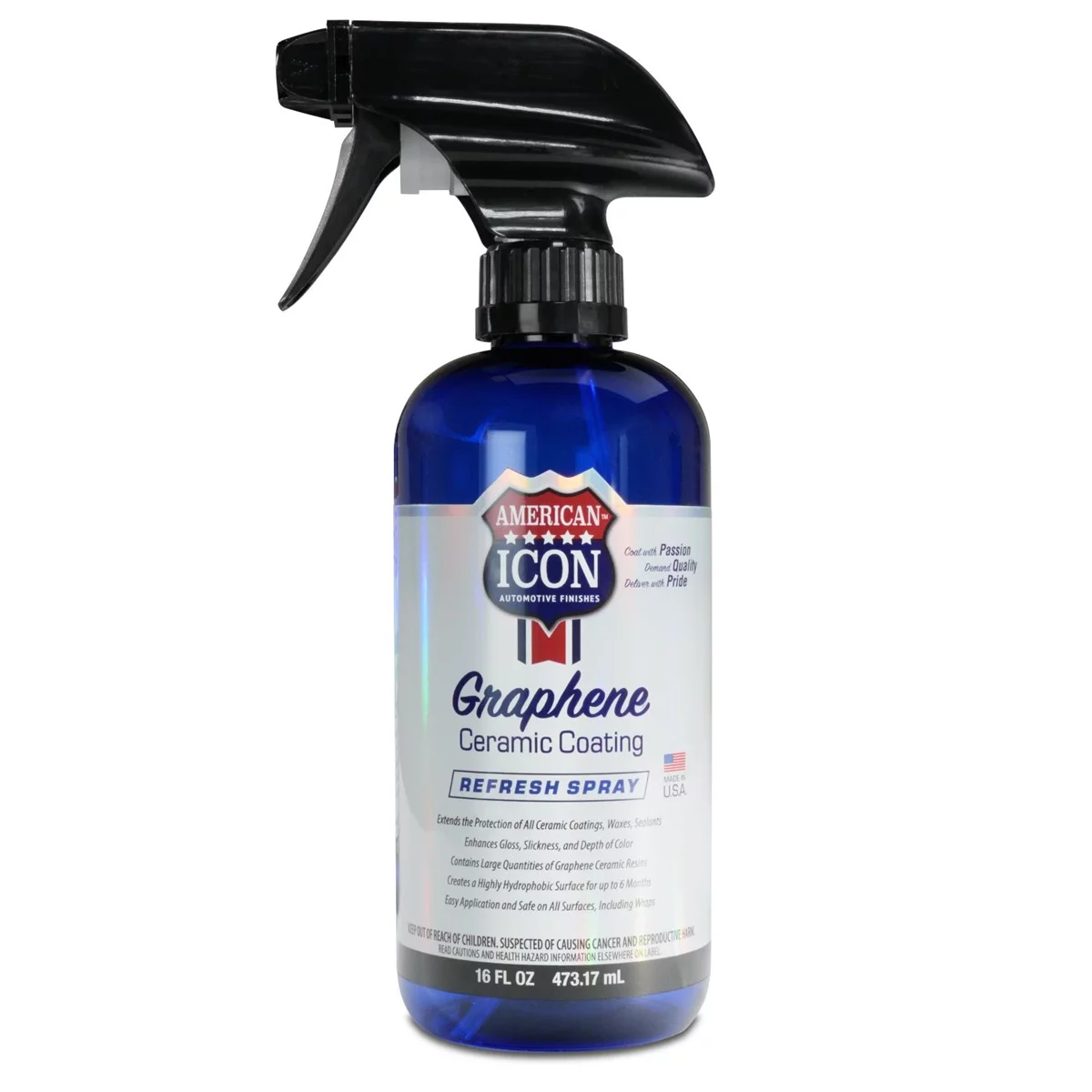
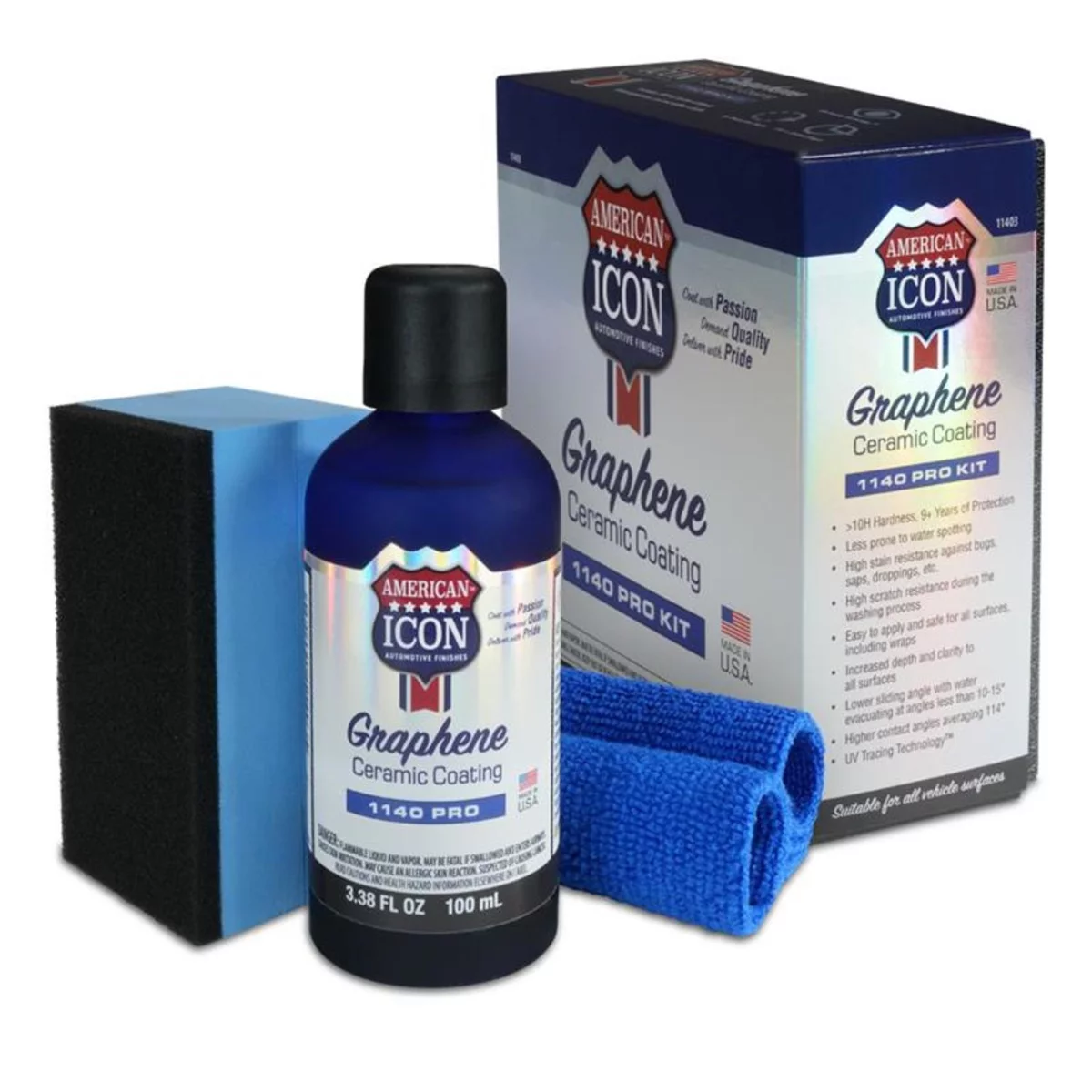
Preventing bird dropping damage is far easier than repairing it. Educate customers about parking choices, protective products, and response timelines to minimize future issues.
Parking location significantly impacts exposure risk. Avoid parking under trees, power lines, light poles, and building overhangs where birds perch. While this isn’t always possible, making deliberate parking choices—especially for long-term parking—reduces incidents. Covered parking provides obvious protection but isn’t available to all customers. For vehicles regularly parked outside near bird activity, a quality car cover offers practical protection. Modern covers made from breathable, UV-resistant materials prevent dropping contact while allowing moisture vapor to escape, preventing trapped humidity damage.
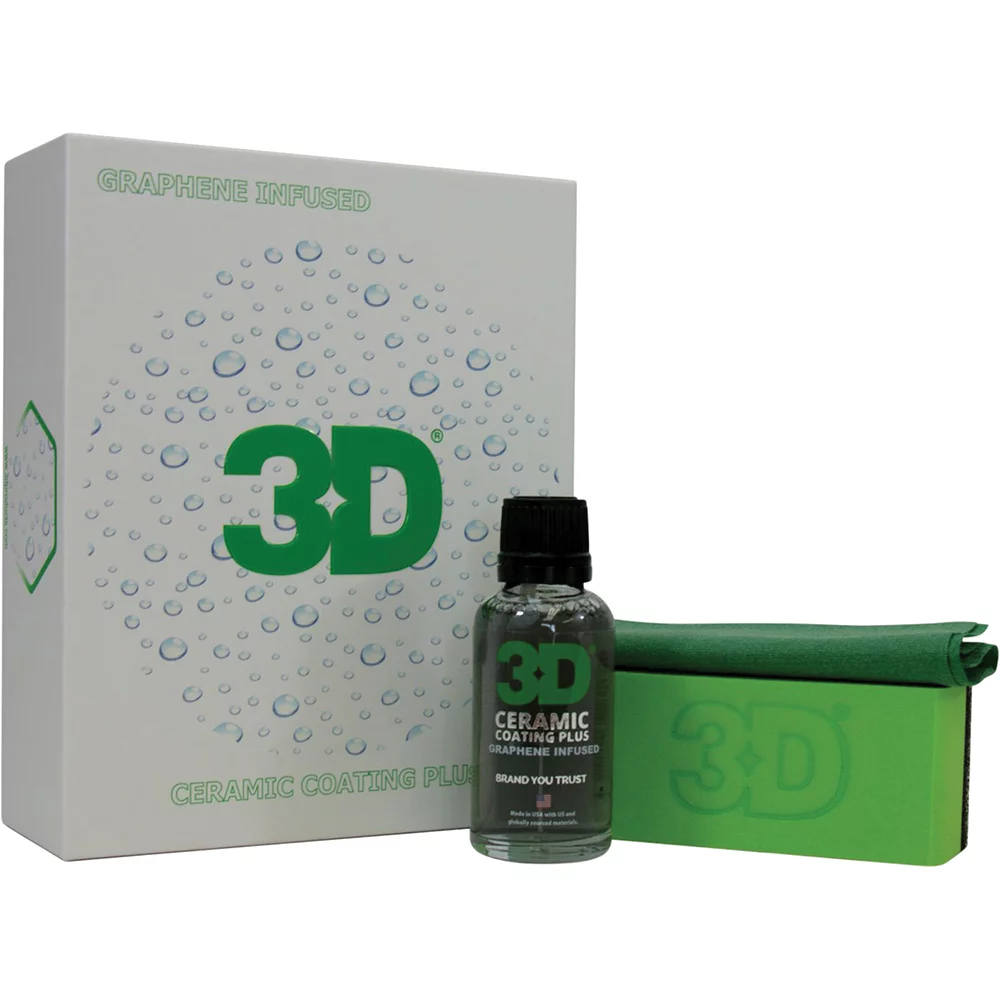
Paint protection film (PPF) provides excellent defense against bird dropping damage. The film’s thick urethane construction resists acid penetration far better than clear coat alone. Droppings can be left on PPF for days without causing permanent damage. For customers with expensive vehicles or those parking in high-risk areas, PPF installation on horizontal surfaces (hood, roof, trunk) represents a worthwhile investment. Ceramic coatings offer some protection by creating a sacrificial barrier and making removal easier, but they don’t prevent etching as effectively as PPF—the acid eventually penetrates the coating and attacks the clear coat beneath.
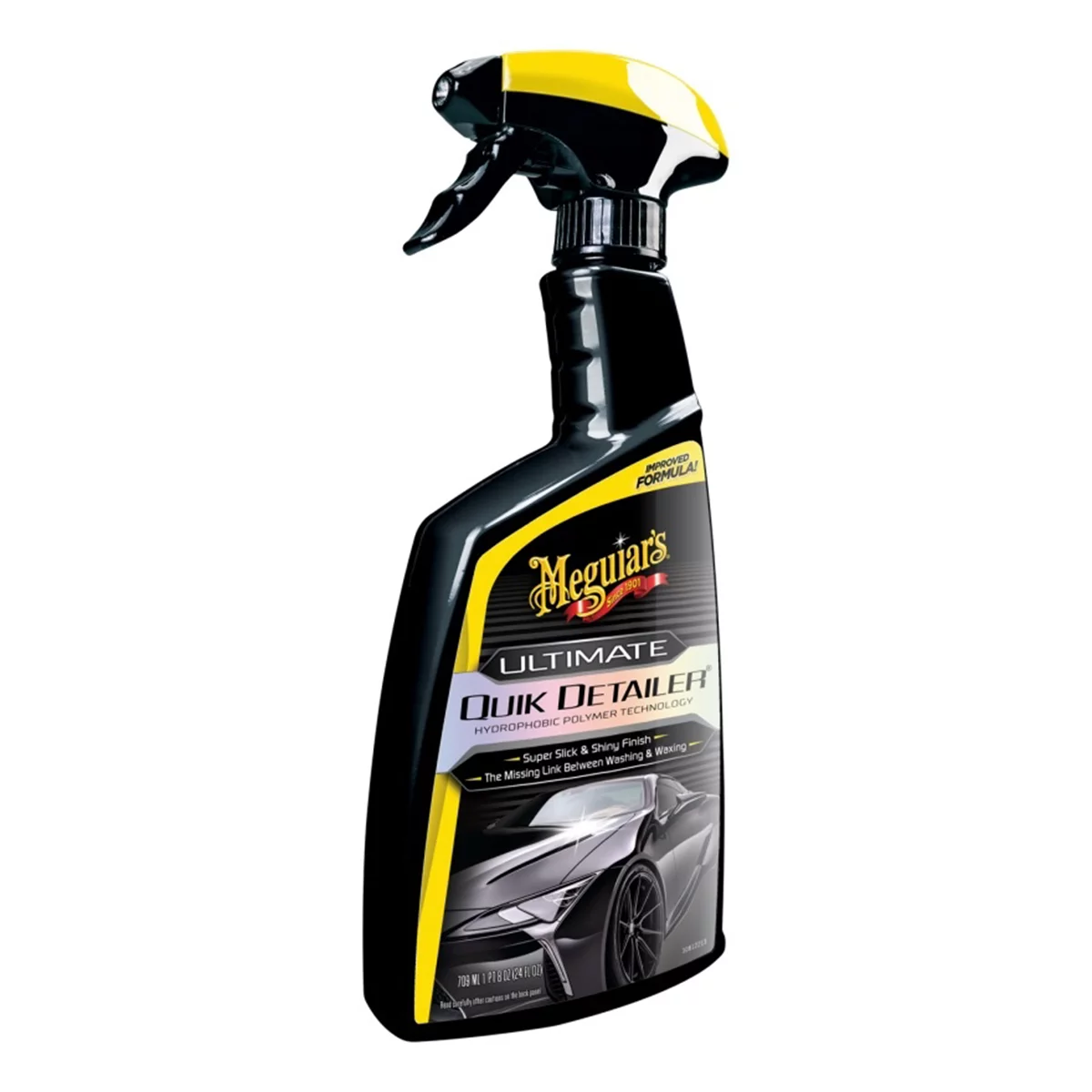
The critical factor in preventing permanent damage is response time. Educate customers about the 24-hour window for preventing serious damage. If droppings are discovered, immediate washing prevents etching. For customers who can’t wash immediately, at least wetting the droppings with water or spray detailer prevents them from baking onto the surface and buys time until proper washing is possible. Keep a spray bottle of quick detailer and microfiber towels in the vehicle for on-the-spot removal.
Regular vehicle washing reduces damage risk. Weekly washing removes droppings before serious damage occurs. During spring and summer months when bird activity peaks, increase washing frequency or at minimum inspect the vehicle every few days for droppings. The small time investment in inspection prevents expensive paint repair.
For commercial fleets or customers with multiple vehicles parked outside, establishing a dropping removal protocol ensures consistency. Designate responsibility for daily vehicle inspection and equip staff with proper removal supplies. The cost of supplies and labor for prevention is negligible compared to paint repair costs multiplied across a fleet.
Quick Reference Checklist for Bird Dropping Damage Assessment
- Examine damage shape—circular or irregular pattern indicates droppings, linear pattern indicates impact
- Check for paint transfer—presence indicates mechanical damage, absence supports chemical etching
- Note damage location—high on panels suggests droppings, bumper-height suggests impact
- Look for vertical streaking below damage—characteristic of droppings, not present with scratches
- Assess rust pattern—radiating from center point indicates droppings, linear rust indicates scratch
- Measure paint depth around damaged area to determine correction feasibility
- Check for multiple damage sites—scattered pattern typical of bird activity
- Document findings with photos from multiple angles and distances for customer communication
Frequently Asked Questions
How quickly does bird dropping damage occur?
Surface-level etching begins within 2-4 hours of contact. Clear coat penetration typically occurs within 24-48 hours under normal conditions, faster in high heat. Damage extending to base coat or metal usually requires 72+ hours, though extreme heat or particularly acidic droppings can accelerate this timeline significantly. The safest approach assumes damage begins immediately and requires removal within 24 hours to prevent permanent etching.
Can I tell what caused paint damage just by looking at it?
Yes, with experience. Bird dropping damage shows circular shapes, no paint transfer, possible vertical streaking, and often appears on horizontal surfaces or high on panels. Impact damage shows linear scratches, paint transfer from the contacting object, and occurs at predictable heights based on the object type. Rust patterns also differ—radiating from a center point for droppings versus linear for scratches.
Will ceramic coating prevent bird dropping damage?
Ceramic coatings provide minimal protection against uric acid etching. They make removal easier and may slow penetration slightly by creating a hydrophobic surface that causes droppings to bead rather than spread, but they don’t prevent the acid from eventually attacking the clear coat underneath. Paint protection film offers substantially better protection because its thick urethane construction resists acid penetration more effectively.
Is it possible to repair bird dropping damage without repainting?
It depends on depth. Light etching confined to the upper clear coat layers can be polished out with machine buffing. Moderate etching deeper into clear coat may require wet sanding followed by multi-stage polishing. Once damage extends through clear coat into base coat or bare metal, proper repair requires repainting the affected area. Paint depth gauge measurements determine whether sufficient clear coat remains for correction.
Why do droppings from some birds cause more damage than others?
Diet significantly affects dropping acidity. Seagulls eating fish produce highly acidic droppings that damage paint faster and more severely than droppings from seed-eating birds. Birds consuming citrus fruits or berries also produce more acidic waste. The pH variation can range from 3.5 to 4.5 depending on species and diet, with lower pH (more acidic) causing accelerated damage.
How do I prevent bird droppings from damaging my customers’ vehicles between service visits?
Customer education is key. Advise parking away from trees and bird perching areas when possible. Recommend weekly washing during high bird activity seasons. Suggest paint protection film for horizontal surfaces on expensive vehicles. Emphasize the 24-hour removal window and provide customers with quick detailer spray and microfiber towels for immediate spot removal when droppings are discovered. For fleet customers, establish daily inspection protocols with designated staff responsibility.
Recommended Tools for Paint Correction
Bird dropping damage often requires polishing compounds, foam pads, and potentially wet sanding supplies to restore the finish properly. Our Paint & Body category stocks the compounds, polishers, and correction tools you need for light etching through deep paint system repairs.
- Machine polishing compounds and foam applicator pads for clear coat restoration
- Wet sanding supplies and fine-grit sandpaper for moderate to deep damage correction
- Paint depth gauges to assess damage extent and remaining clear coat thickness
Essential Paint Protection Products
Protecting your vehicle’s paint from environmental damage is critical for maintaining its finish and resale value. Our Paint and Body category offers professional-grade solutions recommended by automotive technicians.
- Premium ceramic coatings and sealants – Provide long-lasting protection against bird droppings, UV rays, and contaminants
- Professional paint correction compounds – Essential tools for removing etching and restoring damaged paint surfaces
- Detailing clay bars and prep solutions – Must-have items for surface preparation before applying protective coatings

The Toolsource Technical Team blends decades of real-world automotive service experience with up-to-date technical research. Our writers collaborate with professional mechanics, shop owners, and diagnostic specialists to deliver practical, workshop-ready guidance you can trust.


Follow us on social media