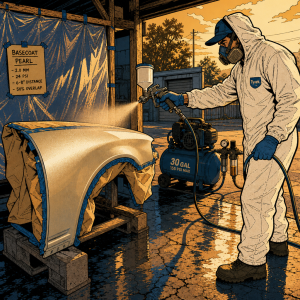
DIY Auto Spray Painting: Equipment, Technique, and Fixing Orange Peel
Open-air spray jobs can look shop-quality if you control contamination, dial in your gun setup, and mix reducer correctly. This guide walks through the equipment, technique, and common fixes—like orange peel and wet sanding—that separate a passable DIY paint job from a great one.
Snap-On, Icon, or Harbor Freight? What Actually Matters When You Buy a Tool Box
Shop talk about “brand queens” and $15,000 boxes never dies, but the consensus from working techs is clear: the box doesn’t fix cars, the tech does. This guide breaks down what actually matters when choosing and financing a tool box.
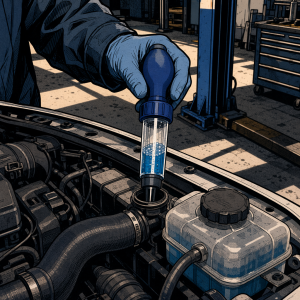
Boiling Coolant vs. Blown Head Gasket: A Technician’s Diagnostic Guide
A bubbling overflow tank or coolant “boiling” out of a funnel doesn’t automatically mean a blown head gasket — often it’s a bad cap, air pocket, or thermostat issue. This guide walks through the actual tests (block/chemical test, pressure test, cylinder leak-down) that separate a $30 fix from a $2,000 repair.
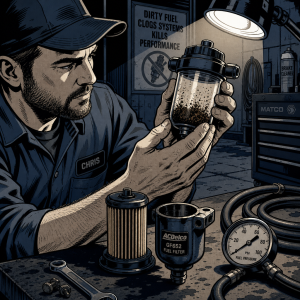
Car Won’t Start or Stalls After Refueling? Here’s What’s Actually Wrong
When a customer says “it wouldn’t start after I filled up,” the reflex diagnosis is bad fuel — but that’s almost never the real cause. This guide walks through the actual failure points: stuck-open EVAP purge solenoids, tank sediment, and how to tell coolant smoke from oil smoke before you start throwing parts at it.
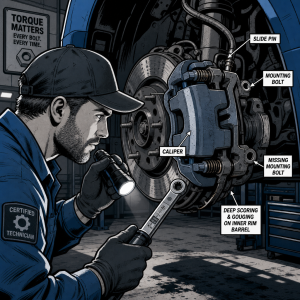
Why Brake Pads Fall Out After a Caliper Job — and How to Prevent the Comeback That Could Kill Someone
A pad physically falling out of a caliper isn’t a “rare fluke” — it’s almost always a missed or loose slide pin, guide bolt, or bracket fastener. Here’s a technician-level breakdown of why it happens, how to catch it before the car leaves the bay, and how to respond if it happens on your watch.
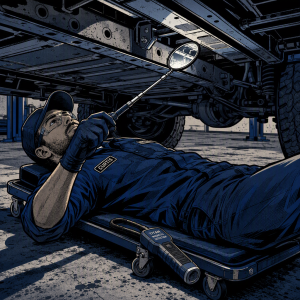
How to Find a Hidden GPS Tracker on a Vehicle: A Shop Tech’s Field Guide
Customers increasingly ask shops to check their vehicle for an unauthorized GPS tracker, often after noticing strange behavior or catching something on a dashcam. Here’s a practical, tool-by-tool method for finding one, plus the correct sequence of steps once it’s confirmed.
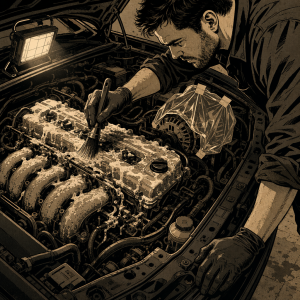
How to Safely Pressure Wash an Engine Bay (And Recover From a Forgotten Oil Cap)
Engine bays can be cleaned safely on most vehicles built after 2000, but technique and prep matter more than the equipment. This guide covers what to shield, how to degrease and rinse correctly, and how to recover if the oil cap got left off after a service.
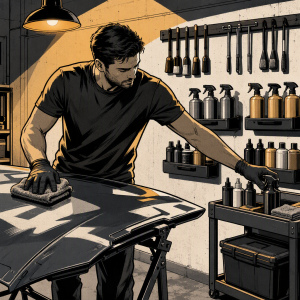
Detailing Bay Organization: A Technician’s Guide to Storage and Product Selection
A working detailing bay only stays useful if it’s organized around what you actually reach for. This guide covers storage hardware, chemical selection, and how to sort field-tested graphene and ceramic products from ones that underperform in practice.
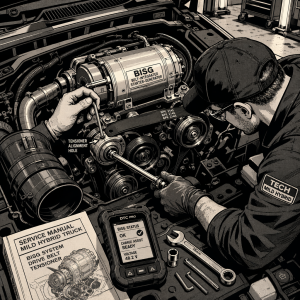
Working on BISG/MGU Hybrid Starter-Generators: A Tech’s Field Guide to eTorque, PowerBoost, and Belt-Alternator-Starter Systems
Belt-integrated starter-generators are showing up on more trucks and mild hybrids, and they’re nothing like the alternators techs grew up with. Here’s a practical rundown of what these units do, how to diagnose them, and where the real time sinks are hiding — especially that belt tensioner.
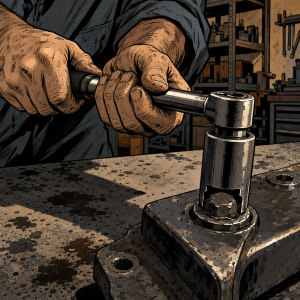
Grip-Edge Bolt Extractor Sockets: Are They Worth the Money?
Rounded bolt heads and stripped Allen fasteners are a daily headache in the shop. Grip-edge extractor sockets — sold under names like Mac Tools RBRT, Matco Gripedge, and various “nano” or “turbo” socket sets — are built specifically to bite into damaged fasteners and back them out without drilling.


Follow us on social media