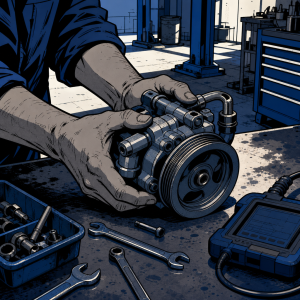
DIY Power Steering Pump Repair: Save $400+
Power steering pump replacement is one of the most cost-effective DIY repairs, saving $400-500 in labor costs for a straightforward 40-90 minute job. This comprehensive guide covers everything from parts sourcing at budget retailers to step-by-step installation procedures, helping you decide whether to tackle this repair yourself or seek professional help.
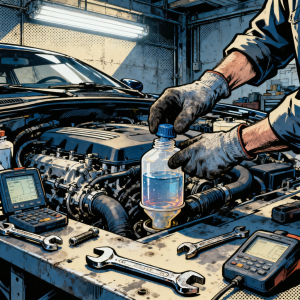
How to Check Power Steering Fluid: A DIY Guide
Learn how to check power steering fluid with this comprehensive guide covering reservoir location, fluid level inspection, condition assessment, and maintenance intervals. Discover vehicle-specific procedures for different systems and understand when flushing becomes necessary versus simple topping off.
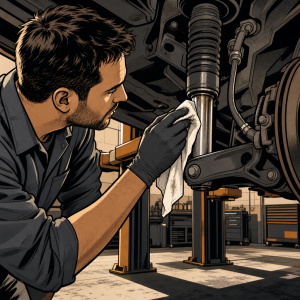
Shock Absorber Seepage vs. Leaking: What Technicians Need to Know
Understanding the difference between shock absorber seepage and actual leaking is critical for proper diagnosis and warranty claims. Most OEMs now distinguish between minor fluid misting and dripping failures, with specific criteria that determine whether a shock qualifies for replacement.
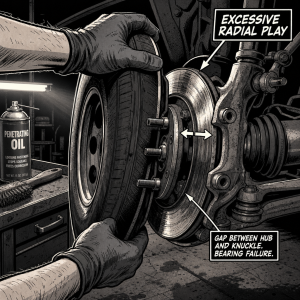
How to Diagnose and Replace a Failed Wheel Bearing Before Catastrophic Failure
A failed wheel bearing isn’t just a noise issue—it’s a safety hazard that can lead to wheel separation and loss of vehicle control. This guide walks technicians through diagnosis, replacement procedures, and the critical warning signs that indicate immediate intervention is required.
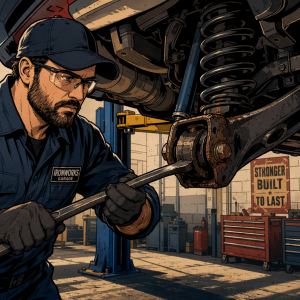
Diagnosing Rear Suspension Failure: When Wheel Bearing and Control Arm Issues Collide
Catastrophic rear suspension failures often present as a combination of failed wheel bearings, compromised control arms, and rust-accelerated component degradation. Understanding the diagnostic sequence and recognizing the warning signs can prevent dangerous roadside breakdowns and guide your repair strategy.
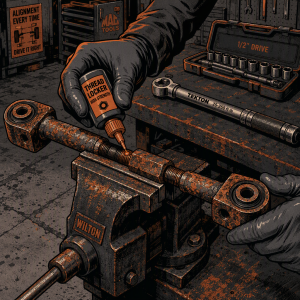
Rear Toe Adjustment Arm Corrosion Recalls: A Technician’s Guide to Replacement, Reuse, and Realignment
Rear toe adjustment arm recalls tied to road-salt corrosion leave techs with real judgment calls: reuse or replace, OEM epoxy-bonded arm or a serviceable aftermarket unit, and how to handle a boot that got nicked during R&R. Here’s a practical, shop-floor breakdown.
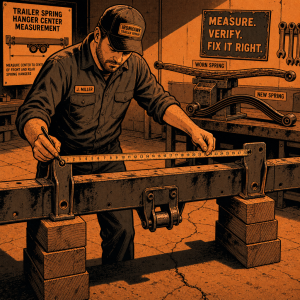
How to Identify and Fix Wrong-Size Trailer Leaf Springs
Installing the wrong-size trailer leaf springs is a costly mistake that can destroy shackles and create dangerous road conditions. This guide shows you how to measure spring hangers correctly, recognize sizing errors before installation, and understand why shackle geometry matters for safe trailer operation.
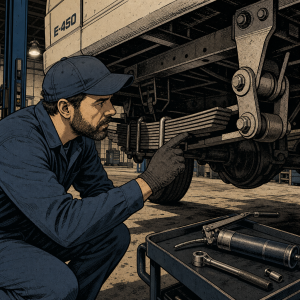
Why Your E-450/F-450 Rides Stiff After a Shackle Replacement (And How to Diagnose It Right)
Customers often assume a shackle job means “new springs,” then complain the ride got worse. This guide walks technicians through verifying what was actually replaced, checking installation orientation, and using load testing to separate a real defect from normal heavy-duty spring behavior.


Follow us on social media