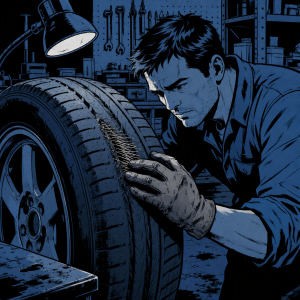
Broken Steel Belts and “Hairy” Tires: A Shop Guide to Diagnosing Belt Separation
Exposed steel strands poking through a tire’s tread or shoulder aren’t cosmetic — they’re broken belts, and the tire is a rolling hazard. Here’s how to diagnose the cause, communicate the risk to customers, and know when to pull the whole axle.
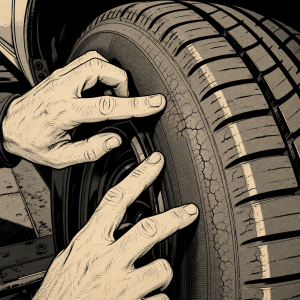
Tire Age vs. Tread Depth: Why the DOT Date Code Matters More Than You Think
Plenty of tires look fine but are quietly failing from the inside out due to age, not mileage. This guide covers how to read DOT date codes, apply manufacturer aging guidelines, and catch the warning signs before a customer’s tire fails on the road.
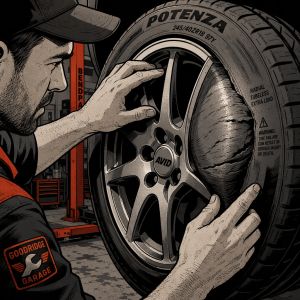
Curb-Damaged Tire: How to Inspect It, Know When to Replace It, and Check What Else Got Hurt
A hard curb strike can shred a tire’s internal structure in seconds, and the damage often extends past the tire itself. Here’s how to inspect the tire, decide whether it’s driveable, and check the wheel, suspension, and alignment before sending the vehicle back out.
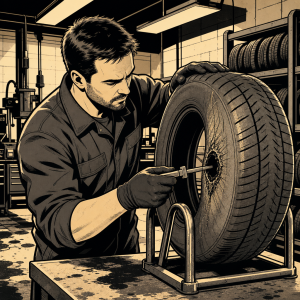
Sidewall Nail Damage: When to Repair vs Replace Your Tire
Sidewall punctures represent one of the most debated scenarios in tire repair. While industry standards typically mandate replacement for any sidewall damage, understanding the structural differences between tread block extensions and load-bearing sidewall areas helps technicians make informed recommendations and explain safety considerations to customers.
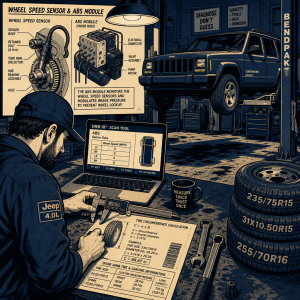
What Happens When Your Dealership Installs the Wrong Tire Size? A Technician’s Guide
When a dealership installs tires larger than factory spec—like 255/65R17 instead of 225/65R17—it creates measurable impacts on speedometer readings, odometer accuracy, and potentially your warranty. This guide breaks down the math, the risks, and the recalibration options every technician should know.


Follow us on social media