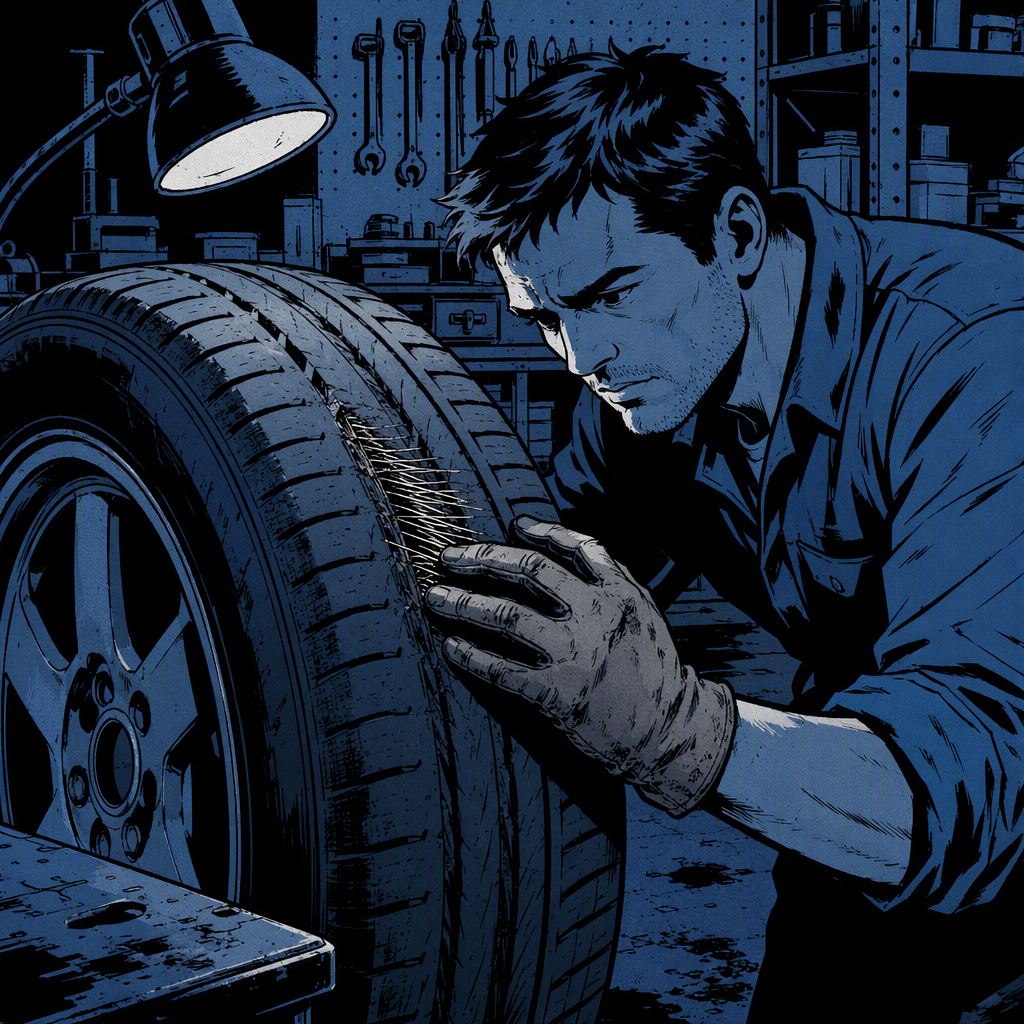
Every shop eventually sees a tire that looks like it’s growing hair — fine steel strands poking up through the tread or shoulder in a ragged line. Customers joke about porcupines and off-road traction, but there’s nothing funny about it on the service side. That texture means the steel belt package under the tread has fractured and is migrating toward the surface, and the tire can fail without warning the moment it’s back under load. This guide walks through how to identify the failure, how to tell a manufacturing defect from age or impact damage, and how to talk a customer through it without guessing.
What’s Actually Happening Under the Tread
A radial tire’s tread is reinforced by one or more steel belt plies sandwiched between the tread rubber and the carcass. Those belts keep the tread flat and round under load. When individual steel strands within a belt break — from fatigue, an impact, corrosion, or a manufacturing flaw — the belt loses its ability to hold shape. The broken ends work their way toward the tread surface as the tire flexes, eventually poking through as wiry filaments. Techs and tire builders sometimes call this “migrating” belt wire, and once you see it, the tire is done. There’s no repair for broken belt cords; the structural reinforcement is compromised and the tread can separate from the carcass entirely, sometimes explosively, especially under highway speed and heat.
This is different from ordinary sidewall bulging (which usually points to an impact break in the sidewall plies) or simple dry rot cracking. Broken belt wire specifically shows up as short, hair-like or bristle-like protrusions, usually concentrated along one shoulder or in a band around the circumference, sometimes with a visible ridge or flat spot where the belt has shifted.
Manufacturing Defect, Age, or Impact — How to Tell Them Apart
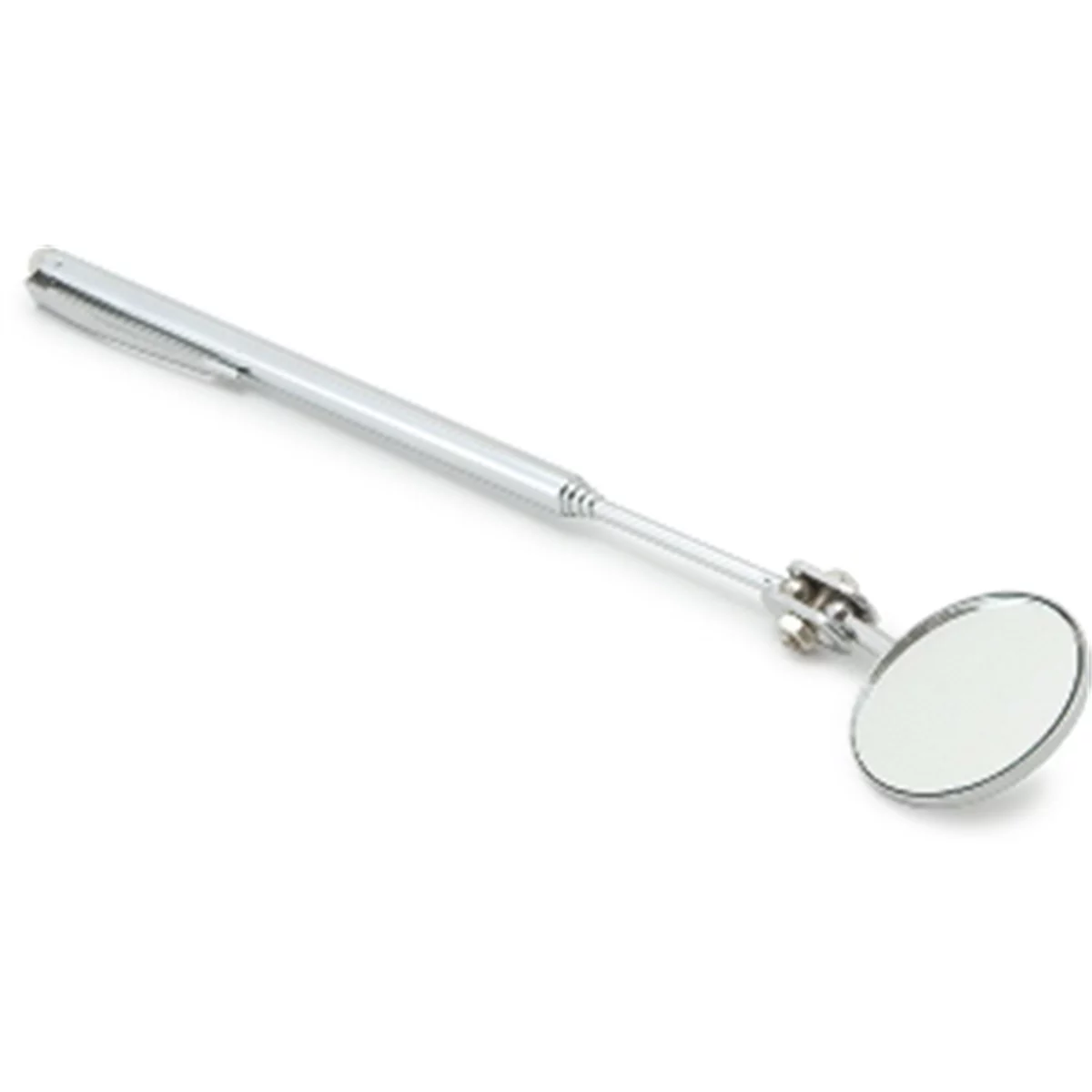
Replacement Head for Inspection Mirror - 3-1/4 In Diameter
Mfg: Ullman Devices Corp.
Part #: S-2HD
Techs in the tire manufacturing side describe multiple inspection points before a tire ever leaves the plant — raw rubber checks, component inspection, green tire inspection, and X-ray or physical inspection of the finished tire. Even with all of that, defects escape. A known failure mode is a liner or ply misalignment during the belt-building stage that leaves belt strands offset from where they should sit, so they’re already close to the surface before the tire is even cured. That kind of defect tends to show up early in the tire’s life, sometimes with low mileage, and often affects more than one tire from the same production batch — which is why it’s worth checking sibling tires (same axle set, same purchase date) when one fails this way.
Age-related belt fatigue looks different in the shop record: tires with a DOT code showing 8-10+ years, especially ones that sat with a load on them for long stretches (trailers, campers, boat trailers) or spent a lot of time underinflated or exposed to UV and ozone. Rubber and adhesive bonds degrade over time even with good tread depth remaining and no visible cracking, and belt corrosion can start if moisture gets past a sidewall crack or puncture. A tire with low mileage but old date code showing this symptom is a strong candidate for age/storage failure rather than manufacturing defect.
Impact or road hazard damage usually presents differently — a localized bulge, cut, or knot near where an impact occurred, rather than a broad band of exposed wire. If a customer reports hitting a pothole or curb hard shortly before the symptom appeared, treat it as impact-related and inspect the immediate area for cuts or interior damage rather than assuming a batch defect.
No products found for “tire tread depth gauge and sidewall inspection light kit”
Shop Inspection Steps
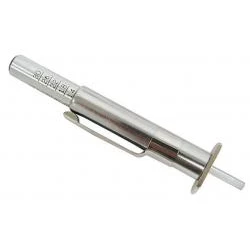
When a customer brings in a tire with this complaint, work through it methodically before making a call on cause:
- Read and record the full DOT code to establish manufacture date and plant/batch info.
- Check tread depth and overall wear pattern — even wear with wire showing points more toward defect or age; uneven/cupped wear with wire on one shoulder points more toward alignment, underinflation, or impact.
- Inspect the sidewalls for bulges, cuts, or repair patches that might indicate a prior impact.
- Check the mounted position and pull the tire to look at the inner liner and bead area for damage that wouldn’t be visible from outside.
- Compare against any other tires from the same set — if two tires from the same purchase show the same symptom, that’s a strong signal toward a batch or manufacturing issue rather than isolated damage.
- Photograph the wire pattern, the DOT code, and the wear pattern before disposal — this documentation is what a manufacturer’s warranty adjuster or rep will ask for.
Whatever the cause turns out to be, do not attempt to drive on, patch, or “shave” a tire showing exposed belt wire. The belt has already lost structural integrity in that area, and internal separation is almost always more extensive than what’s visible externally.
Why This Can’t Be Repaired or Deferred
Once steel belt strands are visibly breaking the tread surface, the belt-to-tread and belt-to-carcass bond in that area has already failed internally, not just at the point you can see. Continued driving flexes the weakened area repeatedly, generating heat that accelerates the separation. Full belt/tread separation at speed can cause a sudden loss of control, especially on the drive or steer axle of a vehicle, or a blowout on a trailer that’s harder to notice until the tire is already shredding. There is no interim step here — the standard advice across the trade is immediate replacement, not “monitor it” or “reduce speed and keep an eye on it.” If the customer wants to keep driving on it to get somewhere, at minimum drop tire pressure guidance out of the conversation entirely and be direct that the tire could fail at any time under normal driving pressure.
Handling the Warranty and Customer Conversation
If the inspection points toward a manufacturing defect — young age, low mileage, batch-matching symptoms across a tire set, or an obviously offset belt line — document everything (DOT code, photos, mileage, purchase date/receipt if available) and start a warranty claim with the manufacturer or the distributor’s adjustment program rather than telling the customer it’s “just one of those things.” Manufacturers do honor these when the evidence supports it, and a documented case moves faster than a verbal description.
If the evidence points to age or storage conditions — a decade-old DOT code on a trailer or seasonal-use vehicle — be straightforward that most manufacturers won’t warranty age-related failure past their stated service life, but this is still worth flagging to the customer as a broader lesson: tires older than 6-10 years should be inspected regularly regardless of tread depth, and trailer/spare tires in particular age out well before they wear out because they see so little flexing and rotation.
Either way, always recommend inspecting and likely replacing the mate tire on the same axle or set, particularly for matched-batch defects or when both tires share the same age and storage history. A customer who lost one tire to belt separation is a reasonable candidate for the second one failing on the drive home.
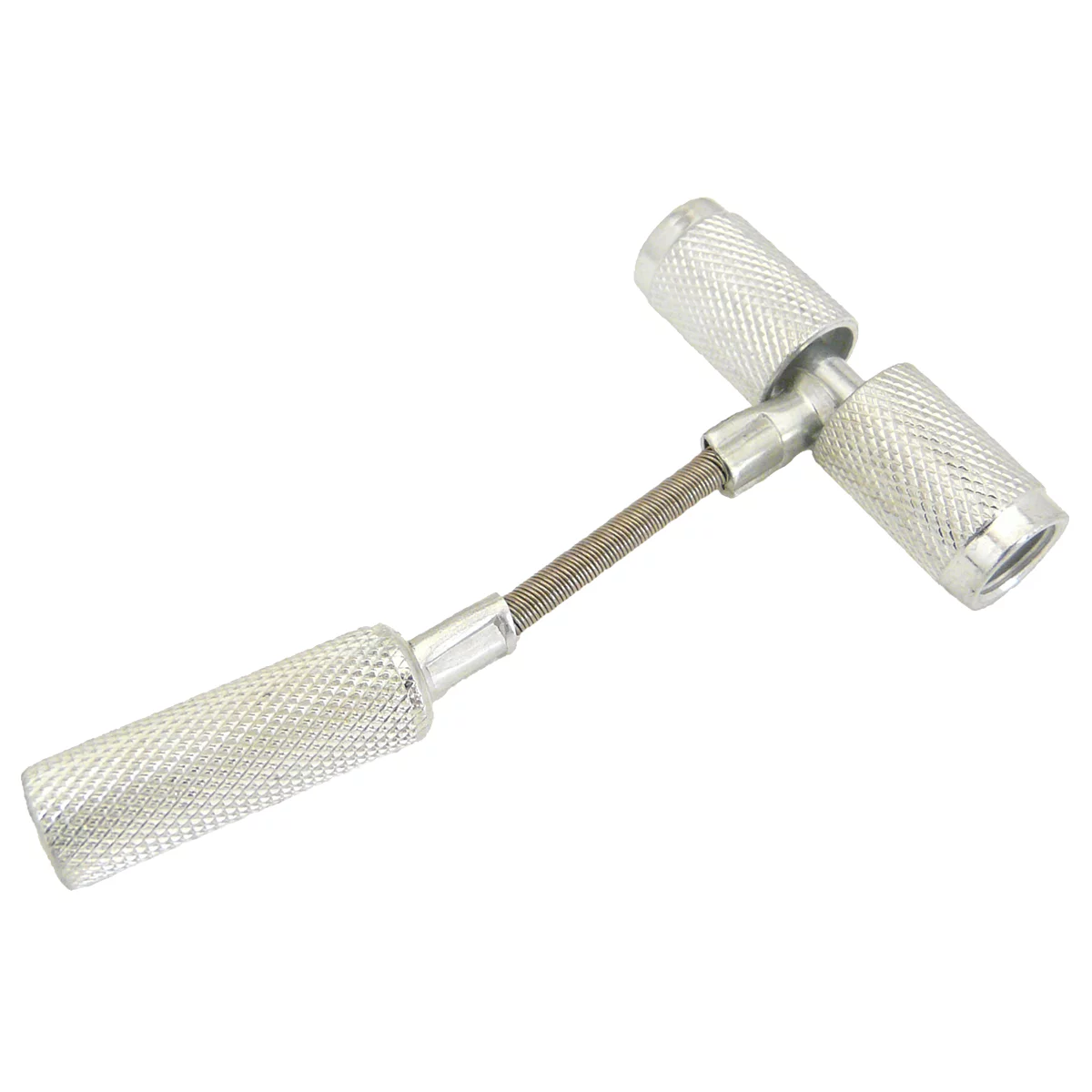

PERFORMANCE TOOL BRAKE ROTOR AND TREAD DEPTH
Mfg: Wilmar – Performance Tool
Part #: W80628
ID: 339459

Frequently Asked Questions
Is a tire with exposed steel belt wire safe to drive on to get home?
No. Treat it as an immediate replacement, not a “drive carefully” situation. The belt has already lost integrity in that area and full separation can happen without warning, including at low speed.
Can a tire shop repair broken belt wire with a patch or plug?
No. Patches and plugs address punctures through the tread and liner, not structural belt damage. There is no accepted repair for broken belt cords — the tire must be replaced.
How do I know if this is a manufacturing defect versus normal aging?
Check the DOT date code, mileage, and wear pattern. Low mileage with a recent manufacture date and matching symptoms on a sibling tire from the same purchase points toward a defect. High age (8+ years) with light use, especially on trailers or seasonally stored vehicles, points toward age-related belt fatigue.
Should I replace just the one tire or the whole axle/set?
Inspect and strongly consider replacing the mate tire on the same axle, and any tire from the same purchase batch showing similar symptoms. Matched-batch and matched-age tires often fail close together.
What information should I collect for a manufacturer warranty claim?
Full DOT code, purchase date and receipt if available, current mileage, tread depth, and clear photos of the wire/defect location and the wear pattern before the tire is scrapped.
Does tire age matter even if there’s plenty of tread left?
Yes. Rubber compounds and internal adhesive bonds degrade with age and heat cycles independent of tread wear, which is why low-mileage tires on trailers, RVs, and seasonal vehicles can still fail from belt or bead separation well before the tread wears out.
Shop Tools for Tire Diagnosis
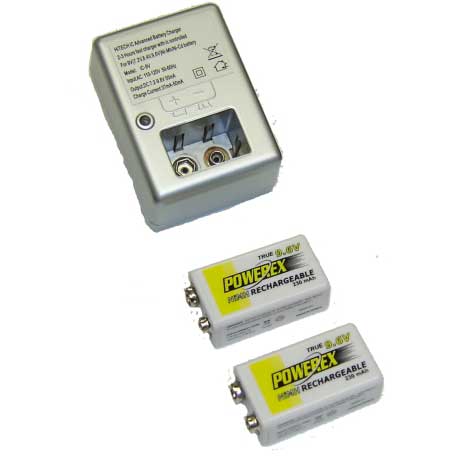
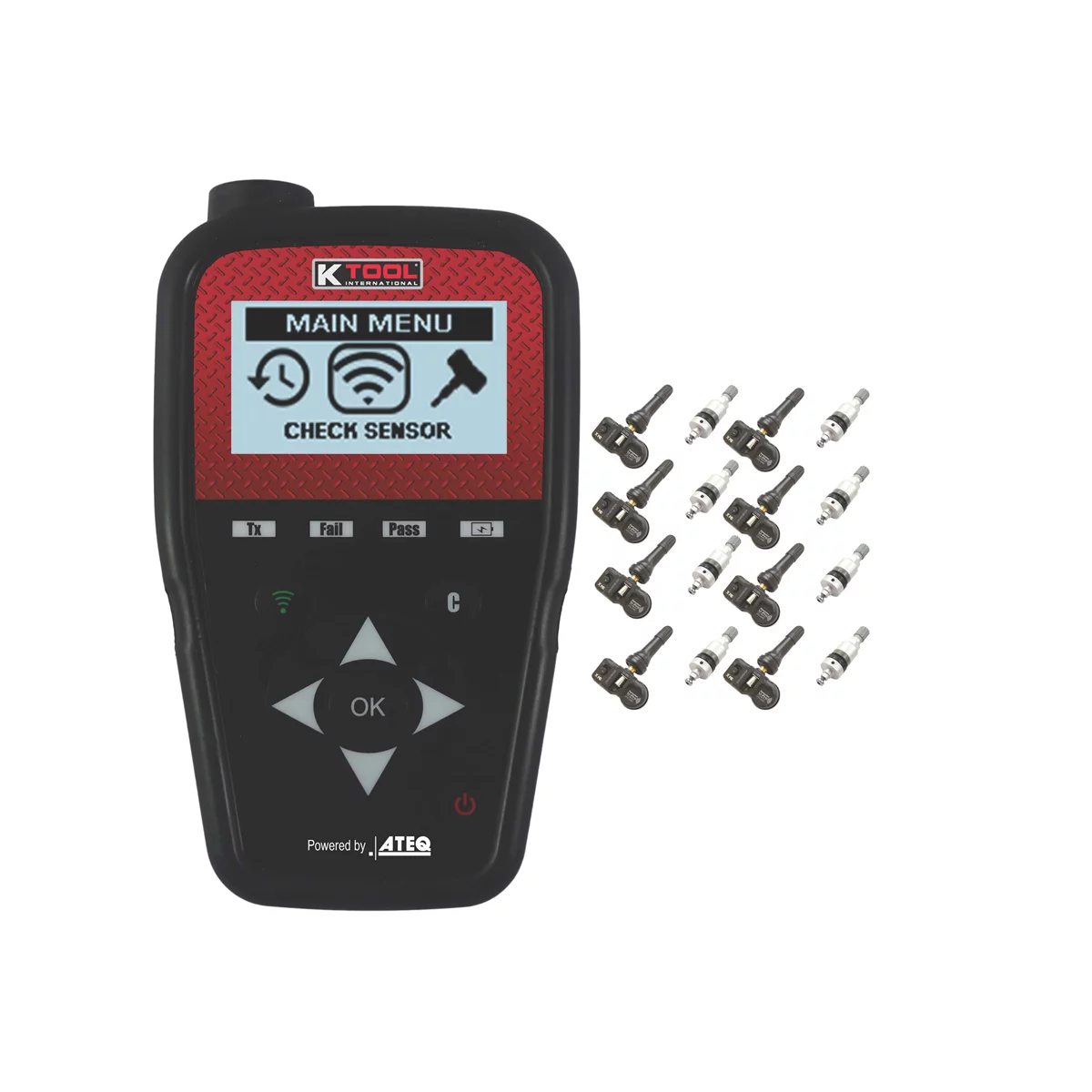
Accurate diagnosis of belt separation and other tire failures starts with the right equipment. Stock your shop with tire tools, wheels, and suspension gear built for professional inspection and maintenance.
- Tire depth gauges and tread wear indicators
- Tire levers and removal tools
- Wheel balancing and suspension equipment
Complete Your Shop Setup
After mastering tire belt separation diagnostics with our comprehensive guide, you’ll want to ensure your shop has all the essential tools at hand. Explore our full Uncategorized category to discover the equipment and instruments every professional technician needs for thorough tire and suspension inspections.
- Tire depth gauges and wear measurement tools for precise tread assessment
- Belt separation detection devices and borescope inspection mirrors
- Tire removal, installation, and balancing equipment

The Toolsource Technical Team blends decades of real-world automotive service experience with up-to-date technical research. Our writers collaborate with professional mechanics, shop owners, and diagnostic specialists to deliver practical, workshop-ready guidance you can trust.


Follow us on social media