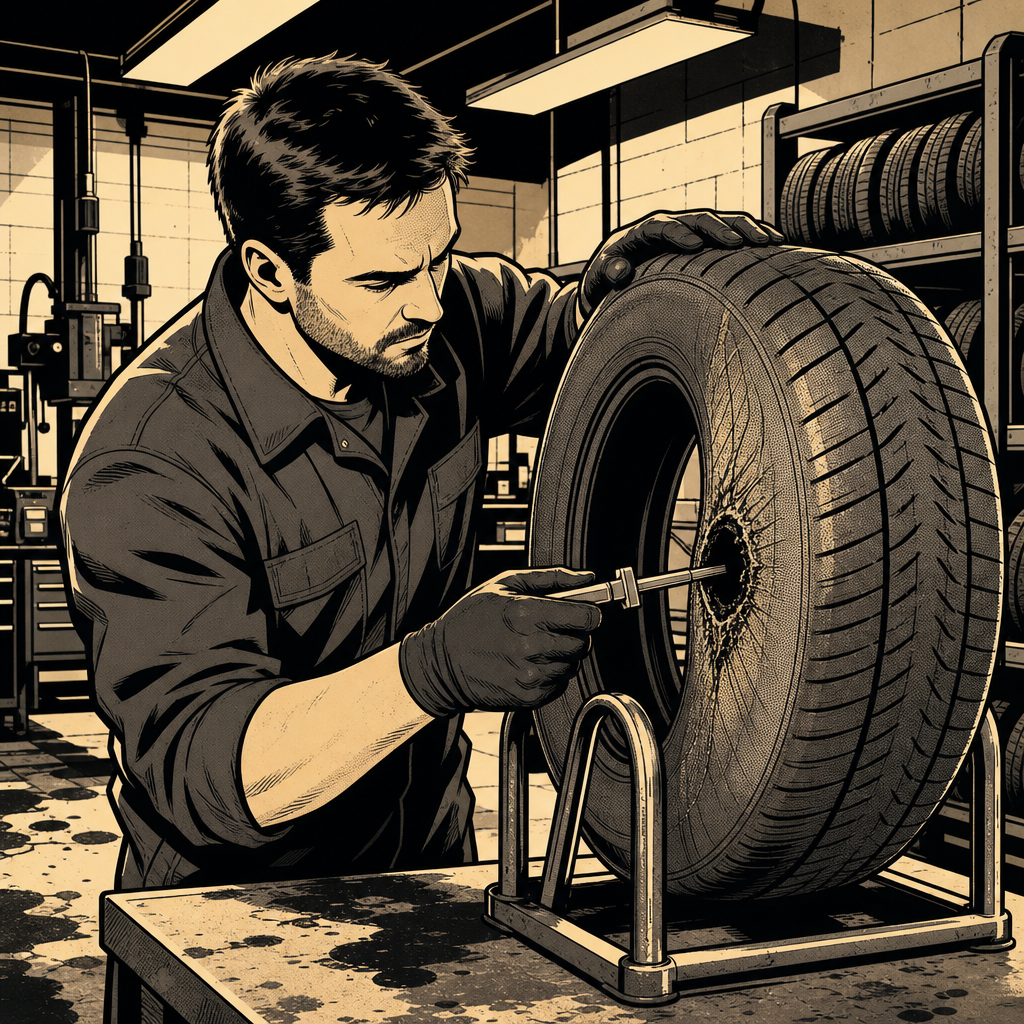
When a customer rolls into your bay with a nail protruding from the sidewall area, the conversation that follows often becomes contentious. The tire looks otherwise fine, the puncture appears superficial, and the customer understandably wants to avoid the expense of replacement. Yet industry certification standards from organizations like the Rubber Manufacturers Association (RMA) explicitly prohibit sidewall repairs. Understanding why this prohibition exists, when exceptions genuinely apply, and how to communicate the structural realities to customers separates professional technicians from parts-changers. This guide examines the anatomy of sidewall punctures, legitimate repair boundaries, and the liability considerations that should inform every recommendation you make.
Understanding Tire Sidewall Anatomy and Load Distribution
The sidewall serves fundamentally different structural functions than the tread area. While the tread primarily handles road contact and wear resistance, the sidewall contains the radial cords that support the vehicle’s weight and absorb lateral forces during cornering. These cords run perpendicular to the tread direction, creating the tire’s load-bearing framework. When inflated, the sidewall experiences continuous flexing stress that the relatively rigid tread area does not encounter.
The confusion around “sidewall” damage often stems from decorative tread block extensions that extend down the shoulder. These styling elements—thin rubber protrusions designed purely for aesthetics—sit outside the actual structural sidewall. On many highway tires, this decorative layer measures only 1/8 inch thick and contains no structural cords. A puncture that penetrates only this cosmetic layer without reaching the underlying carcass presents a different scenario than true sidewall penetration.
Professional assessment requires determining whether the puncture compromised any structural cords. Visual inspection alone proves insufficient. Even if you cannot see torn cords, the puncture may have separated or weakened fibers internally. The flexing action of the sidewall during operation can progressively worsen this hidden damage, eventually leading to catastrophic failure. This delayed-failure mechanism explains why reputable shops categorically reject sidewall repairs regardless of initial appearance.
Industry Repair Standards and Certification Requirements
RMA standards and corresponding certification courses establish clear boundaries: no repairs in the sidewall area, defined as the region from the tread edge to the bead. This prohibition exists because repair patches and plugs cannot restore structural integrity to damaged cord layers. While a properly executed tread repair essentially creates a new rubber section bonded to undamaged carcass, sidewall repairs cannot achieve this same structural restoration due to the flexing motion and cord orientation.
Technicians working at certified shops face liability exposure when deviating from these standards. If a sidewall-repaired tire fails and causes an accident, the resulting investigation will reveal the non-standard repair. Insurance companies and legal proceedings will hold the repair shop accountable for ignoring published safety guidelines. This liability consideration outweighs any customer pressure to “just patch it.”
The certification courses emphasize these standards specifically because sidewall failures differ from tread failures. A tread puncture typically results in gradual air loss that drivers notice before catastrophic failure. Sidewall failures often manifest as sudden blowouts at highway speeds, creating significantly higher accident risk. The asymmetric failure mode justifies the categorical prohibition even when individual cases might appear safe on superficial inspection.
===PRODUCT-SEARCH-1===
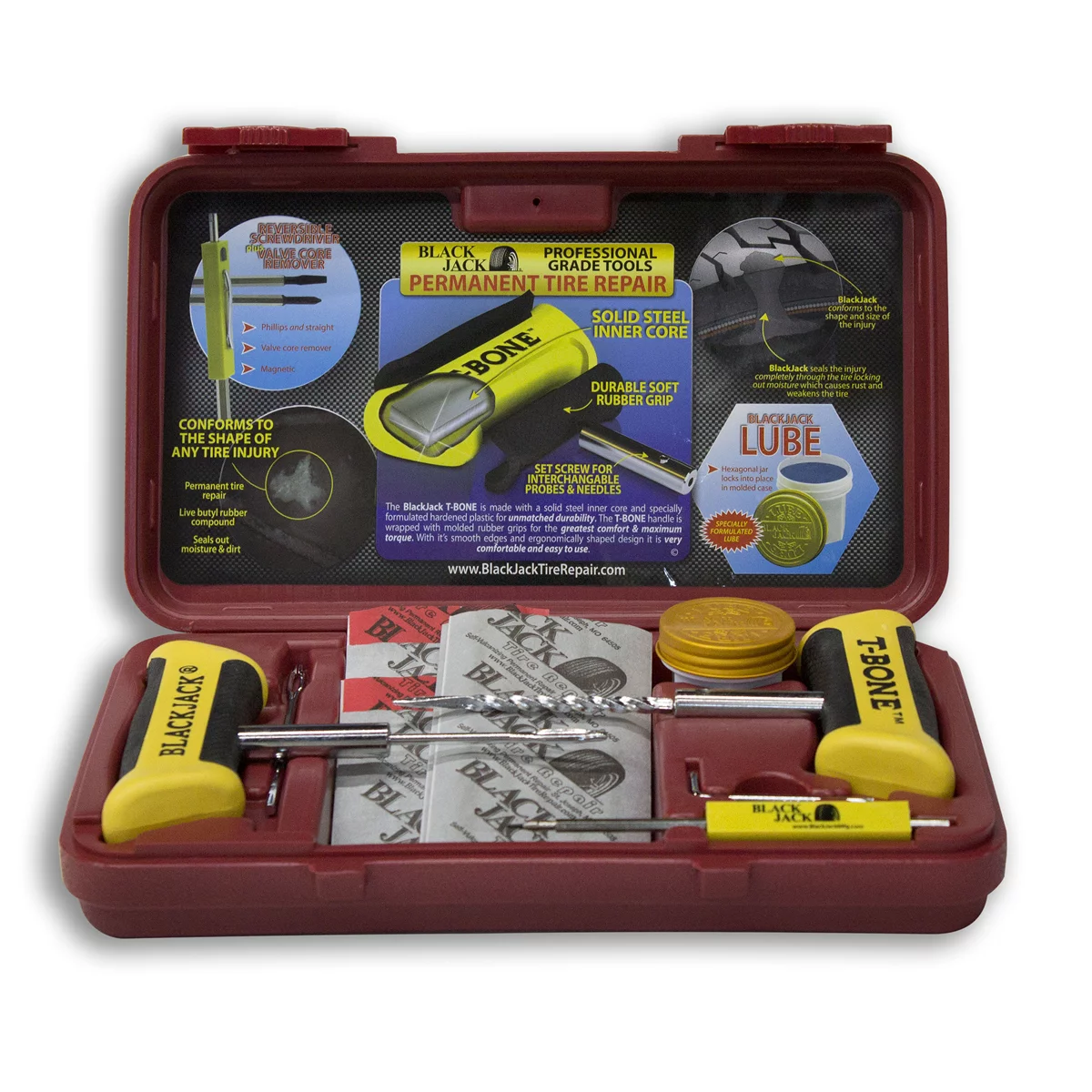
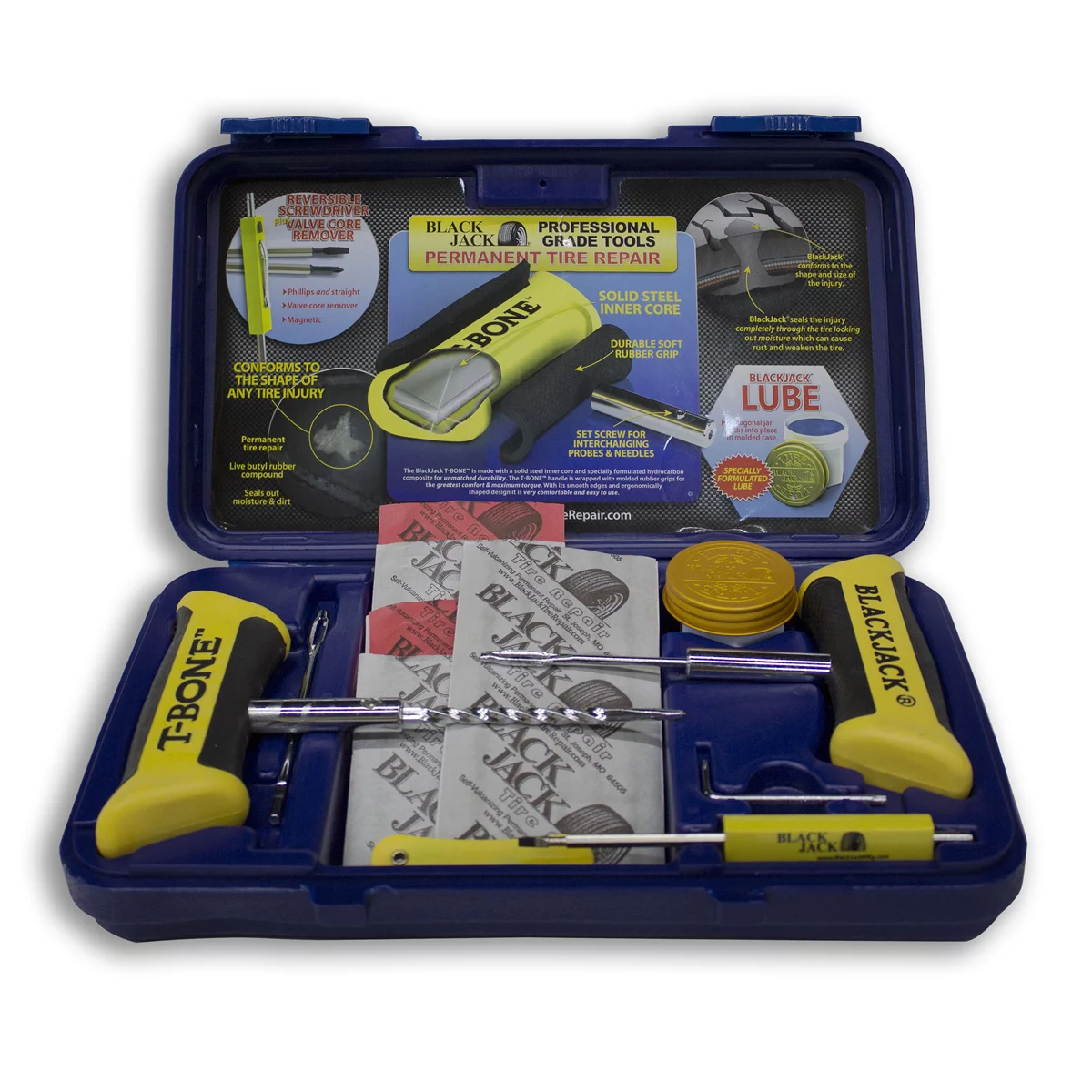
tire repair patch kit
===PRODUCT-SEARCH-1-END===
Assessing True Sidewall vs Tread Block Extension Damage
Accurate damage assessment begins with understanding your specific tire design. Remove the penetrating object carefully while noting the angle and depth. Examine the puncture channel using proper lighting and magnification if available. The critical question: did the penetration reach the structural carcass or only penetrate the decorative rubber layer?
On tires with prominent shoulder styling blocks, use a depth gauge or even careful probe insertion to measure actual penetration depth. Compare this against the known thickness of the decorative layer for that tire model. If the nail clearly stopped within the aesthetic rubber without reaching cord layers, you’re facing a fundamentally different scenario than true sidewall penetration. However, making this determination requires confidence in your assessment and willingness to accept the risk.
The conservative approach—treating any shoulder-area puncture as sidewall damage—remains the legally defensible position. Even if you correctly identify a purely superficial puncture, documenting this assessment and explaining your reasoning to the customer becomes essential. Many technicians reasonably conclude that the modest profit from a repair versus replacement recommendation doesn’t justify the liability exposure of making exceptions to categorical standards.
Consider also the tire’s overall condition and remaining tread life. A nearly-worn tire with questionable shoulder damage makes replacement obvious. A new tire with 2/32nds tread wear and a genuinely superficial puncture presents harder decisions. Customer relationship value, shop policy, and your professional judgment all factor into the final recommendation.
When Replacement Is Non-Negotiable
Certain damage characteristics mandate immediate replacement regardless of customer objections or cosmetic appearance. Any visible cord damage—fraying, separation, or exposed fibers—represents catastrophic structural failure risk. The cords cannot be repaired or restored; once compromised, replacement is the only safe option.
Punctures located in the load-bearing sidewall rather than the shoulder transition zone fall under categorical replacement requirements. This includes the area from mid-sidewall down to the bead, where flexing stress peaks during operation. Even small punctures in this region create stress concentration points that will propagate under normal driving conditions.
Multiple punctures in proximity, even if individually minor, create combined weakening that exceeds safe thresholds. The rubber and cord structure between punctures experiences elevated stress that accelerates failure. Similarly, punctures combined with other damage—curb rash, impact bulges, weather checking—multiply the failure risk beyond acceptable levels.
Age considerations also matter. Tires approaching or exceeding six years from manufacture date already face degraded cord adhesion and rubber integrity. Adding puncture damage to aging tires creates compounding risk that justifies replacement even for damage you might consider repairable on newer tires. Check the DOT date code and factor age into your assessment.
Communication Strategies for Customer Pushback
Customers often resist sidewall replacement recommendations because they don’t understand the structural differences from tread repairs. Your explanation should focus on failure modes rather than just citing standards. Describe how sidewall flexing differs from tread contact, how cords distribute load, and why patches cannot restore this function. Visual aids—cross-section diagrams or demonstration tires showing internal construction—make abstract concepts concrete.
Emphasize the safety implications specific to sidewall failures: sudden blowouts versus gradual air loss, loss of control at highway speeds, and the particular danger in emergency maneuvers when sidewall integrity matters most. Frame the recommendation as protecting their family rather than just following rules. Most customers respond better to safety reasoning than regulatory citations.
Offer to show them the damage directly. Removing the tire and pointing out the puncture location relative to structural zones helps customers visualize why their “small nail” creates serious concerns. If you can safely demonstrate the difference between decorative shoulder rubber and actual sidewall, do so. Education converts skeptics more effectively than authority appeals.
Document your recommendation thoroughly in writing. If a customer chooses to drive on questionable sidewall damage against your advice, written documentation protects your shop legally. Have them sign an acknowledgment that they declined recommended replacement. This documentation proves essential if the tire later fails and they claim inadequate warning.
Cost Factors and Replacement Optimization


Sidewall damage rarely affects all four tires, raising the question of how many to replace. On all-wheel-drive vehicles, tire diameter matching requirements often mandate replacing multiple tires even when only one suffers damage. Many AWD systems require all tires within 2/32nds tread depth of each other to prevent drivetrain damage from rotational speed differences.
Check the manufacturer’s specifications for allowable tread depth variance. Some systems tolerate 3/32nds while others require tighter matching. Calculate the remaining tread on the undamaged tires and determine whether you can match it with a new tire shaved to spec. Tire shaving services can reduce new tire tread depth to match worn tires, allowing single-tire replacement on AWD vehicles while maintaining proper diameter matching.
For two-wheel-drive vehicles, replacing in pairs—both fronts or both rears—remains best practice when the damaged tire has significant remaining tread. This maintains balanced handling characteristics and even wear patterns. Replacing only the damaged tire creates a mismatched axle that affects handling predictability, particularly in emergency maneuvers or adverse weather.
Consider the customer’s budget constraints realistically. While recommending four-tire replacement on an AWD vehicle with a single sidewall puncture represents the technically correct advice, many customers cannot afford this immediately. Offering a prioritized approach—replace the damaged tire now with a shaved match, then plan for remaining tires as budget allows—provides a practical path forward that maintains safety while acknowledging financial reality.
Preventive Measures and Customer Education
Use sidewall damage cases as opportunities to educate customers on prevention. Curb strike remains the leading cause of sidewall damage, often resulting from parking misjudgments or low-speed impacts that drivers don’t even notice. Recommend increased awareness of curb proximity when parking and using mirrors or cameras to judge clearance accurately.
Proper tire pressure maintenance reduces sidewall damage risk significantly. Underinflated tires flex excessively, increasing sidewall stress and making puncture penetration easier. Over-inflation reduces the tire’s ability to deflect around road hazards, increasing impact damage likelihood. Recommend monthly pressure checks using accurate gauges, not just visual inspection.
Road hazard awareness particularly matters in construction zones, industrial areas, and rural roads where debris concentrations increase. Advise customers to reduce speed in these areas, increasing reaction time to avoid debris. While you can’t dodge every nail, defensive driving reduces exposure significantly.
Finally, recommend regular tire inspections beyond just tread depth checks. Many sidewall issues develop gradually—weather checking, cord separation, impact bulges—before catastrophic failure. Catching these problems early allows planned replacement rather than emergency roadside scenarios. Offer free periodic inspections as a customer service that builds loyalty while genuinely protecting safety.
===PRODUCT-SEARCH-2===
tire pressure gauge digital
===PRODUCT-SEARCH-2-END===
Quick Reference Checklist: Sidewall Damage Assessment
- Remove penetrating object carefully and note entry angle and depth
- Inspect puncture location: true sidewall vs. decorative shoulder tread block
- Check for visible cord damage, fraying, or separation around puncture
- Measure actual penetration depth against decorative layer thickness
- Assess tire age via DOT date code (six years or older increases risk)
- Evaluate overall tire condition: remaining tread depth, other damage, wear patterns
- For AWD vehicles, measure tread depth variance across all four tires
- Document assessment and recommendation in writing with customer acknowledgment
- Explain failure modes and safety implications specific to sidewall damage
- When in doubt, recommend replacement—liability and safety outweigh repair profit
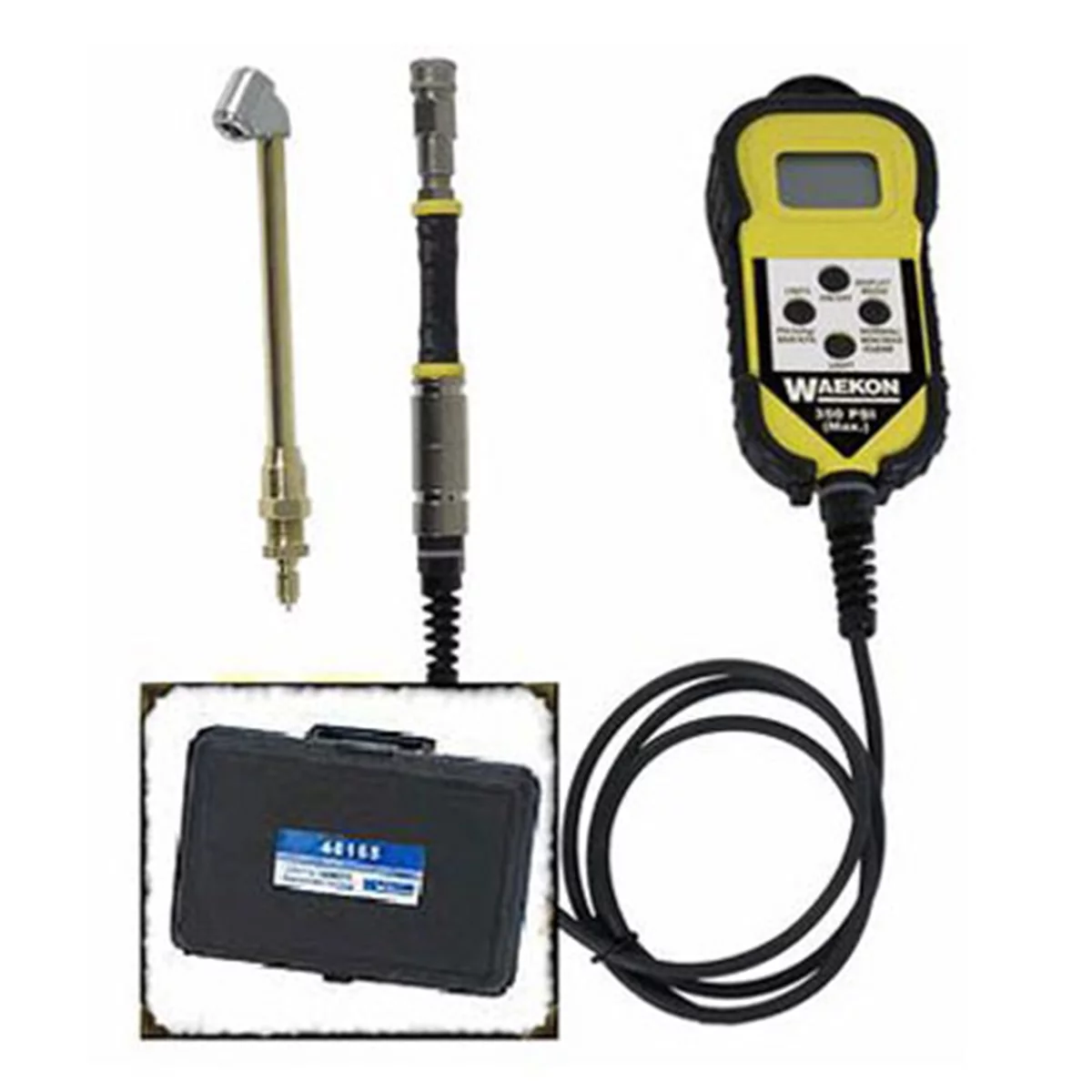
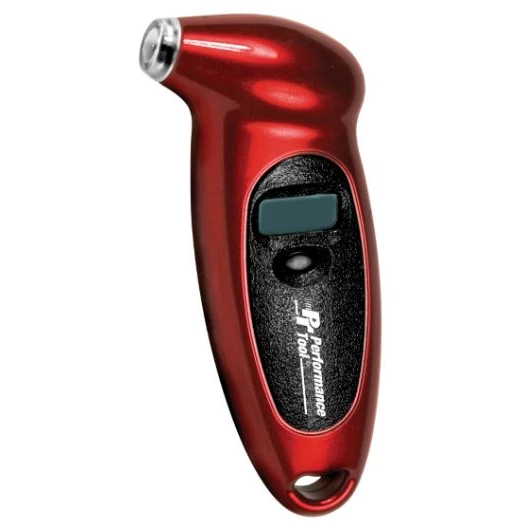
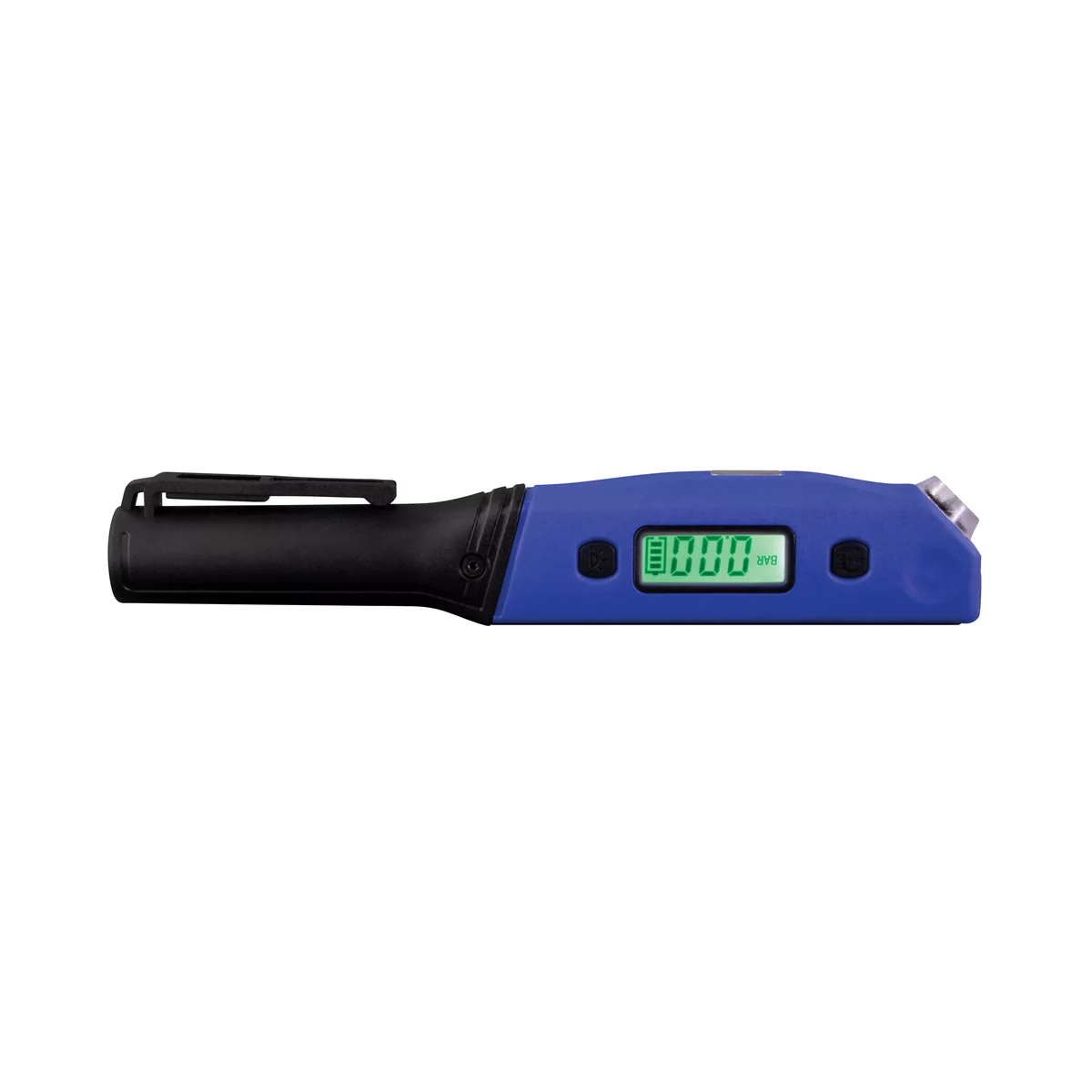
2 in 1 Digital Tire Pressure Gauge with Pen Light
Mfg: Cal-van Tools
Part #: 85110
ID: 387408
Frequently Asked Questions
Can any sidewall puncture be safely repaired?
Industry standards prohibit all sidewall repairs because patches and plugs cannot restore structural integrity to damaged cord layers that bear vehicle weight. While some superficial damage to decorative tread block extensions may not compromise the actual sidewall structure, making this distinction requires expert assessment and accepting liability risk. Most certified shops categorically replace rather than repair any shoulder or sidewall damage to maintain safety margins and avoid legal exposure.
Why does sidewall location matter more than puncture size?
The sidewall contains radial cords that support vehicle weight and flexes continuously during operation, creating stress patterns completely different from the relatively stable tread area. Even small punctures in this region create stress concentration points that propagate during normal flexing. Tread punctures typically result in gradual air loss with warning signs, while sidewall failures often manifest as sudden blowouts at speed, creating severe accident risk that justifies conservative replacement standards.
How do I know if a nail only damaged the decorative rubber layer?
Careful measurement of penetration depth compared against the known thickness of the decorative shoulder layer provides the primary assessment method. Many highway tires feature 1/8-inch styling rubber over the structural shoulder area. If the nail clearly stopped within this cosmetic layer without reaching underlying cords, structural integrity may remain intact. However, this assessment requires confidence in your measurement and willingness to accept responsibility if hidden cord damage exists. The conservative approach treats all shoulder-area punctures as structural damage.
Do I need to replace all four tires if one has sidewall damage?
AWD vehicles often require all tires within 2/32nds to 3/32nds tread depth of each other to prevent drivetrain damage from rotational speed differences. Check manufacturer specifications for your specific vehicle. Tire shaving services can reduce new tire tread depth to match worn tires, allowing single-tire replacement while maintaining proper diameter matching. Two-wheel-drive vehicles should replace in axle pairs when the damaged tire has significant remaining tread to maintain balanced handling characteristics.
What causes most sidewall damage besides road debris?
Curb strikes represent the leading cause of sidewall damage, often from parking misjudgments or low-speed impacts drivers don’t notice immediately. Underinflation increases sidewall flexing and puncture susceptibility while reducing impact resistance. Overloading beyond the tire’s rated capacity overstresses sidewall cords. Age-related degradation weakens cord-to-rubber adhesion, making older tires more vulnerable to damage from impacts that newer tires would survive without structural compromise.
How can customers tell if their tire has hidden sidewall damage?
Visible bulges or bubbles in the sidewall indicate internal cord separation requiring immediate replacement. Excessive vibration, particularly that worsens with speed, may signal sidewall structural issues. Gradual air loss without obvious punctures sometimes results from micro-cracks in stressed sidewall areas. Regular visual inspections checking for weather checking, unusual wear patterns, cord exposure, or any deformation from the normal sidewall profile help catch developing problems before catastrophic failure. Any unusual tire behavior warrants professional inspection.
Recommended Tools for Tire Assessment
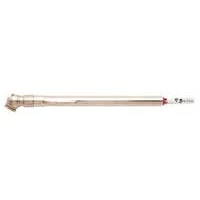
Pencil Type Tire Pressure Gauge for Higher Pressre Automobile Ti
Mfg: Milton Industries
Part #: S 920
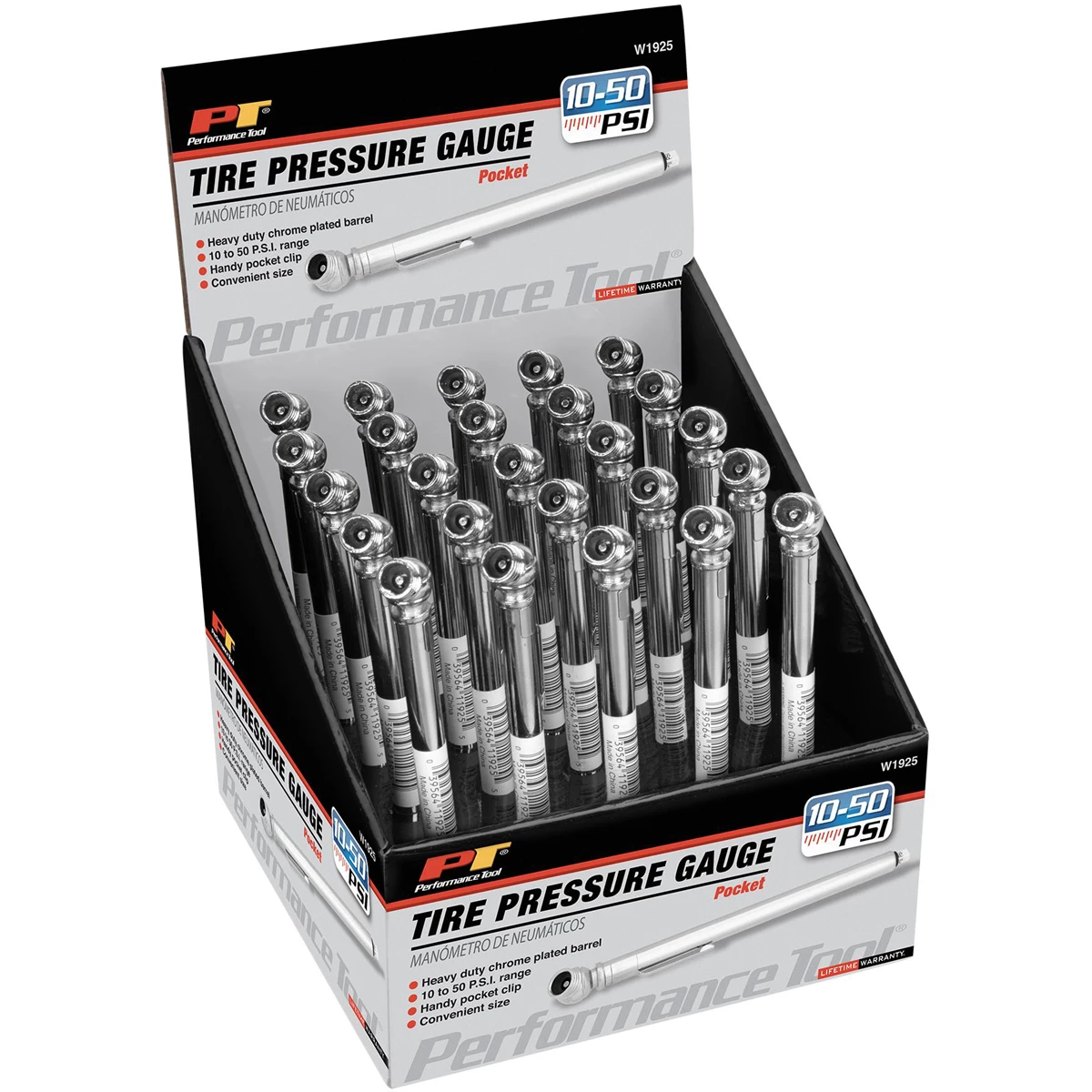
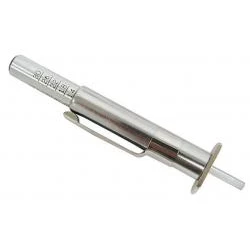
Pencil Tire Pressure Gauge 10-50 PSI with Pocket Clip
Mfg: Wilmar - Performance Tool
Part #: W1925
Proper sidewall damage evaluation requires the right tools to measure depth, assess punctures accurately, and maintain your equipment. Our Tire Tools, Wheels & Suspension category carries everything you need for professional tire inspection and maintenance.
- Tire depth gauges and puncture measurement tools
- Pressure gauges for accurate inflation monitoring
- Inspection lights and magnification aids
Essential Tire Repair Tools & Supplies
Whether you’re deciding to repair or replace a tire with sidewall damage, having the right tools on hand makes all the difference. Browse our complete selection of tire maintenance and repair products to keep your vehicle road-ready.
Popular items in our collection:
- Tire Repair Kits – Emergency patches and plugs for quick roadside fixes
- Tire Pressure Gauges – Monitor tire health and catch damage early
- Portable Air Compressors – Essential for reinflating tires after repairs

The Toolsource Technical Team blends decades of real-world automotive service experience with up-to-date technical research. Our writers collaborate with professional mechanics, shop owners, and diagnostic specialists to deliver practical, workshop-ready guidance you can trust.


Follow us on social media