You pull an oil filter off the shelf, check the part number against your last invoice, and notice it’s noticeably shorter than the one you installed six months ago. Same brand, same part number, different dimensions. This scenario plays out in shops every day, and it raises an obvious question: did the manufacturer cut corners, or is something else going on? The answer involves manufacturing economics, evolving filtration technology, and the reality that most automotive filters are made by a handful of suppliers who constantly refine their designs. Understanding these changes helps you make informed decisions about filter quality without falling into the trap of assuming smaller always means worse.
The Manufacturing Reality Behind Filter Variations
Store-brand and aftermarket oil filters operate differently than OEM products. Brands like STP, NAPA, O’Reilly’s MicroGard, and others function essentially as private labels—they contract with actual filter manufacturers to produce filters meeting specific performance specifications. These contracts aren’t permanent, and suppliers can change every few months based on pricing, capacity, and quality metrics.
When you see a filter that’s physically different from the previous batch, it typically means one of three things happened: the brand switched to a new contract manufacturer, the existing manufacturer redesigned the filter housing to reduce production costs, or improved filtration media allowed for a smaller overall package while maintaining performance. Premium Guard has emerged as the dominant contract manufacturer for many major brands, taking over production from legacy suppliers like Champ Labs (which went under with First Brands) and displacing Wix filters after Wix was acquired by Mann+Hummel.
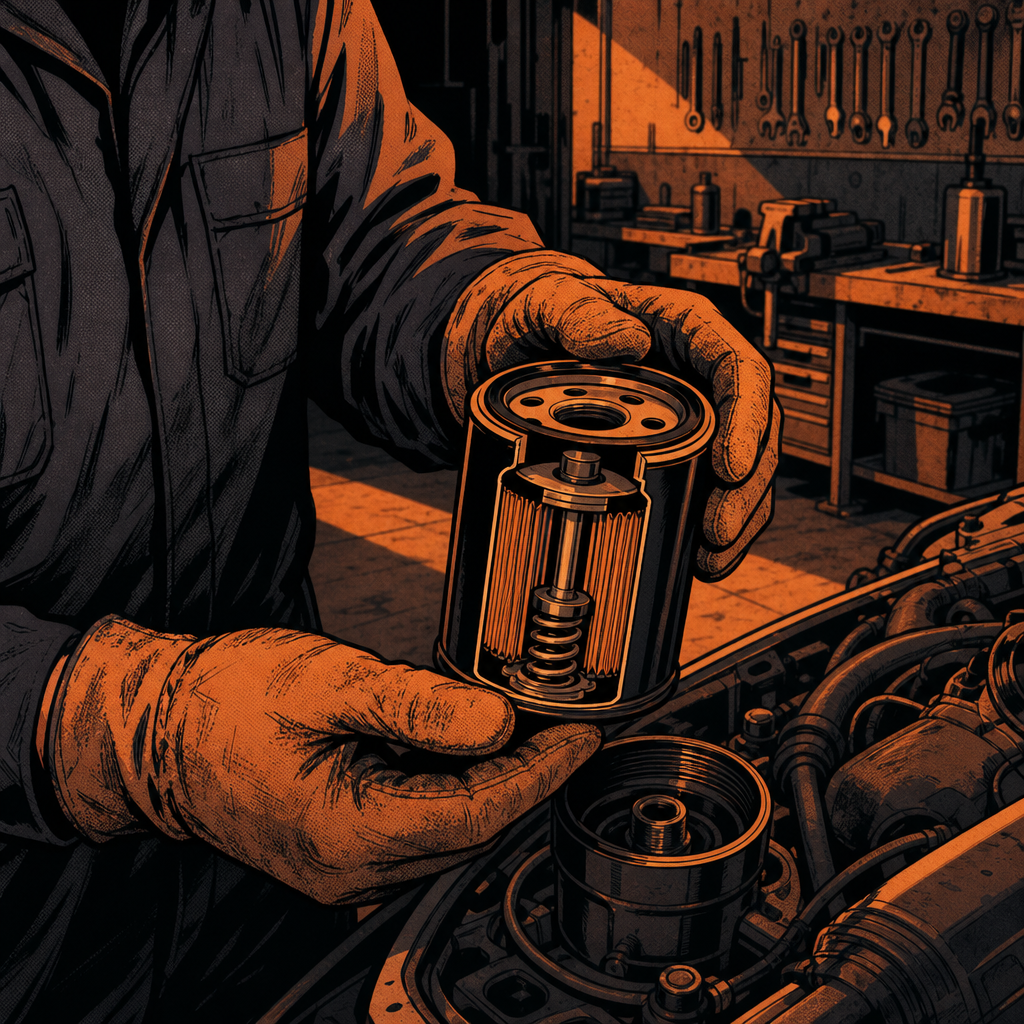
The shift to Premium Guard production explains many recent filter design changes. Premium Guard uses a different bypass valve design that’s substantially more compact than traditional spring-loaded valves, allowing the entire filter housing to shrink without reducing the actual filter media inside. These valves are also considered more reliable across temperature ranges, which matters for extended oil change intervals.
Filter Media Technology and Surface Area Calculations
A shorter filter doesn’t automatically mean less filtration capacity. The critical measurement is total surface area of the filter media, not the external dimensions of the can. Modern filtration media is thinner and more efficient than materials used even five years ago, which allows manufacturers to pack the same effective surface area into a smaller package through tighter pleating.
Here’s how the math works: if a filter manufacturer reduces the height of a filter by 20%, they need to compensate by increasing the number of pleats or using media with higher permeability. Higher pleat counts are the preferred solution because they maintain filtration efficiency. More permeable media can reduce filtration performance, which is why you want to verify that any dimensionally smaller filter is using tighter pleating rather than simply fewer layers of media.
The only way to verify this is to cut open filters and count pleats or measure media thickness. Several filtration testing communities do this regularly, and the consensus from these teardowns is that Premium Guard filters consistently show high pleat counts and quality media construction. Filters from suppliers with inconsistent quality often show the opposite—fewer pleats, thinner media, and bypass valves that don’t seal properly.
One significant advantage of modern, compact filter designs is reduced weight and shipping volume. While this obviously benefits manufacturers’ bottom lines, it also creates opportunities for underhood packaging improvements that OEM manufacturers value. Every ounce of weight reduction matters for fuel economy ratings, and every cubic inch of space matters for fitting increasingly complex emissions and hybrid systems into engine bays.

OEM Specifications and Legal Requirements
Aftermarket filter manufacturers must meet Original Equipment (OE) specifications for filtration efficiency, flow rate, burst pressure, and contaminant capacity regardless of physical size. These aren’t suggestions—they’re legal requirements that expose manufacturers to liability if failures occur. A filter that doesn’t meet OE specs can cause engine damage, and that creates lawsuit exposure that no manufacturer wants.
OE specifications typically include several key metrics. Filtration efficiency measures what percentage of particles at specific micron sizes are captured. Flow rate determines whether the filter creates excessive restriction that could starve the engine of oil. Burst pressure tests ensure the filter housing won’t split under cold-start pressure spikes. Contaminant capacity specifies how many grams of debris the filter can hold before the bypass valve opens.
Modern engines run significantly cleaner than engines from even 15 years ago, which directly impacts filter requirements. Tighter manufacturing tolerances, better piston ring designs, and improved fuel injection all reduce the amount of combustion byproducts and metal particles that end up in the oil. This means filters don’t need the same raw contaminant capacity they once did, which allows for smaller designs that still meet or exceed service life requirements.
The shift toward longer oil change intervals—now commonly 7,500 to 10,000 miles for many vehicles—has actually improved filter quality rather than reduced it. Filters designed for extended intervals need better anti-drainback valves to prevent dry starts and more durable media that won’t break down over time. The silicone anti-drainback valves in quality filters remain pliable far longer than the nitrile valves used in budget filters, which matters when a filter might stay on an engine for a full year.
Identifying Quality Filters Regardless of Size
Physical inspection tells you more about filter quality than dimensions ever will. Start with the anti-drainback valve—it should be silicone (usually black or dark gray) rather than nitrile (often orange or red, though Premium Guard uses red silicone). The valve should feel pliable when pressed with a finger, not stiff or brittle. A stiff valve won’t seal properly, which allows oil to drain from the filter and oil galleries during shutdown, causing dry starts.
The bypass valve spring should show consistent coil spacing and smooth operation. Cheap filters often use wire that’s too thin or springs that are pre-compressed, which causes the bypass to open too early. When the bypass opens, unfiltered oil goes directly to the engine bearings, which defeats the entire purpose of filtration. You want a bypass that only opens under genuine high-restriction scenarios like cold starts with thick oil, not during normal operation.
Check the baseplate thickness and thread quality. Thin baseplates flex during installation, which can distort the housing and create leak paths. The threads should be cleanly formed without burrs or inconsistent depth. Premium Guard filters are known for substantial baseplates and precisely formed threads that install smoothly without cross-threading risks.
The gasket material matters more than most techs realize. Quality filters use gaskets that compress evenly and maintain seal integrity across temperature swings. Budget filters often use gaskets that either compress too easily (causing leaks after thermal cycling) or don’t compress enough (requiring excessive torque that can distort the baseplate). The gasket should have consistent thickness and no visible defects or contamination.
Practical Recommendations for Filter Selection
Brand loyalty makes less sense with oil filters than with almost any other component because the actual manufacturer behind the label changes regularly. Instead of defaulting to a specific brand, focus on identifying who actually makes the filter. Premium Guard currently manufactures filters for NAPA Gold (non-heavy-duty), O’Reilly’s MicroGard Select, and several other major brands. These filters offer consistent quality regardless of the label on the can.
Wix filters were the gold standard for years, but quality has become inconsistent since the Mann+Hummel acquisition. Some Wix filters still show excellent construction, while others use thinner media and cheaper bypass valves. If you’ve used Wix successfully for years, consider switching to Premium Guard-manufactured alternatives that maintain the quality Wix used to deliver consistently.
Bosch filters show extreme quality variation depending on where they’re manufactured and which supplier produced them. Some Bosch filters are excellent; others are barely adequate. Without cutting them open or finding recent teardown analysis, it’s difficult to know what you’re getting. The same applies to Mobil 1 filters—older versions made by Mann+Hummel were inconsistent, but newer Mobil 1 filters show improved quality.
ACDelco filters previously came from Champ Labs, which provided good quality. With Champ Labs defunct and Premium Guard buying their facilities, current ACDelco filters should maintain similar quality, though specific construction details may vary. If you’ve had good experiences with ACDelco, there’s no compelling reason to switch unless you notice quality changes in recent batches.
For vehicles you maintain personally or for customers on extended oil change intervals, investing in premium filters makes sense. The price difference between a budget filter and a quality filter is typically $5-8, which is negligible compared to the cost of engine damage from filter failure. For fleet vehicles on strict 3,000-5,000 mile intervals, mid-grade filters provide adequate protection without premium pricing.
Quick Reference Checklist for Filter Evaluation
- Verify anti-drainback valve is silicone (pliable, not stiff)
- Check bypass valve spring for consistent coil spacing
- Inspect baseplate for adequate thickness (no flex when pressed)
- Examine threads for clean formation without burrs
- Confirm gasket is uniform thickness without defects
- Look for Premium Guard manufacturing indicators (red silicone valve, specific baseplate design)
- Compare weight to previous filters—significantly lighter may indicate less media
- Review recent filter teardown analyses if changing brands


Common Questions About Oil Filter Variations
Why do filters with identical part numbers have different dimensions?
The part number identifies the application and specifications the filter must meet, not the physical design. Manufacturers can change dimensions as long as the filter still meets OE specifications for filtration efficiency, flow rate, and contaminant capacity. A shorter filter with tighter pleating can perform identically to a taller filter with fewer pleats.
Does a smaller filter mean shorter service life?
Not necessarily. Service life depends on contaminant capacity measured in grams of debris, not physical volume. Modern engines produce fewer contaminants due to tighter tolerances and better combustion efficiency, which means filters need less raw capacity than they did decades ago. A well-designed compact filter can easily handle 7,500-10,000 mile intervals.
Can I use an extended-length filter if my vehicle accepts it?
Yes, if the filter threads and gasket seat are compatible and you have physical clearance. Extended filters offer more media surface area and contaminant capacity, which can extend service life. Some techs prefer extended filters for vehicles on severe duty cycles or extended drain intervals. Verify the bypass valve pressure rating matches OE specs.
How do I know if a filter actually meets OE specifications?
Legitimate filter manufacturers provide specification sheets listing filtration efficiency, flow rate, burst pressure, and contaminant capacity. If a manufacturer won’t provide this data, that’s a red flag. Additionally, filters sold through major retailers must meet minimum standards to avoid liability exposure, which provides some baseline assurance.
Should I change filters every oil change or every other change?
Modern practice calls for changing the filter with every oil change. Filters are inexpensive insurance against engine damage, and extended oil change intervals mean filters accumulate more contaminants than they did under old 3,000-mile change intervals. The old practice of changing filters every other oil change made sense when changes happened every 2,000-3,000 miles; it doesn’t apply to current 7,500-10,000 mile intervals.
What’s the real difference between budget and premium filters?
Premium filters use better materials throughout—silicone anti-drainback valves that stay pliable, heavier baseplates that resist distortion, higher-quality filter media with consistent pore sizes, and stronger bypass valve springs. Budget filters meet minimum specifications but use cheaper materials that may not perform well across the full range of operating conditions, especially temperature extremes and extended intervals.
Recommended Tools for Oil Change Work
Selecting the right oil filter requires hands-on inspection, and proper oil change execution depends on having the right equipment. Our Automotive Oil Change Tools selection includes everything needed for reliable, efficient filter installation and oil service.
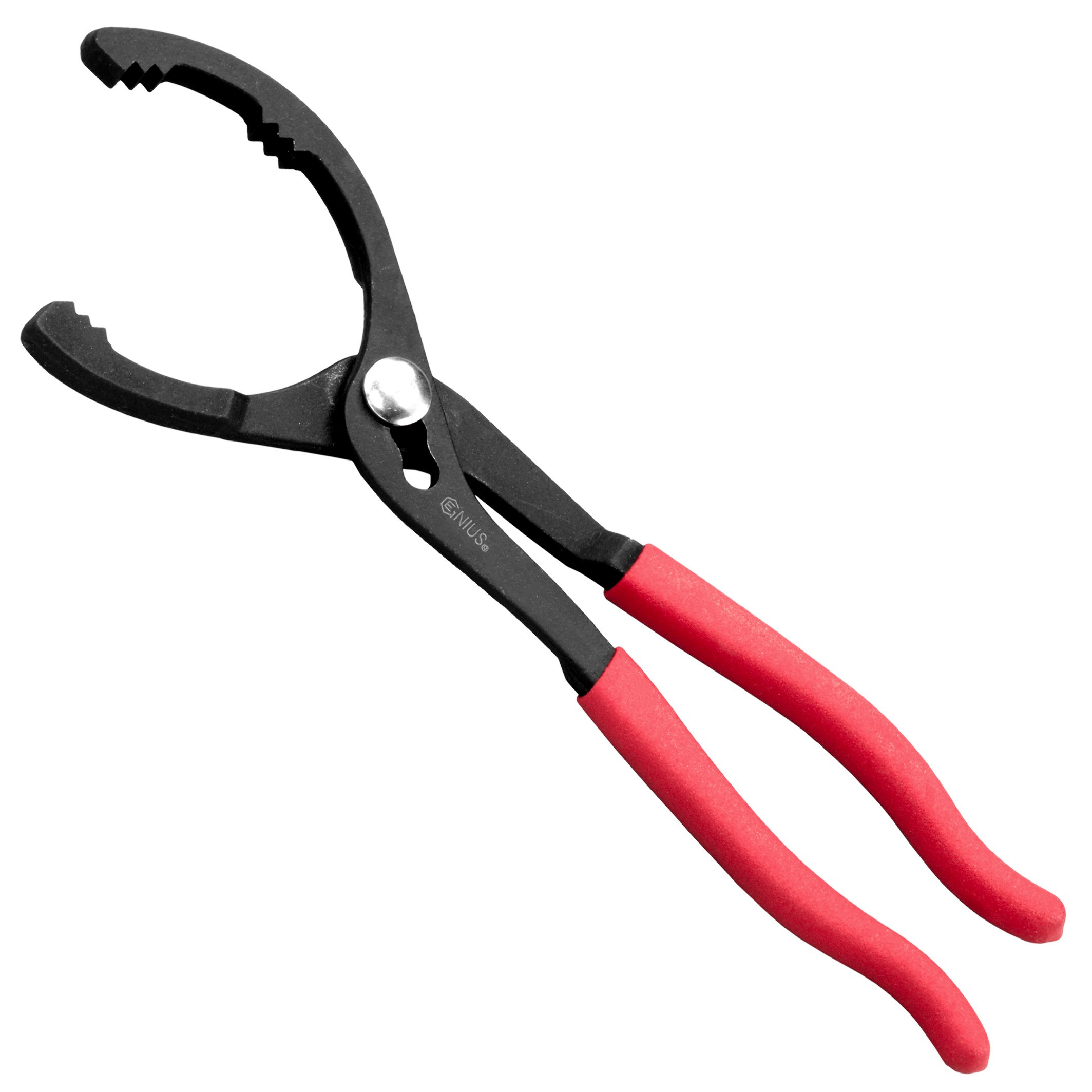
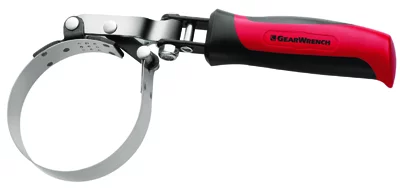
- Filter wrenches and sockets for secure removal and installation
- Oil drain pans and spill containment for clean, compliant work
- Torque wrenches to achieve proper baseplate tightness without over-compression

The Toolsource Technical Team blends decades of real-world automotive service experience with up-to-date technical research. Our writers collaborate with professional mechanics, shop owners, and diagnostic specialists to deliver practical, workshop-ready guidance you can trust.


Follow us on social media