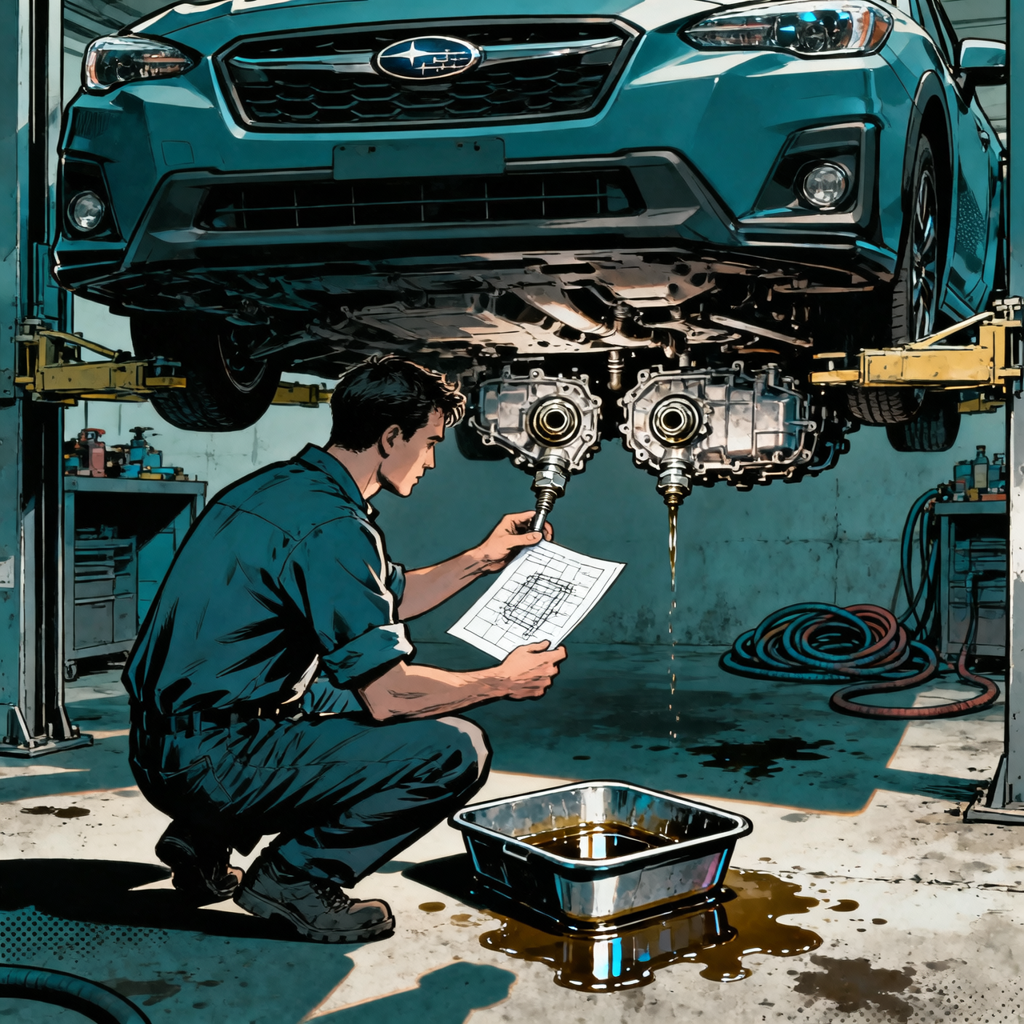
You’ve done thousands of oil changes. You know the drill pan sizes, the plug locations, the torque specs. Then one day you’re slammed, three comebacks are waiting, the service advisor is breathing down your neck, and you pull the wrong drain plug. It happens to lube techs in their first month and to master technicians with two decades under their belt. The difference isn’t experience—it’s complacency. When your brain switches to autopilot on a routine job, that’s when mistakes slip through. This isn’t about shaming anyone who’s drained a CVT thinking it was engine oil. It’s about understanding why it happens and building systems that catch these errors before you hit the starter button.
Why Experience Doesn’t Always Prevent the Mistake
There’s a critical distinction between twenty years of professional shop experience and twenty years of weekend oil changes on your own vehicles. The guy who does his own maintenance once every six months isn’t building the same pattern recognition as someone turning wrenches forty hours a week. But even career technicians make this mistake, and the reasons are consistent across the board.
Complacency is the biggest culprit. When you’ve changed oil on the same platform hundreds of times, your hands know where to go without conscious thought. That’s efficient until something breaks the pattern—a phone call mid-job, a parts runner asking a question, or simply fatigue at the end of a long week. Your brain fills in the gaps with assumptions, and suddenly you’re reaching for the transmission pan drain plug because it’s more accessible than the engine oil pan.
Vehicle design shares some blame, particularly on certain platforms. Subarus are notorious for this issue because the CVT drain plug and engine oil drain plug can be remarkably similar in size, location, and appearance. On some models they’re only twelve to eighteen inches apart, both 17mm, both easily accessible from the same position under the vehicle. Early-to-mid-2000s Foresters, Outbacks, and Imprezas with automatics even have spin-on transmission filters that look nearly identical to oil filters. Volkswagen and Audi platforms from certain years present the same challenge. When manufacturers place drain plugs in close proximity with minimal visual differentiation, they’re setting up technicians for failure during rushed moments.
The other factor is workflow interruption. You pull the vehicle in, get it on the lift, grab your drain pan, then the shop foreman pulls you away to diagnose a check engine light on another car. You come back fifteen minutes later, slide under the vehicle, and your brain picks up where it thinks you left off—except you’ve lost the thread. You’re no longer consciously verifying which plug you’re about to loosen. This is why the mistake often happens to experienced techs who are juggling multiple jobs simultaneously, not because they lack knowledge but because their attention is fragmented.
Recognizing the Warning Signs Before You Start the Engine
The moment you realize something’s wrong shouldn’t be when the transmission temp light illuminates or the engine sounds like it’s tearing itself apart. There are multiple checkpoints between draining the wrong fluid and catastrophic damage, and experienced technicians use every one of them.
First checkpoint is the drain plug itself. Before you even break it loose, confirm you’re on the correct pan. Engine oil pans are typically larger, located toward the rear of the engine, and may have stamped reinforcement ribs. Transmission pans are often smaller, located further forward, and may have distinctly different casting marks. On Subarus specifically, the CVT pan is usually the more accessible of the two, which is counterintuitive—you’d expect the engine oil to be easier to reach. If the plug comes out too easily or the pan looks smaller than you remember, stop and verify.
Second checkpoint is the fluid itself. CVT fluid has a distinctive smell—almost sweet or chemical, nothing like conventional motor oil. Subaru CVT fluid is often green or has a greenish tint when fresh, though at 100,000 miles it can darken significantly. Automatic transmission fluid is typically red or reddish-brown, though neglected ATF can turn dark brown or black. Engine oil, even when heavily used, has a different viscosity and a petroleum smell most techs recognize instantly. If what’s draining doesn’t smell right or look right, stop the job and investigate before you add anything.
Third checkpoint is volume and refill behavior. If you drain what you think is engine oil, then go to refill and the dipstick shows overfull after adding the correct amount, you’ve drained the wrong fluid. This is the point where many DIYers and inexperienced techs panic and post on forums. If the oil level is way over the full mark after adding the manufacturer-specified amount, pull the dipstick, smell it, and check the transmission level. You’ll likely find the transmission is empty or low, and the engine still has its original oil.
Fourth checkpoint—and this is non-negotiable—is verifying oil level on the dipstick before starting the engine. Not after you fill it, not after you lower the vehicle, but immediately before you turn the key. Pull the stick, confirm it’s at the full mark, check that the fluid on the stick looks and smells like fresh oil, then start the engine. Let it run for ten seconds, shut it off, wait thirty seconds, and check again. This two-step verification catches overfills, underfills, and wrong-fluid errors before the engine runs long enough to cause damage.
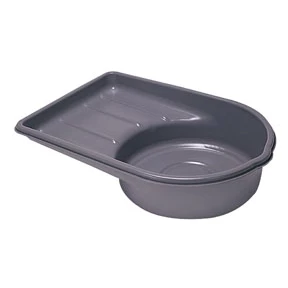
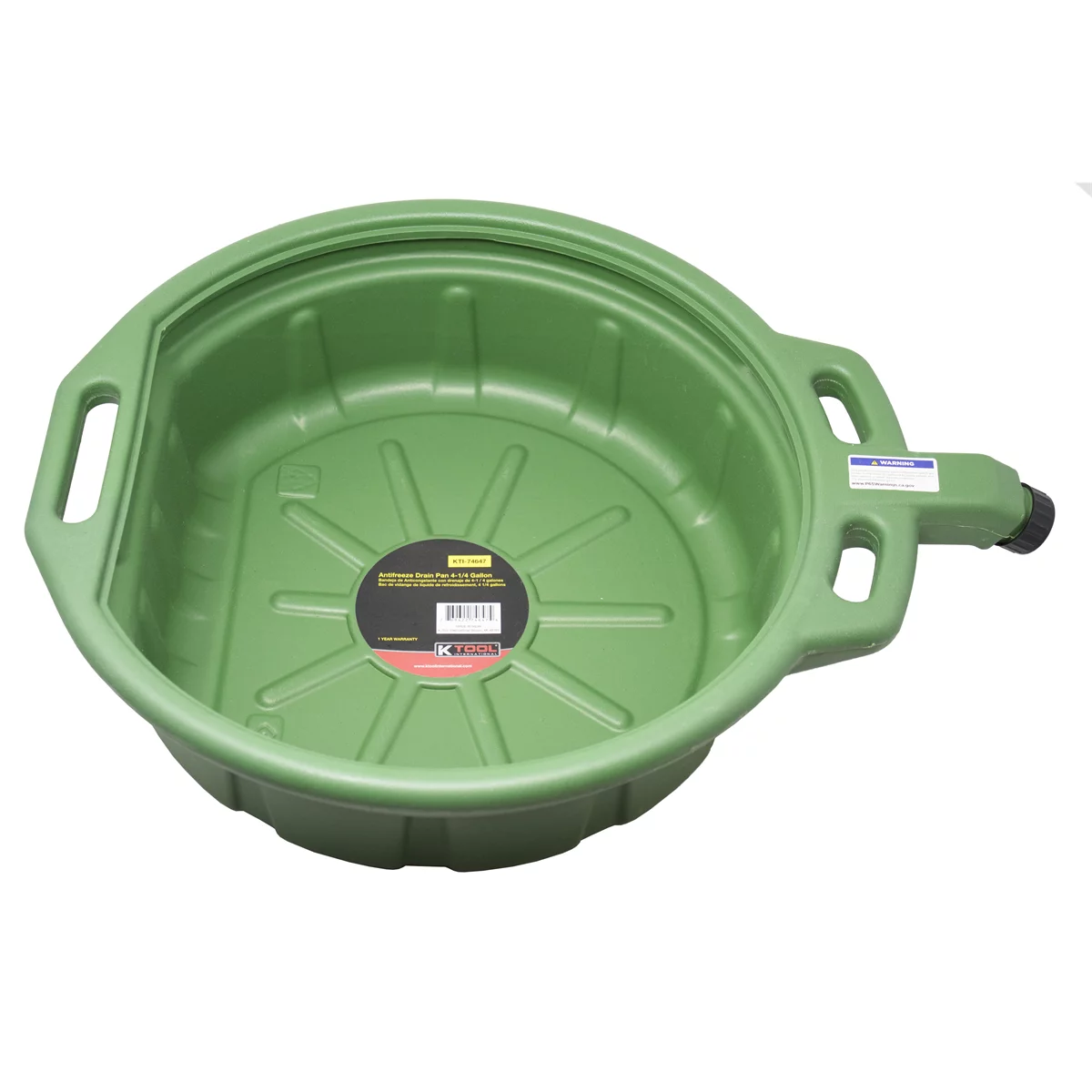
Antifreeze Drain Pan 4.5 Gallon with Anti-Splash Design
Mfg: K Tool International
Part #: KTI74647
Building Mistake-Proof Habits for High-Volume Days
Systems prevent errors when brains are tired. The busiest days in the shop are when mistakes happen, so your workflow needs to be idiot-proof—and by idiot, we mean your own exhausted self at hour nine of a ten-hour shift.
Develop a pre-drain verification ritual. Before you touch the drain plug, physically point at the pan and say out loud (or in your head), “Engine oil pan, 17mm plug, rear of engine.” It sounds ridiculous, but verbalizing the task forces your conscious brain to engage instead of running on autopilot. This is the same technique pilots use during pre-flight checks. If you’re interrupted mid-job, restart the ritual from the beginning when you return. Don’t assume you remember where you were.
Use visual cues and physical reminders. Some techs mark the correct drain plug with a paint pen or a dab of colored grease on vehicles they service regularly. Others place the new oil filter on top of the engine before draining anything—a visual reminder of what job they’re actually performing. If you work in a high-volume quick lube environment, consider color-coded drain pans: blue for transmission work, black for engine oil. The color mismatch will trigger a mental alarm if you grab the wrong pan.
Implement a mandatory dipstick check before engine start. Make it shop policy, not personal preference. The two minutes it takes to pull the stick and verify level is nothing compared to the cost of a comeback, a warranty claim, or a destroyed CVT. If you’re training junior techs, drill this habit into them from day one. The dipstick is the final word on oil level—not the funnel markings, not the service manual specification, not what the scanner says. Fill to the full mark, verify with the stick, then start the engine.
When working on unfamiliar platforms, slow down. If you normally service domestic trucks and a Subaru CVT comes in, don’t assume the drain plug layout is intuitive. Pull up a service diagram, identify both drain plugs before you touch either one, and take an extra thirty seconds to confirm. The time you save by rushing is lost ten times over if you have to redo the job or worse, replace a transmission.
What to Do If You’ve Already Drained the Wrong Fluid
Let’s say it’s too late. You’ve drained the CVT, filled the engine with extra oil, and now the dipstick is reading two quarts over and you’ve got a sinking feeling. Here’s the damage control process.
First, do not start the engine if you haven’t already. An overfilled engine can cause oil foaming, crankshaft windage, and pressure issues, but it won’t destroy anything while sitting still. A CVT that’s been run dry even for thirty seconds can suffer permanent damage to the clutch packs and valve body. If you catch the mistake before starting, you’re in recovery mode, not replacement mode.
If you did start the engine, shut it off immediately. Don’t try to move the vehicle, don’t rev it, don’t let it idle while you figure out what to do. Every second that CVT runs without fluid is grinding metal on metal. Pull the dipstick and verify the engine oil level. If it’s overfull, drain the excess from the engine oil pan until it reads at the full mark. Then address the transmission.
Refill the transmission with the correct fluid to the proper level. This is where you need to be precise. CVTs are extremely sensitive to fluid level—overfilling is just as damaging as underfilling. Most CVTs require a specific temperature range for accurate level checks, typically between 95°F and 113°F, and you’ll need a scan tool to monitor CVT temperature in real time. Subaru CVTs, for example, have a fill plug and a level check procedure that involves running the transmission through the gear range at operating temperature. Do not guess. Do not eyeball it. Follow the manufacturer procedure exactly.
If the engine was started and run with no oil, or if the CVT was run dry for more than a few seconds, be honest with the customer and the service advisor about what happened. Most shops have insurance for this kind of mistake, but trying to hide it or hoping nothing breaks will only make it worse when the transmission fails two weeks later. Document what happened, what steps you took to correct it, and recommend a follow-up inspection after 100-200 miles to check for any delayed symptoms.
For CVTs that were run dry briefly—less than ten seconds of idle before shutdown—the prognosis is often good if you refill correctly and monitor closely. The clutch packs and valve body may have enough residual lubrication to survive a short dry run. For anything longer, especially if the vehicle was moved or the transmission was put in gear, expect internal damage. The cost of a replacement CVT is substantial, often $4,000 to $10,000 depending on the vehicle, and it’s a lesson you’ll never forget.
Platform-Specific Tips for Common Trouble Vehicles
Certain vehicles show up repeatedly in “I drained the transmission” stories. Knowing their quirks ahead of time is half the battle.
Subaru CVT models from 2010 onward are the most common culprits. The CVT drain plug is often more accessible than the engine oil drain plug, and both are 17mm. Subaru CVT fluid is typically green (Subaru CVTF or CVTF-II), which helps differentiate it from engine oil, but after 80,000-100,000 miles it can darken. The transmission also has a spin-on filter on some models that looks similar to the oil filter. Always verify pan location before draining, and remember the CVT fill procedure requires a scan tool and specific temperature parameters.
Volkswagen and Audi vehicles with DSG or Aisin transmissions can present similar challenges, particularly on transverse-mounted engines where the transmission pan and oil pan are close together. VW/Audi drain plugs are often triple-square or internal hex, which provides some differentiation, but in a busy shop where you’re grabbing tools quickly, it’s easy to mix them up. The transmission fluid on these platforms is typically a specific VW/Audi spec (G 052 182, G 055 025, etc.) and has a distinct pinkish color when fresh.
Older Saturn models with spin-on transmission filters used a filter that was nearly identical in size and thread to the engine oil filter. This setup caused countless mix-ups because techs would see a spin-on filter, assume it was the oil filter, and proceed with the oil change without verifying. Always confirm filter location and function before removal, especially on unfamiliar platforms.
Honda and Acura vehicles with automatic transmissions typically have well-differentiated drain plugs—the transmission drain is usually a 3/8″ square or a specific Honda tool size, while the engine oil is 17mm—but the transmission pan and engine oil pan can be close together on transverse FWD models. The transmission fluid is Honda ATF-DW1 or similar, usually red or pinkish, which provides a clear visual cue if you drain the wrong fluid.
Quick Reference Checklist for Every Oil Change
- Confirm vehicle year, make, model, and engine type before starting—verify oil capacity and drain plug location in service information
- Visually identify the engine oil pan before loosening any drain plug—look for size, shape, and location relative to the transmission
- Verify drain plug size and type matches service information—if it doesn’t, stop and investigate
- Inspect drained fluid for color, smell, and consistency—engine oil should look and smell like engine oil, not transmission fluid
- Check drain plug and crush washer condition—replace washer if deformed, inspect threads for damage
- Install new oil filter and verify it’s the correct part number for the application
- Add manufacturer-specified oil type and amount, then verify level with dipstick before starting engine
- Start engine, let idle for 10 seconds, shut off, wait 30 seconds, then recheck dipstick—top off if needed
- Inspect under vehicle for leaks at drain plug and filter before releasing vehicle to customer
- Reset oil life monitor if applicable and document service in repair order
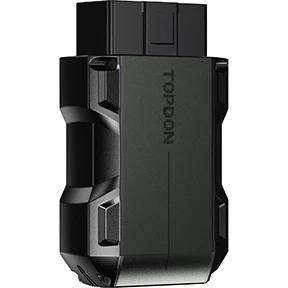
Topdon Pocket-Size Bluetooth Scan Tool w/Bi-Directional Cont
Mfg: TOPDON
Part #: TOPSCANLITE
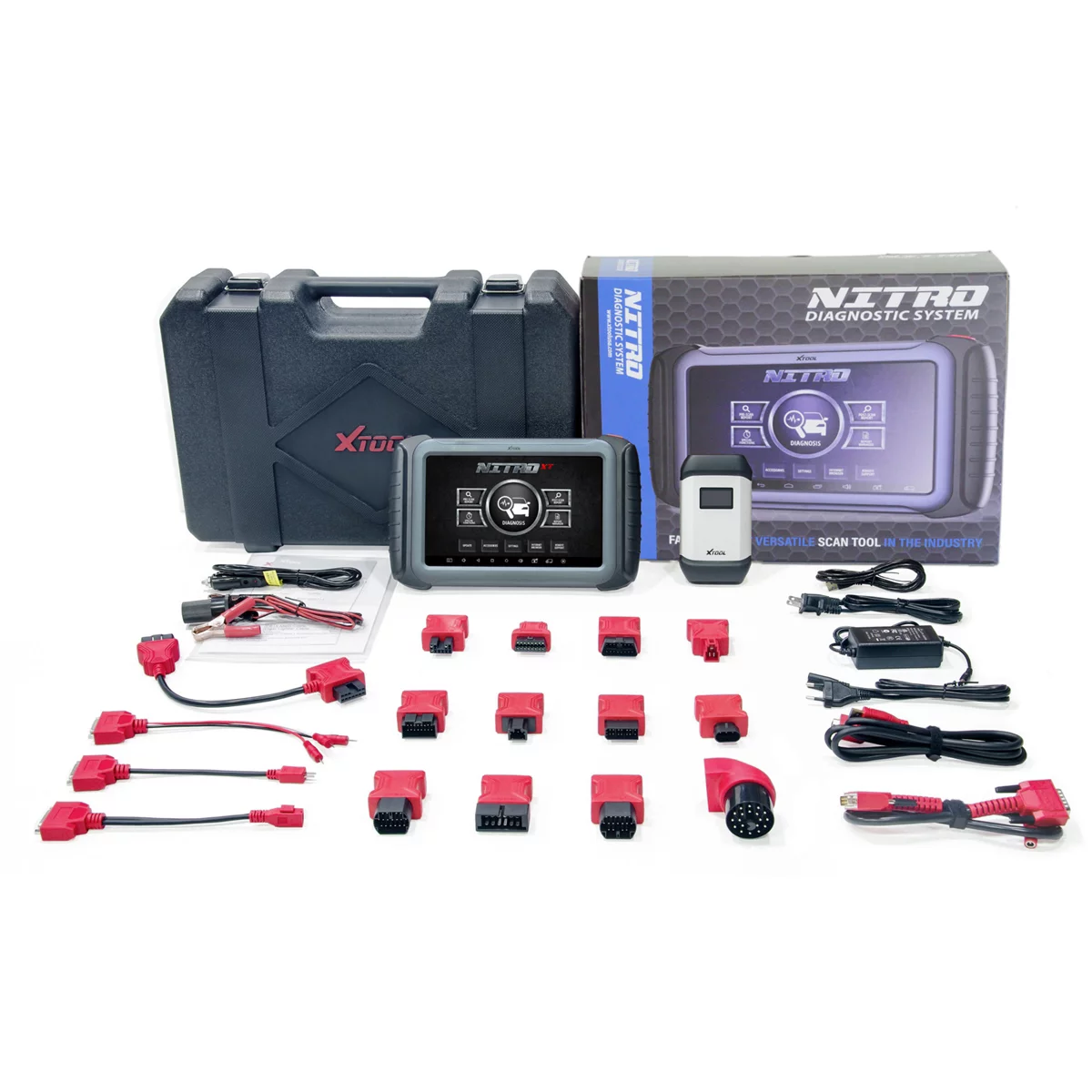
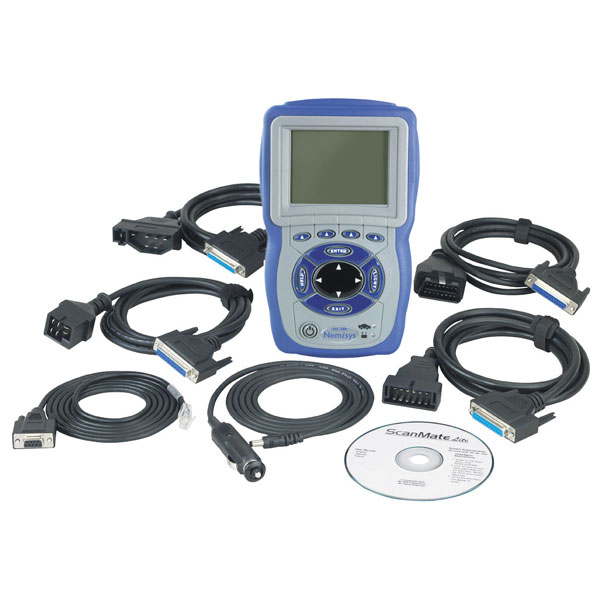
Nemisys USA Domestic Scan Tool Kit w/ 2008 Software Upgrade Coup
Mfg: OTC Tools and Equipment
Part #: 3797M08
Frequently Asked Questions
Q: I drained my Subaru CVT instead of the engine oil but caught it before starting the engine. Is the transmission damaged?
A: If you did not start the engine or attempt to move the vehicle, the CVT is most likely fine. Refill the CVT with the correct fluid using the proper procedure (which requires a scan tool to monitor temperature), drain the excess oil from the engine, and verify both levels before starting. The CVT relies on fluid pressure for operation, so as long as it wasn’t run dry, internal components should not have suffered wear.
Q: How long can a CVT run without fluid before it’s damaged?
A: There’s no safe amount of time. Even a few seconds of operation without fluid can cause scoring on clutch packs and valve body components. If the engine was started and immediately shut off within 5-10 seconds, you may avoid catastrophic damage, but expect some accelerated wear. If the vehicle was moved, put in gear, or revved, the CVT likely needs replacement. The cost of a replacement CVT ranges from $4,000 to over $10,000 depending on the vehicle.
Q: What’s the correct way to fill a Subaru CVT after draining it by mistake?
A: Subaru CVTs require a specific fill procedure. You’ll need the correct Subaru CVT fluid (CVTF or CVTF-II depending on model year), a scan tool capable of reading CVT temperature, and the vehicle level on a flat surface. The general procedure involves adding fluid through the fill hole, starting the engine, cycling through all gear positions, bringing the CVT to operating temperature (typically 95-113°F), then checking/adjusting the level with the engine running. Do not guess—follow the exact procedure in the service manual for your specific model year.
Q: Can overfilling the engine with oil cause damage?
A: Yes. Overfilling by a quart or more can cause the crankshaft to contact the oil in the pan, which aerates the oil (creates foam) and reduces its lubricating ability. It can also increase crankcase pressure, potentially blowing out seals or pushing oil past piston rings. If you’ve overfilled, drain the excess immediately before starting the engine. If the engine has already been run while overfilled, monitor closely for oil leaks and unusual noises over the next few hundred miles.
Q: Why do Subaru CVT and engine oil drain plugs look so similar?
A: It’s a combination of packaging constraints and parts commonality. Subaru’s horizontally-opposed engine layout places the transmission close to the engine oil pan, and both drain plugs are often 17mm for parts standardization. The CVT drain is frequently more accessible because the transmission is lower and further forward. It’s not unique to Subaru—VW, Audi, and some Honda models have similar layouts where drain plugs are in close proximity.
Q: Should I always check the dipstick before starting the engine after an oil change?
A: Absolutely. This single step catches overfills, underfills, and wrong-fluid errors before the engine runs. It takes fifteen seconds and can save thousands in repairs. Fill the engine with the specified amount, pull the dipstick, verify it reads at the full mark, then start the engine. After initial startup, shut it off, wait thirty seconds for oil to drain back to the pan, and check again. This is professional practice and should be standard procedure in every shop.
Recommended Tools for Oil Changes
Preventing fluid mix-ups starts with having the right tools on hand. A quality drain pan, crush washer assortment, and filter wrench make verification easier and reduce rushed mistakes. Browse our Automotive Oil Change Tools selection to ensure you’re equipped for every job.
- Drain pans in various sizes and materials
- Socket sets and specialty wrenches for drain plugs
- Oil filters and filter removal tools

The Toolsource Technical Team blends decades of real-world automotive service experience with up-to-date technical research. Our writers collaborate with professional mechanics, shop owners, and diagnostic specialists to deliver practical, workshop-ready guidance you can trust.


Follow us on social media