
Car culture is evolving, not ending. The platforms are newer, the electronics are smarter, and the tooling expectations are higher. If you approach modern builds like a technician—baseline the car, measure before you modify, tune safely, and stay compliant—you’ll get faster laps, fewer failures, and a better ownership experience. This guide lays out viable platforms, practical steps, safe ECU/EV procedures, track prep, and the shop tools that pay for themselves.

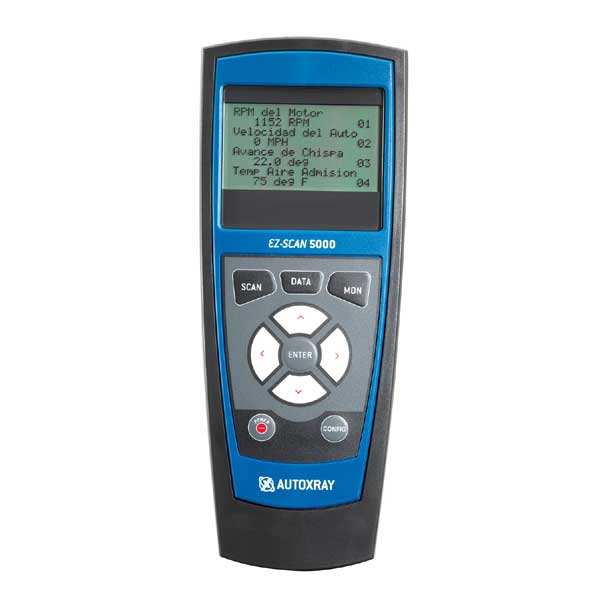
2002 Monitor Elite Deluxe OBD2 Scan Tool Kit
Mfg: OTC Tools and Equipment
Part #: 3354
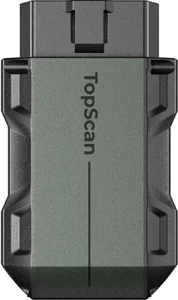
Pocket-Size Bluetooth Scan Tool w/Bi-Directional Controls
Mfg: TOPDON
Part #: TOPSCANPRO
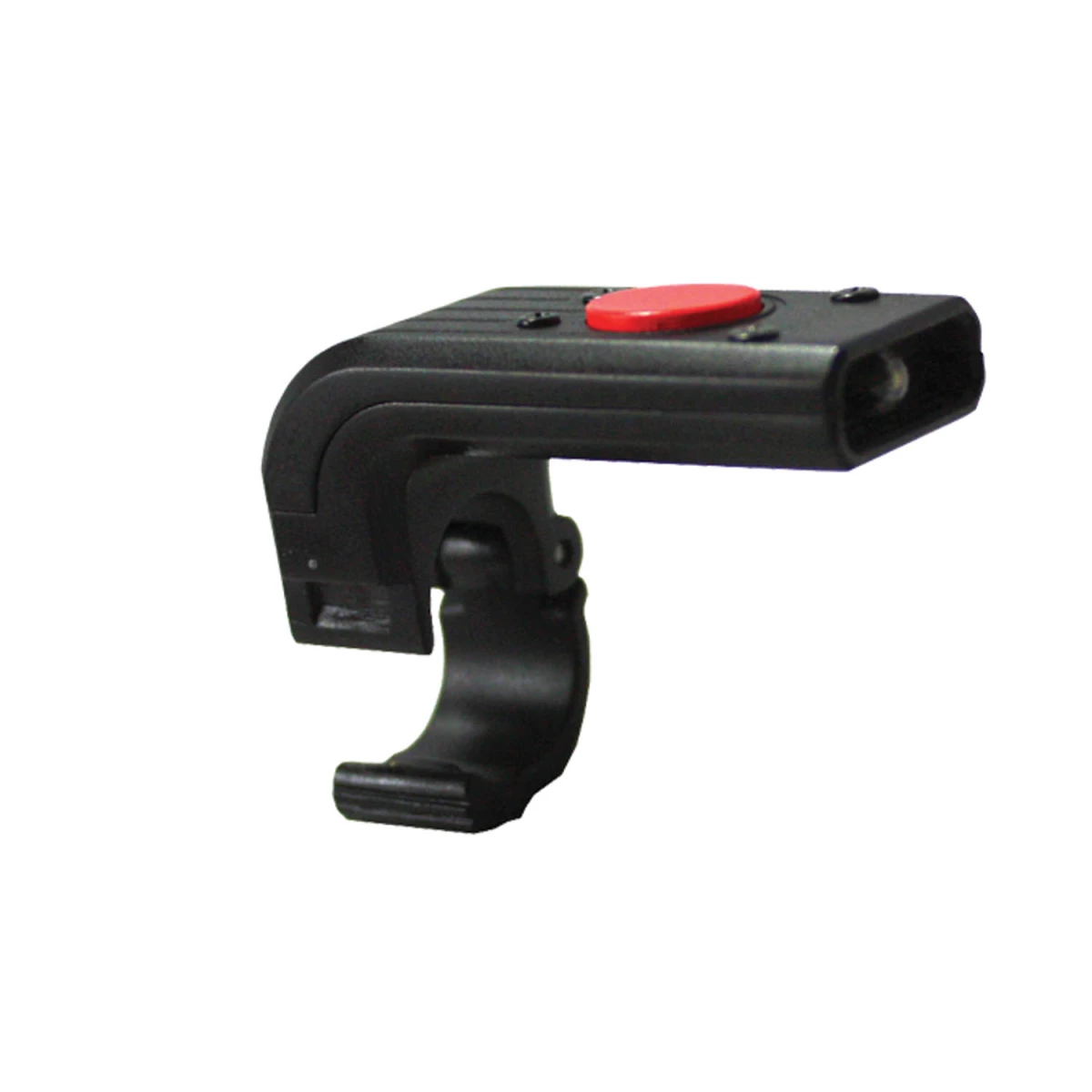
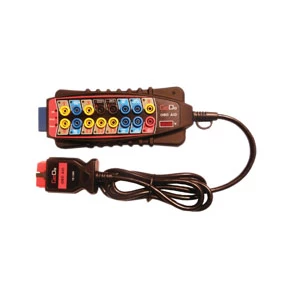
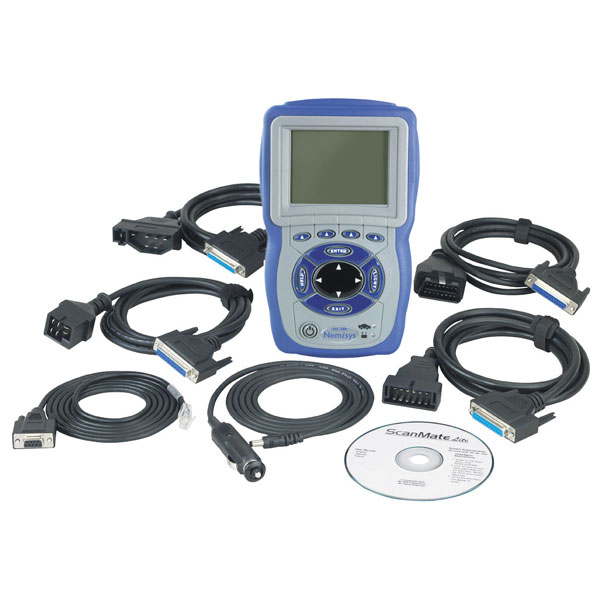
Nemisys USA Domestic Scan Tool Kit w/ 2008 Software Upgrade Coup
Mfg: OTC Tools and Equipment
Part #: 3797M08
1) Choosing Viable Platforms: What Works Now and Why
The best platforms pair broad parts availability with known failure modes and mature tuning paths. Consider the following groups.
Lightweight RWD/FR: GR86/BRZ, ND Miata
- Strengths: Predictable handling, affordable consumables (tires, pads), huge suspension aftermarket. NA powertrains are forgiving for beginners.
- Watch‑outs: Oil temperature management for extended HPDE; bushing/compliance in OEM arms; clutch durability with sticky tires.
- Core tools: OBD‑II datalogger, oil temp/pressure sensors, alignment tools (camber gauge, toe plates), brake bleeder.
Mid‑Power RWD: 350Z/370Z, G35/G37, New Nissan Z
- Strengths: Strong driveline, lots of drift/track support, readily available used cars and spares.
- Watch‑outs: Cooling for track use; diff mounts/bushings; timing chain guides (VQ35DE early years); manual synchros if abused.
- Core tools: Cooling system vacuum fill, press kit for bushings, smoke machine for intake leaks, wideband O2 for tuning.
Turbo I4 FWD/AWD: Civic Si/Type R, GTI/R, WRX
- Strengths: Big ECU support (Cobb, EcuTek, HP Tuners on select models), easy gains with intercooler/downpipe on legal racing vehicles.
- Watch‑outs: Heat soak on track, oil dilution in GDI engines, knock sensitivity on low‑octane fuel, emissions compliance.
- Core tools: High‑amp battery support for flashes, pro‑grade scan tool with live data, borescope for intake valve checks, walnut blaster for GDI cleaning.
Turbo I6 RWD/AWD: BMW N54/N55/B58; Supra A90/A91
- Strengths: Tremendous ECU/TCU support (MHD, BM3, EcuTek), strong bottom end (B58), plentiful fueling and cooling upgrades.
- Watch‑outs: Cooling and charge pipe failures on older models, HPFP/LPFP capacity planning, excessive burble tunes causing cat/turbo wear, subscription/licensing for coding.
- Core tools: CAN‑capable datalogger, ethanol content analyzer, smoke machine for boost leaks, battery charger/BSU (70–100 A) for stable flashing.
V8 RWD: Mustang, Camaro (used)
- Strengths: Cheap horsepower per dollar, robust driveline, track packages available, deep aftermarket.
- Watch‑outs: Diff cooling, brake fade on base packages, oil aeration on long right‑handers (older gens), noise limits at tracks.
- Core tools: Brake ducting hardware, pad knockback gauges, torque angle tools for torque‑to‑yield fasteners.
Entry EV: Used Model 3/Y, performance‑oriented hybrids
- Strengths: Strong out‑of‑box performance, minimal maintenance, brake/suspension optimization provides real gains.
- Watch‑outs: High‑voltage safety, limited powertrain modification paths, thermal management on repeated lapping, weight.
- Core tools: HV PPE (Class 0 gloves, CAT III meter), insulated hand tools, scan tool with OEM support, brake service tools.
Pick platforms with local parts support and community knowledge. If you can’t get consumables (pads, rotors, fluids, tires) quickly, you’ll spend more time waiting than driving.
2) Budget Build Strategy: Baseline First, Then Incremental Mods
Modern cars reward measurement‑driven upgrades. Before the first power mod, restore factory performance and fix deferred maintenance.
Step‑by‑step baseline
- Scan and log: Pull DTCs with a bi‑directional OBD‑II/CAN tool. Log fuel trims (STFT/LTFT), misfire counts, knock activity, coolant/oil temps, and boost (if applicable). Address anomalies first.
- Compression and leakdown: Establish engine health. Note variance; more than ~10% spread merits deeper diagnostics before tuning.
- Smoke test intake and exhaust: Pressurize and check for boost and vacuum leaks; verify PCV routing. Leaks drive trims, knock, and heat.
- Fluids and filters: Replace engine oil (spec‑correct), brake fluid (DOT 4/5.1 as applicable), gearbox/diff fluids, coolant, and fuel filter if serviceable. Use a vacuum filler to avoid air pockets in the cooling system.
- Brakes and tires: Install track‑capable pads appropriate to your usage, fresh rotors if below spec, stainless lines if permitted, and high‑temp fluid. Choose tires for your discipline (200TW autocross vs. endurance track compounds).
- Alignment and bushings: Verify bushings, ball joints, tie rods. Dial in a baseline track/drift alignment. A camber gauge, toe plates/string kit, and turn plates are low‑cost, high‑return.
- Cooling and monitoring: On platforms prone to heat‑soak, add an upgraded radiator/intercooler and log temps. Add sensors (oil temp/pressure) if the ECU doesn’t expose them.
Power mods after baseline
- Intake/exhaust: On turbo cars, prioritize intercooler, downpipe/midpipe where legal for racing vehicles, and charge pipes. On NA cars, focus on headers and calibration. Confirm local regulations before altering emissions components.
- Fueling: For E‑blend tuning, add an ethanol content sensor and ensure HPFP/LPFP capacity. Plan injectors and pump duty cycle before target torque increases.
- Drivetrain: Upgrade clutches/TCUs as needed. Track usage exposes weak differentials and heat; consider coolers and a proper LSD where absent.
- Calibration: Choose a tuner and a supported toolchain. Back up stock files. Use a battery support unit to keep voltage stable during flashes.
Document each change and its effect with before/after logs. This is how you build reliability and speed without guesswork.
3) Flash Tunes and Controls: Safe Procedures and Smart Logging
Electronic control units are robust but intolerant of sloppy process. Treat flashing like surgery: stable power, clean comms, and a rollback plan.
Supported toolchains
- Subaru/Honda/VAG: Cobb Accessport, EcuTek, HP Tuners (select models).
- BMW/Supra: MHD, Bootmod3 (BM3), EcuTek for A90/A91; BimmerLink/BimmerCode for coding.
- Domestic: HP Tuners MPVI3, SCT (legacy support), DiabloSport (select models).
Flashing best practices
- Stabilize voltage: Use a regulated battery support unit (70–100 A) set to 13.5–14.2 V. Chargers are not BSUs—use the right tool.
- Clean comms: Disable sleep/energy‑saving modes on the host PC, use a short known‑good cable, and avoid Bluetooth unless required by the platform.
- Full backup: Read and save stock ECU/TCU. Confirm checksum integrity before proceeding.
- One variable at a time: Stage changes (fueling, boost, timing) and validate with logs. Watch knock, lambda targets, trims, IATs, coolant/oil temps, and high‑pressure fuel rail pressure.
- Thermal control: Tune torque management and boost targets for sustained heat loads if you track the car—street pulls don’t replicate 20‑minute sessions.
- Respect emissions laws: Do not disable emissions controls on road vehicles. Use race‑only calibrations where legally allowed, transported appropriately.
About “burble”/crackle calibrations
Excessive over‑fuel and delayed ignition increases catalyst and turbine thermal stress and can shorten component life. If you must, limit duration and enable only in track/race use modes. Monitor EGT where possible.
4) EV and Hybrid Modding: What’s Realistic Today
Most EV gains come from chassis, cooling, and brake optimization. High‑voltage powertrain work belongs to trained technicians with proper PPE and procedures.
Chassis and thermal upgrades with real payoff
- Brakes: High‑temp pads, stainless lines (if permitted), fresh DOT 4/5.1, and proper bleed. Account for regen variability when bedding pads.
- Suspension: Quality dampers and bushings control mass. Consider camber plates to manage outer shoulder wear.
- Wheels/tires: Optimize unsprung mass and rolling resistance. Be mindful of load ratings; EVs are heavy.
- Cooling/thermal: Ducting and heat exchangers where supported; monitor inverter, battery, and stator temps via OEM tools if available.
High‑voltage safety essentials
- PPE: Class 0 rubber gloves (tested), leather protectors, face shield, arc‑rated clothing as required.
- Verification: Use a CAT III/IV meter to verify absence of voltage after OEM service disconnect and wait periods.
- Tools: Insulated sockets and torque tools, non‑contact voltage detector, insulated mats. Follow lockout/tagout procedures.
Firmware “jailbreaks” and undocumented coding can brick modules and void warranties. Stick to vendor‑supported track modes and chassis upgrades unless you’re certified and equipped for HV work.
5) Track, Autocross, and Drift Readiness: Practical Prep
Most DNFs aren’t due to lack of horsepower—they’re from heat, brakes, or loose fasteners. Prep for the event you’re attending and respect tech inspection rules.
Brakes and fluids
- Flush: Bleed with fresh high‑temp fluid prior to the event. Pressure or vacuum bleeders speed the job and reduce trapped air.
- Pad selection: Choose compound for the duty cycle; don’t run street pads on long sessions. Bed according to manufacturer instructions.
- Monitoring: Check pad thickness and rotor condition between sessions; carry a pyrometer for tire/brake temp data.
Cooling and tires
- Oil and coolant: Log temps; reduce stint length if thresholds are exceeded. Consider oil coolers with thermostats where needed.
- Tire pressures: Start conservative, bleed hot to target. Record hot pressures and adjust per axle for balance.
Fasteners and alignment
- Torque: Lug nuts/studs to spec with a calibrated torque wrench. Re‑torque hot only if specified by the hardware supplier.
- Alignment: Track baseline—modest toe out in front, slight toe in rear, added negative camber where available. Drift baseline—more front angle and caster, rear toe to taste.
Quick Pre‑Drive Checklist
- Torque wheels and verify stud/nut condition
- Check oil level and brake fluid color/level
- Set cold tire pressures; pack gauge and pump
- Secure battery and remove loose cargo
- Install tow hook/strap and verify jack points
- Confirm throttle/brake pedal travel is unobstructed
6) Tools That Pay for Themselves
The right equipment shortens diagnostics, prevents expensive mistakes, and lets you do pro‑level work at home.
Diagnostics and data
- Pro OBD‑II/CAN scan tool with live data and bi‑directional tests
- Battery support unit (70–100 A) for flashes and programming
- Wideband O2 kit and ethanol content sensor for flex fuel builds
- Smoke machine (intake/EVAP) for leak detection
- Compression and leakdown testers
- Automotive oscilloscope or CAN bus analyzer for signal integrity and network issues
Chassis and brakes
- Hydraulic jack and rated stands or portable lift
- Torque wrenches (3/8″ and 1/2″) and torque angle gauge
- Pressure/vacuum brake bleeder and catch bottles
- Camber gauge, toe plates/string kit, and turn plates
- Bushing press kit and ball joint tools
Fluids and cooling
- Coolant vacuum filler/bleeder
- Fluid transfer pumps and spill‑safe funnels
- Infrared thermometer/pyrometer
EV/high‑voltage (for qualified users)
- Class 0 insulated gloves (tested) with leather protectors
- CAT III/IV multimeter and non‑contact voltage detector
- Insulated sockets, drivers, and mats
FAQs
Is car culture really dying?
No, but it is shifting. Track days, autocross, drifting, and OEM‑supported performance cars are healthy. What’s changed is the cost structure and the skill set: electronics, data, and compliance matter more. With the right tools and process, the scene is thriving in pockets everywhere.
What’s the best beginner platform today?
If you want low running costs, start with a GR86/BRZ or ND Miata. If you need power headroom, consider a 350Z/370Z or a Civic Si/Type R with a mature tuning path. Pick a platform that’s common in your area so consumables and used parts are easy to get.
Are “pops and bangs” tunes bad for the car?
Aggressive crackle strategies increase exhaust and catalyst temperatures and can accelerate wear on catalysts and turbochargers. If used at all, configure conservatively, limit to specific modes, and monitor temps. For most builds, spending that calibration budget on thermal control and drivability pays better dividends.
Can I tune at home without a dyno?
Yes, provided you use a reputable tool, log thoroughly, and keep changes incremental. Road tuning with safe targets and quality data can be effective. For maximum power or when changing hardware (turbos, injectors), a professional tuner with a load‑bearing dyno is recommended.
How do I stay emissions‑compliant after mods?
Retain functional emissions controls, use CARB‑compliant parts where required, and avoid calibrations that disable monitors or diagnostics on road‑going vehicles. Reserve race‑only parts and maps for closed‑course use and transport the vehicle legally.
What’s realistic for EV modifications?
Chassis, brakes, tires, and thermal management deliver the biggest gains. High‑voltage powertrain changes require specialized training, PPE, and equipment. Many owners see the best return from optimizing suspension geometry, pad compounds, and cooling while using OEM track modes.
Shop Automotive Paint & Finishing Tools
Finishing your build? Browse our Automotive Diagnostic Tools for efficient prep, spraying, correction, and cleanup.
- HVLP spray guns, cups, filters, and regulators
- Surface prep: DA sanders, sanding blocks, masking, and tack solutions
- Paint correction: polishers, pads, compounds, and paint thickness gauges

The Toolsource Technical Team blends decades of real-world automotive service experience with up-to-date technical research. Our writers collaborate with professional mechanics, shop owners, and diagnostic specialists to deliver practical, workshop-ready guidance you can trust.


Follow us on social media