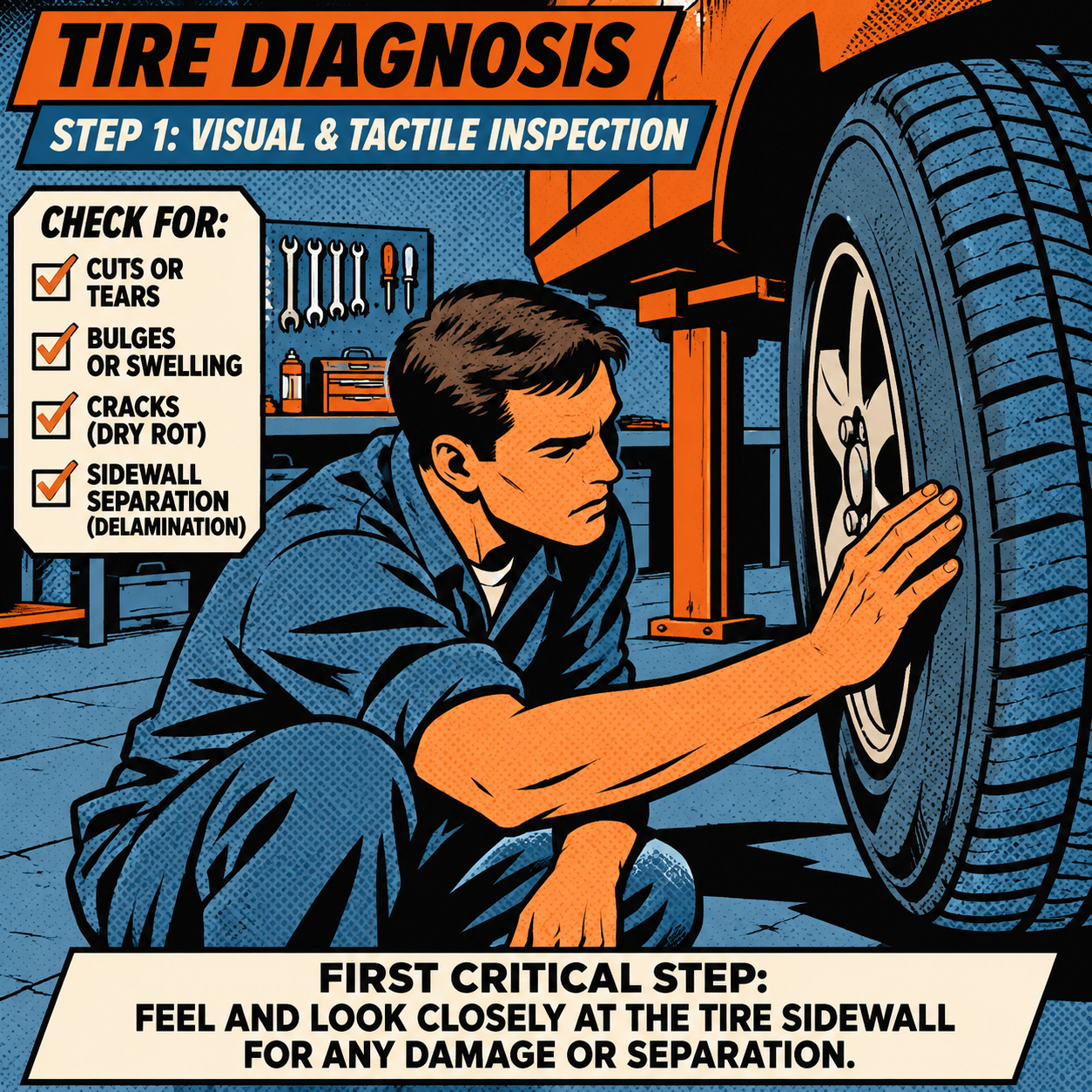
A steering wheel that shakes at low speed — especially when the shake doesn’t scale cleanly with speed — is one of the more urgent complaints that rolls into a shop. It’s tempting to guess “bad alignment” or “needs a balance” and send the customer on their way, but the honest answer is that this symptom has several distinct root causes, some of which mean the vehicle shouldn’t be driven again until it’s inspected. This walkthrough covers the diagnostic sequence that actually narrows down the cause, in the order it should be checked, so you’re not throwing parts at a guess.
Why This Symptom Gets Flagged as Urgent
Before touching a wrench, it’s worth setting expectations with the customer or driver: a pronounced shake at low speed that doesn’t track cleanly with speed is not a “drive it for a few more weeks” problem. It can indicate a separating tire belt, a severely bent rim, or loose wheel hardware — any of which can progress to a tire failure or a wheel coming loose while in motion. If the vehicle was recently driven by a new or inexperienced driver, or if there’s any chance of an unreported curb strike or pothole impact, treat that as a strong lead rather than a coincidence. The first diagnostic question to ask the driver is simple: does the shake get worse as speed increases, stay constant, or show up only at a specific speed? A vibration that’s present even at a crawl and doesn’t follow a clean speed curve points more toward physical damage (bent wheel, separated belt, loose hardware) than toward a routine balance or alignment issue, which typically has a speed-dependent onset.
Start With a Visual Inspection of Tires and Wheels
Pull both front wheels and give them a full walk-around before doing anything else. Check the tread face for cupping or uneven wear, then run a hand and eye over the full sidewall — inner and outer — looking for bulges, sidewall separation, or an egg-shaped bulge that indicates a broken internal belt. A tire with a separated belt will often show a visible flat spot or bulge even when static, and it will usually telegraph a pulsing shake that’s present at almost any speed because the tire is no longer running round. While you’re in there, check each rim for an obvious bend or deformation at the bead, particularly on the side closest to where a curb strike would land. Bent rims don’t happen spontaneously — if you find one, assume there’s a story behind it (a curb, a pothole, a parking garage ramp) and widen the inspection to the rest of that corner, including the tie rod end and lower control arm bushing, since a hard enough impact to bend a rim can also tweak alignment geometry or stress suspension components.

Beam Type Torque Wrench - 1/2 In Dr Fixed - 0 to 150 ft-lbs
Mfg: GearWrench
Part #: 2957
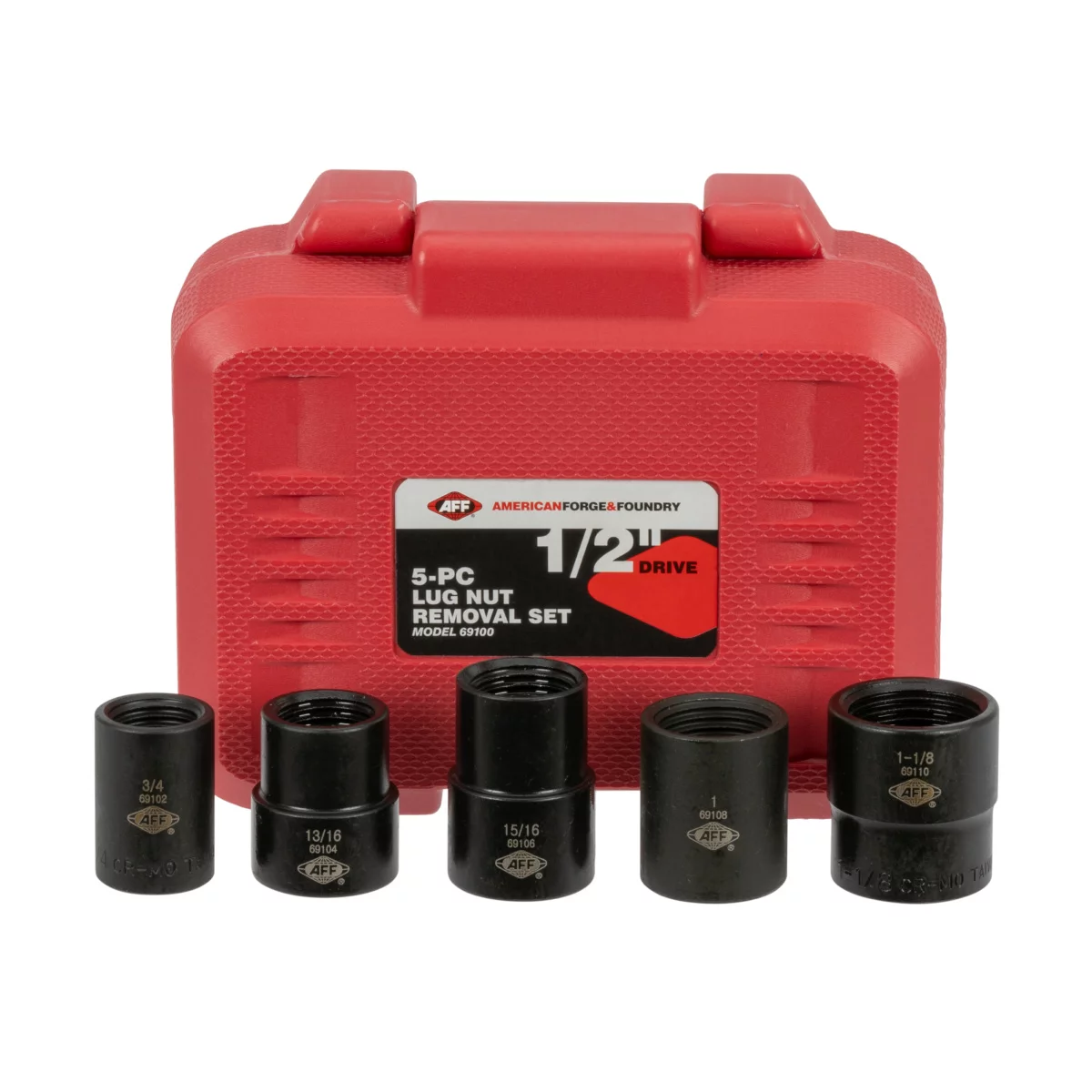
Lug Nut Removal Set - 1/2" Drive - 5 Pc - Includes 3
Mfg: American Forge & Foundry
Part #: 69100
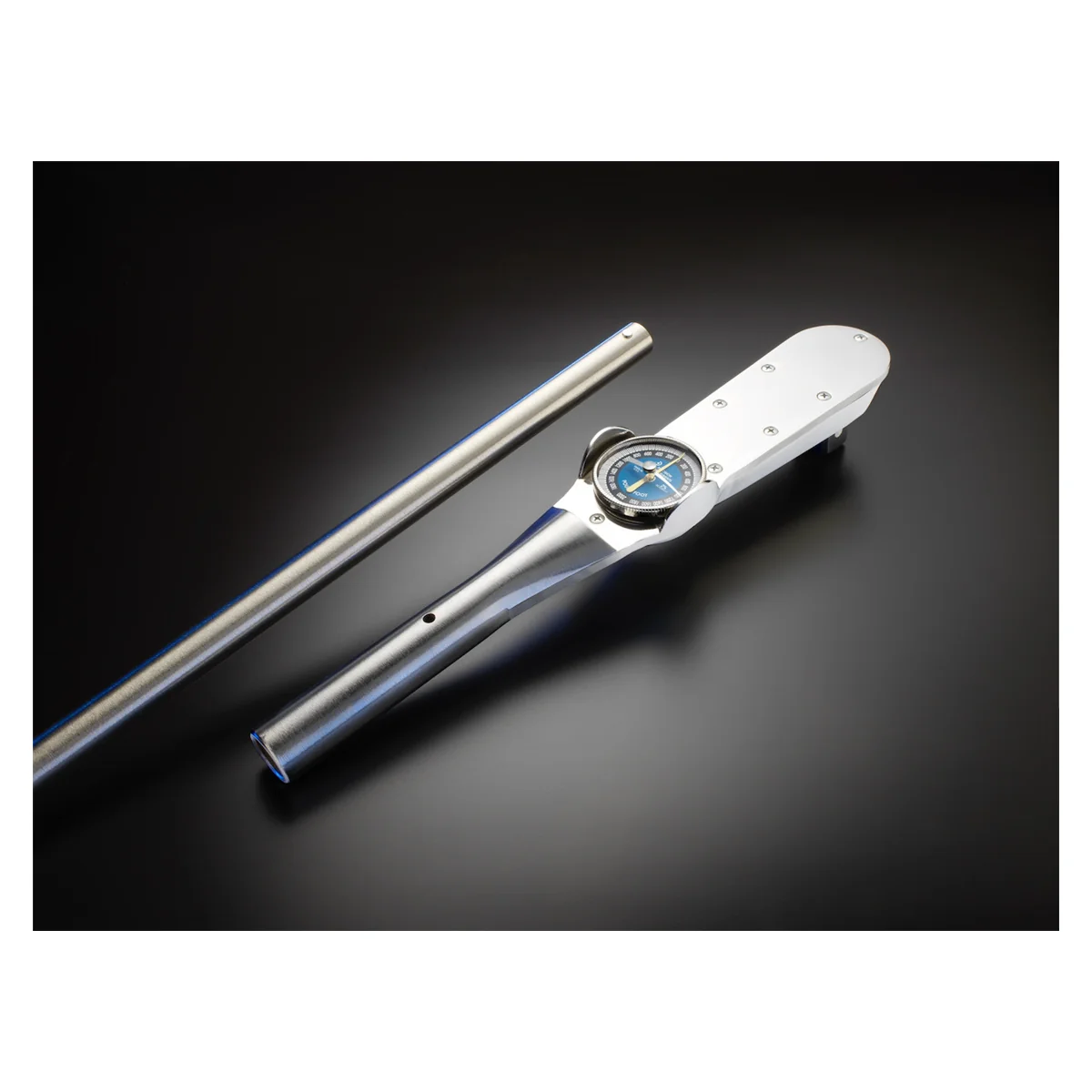
1" Drive Dial Torque Wrench 400-2000 ft-lbs
Mfg: Precision Instruments
Part #: D5F2000F
Check Lug Nut Torque Before You Touch Anything Else
This step gets skipped more often than it should, and it’s the fastest possible fix if it’s the cause. If the wheels were recently removed for a tire swap, seasonal wheel change, or brake job, loose lug nuts are a realistic culprit — a wheel that isn’t fully seated and torqued will produce a shake that can range from mild to severe depending on how much play exists. Break out a torque wrench and check every lug on all four wheels against the manufacturer spec, not just the fronts. While you’re there, confirm wheels are fully seated against the hub with no debris, rust buildup, or a missing centering ring trapped behind the wheel face — any of those will throw the wheel slightly off-center and create a vibration that mimics a balance problem even though the wheel itself is fine.
If the customer mentions tools for this step, now’s a good time to flag what’s worth having on hand in the bay.
Isolate the Problem With the Front/Rear Swap Test
If the visual inspection and lug check don’t turn up an obvious culprit, the next move is a controlled diagnostic swap: move both front tires to the rear and the rear tires to the front, then re-check the vehicle at the same speed and conditions. If the shake moves to the back seat or disappears from the steering wheel, you’ve confirmed the problem is tire- or wheel-related and localized to a specific corner — you can now narrow it down to one or two wheels instead of chasing the whole front end. If the shake stays in the steering wheel after the swap, the cause is more likely in the steering or front suspension components themselves (tie rods, ball joints, wheel bearings, or a bent spindle) rather than the tire/wheel assembly. This single test does more to narrow the diagnosis than almost anything else available without a lift and a balancer, and it costs nothing but labor time.
Rule Out Alignment, Balance, and Suspension Wear
With tires, rims, and lug torque cleared, move to the standard rotating-assembly checks. Spin each front wheel off the ground by hand or on a lift and watch for visible wobble or runout — this catches both balance issues and subtle bends that a casual walk-around inspection can miss. Run the wheels through a proper balancer if you haven’t already; an out-of-balance wheel typically produces a shake that builds with speed rather than one that’s present at idle-crawl speeds, so use this to confirm or rule out balance as a contributor rather than the sole cause. Check for excessive play in tie rod ends, ball joints, and wheel bearings by hand with the wheel off the ground — any looseness here will translate directly into steering wheel shake and gets worse with speed and road input. Finally, check toe and camber on an alignment rack; even if alignment isn’t the root cause, an impact severe enough to bend a rim or damage a tire belt will often throw the alignment out as well, and that needs correcting before the vehicle goes back on the road. Don’t skip this step even if you’ve already found a bad tire — fixing the tire without correcting the alignment will chew through the new tire’s tread unevenly within a few thousand miles.
Don’t Overlook Brake-Related Vibration
If everything above checks out clean, consider the brake system before sending the vehicle back out. Warped rotors combined with a sticking caliper slide pin can produce a pulsing feel that’s sometimes mistaken for a tire or wheel issue, particularly under light braking or at lower speeds where engine and road noise aren’t masking it. Pull each caliper and check that it floats freely on its slides, inspect rotor thickness and runout with a dial indicator, and look for uneven pad wear that would indicate a caliper that’s been dragging. This is a less common cause than tire or wheel issues for this specific complaint, but it’s worth five minutes to rule out before calling the diagnosis complete, especially if the customer describes the shake as more of a pulsing or braking-related feel than a constant steering wheel shimmy.
Quick diagnostic checklist:
- Confirm whether the shake is speed-dependent or constant — note the driver’s description
- Visually inspect both front tires for sidewall bulges, flat spots, or uneven tread wear
- Inspect both front rims for bends or deformation, especially at the bead
- Torque-check all lug nuts on all four wheels to spec
- Run the front/rear tire swap test to localize the issue
- Spin wheels to check for runout, then balance on a machine
- Check tie rods, ball joints, and wheel bearings for play
- Inspect rotors and caliper slides if tire/wheel findings come back clean
[PRODUCT_SEARCH: wheel balancer for shop use]

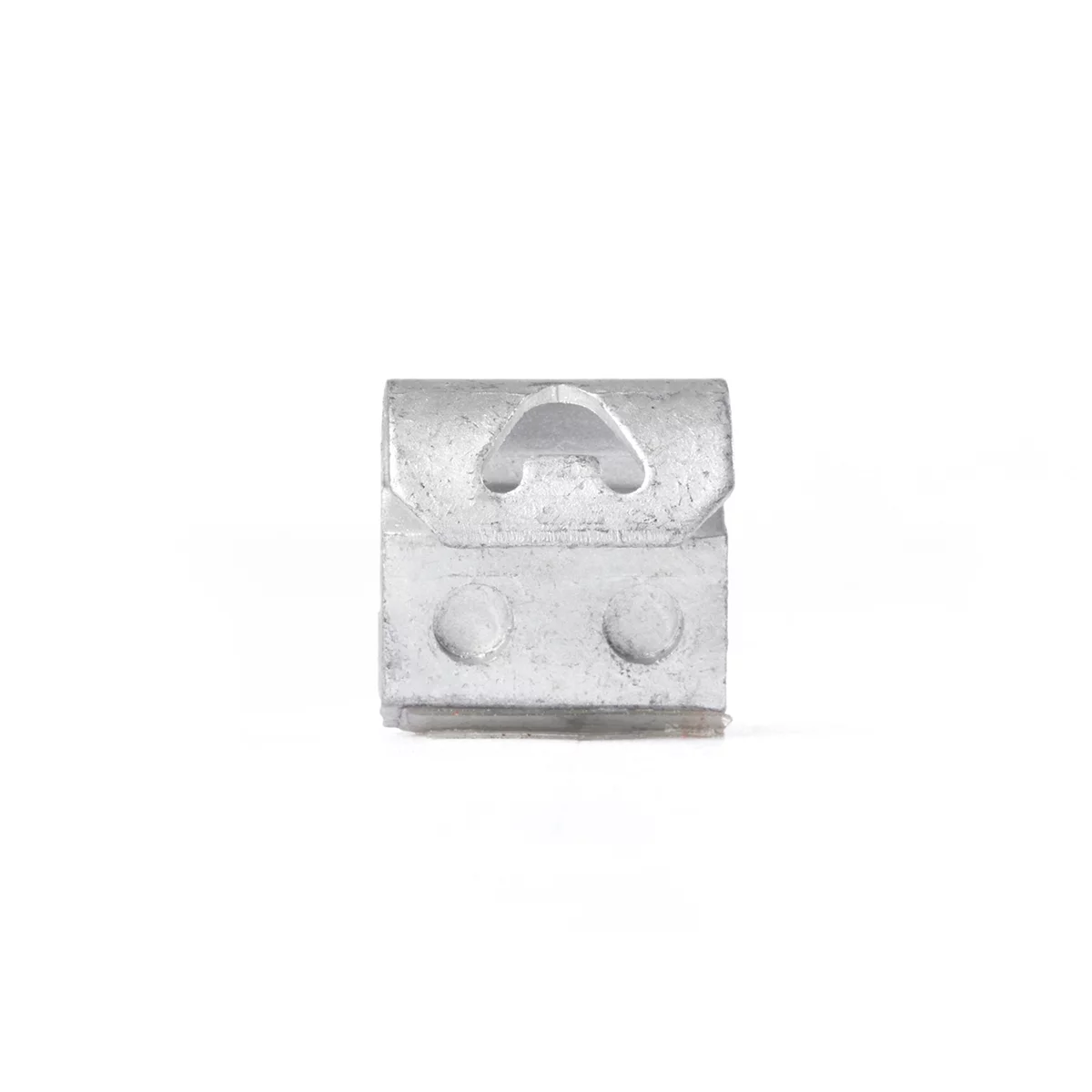
TMR 0.25 oz MCFE Series Steel Clip Wheel Weight (Box of 50)
Mfg: The Main Resource
Part #: MCFE025

Frequently Asked Questions
Is it safe to keep driving if the steering wheel is shaking?
Not until it’s been inspected. A shake that’s present at low speed and doesn’t follow a clean speed curve can indicate a tire about to fail or a wheel with compromised hardware — both can escalate suddenly. Advise against driving it, including short trips, until the cause is identified.
Can a wheel alignment alone cause this kind of shaking?
Alignment issues more commonly cause pulling, uneven tire wear, or a looser feel in the steering rather than a pronounced shake at low speed. A shake is more often tire, wheel, balance, or suspension-related, though a hard impact can throw off alignment and other components at the same time.
How do I know if it’s a tire problem versus a suspension problem?
The front/rear tire swap test is the fastest way to tell. If the shake relocates or disappears after swapping front and rear tires, the issue is in the tire or wheel. If it stays in the steering wheel, look at steering and suspension components instead.
What does it mean if the shake happens even at very low speed?
A shake present even at a crawl, rather than one that builds gradually with speed, usually points to physical damage — a bent rim, a separated tire belt, or loose wheel hardware — rather than a routine balance issue, which tends to be speed-dependent.
Could loose lug nuts really cause this much shaking?
Yes. A wheel that isn’t fully torqued down can shift slightly on the hub and produce a shake ranging from mild to severe. This is especially worth checking after any recent tire or wheel service, including seasonal tire swaps.
Should I check the brakes if the tires and wheels check out fine?
Yes — warped rotors or a dragging caliper can produce a pulsing vibration that’s sometimes mistaken for a tire or wheel issue. It’s a quick check once the more common causes have been ruled out.
Diagnostic Tools for This Repair
Diagnosing a low-speed steering wheel shake requires the right tools on hand: a torque wrench for confirming lug nut specifications, a wheel balancer for checking runout, and a dial indicator for rotor inspection. Our Tire Tools, Wheels & Suspension selection covers the equipment you need for this diagnostic sequence and the repairs that follow.
- Torque wrenches and lug nut sockets for spec verification
- Wheel balancers and mounting equipment for tire and rim assessment
- Suspension diagnostic tools for tie rod, ball joint, and bearing inspection

The Toolsource Technical Team blends decades of real-world automotive service experience with up-to-date technical research. Our writers collaborate with professional mechanics, shop owners, and diagnostic specialists to deliver practical, workshop-ready guidance you can trust.


Follow us on social media