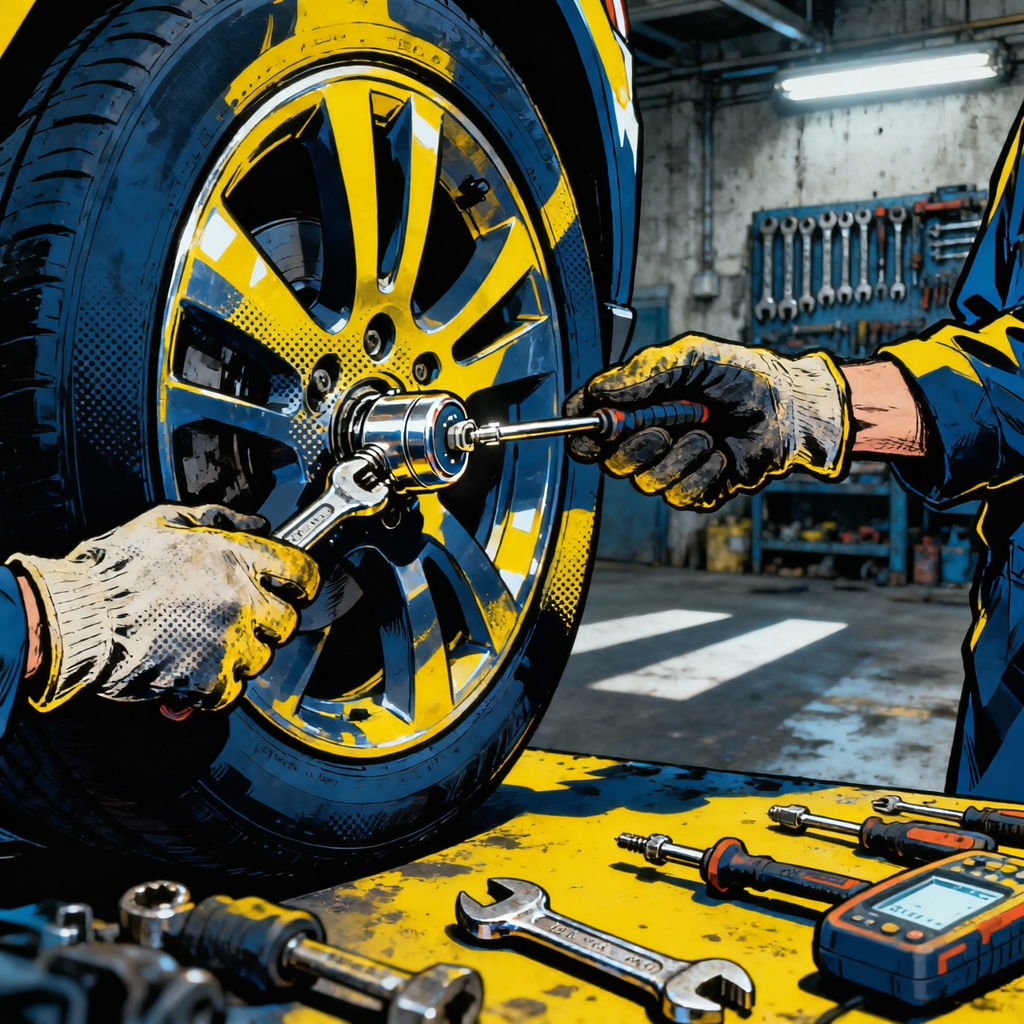
When your TPMS warning light comes on, you’re deciding between your wallet and safety. Sensors last 5-10 years before batteries die, with replacement costs ranging from $50-$200 per sensor. This guide covers actual costs, when DIY makes sense, and programming requirements.
TPMS Sensor Replacement Cost Breakdown
OEM vs Aftermarket Prices
OEM sensors cost $75-$150 through dealerships with guaranteed compatibility. Aftermarket sensors from Schrader, VDO, or Dill cost $30-$60 and work across multiple vehicles. Quality aftermarket sensors match OEM reliability at 40-60% lower cost. Online retailers (RockAuto $30-$50, Amazon $40-$65, TireRack $50-$75) beat shop prices by $20-$40 per sensor.
Labor Costs
Walmart charges $80-$120 labor for four sensors. Costco members pay $18-$20 per tire as part of service packages. Discount Tire charges $25-$40 per wheel including programming. Dealerships run $200-$250 per sensor total. Independent shops cost $100-$150 per sensor. Always confirm programming costs upfront—some shops charge extra.
| Service Provider | Sensor Cost | Labor per Sensor | Total per Sensor |
|---|---|---|---|
| Online Parts + Local Shop | $30-$50 | $20-$40 | $50-$90 |
| Walmart/Costco | $50-$75 | $20-$35 | $70-$110 |
| Discount Tire/Independent | $60-$90 | $25-$45 | $85-$135 |
| Dealership | $100-$150 | $50-$100 | $150-$250 |
DIY vs Professional Replacement
Tools & Equipment
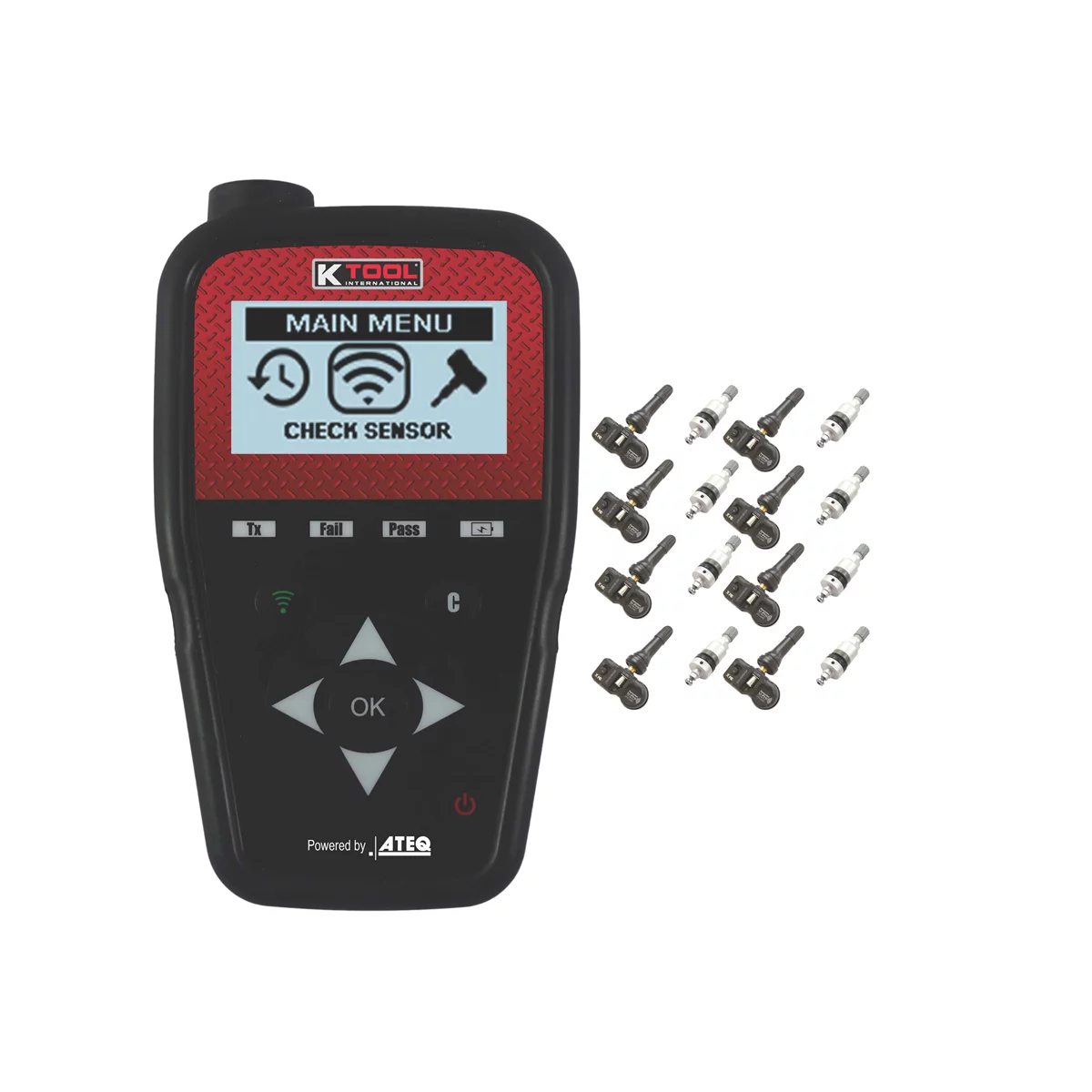
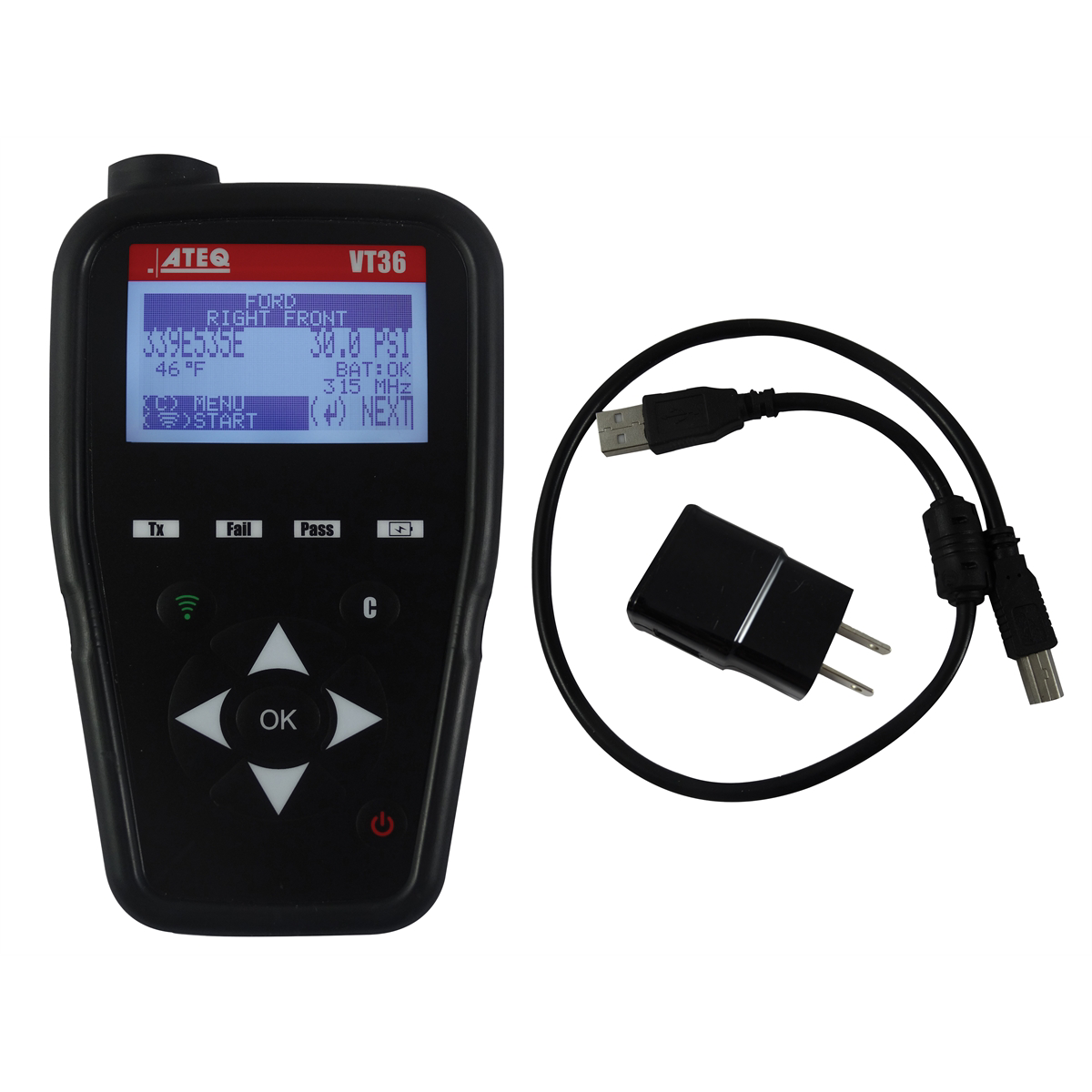
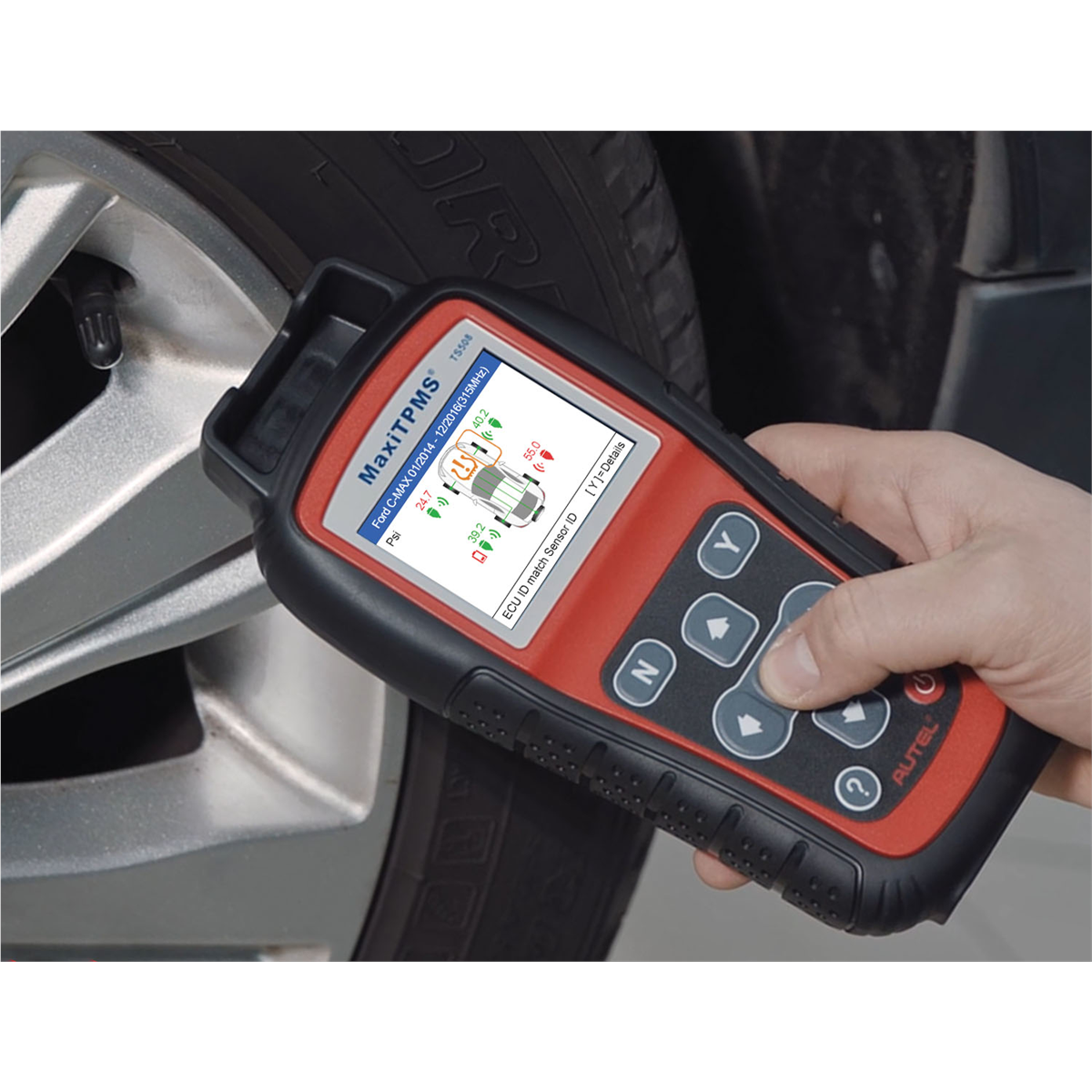
DIY requires a tire bead breaker ($80-$300) or spoon set ($30-$60), valve core tool, and lubricant. A TPMS programming tool costs $80-$120 (Autel TS401) for basic needs, or $300-$400 (Autel MaxiTPMS TS608) for European vehicles. Some newer Ford, Dodge, and GM vehicles support self-programming. Plan on $10-$15 per wheel for shop balancing.
Safety Risks
Improper tire bead seating can cause explosive failures. Always use inflation cages, wear safety glasses, and use steady pressure. Break the bead opposite the sensor to avoid damage. Call a professional for low-profile tires, run-flats, directional patterns, or indirect TPMS systems.
Time & Cost Analysis
First-time DIY takes 3-4 hours per wheel; experienced DIYers do 45-60 minutes. DIY costs $40-$60 per sensor (parts plus balancing) versus $85-$135 at shops—saving $45-$75 per sensor. However, tool costs of $150-$400 cut into savings. DIY makes sense if you replace sensors on multiple vehicles or already own equipment.
Sensor Programming by Vehicle Make
Self-Programming Vehicles
Ford (2013+), Dodge (2014+), and Toyota/Lexus (2018+) feature auto-learn systems. Install sensors and drive 10-20 minutes at speeds above 20 mph. Older Toyota models use a manual reset button procedure. Check your owner’s manual for specific instructions.
Manual Programming Requirements
GM uses magnet tool relearning. Honda/Acura need scan tools and a 10-minute drive cycle. Nissan/Infiniti vary by year. European vehicles (BMW, Mercedes, Audi, VW) require dealer equipment—budget $80-$150 for programming.
Cloning vs Serial Number Programming
Cloning copies sensor IDs from old sensors ($100-$300 tool). Serial number programming registers new sensor IDs through vehicle-specific relearn procedures. Use cloning if old sensors work; use serial number programming if sensors are dead.
Should You Replace All 4 Sensors or Just One?
Battery Life & Cost Analysis
TPMS sensors contain non-replaceable batteries lasting 5-10 years. When one fails, others have 6-18 months left. Replacing one sensor separately costs $85-$135. Replacing all four separately over 12 months costs $340-$540. Replacing all four at once costs $280-$480—saving $60-$120 plus three shop visits.
DIY math: individual replacements over time cost $160-$240 for four sensors. Replacing all at once still costs $160-$240 but saves 9-12 hours of labor and multiple trips.
When to Replace All vs One
Replace all four if your vehicle is 7+ years old and you plan to keep it longer. This avoids the cycle of one sensor failing every few months. Replace just one if selling within 6-12 months or if budget is tight (plan to replace the other three within a year).
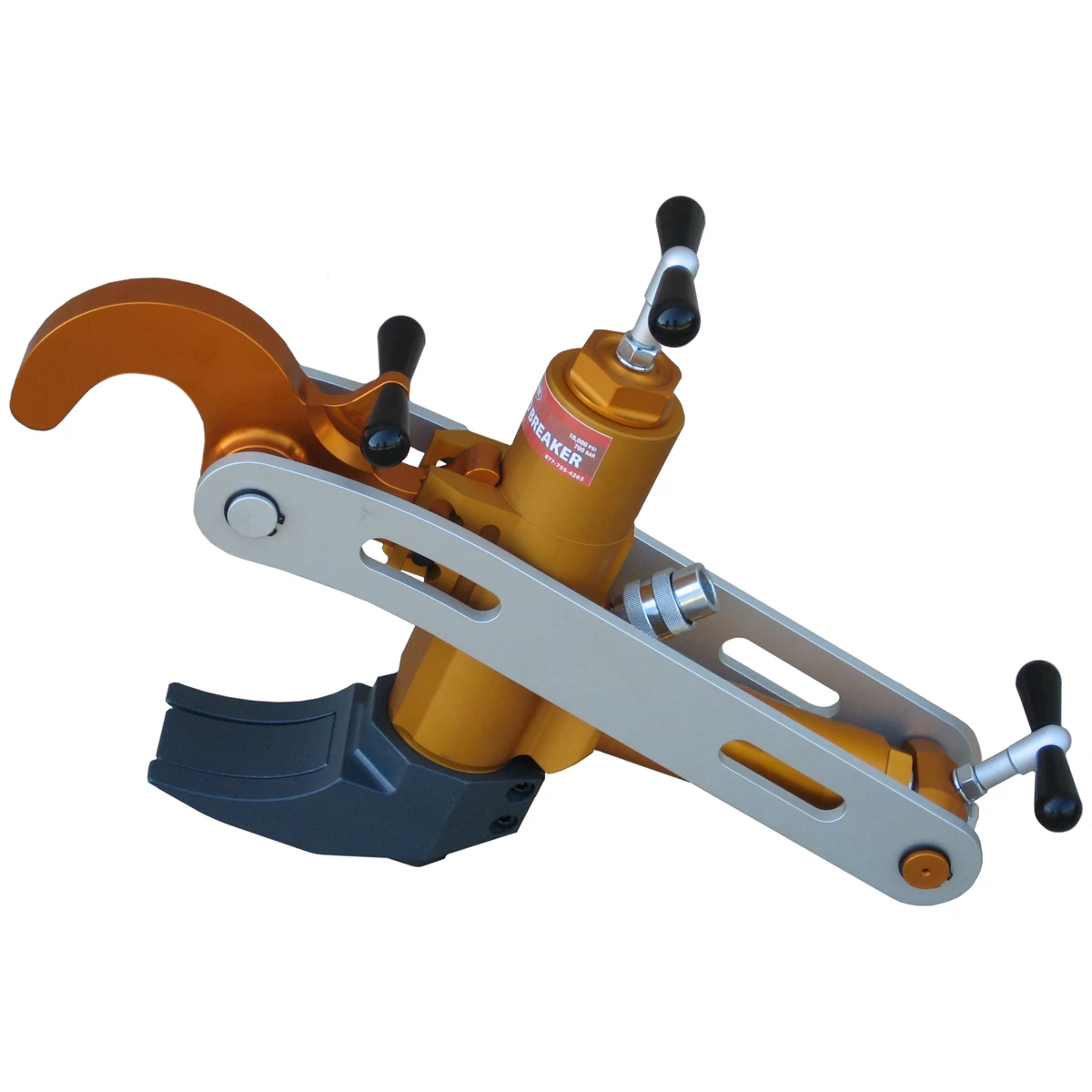
Aluminum Tire Bead Breaker Tool with Case - AME 11076
Mfg: AME International
Part #: 11076
Step-by-Step Installation
Breaking the Bead
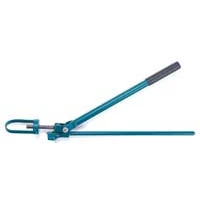
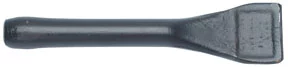
Fully deflate the tire. Position the sensor at 12 o’clock, then break the bead at 6 o’clock first, away from the sensor. Apply tire lubricant generously. Use steady pressure on manual bead breakers—avoid sudden force.
Removing & Installing Sensors
Push the tire bead into the wheel’s drop center. Unscrew the retaining nut (usually 8mm or 10mm). Pull the sensor through the rim hole. Clean the mounting hole, install the new sensor with a fresh rubber seal, torque the retaining nut to 35-60 inch-pounds, and install a new valve core and cap.
Testing & Verification
Test the new sensor with your TPMS tool before mounting the wheel. After mounting, perform your vehicle’s TPMS relearn procedure. Drive 10-20 minutes at speeds above 25 mph. Confirm pressure readings match your vehicle specs (door jamb sticker). Record sensor IDs for future reference.
Pre-Installation Checklist
- ☐ Confirm which sensor(s) failed using TPMS diagnostic tool
- ☐ Verify sensor compatibility with your vehicle
- ☐ Gather tire tools: bead breaker, spoons, valve core tool, lubricant
- ☐ Get TPMS programming tool or verify auto-learn capability
- ☐ Purchase valve cores, caps, and seals (often included with sensors)
- ☐ Review your vehicle’s TPMS relearn procedure
- ☐ Arrange tire balancing if needed
- ☐ Prepare safety gear: gloves, glasses, inflation cage
- ☐ Check tire condition—replace if near end-of-life
- ☐ Budget 1-2 hours per wheel for first installation, plus programming
FAQ: Common TPMS Replacement Questions
Can I ignore the TPMS warning light?
Legally yes in most states, but you lose important safety alerts. TPMS detects slow leaks, punctures, and pressure changes before tire damage occurs. NHTSA data shows proper tire pressure prevents blowouts and improves fuel economy 3-5%.
What’s the difference between OEM and aftermarket sensors?
OEM sensors match exact vehicle specs with 1-2 year warranties. Quality aftermarket sensors from Schrader, VDO, or Dill cost 40-60% less and match reliability. Avoid cheap no-name sensors—they have shorter battery life and compatibility issues.
Where’s the best place to buy TPMS sensors online?
RockAuto offers the lowest prices ($30-$50) with detailed fitment charts. Amazon provides faster shipping ($40-$65) with easy returns. TireRack specializes in wheels with excellent support ($50-$75). Buy from established retailers with clear return policies.
How do I know which sensor is bad?
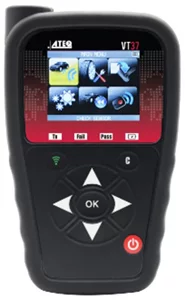
Multi-function displays show which tire has low pressure. Use a TPMS diagnostic tool ($50+) or get free scanning from tire shops. The tool displays battery status, signal strength, and sensor ID.
Can I replace the battery in a TPMS sensor?
Sensors use sealed units not designed for replacement. Battery replacement requires soldering new cells and resealing with epoxy—risky work with low ROI. New aftermarket sensors cost $30-$50, making replacement the practical choice.
Do I need an alignment after replacing TPMS sensors?
No, TPMS replacement doesn’t affect alignment. But inspect suspension while tires are off. If you’ve noticed uneven wear or pulling, get an alignment ($20-$30) while tires are down.
Now that you understand TPMS sensor replacement, explore our full selection of tire and wheel products to keep your vehicle running smoothly. From replacement sensors to tire maintenance tools, we have everything you need for optimal tire performance.

The Toolsource Technical Team blends decades of real-world automotive service experience with up-to-date technical research. Our writers collaborate with professional mechanics, shop owners, and diagnostic specialists to deliver practical, workshop-ready guidance you can trust.


Follow us on social media