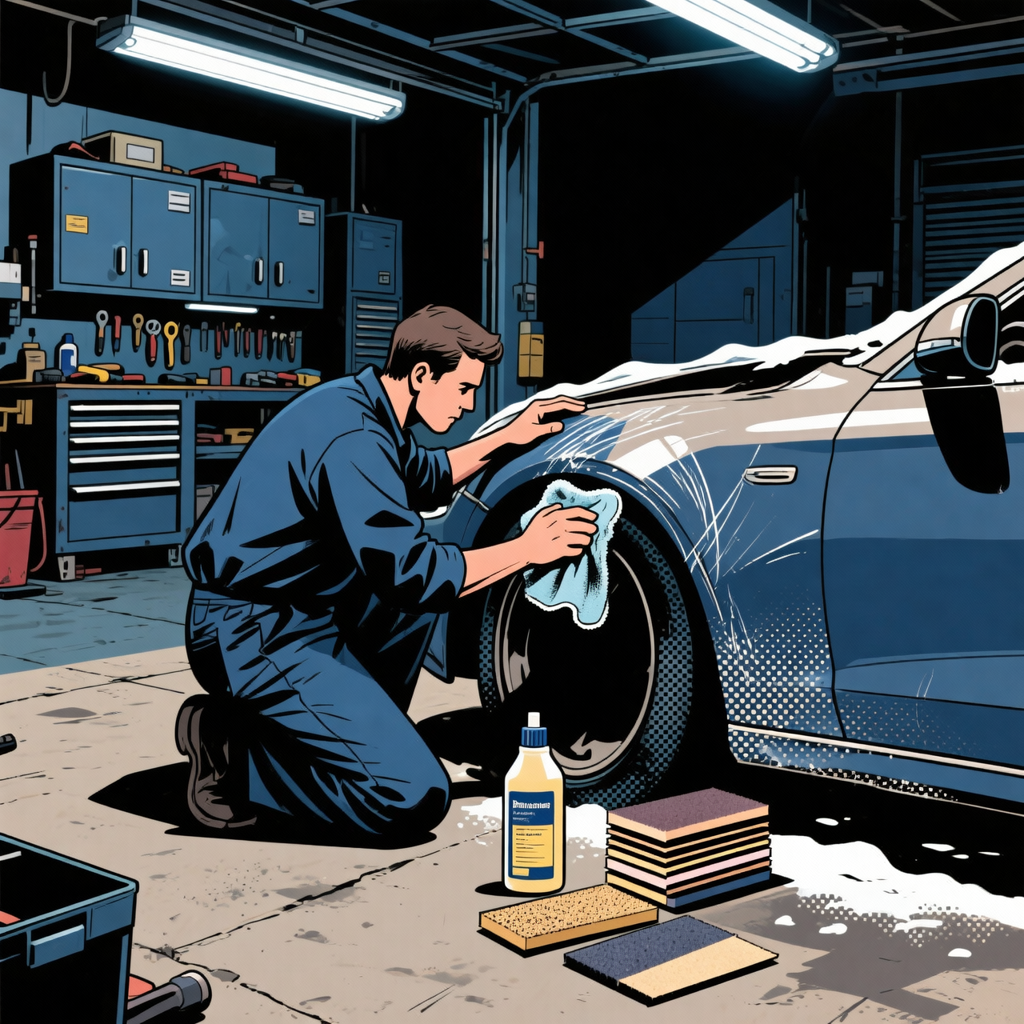
Winter brings snow, and while it can be beautiful, it also presents challenges for vehicle maintenance. When improperly removing snow from a vehicle, especially using a shovel or any abrasive tool, paint damage can occur. This guide will detail how to assess damage and provide practical steps for repair, helping you save money and restore your vehicle’s appearance.
Assessing the Damage
The first step in repairing paint damage is to accurately assess the extent of the scratches or marks on your vehicle’s surface.
Identifying Scratch Types
- Surface Scratches: These are light scratches that generally do not penetrate the clear coat. You may notice them visually, but they may not be noticeable to the touch.
- Deeper Scratches: If your fingernail catches in the scratch, it has likely penetrated through the clear coat into the base coat or primer. These will require more intensive repair methods.
- Scuff Marks: Sometimes, the damage may appear as scuff marks rather than scratches. These can often be buffed out.
Initial Repair Steps
Once you’ve assessed the damage, you can begin repairs. Keep in mind that some issues may require professional help.
1. Washing the Affected Area
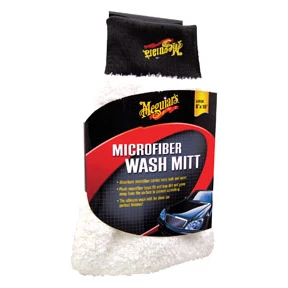
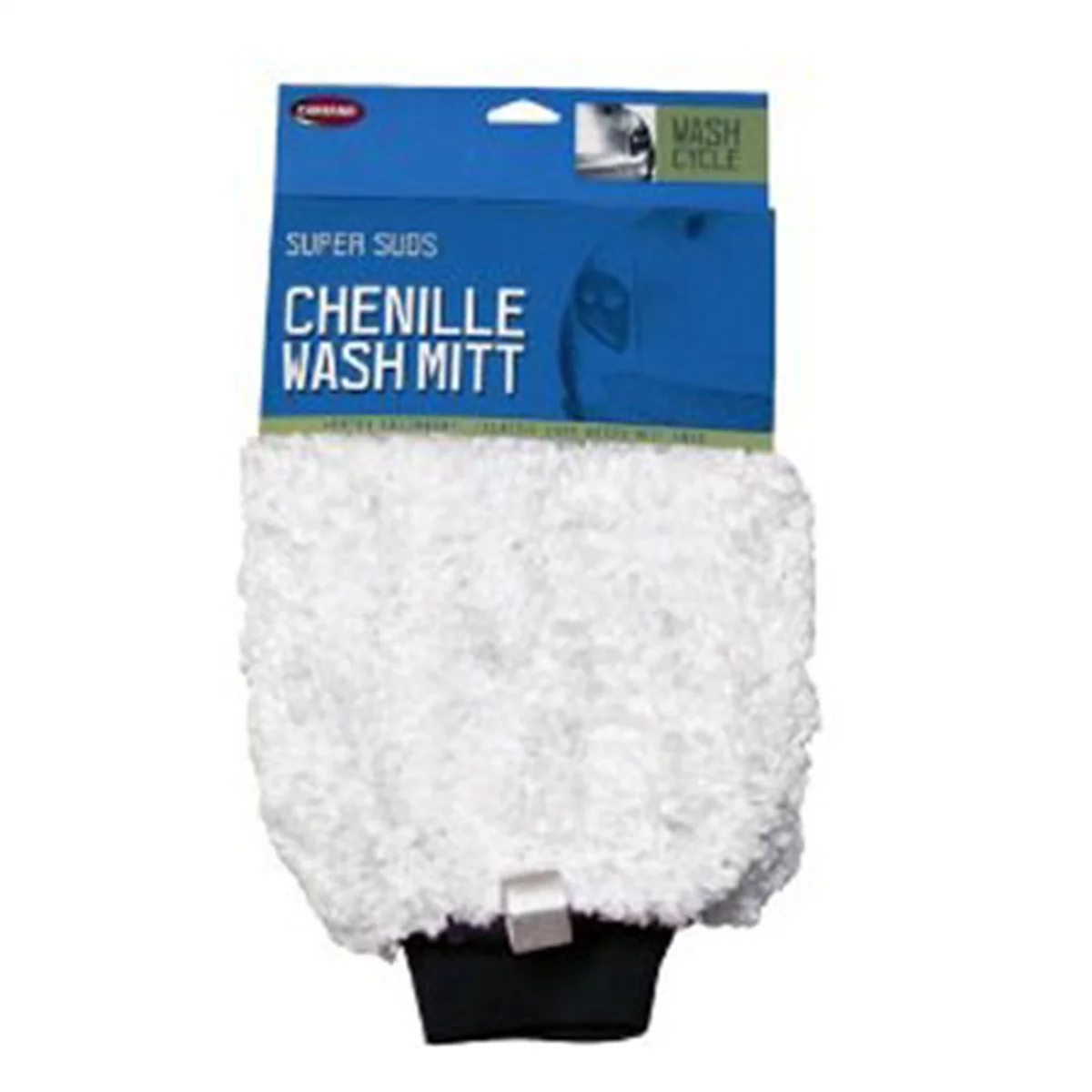
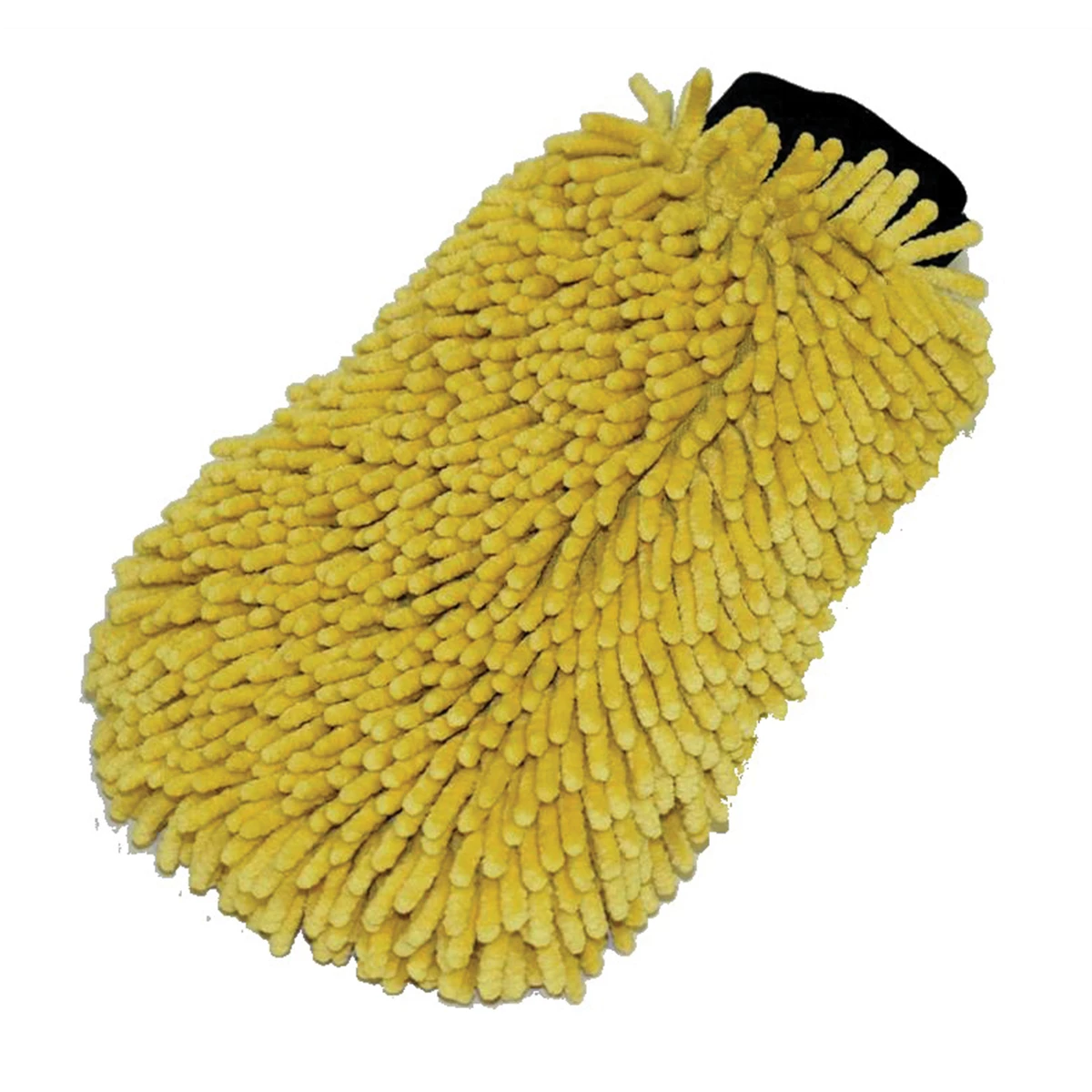
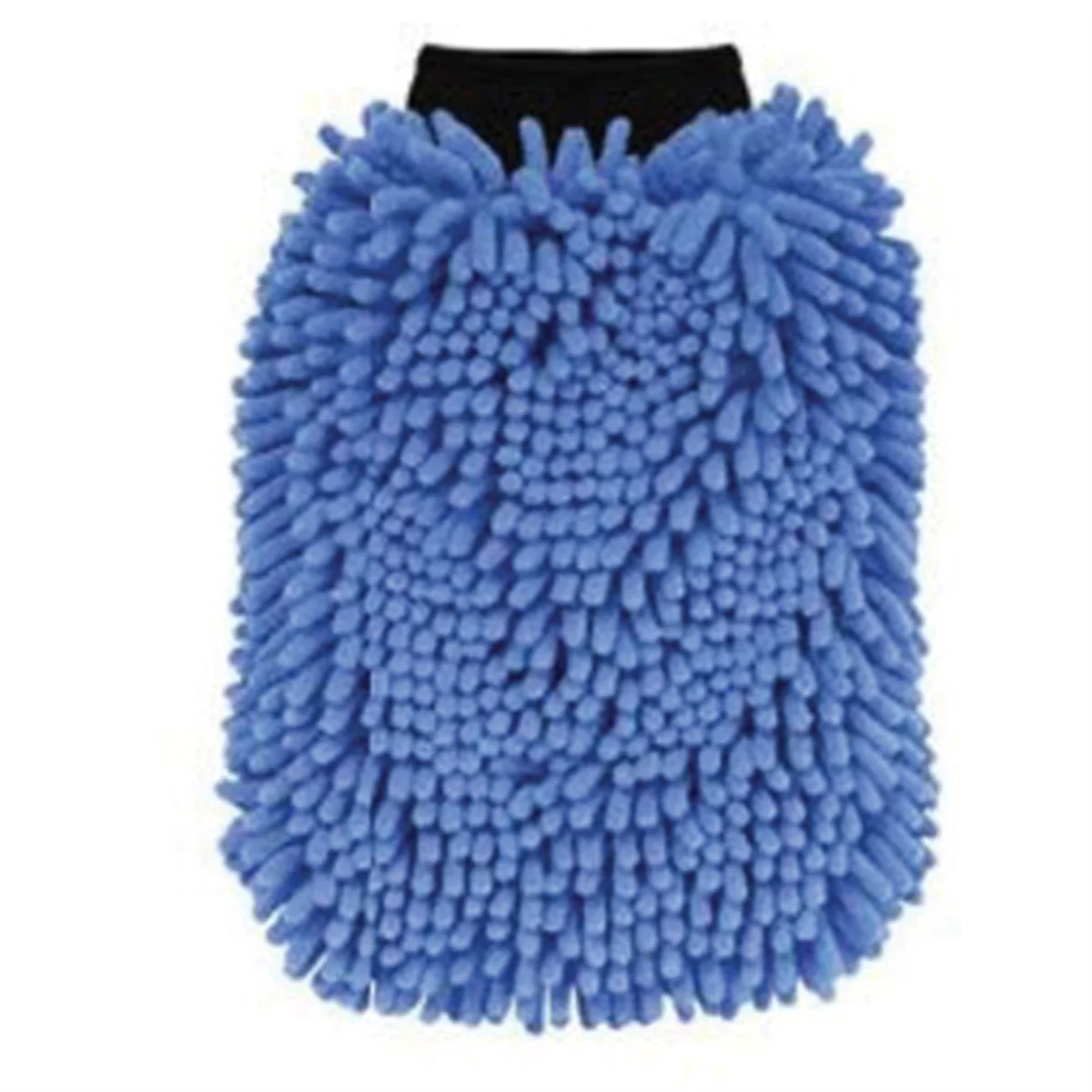
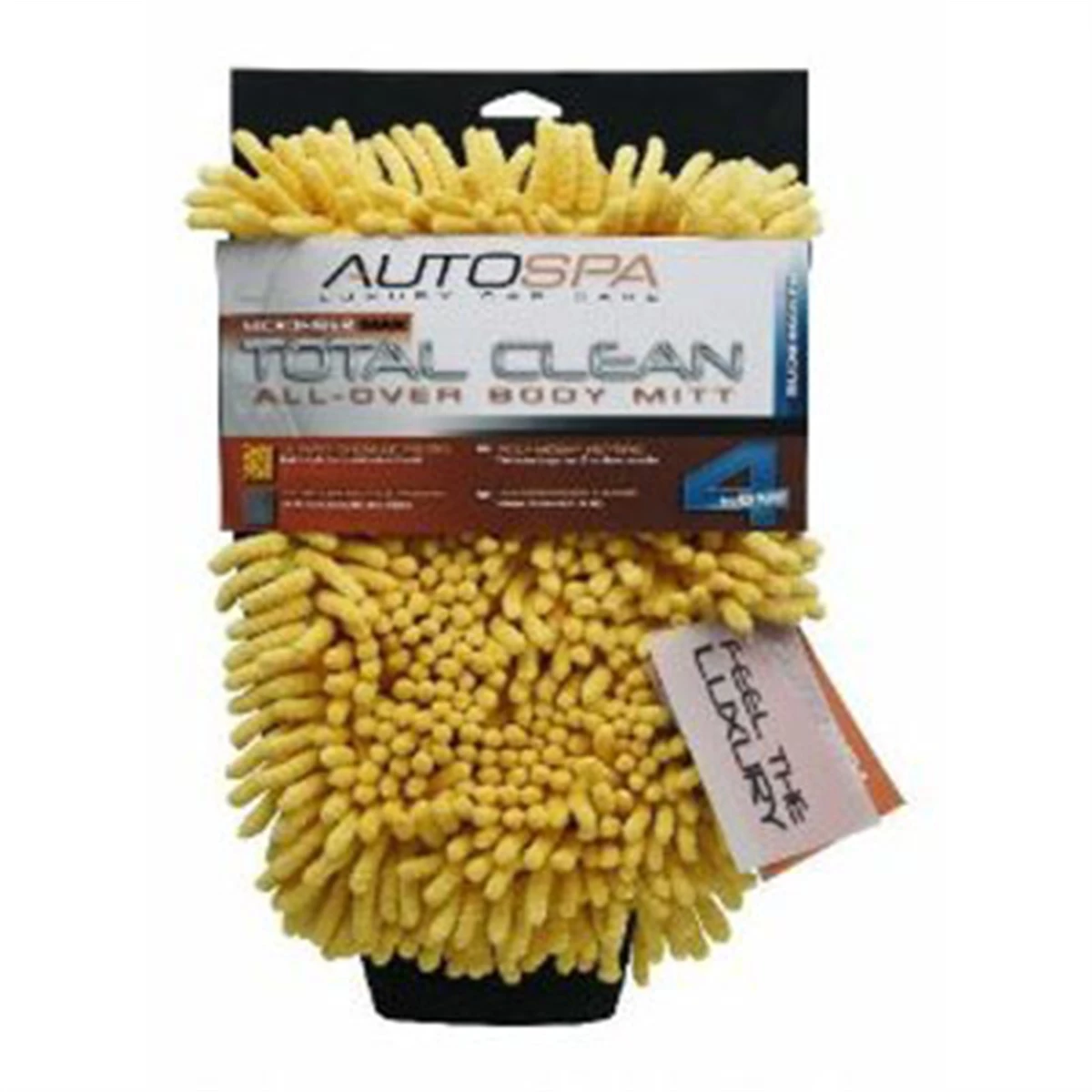
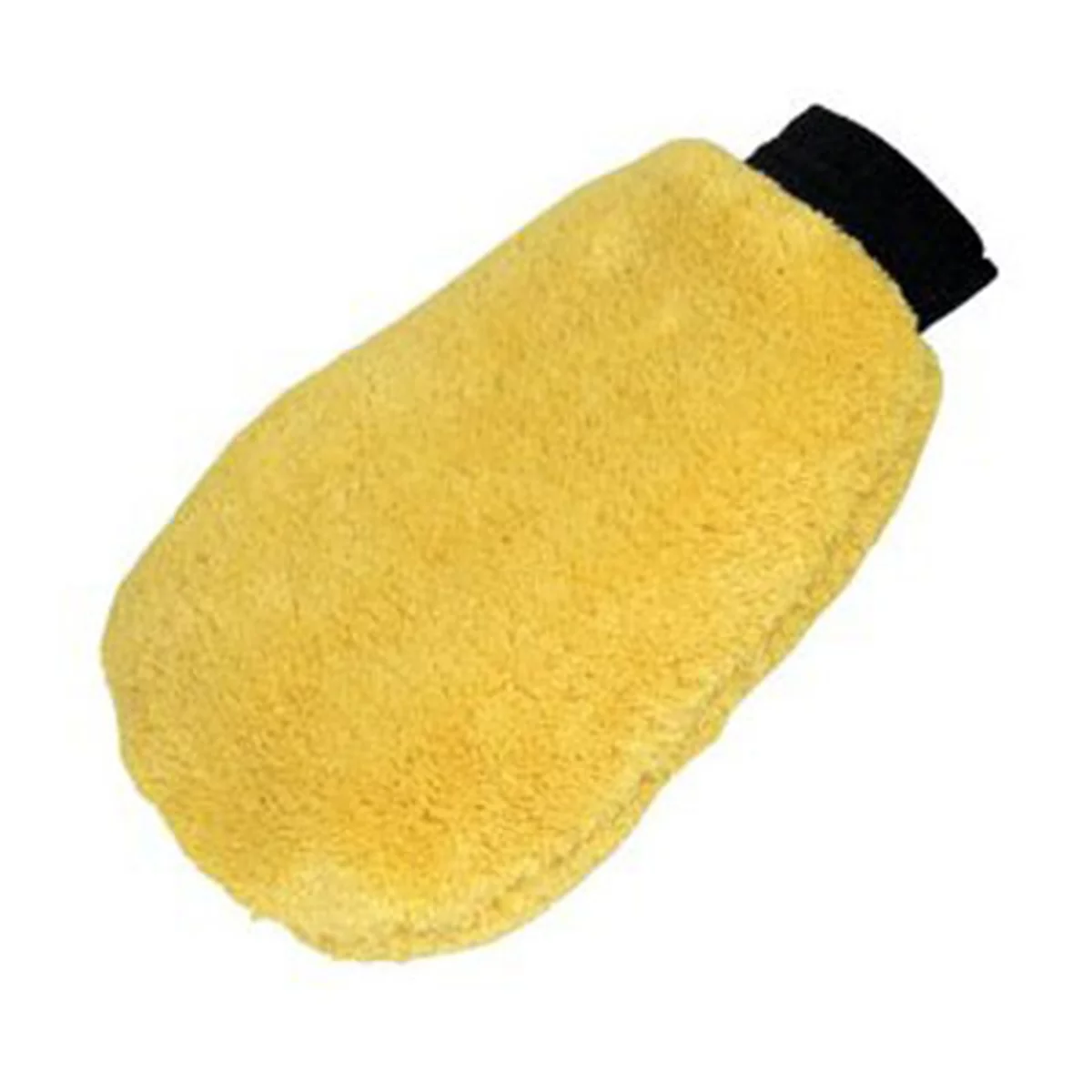
Thoroughly clean the area where the damage occurred. Use a pH-balanced car wash soap and a microfiber wash mitt to avoid further scratches. Rinse and dry the area.
2. Selecting the Right Products
If you decide to tackle the repairs yourself, select products designed for paint correction:
- Scratch Remover: Use consumer-grade scratch removers that fill the scratches and improve the surface clarity without removing excessive clear coat.
- Rubbing Compound: For deeper scratches, a rubbing compound may be necessary. Ensure it’s compatible with your vehicle’s paint type.
- Polishing Compound: This helps enhance the shine post-scratch removal.
3. Buffing Techniques
Begin buffing with a clean microfiber cloth, applying the selected compound in small circular motions. Take care to avoid excessive pressure which could burn through the clear coat.
4. Wetsanding (For Deeper Scratches)
If the scratch is too deep for buffing, consider wetsanding:
- Use 2000-3000 grit sandpaper and wet the area thoroughly.
- Sand gently with minimal pressure until the scratch appears smoother.
- After wetsanding, buff the area to restore shine.
When to Consult Professionals
While the DIY approach is applicable for many situations, sometimes it’s better to consult professionals:
1. Availing Detailers
Professional detailers possess advanced tools and products. They can achieve a higher quality repair, especially if the damage is extensive or covers a large area.
2. Body Shops
If paint damage is significant, a body shop should be consulted for touch-ups or repainting. They will match the OEM paint, ensuring the repair blends seamlessly with the vehicle.
Preventative Measures Moving Forward
Prevention is your best bet in ensuring the longevity of your vehicle’s paint.
1. Park Smart
Whenever possible, park inside or use a car cover during winter months to minimize snow damage.
2. Use Proper Tools for Snow Removal
Invest in a snow brush or leaf blower specifically designed for removing snow from vehicles. Avoid using shovels as they can cause irreversible damage.
3. Regular Maintenance
Regularly wash and wax your vehicle during the winter to protect the paint and clear coat from harsh conditions.
Quick Repair Checklist
- Assess the damage type (surface, deep scratches, scuffs).
- Wash the affected area thoroughly.
- Select appropriate products (scratch remover, rubbing compound).
- Buff using microfiber cloth or consider wet sanding deeper scratches.
- If necessary, consult a professional.
Frequently Asked Questions (FAQs)
1. Can all scratches be repaired?
Not all scratches can be totally removed. Surface-level scratches can often be buffed out, while deeper scratches may require repainting.
2. How can I tell if my scratch is deep?
If your fingernail catches in the scratch, it is likely deep and may require further treatment.
3. What products work best for minor scratches?
Look for consumer-grade scratch removers and compounds that are specifically designed to fill scratches while polishing the surface.
4. Can I buff scratches without removing the clear coat?
Yes, using the right products and techniques can alleviate minor scratches without compromising the clear coat.
5. Is it worth it to have professional help?
If you’re unsure or uncomfortable working on the vehicle, consulting a professional can save time and potentially save you from making expensive mistakes.
Recommended Tools
To effectively restore your vehicle’s appearance, explore our Paint & Body category for essential products.
- Scratch removers for minor surface issues.
- Rubbing and polishing compounds for deeper damage.
- Tools designed for safe paint repair techniques.

The Toolsource Technical Team blends decades of real-world automotive service experience with up-to-date technical research. Our writers collaborate with professional mechanics, shop owners, and diagnostic specialists to deliver practical, workshop-ready guidance you can trust.


Follow us on social media