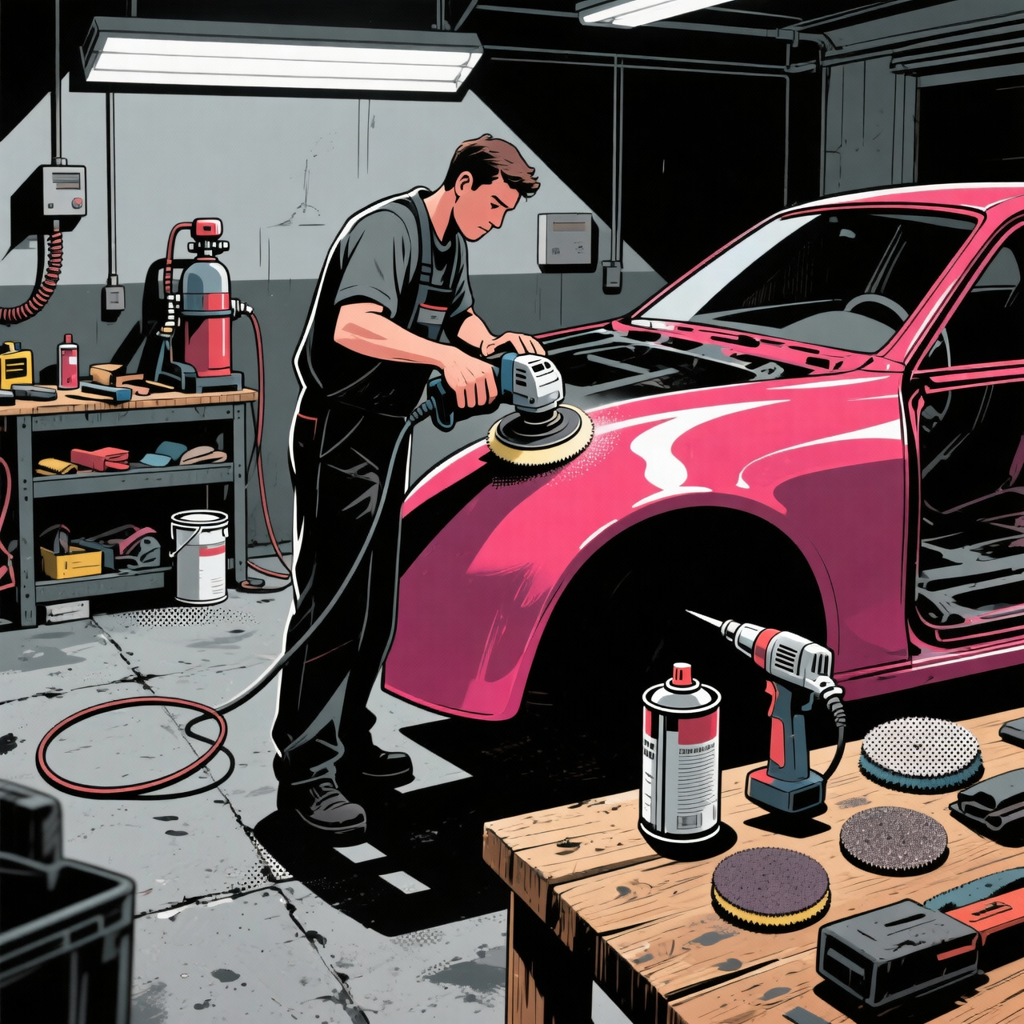
Mastering Auto Body Repainting: Technician’s Guide
Repainting an auto body involves intricate skills and a deep understanding of techniques and materials. While it may seem straightforward, mastering this craft requires time, patience, and the right tools. This guide outlines essential steps, safety considerations, and expert advice to achieve a professional finish.
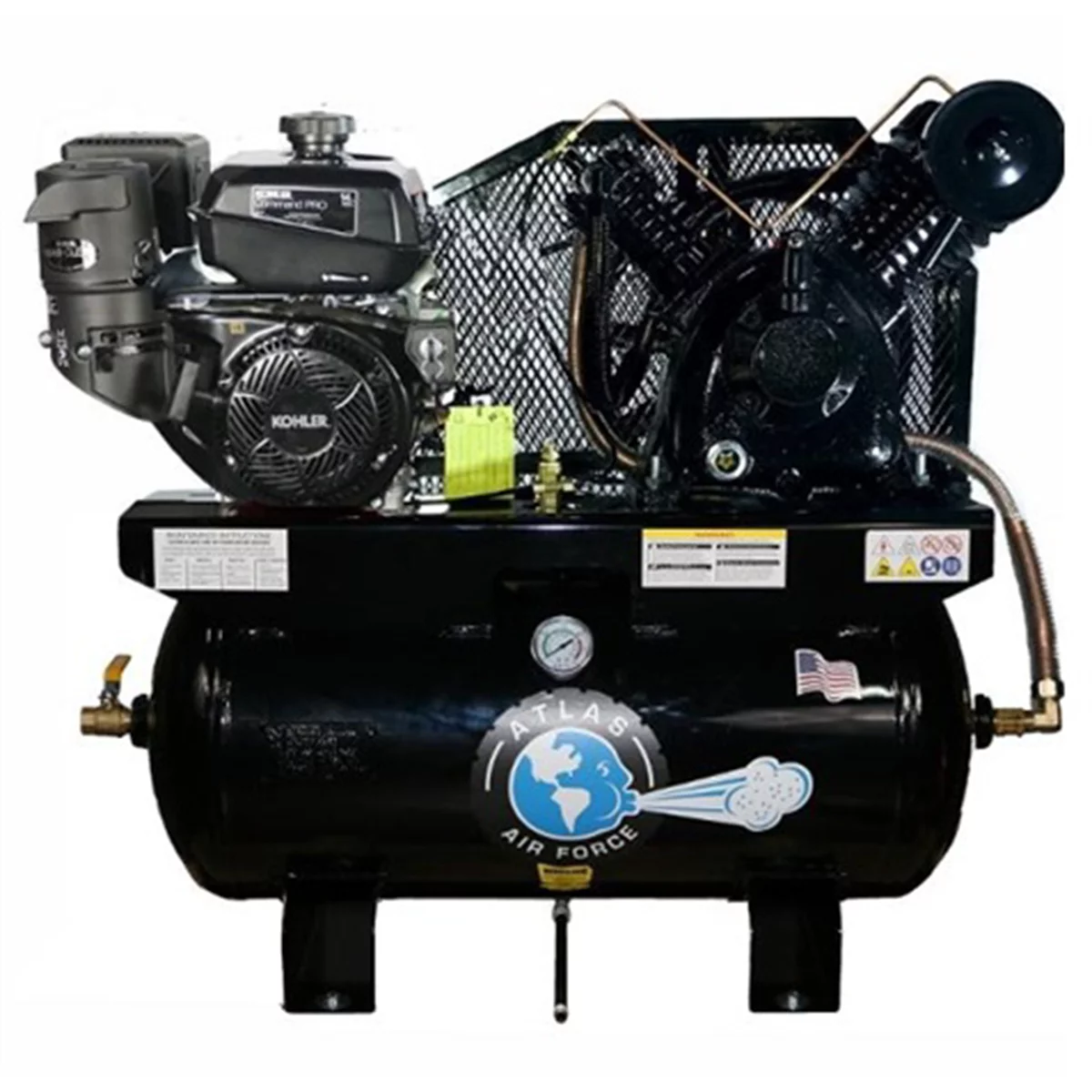
Atlas Equipment 14HP Gas-Powered 30 Gallon Air Compressor
Mfg: Atlas Automotive
Part #: MP-14030GTU

Atlas Equipment Air Force AF9G Gas 30 Gallon Air Compressor
Mfg: Atlas Automotive
Part #: MP-9030G
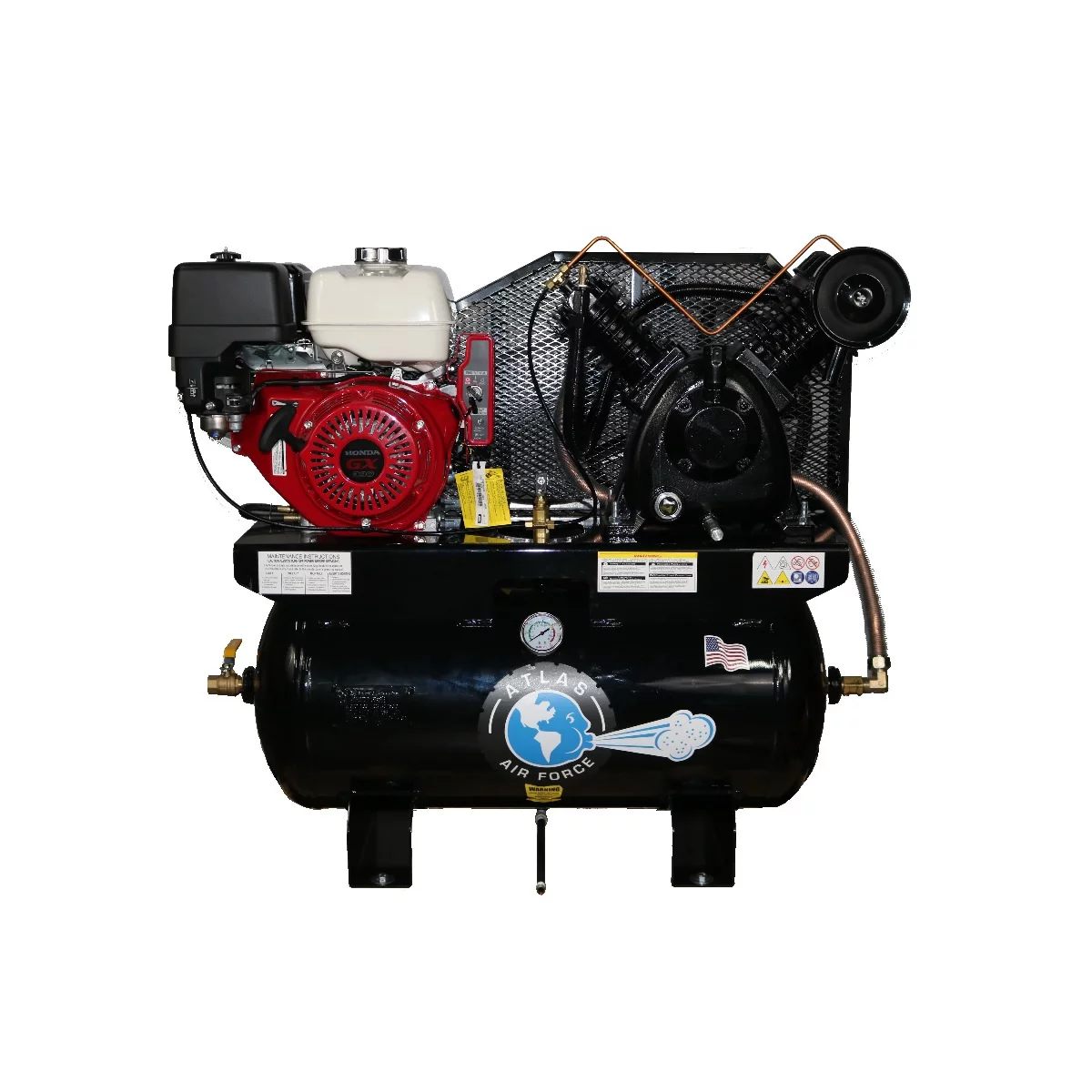
Atlas Equipment 13HP Gas-Powered 30 Gallon Air Compressor
Mfg: Atlas Automotive
Part #: MP-13030GTU
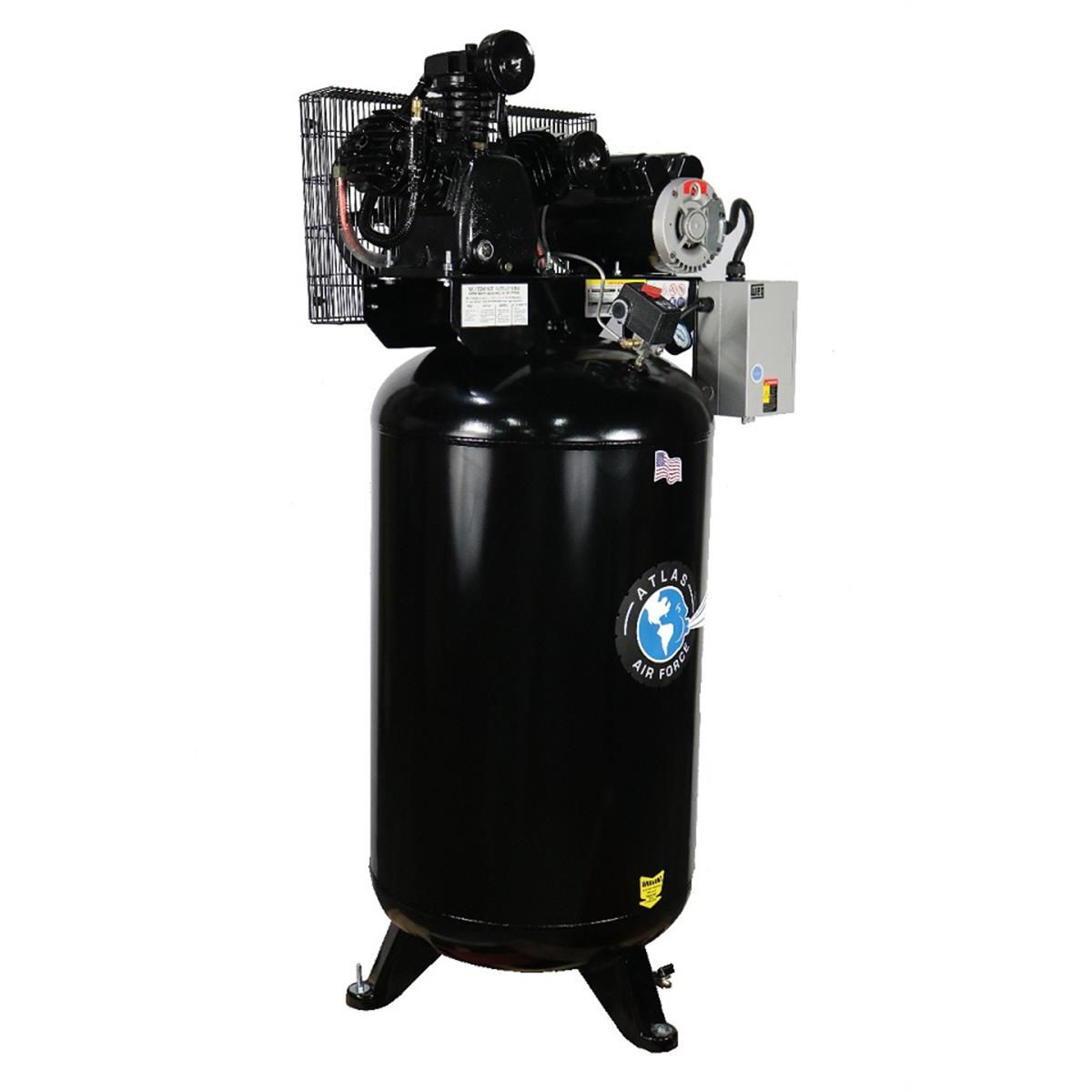
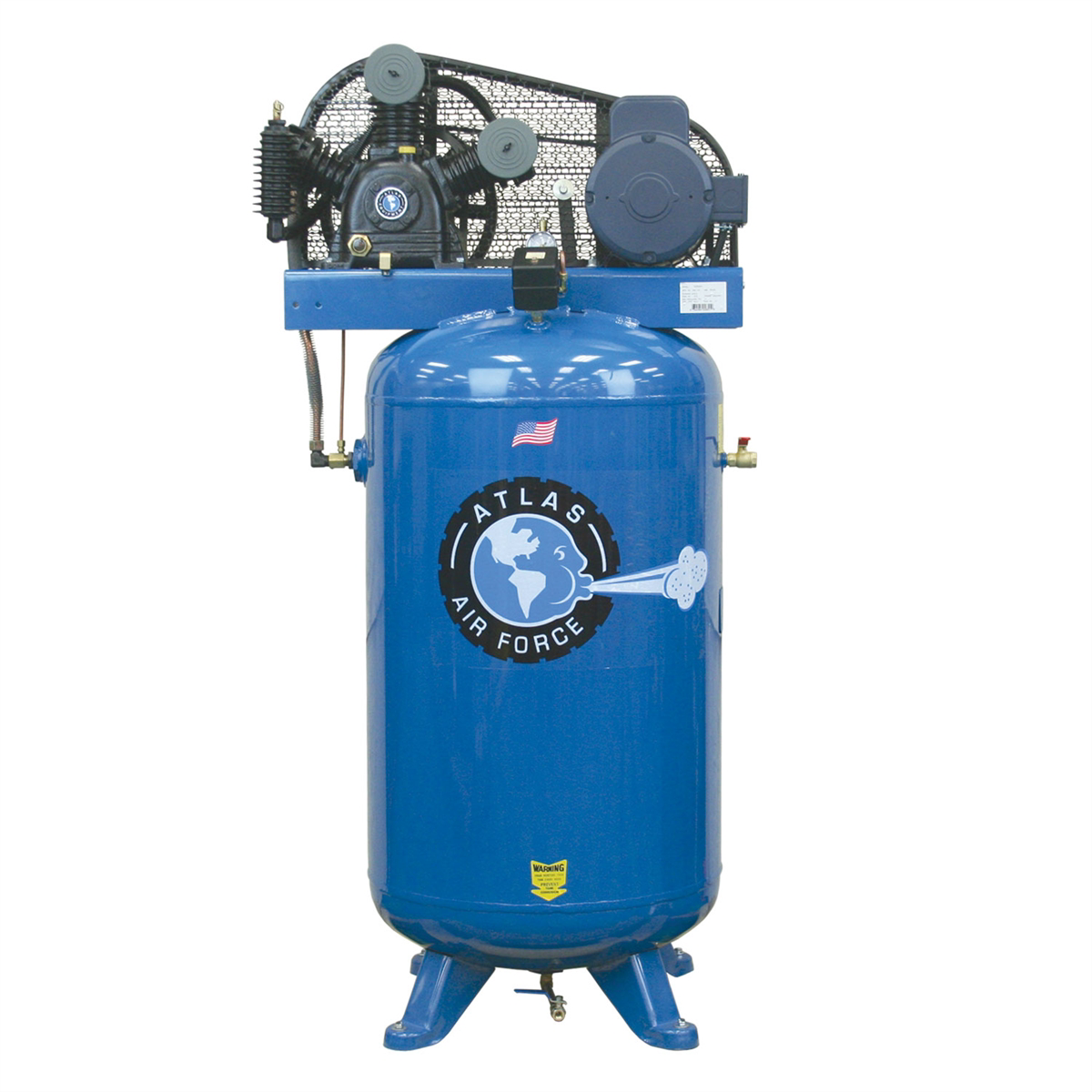
Atlas Equipment Air Force AF7 80 Gallon Air Compressor
Mfg: Atlas Automotive
Part #: MP-6580V2-MS
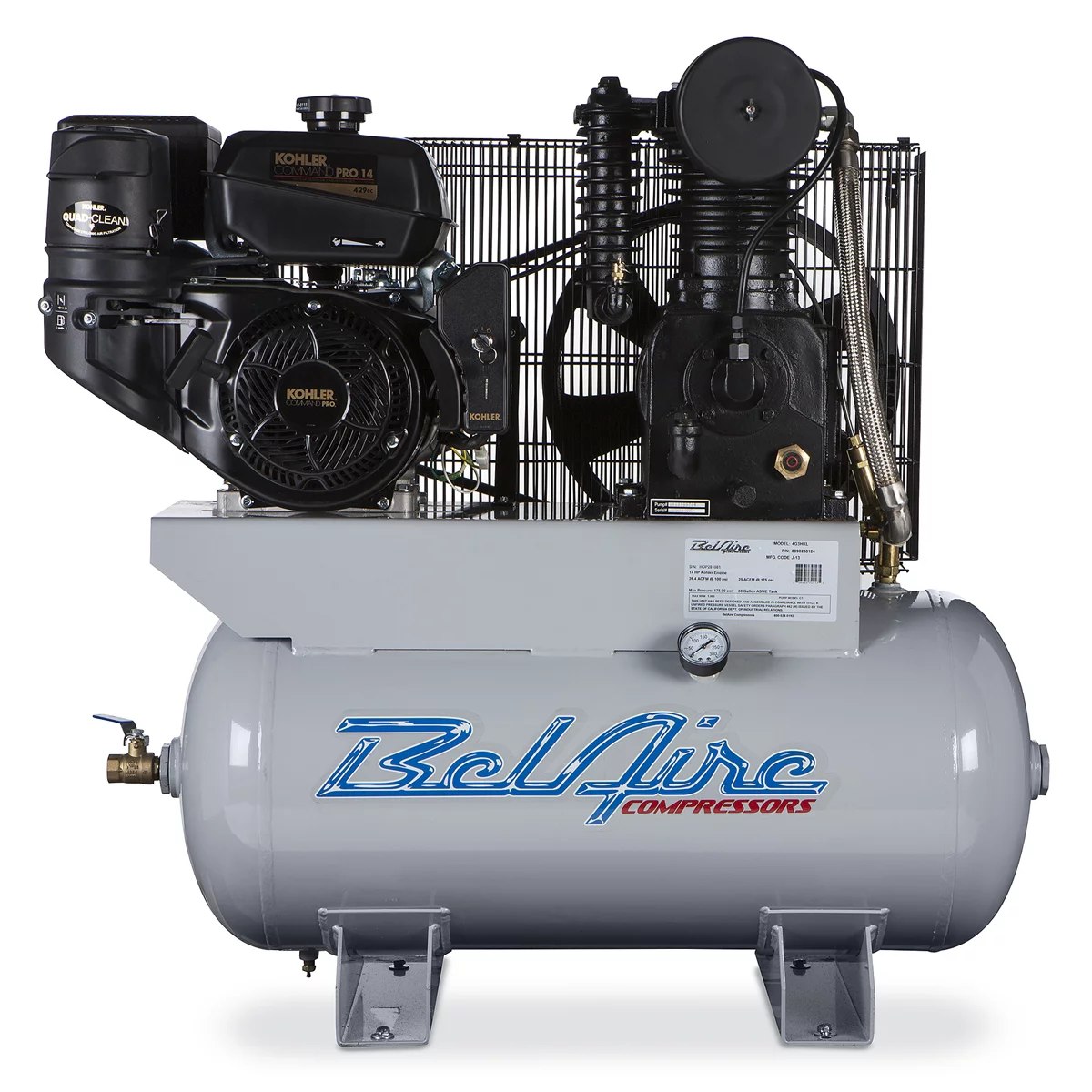
14hp 30 gallon gas compressor cast iron series
Mfg: BelAire - IMC
Part #: 8090253124
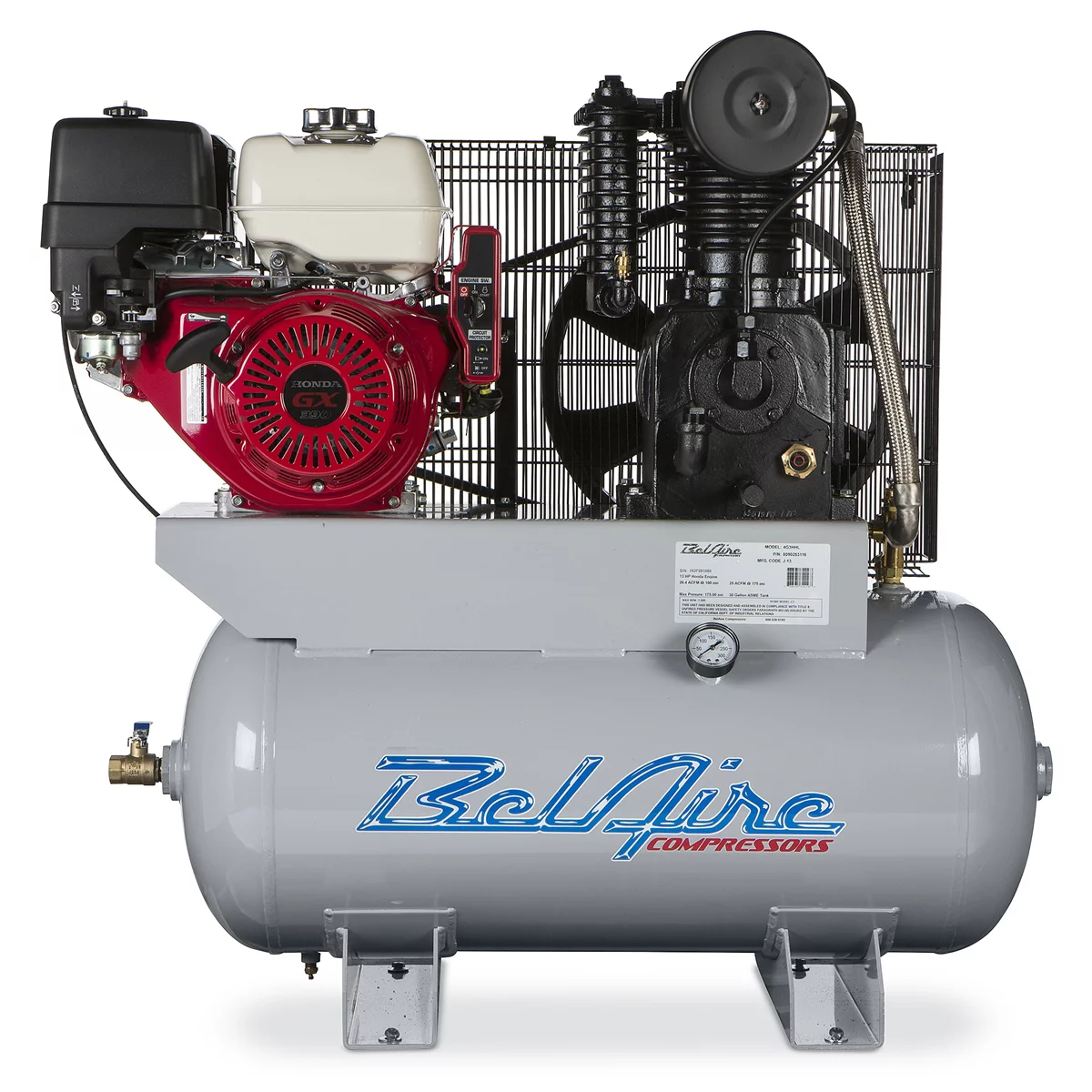
Two Stage Honda Engine Gas Powered Air Compressor - 13 HP
Mfg: BelAire - IMC
Part #: 3G3HHL
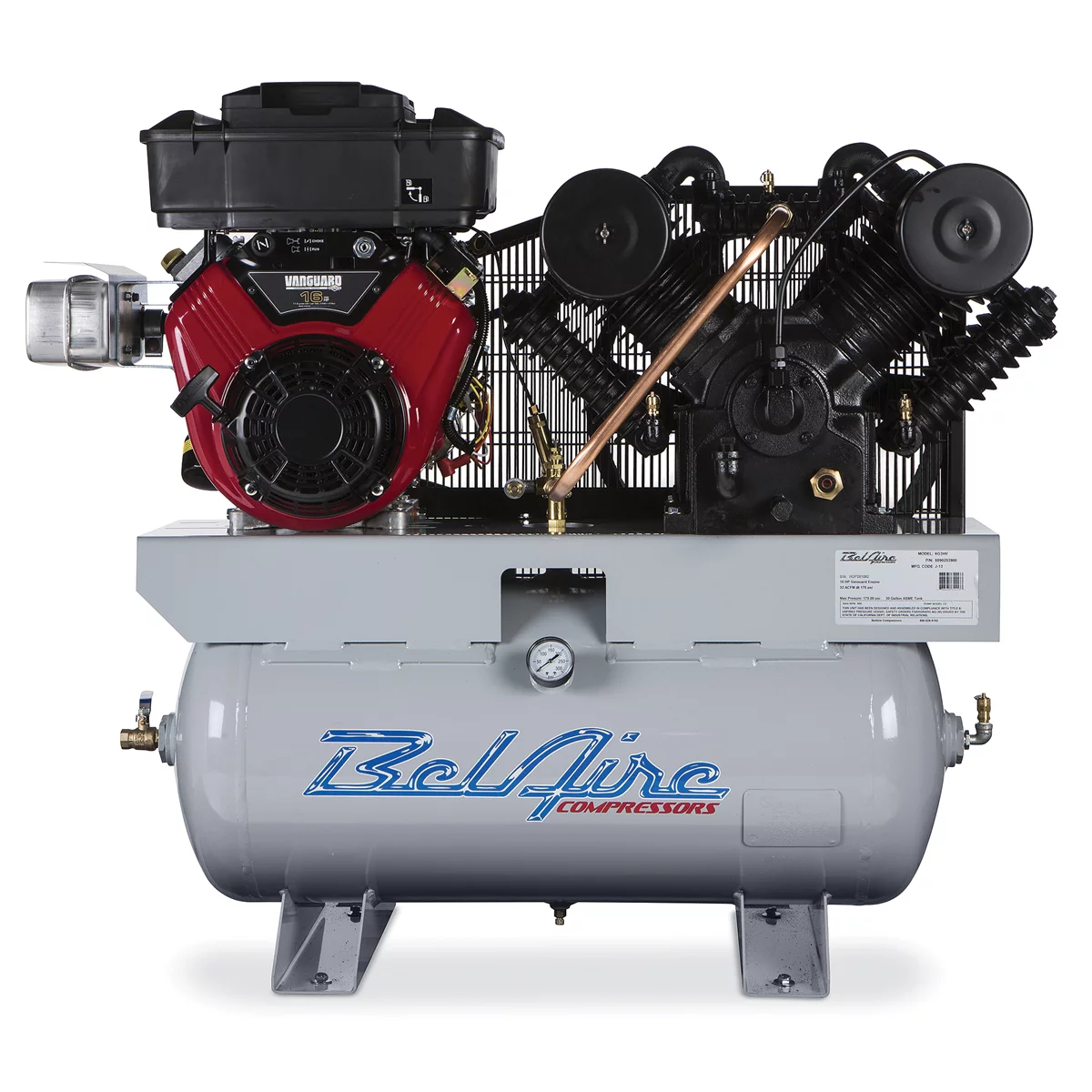
16hp Vanguard 30 gallon 35 acfm service truck comp
Mfg: BelAire - IMC
Part #: 8090253900
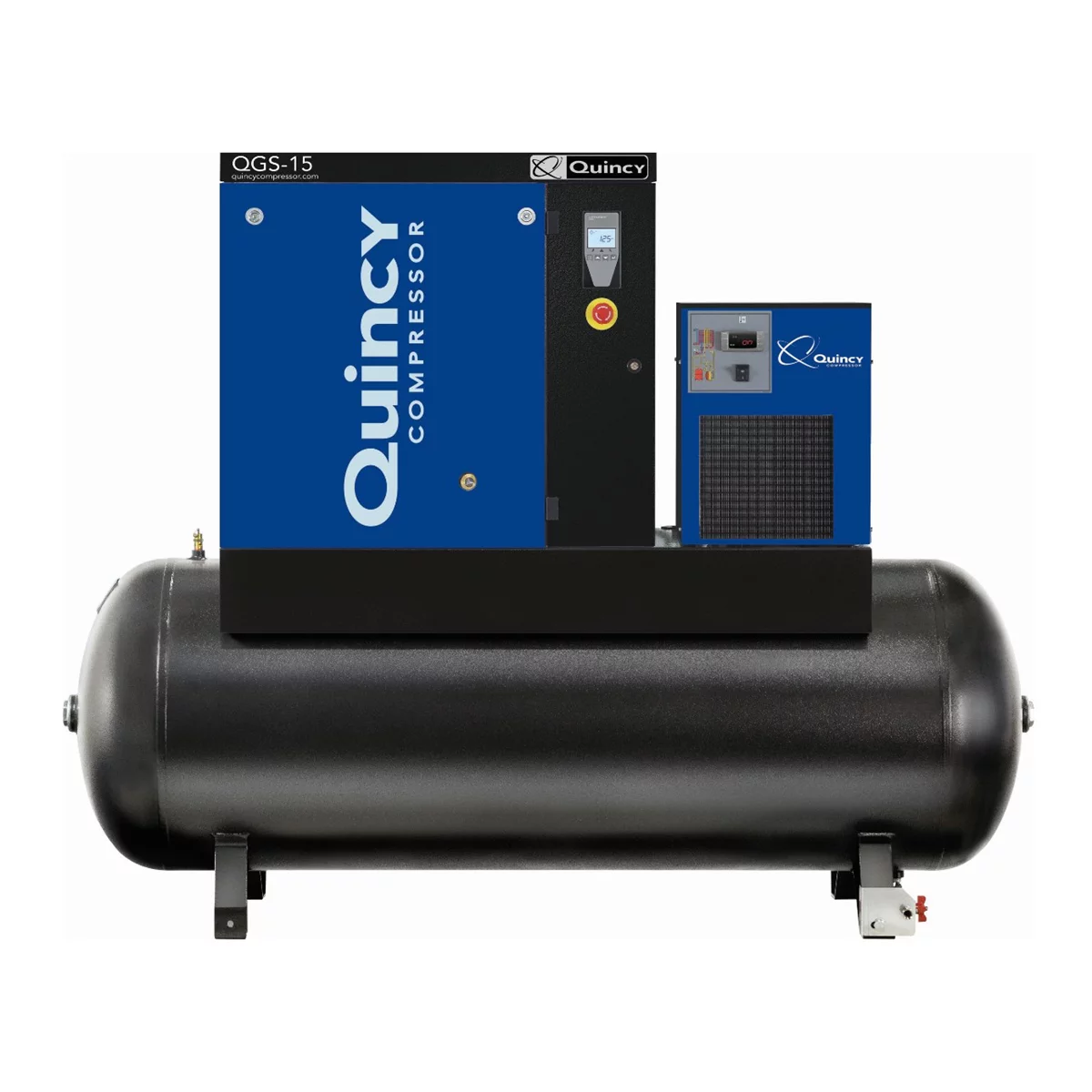
14-HP 30Gal 2-Stage Mount Air Compressor Ele Start
Mfg: BelAire - IMC
Part #: 4152021985
1. Understanding the Basics of Auto Body Repainting
Before beginning any auto body repainting project, it is essential to understand the various components involved. This includes comprehending different paint types, surface preparation techniques, and the application process.
2. Essential Tools and Materials
Having the right tools can make a significant difference in the quality of your work. Below is a list of essential tools required for auto body repainting:
- 30 Gallon Air Compressor
- Random Orbital Sander (5-inch recommended)
- Line Sander
- Hook and Loop Sanding Discs (various grits)
- Respirator Mask (for dust and vapors)
- Body Fillers and Primers
- Heat Gun (for paint application)
- Paint Sprayer
- Straightedge (for alignment)
3. Surface Preparation Techniques
The foundation for a good paint job is proper surface preparation. Follow these steps for effective preparation:
- **Cleaning**: Wash the car thoroughly to remove dirt, grease, and grime.
- **Sanding**: Use appropriate grit sandpaper (starting from rough to finer grits) to smoothen the surface. Pay special attention to areas with dents.
- **Filling Dents**: Use body filler for deep scratches and dents. Allow it to cure before sanding smooth.
- **Priming**: Apply a good quality primer. Utilize a self-etching primer over bare metal areas to ensure adhesion. Always sand the primer before proceeding.
4. Applying Paint
When you’re ready for paint application, follow these steps for a professional finish:
- **Environment Control**: Ensure the working area is clean, dust-free, and well-ventilated. Ideal temperatures are crucial for paint adhesion.
- **Paint Mixing**: Follow manufacturer instructions for mixing the paint and hardeners, if applicable.
- **Spraying Technique**: Hold the sprayer at the right distance (usually 6-12 inches from the surface) and use smooth, consistent strokes. Avoid applying too much paint at once to prevent runs.
- **Coat Application**: Apply multiple light coats rather than one heavy coat. Allow each coat to dry thoroughly.
5. Safety Measures
Safety should be a priority during any repainting job. Here are critical safety measures:
- Wear a respirator mask that covers both mouth and eyes to protect against fumes.
- Use gloves and protective clothing to avoid skin contact with hazardous materials.
- Work in a well-ventilated space to reduce the risk of inhalation.
- Keep your workspace organized to prevent accidents.
6. Troubleshooting Common Issues
Even the best technicians encounter problems. Here are some common issues and troubleshooting tips:
- **Orange Peel Texture**: Often due to incorrect spraying technique. Adjust sprayer settings and practice technique.
- **Runs and Sags**: Caused by applying too much paint in one area. Lightly sand the area once cured and reapply paint correctly.
- **Poor Adhesion**: Ensure proper surface preparation. Always clean and sand between coats.
Checklist for Successful Repainting
- ✔️ Ensure all tools and materials are available
- ✔️ Prepare the workspace for dust-free working
- ✔️ Clean and sand the surface thoroughly
- ✔️ Select appropriate primer and paint
- ✔️ Follow safety precautions
FAQs
1. How long does auto body repainting take?
The time required varies depending on the complexity of the job, but typically, it can take several days to a week.
2. Can I paint over old paint?
Yes, but ensure proper sanding and cleaning of the old surface for better adhesion.
3. What type of paint is best for auto body work?
Two-part urethane paints offer excellent durability and finish quality.
4. Is it necessary to use a primer before painting?
Yes, primer ensures better paint adhesion and a smoother finish.
5. How can I know if my paint job is drying correctly?
A good indicator of proper drying is a firm and smooth surface with no tackiness.
Recommended Tools
For your auto body repainting needs, explore our Paint & Body category. Having the right tools is vital for achieving professional results.
- Paint sprayers and compressors
- Sanding and surface preparation tools
- Protective equipment for safety

The Toolsource Technical Team blends decades of real-world automotive service experience with up-to-date technical research. Our writers collaborate with professional mechanics, shop owners, and diagnostic specialists to deliver practical, workshop-ready guidance you can trust.


Follow us on social media