Compressor failure is one of the most misdiagnosed AC problems. Understanding the difference between actual failure and electrical issues can save thousands. This guide covers diagnosis, spotting sales tactics, and repair-versus-replacement decisions.
Signs Your AC Compressor Actually Needs Repair
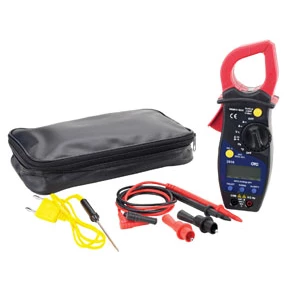
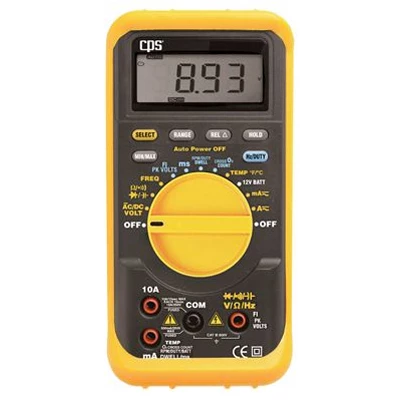
The compressor pumps refrigerant to move heat. But many symptoms blamed on compressor failure come from other parts. Use a multimeter to test compressor windings (3-10 ohms for run, 10-30 ohms for start). If windings test fine and only external wiring is damaged, you need rewiring or contactor replacement—far cheaper than a new compressor.
Capacitor failure vs compressor failure
Capacitor failure is the top HVAC misdiagnosis. Both present as compressor humming without starting. Test the capacitor with a multimeter on capacitance mode—a 35/5 MFD capacitor should read within 6% of its rated value. Capacitor replacement costs $150-$300 versus $1,500-$3,500 for a compressor. Also check the contactor for burnt or stuck contacts.
Dirty coils and frozen evaporator coils
Severely clogged condenser coils force the compressor to shut down on thermal overload protection. If the outdoor coil is packed with lint, clean it with a garden hose (inside-out, never pressure washer). Frozen evaporator coils inside also stop cooling but come from low refrigerant, clogged filters, or failed blower motors—not compressor failure. Check these before authorizing expensive compressor work.
Burnt Wires and Electrical Problems
Root causes of burnt wires
Burnt wiring results from loose terminal connections that arc, undersized wires, failing contactors with pitted contacts, or compressors pulling excessive current. Check the nameplate for rated load amperage (RLA) and locked rotor amperage (LRA), then verify wire size matches. Most home compressors need 10-gauge wire for circuits up to 50 feet. If amperage is more than 10% above nameplate specs, investigate before it damages the unit.
Why burnt wires indicate deeper issues
Replacing burnt wires without fixing the root cause guarantees it’ll happen again. The electrical system got stressed beyond design limits—possibly from a failing compressor pulling too much current, undersized wiring creating heat, low voltage, or loose connections. Check voltage at disconnect during startup—it should be within 10% of rated voltage. Low voltage makes compressors draw too much current, burning wires and damaging the unit.
DIY inspection vs professional diagnosis
With power off, photograph wiring and look for burnt insulation, discolored terminals, loose connections, corrosion, or melted contacts. Check if the capacitor is bulging or leaking. Professional diagnostics cost $75-$150 and should provide specific measurements: winding resistance, operating pressures, amperage, and voltage readings. Be suspicious of diagnoses that just say “compressor bad” without data—that’s usually a sales pitch.

Cost Estimates: Repair vs Replacement
Repair costs
Capacitor replacement: $150-$300. Contactor replacement: $150-$350. Hard start kit: $200-$350 installed. Compressor replacement: $1,500-$3,500 (includes refrigerant recovery, installation, vacuum, and recharge). Full system replacement: $4,000-$10,000.
Regional pricing
AC costs vary by region. Upstate New York or Midwest: $3,500-$6,000 for a 3-ton system. California, Bay Area, or NYC: $8,000-$12,000 for the same work. Compare quotes against local averages, not national numbers. Summer peak season prices run 15-25% higher than spring or fall.
Repair versus replace decision
If repair costs more than 50% of replacement and your system is over 10 years old, replace it. Example: $2,500 compressor repair on a 12-year-old system costing $5,000 to replace hits the 50% threshold. A new system comes with warranty and 30-40% better efficiency. But a $2,500 repair on a 5-year-old system worth $6,000 makes sense to keep it running. Work out financing differences: a $3,000 repair at 18% APR versus a $6,000 system replacement at 0% might favor replacement despite higher cost.
R22 Refrigerant and Replacement Economics
Repairing R22 systems
R22 production ended in 2020, but existing systems can run using recovered refrigerant. No law forces replacement of working R22 systems. However, R22 costs jumped from $10-$15 per pound in 2015 to $80-$150 in 2024. Small leaks needing 1-2 pounds cost $400-$600 to repair. Major leaks requiring 8-10 pounds cost $1,000-$1,500 for refrigerant alone—making replacement economically sensible.
Aging R22 units over 10 years
A 10-year-old R22 unit needing $2,500 compressor replacement might run 3-5 more years at $500-$850 yearly. A new $5,500 system lasts 15 years at $367 yearly, plus 30-40% lower cooling costs from better efficiency. Modern units with SEER 16-20 save $40-$80 monthly ($240-$480 yearly). Those savings pay for a significant portion of replacement costs.
Outdoor unit replacement alone
Contractors claim replacing the outdoor unit requires replacing the indoor coil and air handler. This is often false. You can replace just the outdoor unit if indoor parts are relatively new, match refrigerant type (R22 to R22, R410A to R410A), and accept lower efficiency ratings. Outdoor-unit-only replacement saves $2,000-$3,500 compared to full replacement while keeping older indoor equipment running reliably.
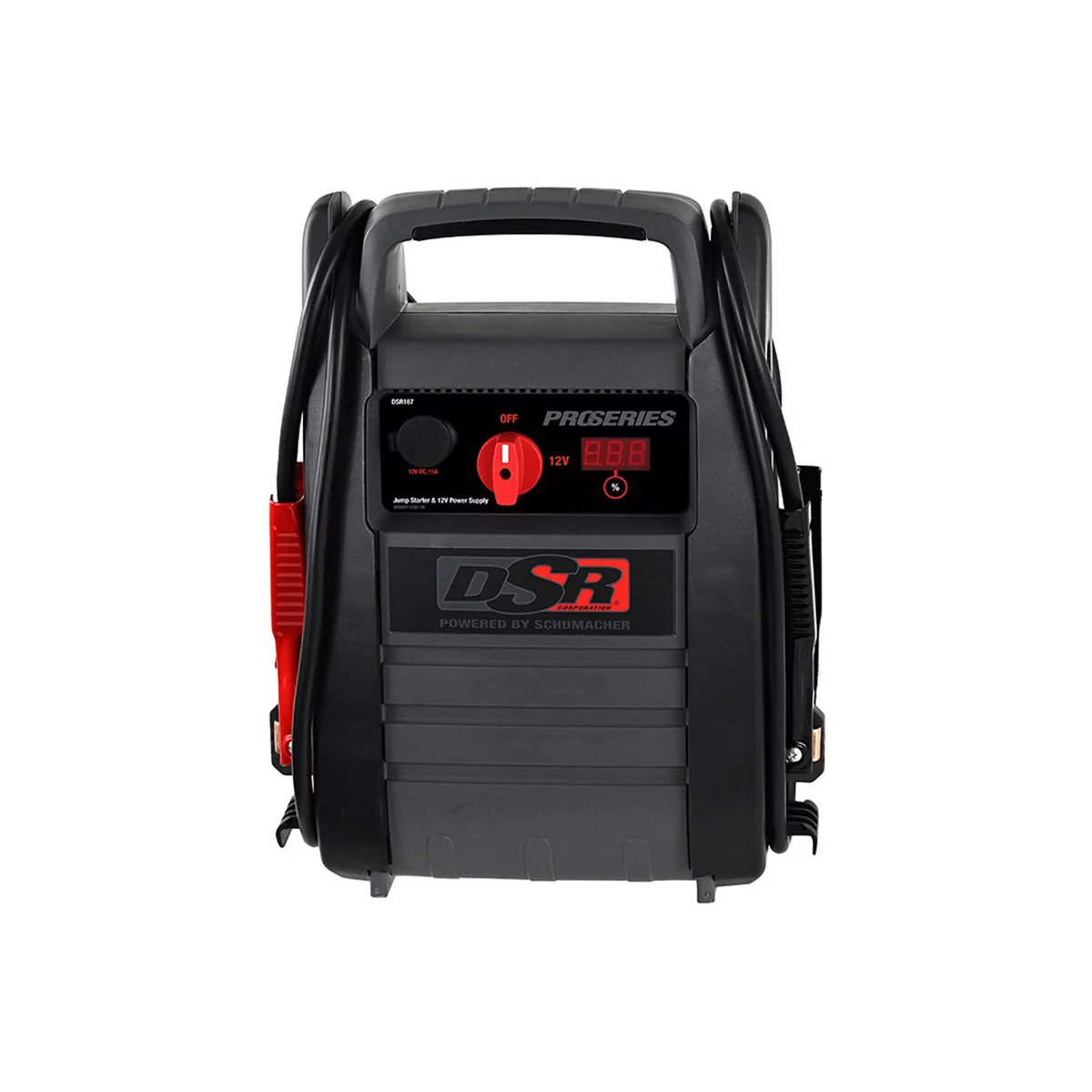
Schumacher Electric DSR167 : DSR Proseries 2250A 12V Jump Start
Mfg: Schumacher Electric
Part #: DSR167
Avoiding Sales Tactics
Finding reputable contractors
Independent family-owned HVAC companies usually offer more honest advice than corporate chains. Look for 10+ years local experience, proper licensing and insurance, and solid reviews across multiple sites. Ask how they diagnose problems and what specific measurements support their diagnosis. Red flags: “free estimates” that turn into sales pitches, extremely low advertised prices that skyrocket on-site, and “today only” discounts or financing pressure. HVAC supply shops know which contractors are respected by peers.
Red flags for unnecessary work
Be skeptical of “preventive” work beyond fixing the actual failure, like recommending new indoor coils “because it’s the same age as the outdoor unit.” Age doesn’t mean failure. Question diagnoses jumping to system replacement without explaining what broke and why repair won’t work. Honest technicians cite specific data: “Compressor windings show 2 ohms to ground—internal insulation failed. Replacement costs $2,800, but your 14-year-old R22 system now costs $120 per pound for refrigerant. Replacement makes more financial sense.” Sketchy operators say: “Compressor is bad. We can install a new system today for $7,500, or $6,800 if you sign now.” Also question recommendations for extensive ductwork, air purifiers, or premium thermostats with basic repairs.
Getting multiple quotes
Get 3-5 written quotes from independent shops, not national chains. Request itemized estimates with equipment model numbers, warranty terms, and work details. Verify contractor licenses through your state’s licensing board. Confirm liability insurance and workers’ comp. For refrigerant work, verify EPA 608 certification. Post findings on HVAC-Talk.com for second opinions from experienced technicians.
DIY vs Professional Repair
Hard start kits
A hard start kit gives struggling compressors extra starting torque, extending failing compressor life 1-3 years. Costs $40-$80 DIY or $200-$350 installed. But it buys time only—if your compressor needed one at age 10, plan replacement within 2-3 years. Use the time to budget and schedule replacement in off-season for lower prices.
Warranty coverage
Compressor warranties often run 5-10 years even when overall system warranty is 1-5 years. Check status directly with the manufacturer before paying for replacement. Manufacturers cover parts but not labor ($800-$1,500), far better than $2,500-$3,500 out-of-warranty replacement. Check for manufacturer defects or recalls on systems under 4 years old. Save all service records and warranty documents.
Safety and professional requirements
Refrigerants run over 400 PSI, causing frostbite or suffocation if released improperly. EPA rules prohibit venting and require certified technicians with recovery equipment. Compressors draw 15-30 amps at 240 volts—lethal. Homeowners can do visual inspections, replace capacitors safely, and clean coils. Actual compressor work requires professionals. Your troubleshooting becomes valuable knowledge to evaluate professional diagnoses and prevent unnecessary upsells.
Repair Cost Comparison Table
| Repair Type | Parts Cost | Labor Cost | Total Cost Range | DIY Feasibility |
|---|---|---|---|---|
| Capacitor Replacement | $15-$40 | $100-$250 | $150-$300 | Moderate (electrical knowledge) |
| Contactor Replacement | $20-$60 | $120-$280 | $150-$350 | Moderate (electrical knowledge) |
| Hard Start Kit | $40-$80 | $150-$270 | $200-$350 | Moderate (wiring skills) |
| Compressor Replacement | $800-$2,000 | $700-$1,500 | $1,500-$3,500 | Not Recommended (EPA certification required) |
| Full System Replacement | $2,500-$6,000 | $1,500-$4,000 | $4,000-$10,000 | Not Recommended (permits, certification required) |
Diagnostic Checklist
- Visual Inspection: Photograph wiring and components before touching anything
- Capacitor Check: Test with multimeter on capacitance mode; check for bulging or leaking
- Contactor Inspection: Look for pitting, burning, or welding; verify smooth operation
- Wiring Assessment: Check for tightness, corrosion, burning, or discoloration
- Coil Cleaning: Clean outdoor condenser coil; verify adequate airflow
- Filter Check: Replace filter; verify unrestricted airflow at supply registers
- Voltage Measurement: Test voltage at disconnect during startup (within 10% of rated)
- Amperage Testing: Compare actual draw to nameplate RLA values
- Compressor Sound: Normal operation vs humming, grinding, or screaming
- Warranty Verification: Check directly with manufacturer using model and serial number
- Second Opinion: Get 3+ quotes before authorizing major repairs
- Age Analysis: Calculate repair cost as percentage of replacement cost
Frequently Asked Questions
What does a burnt wire in the compressor mean?
Burnt wiring signals excessive current or bad connections that damaged insulation. This could indicate a mechanically failing compressor pulling too much current, or loose connections, undersized wiring, or a failing contactor creating resistance and heat. Proper diagnosis tests compressor windings for shorts, measures amperage draw, and checks all electrical connections. Usually, burnt wires come from preventable issues like loose terminals rather than compressor failure. Repair costs range from $200-$400 for rewiring to $1,500-$3,500 if the compressor itself failed and needs replacement.
Can I replace just the outdoor AC unit?
You can often replace just the outdoor condenser while keeping your indoor evaporator coil and air handler, especially if indoor parts are relatively new. Match refrigerant type (R22 to R22; R410A to R410A), stay within capacity, and accept lower efficiency ratings than a fully matched system. A new outdoor unit with older indoor coil won’t hit rated SEER efficiency but will still cool effectively and save $2,000-$4,000 compared to replacing everything. Get multiple quotes and specifically request outdoor-only replacement pricing.
How do I avoid being overcharged?
Get 3-5 written quotes from independent local shops with 10+ years experience. Ask each to explain what failed, how they tested it, and what measurements support their diagnosis. Be suspicious of immediate replacement recommendations without explaining why repair won’t work. Research typical pricing for your area using local forums and community groups. For repairs over $1,000, consider paying $75-$150 for an independent diagnostic from a company that doesn’t sell equipment. Verify warranty coverage directly with the manufacturer before approving compressor work. Reject pressure to decide immediately or “today only” discounts—get more opinions.
Should I repair my old R22 AC unit?
This depends on system age, repair cost, and refrigerant needs. Systems under 8 years old needing repairs without major refrigerant charging usually merit repair. But systems over 10 years requiring expensive compressor replacement ($1,500-$3,500) or significant R22 refrigerant at $80-$150 per pound typically favor replacement. Calculate: a $2,500 repair on a 12-year-old unit might give 3-5 more years at $500-$850 yearly, while a new $5,500 system lasts 15 years at $367 yearly plus 30-40% lower operating costs. Efficiency savings of $240-$480 yearly offset replacement costs. The EPA doesn’t require replacement of working R22 systems, but economics favor replacement for aging units needing major repairs.
Capacitor vs hard start kit?
A capacitor stores electrical charge and provides starting torque and running efficiency for motors. Your AC’s dual run capacitor serves the compressor and fan motor during operation. A hard start kit is an extra starting capacitor and relay that helps aging compressors overcome starting resistance during startup only, then disengages. Think of the run capacitor as essential equipment; the hard start kit as supplemental aid when compression shows age. If your compressor needs a hard start kit to run reliably, replacement will likely occur within 1-3 years. Hard start kits cost $200-$350 installed and can extend compressor life enough to bridge to planned replacement instead of emergency failure.
How long should an AC compressor last?
AC compressors typically last 12-15 years with normal use, sometimes 18-20 years in moderate climates with good maintenance. Extend life through regular professional maintenance, clean coils and filters preventing airflow restriction, proper refrigerant charge, and shaded installation locations. Shorten life through skipped maintenance, dirty filters and coils, refrigerant leaks, low voltage, and excessive runtime in extreme climates. If your compressor fails before 8-10 years, determine whether installation errors, electrical problems, or refrigerant issues caused early failure—and fix those before installing a replacement.

The Toolsource Technical Team blends decades of real-world automotive service experience with up-to-date technical research. Our writers collaborate with professional mechanics, shop owners, and diagnostic specialists to deliver practical, workshop-ready guidance you can trust.


Follow us on social media