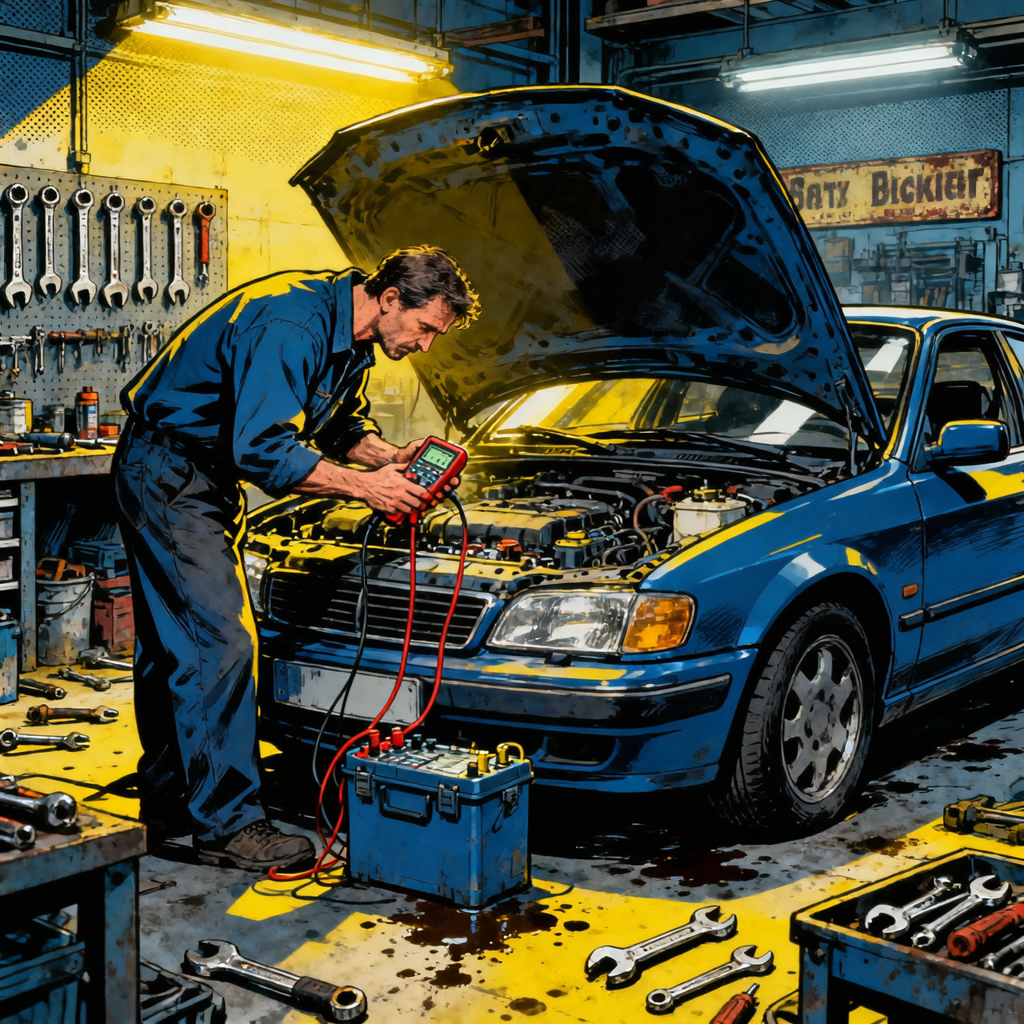
A/C compressor failure is expensive and complex. Unlike simple refrigerant recharge, compressor failures require full system overhaul to prevent repeat problems. This guide covers diagnosis, explains why partial repairs fail, and breaks down costs for informed decisions on Tesla and traditional vehicles.
A/C Compressor Failure: Signs & Diagnosis
Catch failure early to prevent catastrophic damage. Watch for intermittent cooling (system works 10-15 minutes then fails), grinding noises (bearing failure), or squealing (clutch slippage). Tesla heat pumps show reduced heating and rapid on-off cycling. Diagnose with manifold gauges: connect blue hose to low-side port, red to high-side. At 70°F, R-134a should read 25-45 PSI low and 150-250 PSI high. Equalized readings (50-70 PSI both sides) mean the compressor isn’t pumping—mechanical failure, not low refrigerant. Check evaporator temperature with infrared thermometer; it should drop to 32-40°F within two minutes. If pressures look normal but evaporator stays above 50°F, suspect a stuck expansion valve instead.
Don’t recharge when the compressor is mechanically dead. Bearing failure creates metal debris contaminating the receiver-drier, expansion valve, and evaporator. Recharging spreads contamination, destroying the replacement compressor within 500-2,000 miles. In Tesla heat pumps, the sealed supermanifold (combining expansion valve, accumulator, and distribution block) gets contaminated and can’t be cleaned—only replaced. Metal particles act like sandpaper on precision surfaces.
Why Complete System Replacement Is Necessary
Metal debris from bearing failure shoots through the entire refrigerant system. These microscopic particles get trapped in the receiver-drier desiccant, clog expansion valve openings, and coat evaporators. Professional repair requires system flushing with dedicated A/C equipment (not improvised solvents). The receiver-drier or accumulator must be replaced—internal desiccant traps contaminants. Thermal expansion valves can’t be cleaned effectively; they need replacement. Some techs skip evaporator flushing to cut costs, but contamination remains in hard-to-reach passages. Take before/after photos of flush solution as proof of thorough cleaning.
The supermanifold can’t be taken apart, flushed, or rebuilt. When bearing failure introduces metal contamination, particles pile up in internal passages and metering areas, restricting refrigerant flow and ruining the accumulator’s liquid-vapor separation. Tesla’s 2026 redesign fixes this with better materials, but earlier models need complete supermanifold replacement ($800-$1,200). Ultrasonic cleaning can’t reach internal chambers where contamination settles. Warranty depends on replacing the supermanifold.
Refrigerant lines need thorough flushing. High-pressure flexible hoses are toughest—contaminated oil soaks into rubber linings and releases particles after repair. Use dedicated A/C flush solvent until discharge runs clear. Blow out leftover solvent with compressed nitrogen (not shop air, which brings moisture). Install inline filter screens in the liquid line; run the system 15-20 minutes, then check the filter for metal contamination. Significant debris means more flushing is needed.
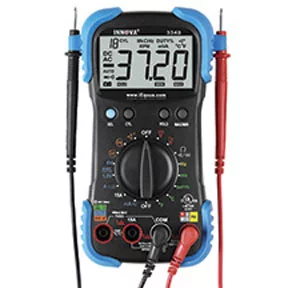
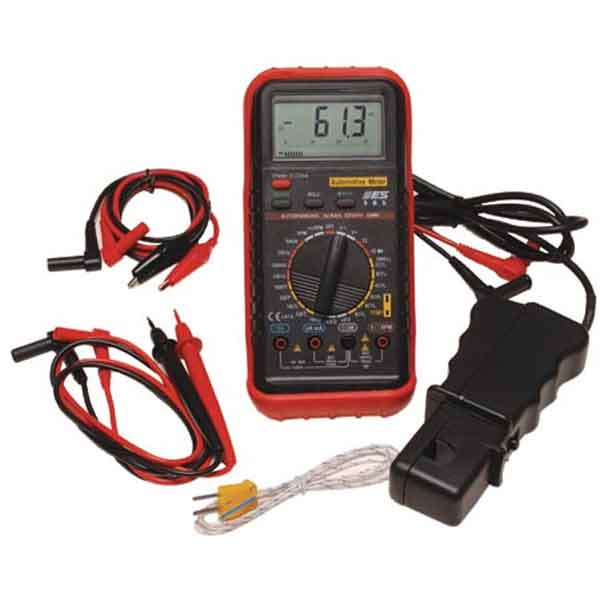
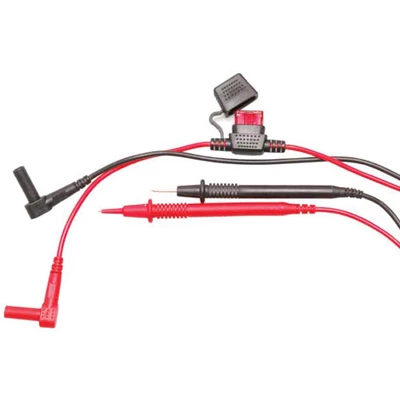
Automotive Digital Multimeter Test Leads with Fuse Protection
Mfg: Electronic Specialties
Part #: 134
Repair Costs: Dealership vs Independent
| Service Provider | Parts Cost | Labor | Total | Warranty |
|---|---|---|---|---|
| Dealership (Tesla) | $2,200-$2,800 | $1,800-$2,200 | $4,000-$5,000 | 12 mo/12k mi |
| Independent EV Specialist | $1,400-$1,900 | $1,200-$1,600 | $2,600-$3,500 | 12 mo/12k mi |
| Chain Shop | $900-$1,400 | $800-$1,200 | $1,700-$2,600 | 90 days/4k mi |
| Mobile Mechanic | $1,100-$1,600 | $600-$1,000 | $1,700-$2,600 | 30-90 days |
These prices include compressor, supermanifold (if needed), receiver-drier/accumulator, expansion valve, refrigerant, and oil. Labor varies by access difficulty; EV high-voltage disconnection adds 1-2 hours. Dealerships use only OEM parts. Independent shops offer solid aftermarket brands (Denso, Sanden, Valeo) at 20-35% less cost. Ask for part brand and number to verify shops aren’t swapping cheaper alternatives.
Tesla dealers charge $4,500+ because they require diagnostic software, OEM parts only, specialized training, and $175-$225 labor rates (vs. $120-$160 independent). High-voltage system isolation follows strict safety rules. Service centers do comprehensive software calibration after repair and keep detailed records tied to vehicle history. Sometimes Tesla’s thermal management shows A/C symptoms from software bugs fixable with updates, not hardware replacement. For warranty vehicles, dealership service streamlines claims. For out-of-warranty vehicles, the 30-45% premium rarely justifies the cost unless you need concurrent software updates or recalls.
Find qualified independent shops with ASE A7 certification in heating and A/C. Verify they have EPA-compliant refrigerant recovery equipment. For EVs, confirm technicians have high-voltage training. Ask what compressor brand they install—quality shops use Denso, Four Seasons, or UAC, not no-name imports. Inquire about flushing procedure and inline filter installation. Check reviews specifically for A/C repair; look for patterns of repeat failures. Ask directly about comeback rate on compressor replacements—professional shops usually see under 5% warranty failures. Get itemized written estimates with parts and labor warranty separated. Some shops offer 2-3 year parts warranty but only 90 days labor warranty, creating future costs. Mobile mechanics often lack proper flushing equipment—verify certifications before authorizing work.
Warranty Coverage & Extended Protection
Most manufacturers cover A/C for 3-4 years/36,000-50,000 miles (basic warranty), not extended powertrain. Tesla covers 4 years/50,000 miles on Model 3/Y. Failures typically occur at 80,000-120,000 km (50,000-75,000 miles) when basic warranty expires. Call manufacturer customer service directly about warranty extensions; some offer goodwill assistance for failures slightly out-of-window, especially with dealer service records. Keep all service documentation. Third-party repairs don’t automatically void warranty, but manufacturers can deny claims if unauthorized service caused failure.
Extended warranty ($1,800-$3,200 for 3 years) makes sense for vehicles with known compressor failure patterns like 2018-2025 Tesla heat pumps. If one repair costs $4,200-$4,500, extended coverage breaks even on first failure. Third-party warranties (Endurance, CARCHEX) cost less but have higher deductibles ($100-$250) and may exclude compressor coverage or limit reimbursement to component cost only, excluding labor and supermanifold. Manufacturer extended warranties offer bumper-to-bumper coverage with zero deductible and no exclusions for known failures. For high-mileage vehicles, calculate cost per mile—a 3-year/36,000-mile policy covering 20,000 annual miles only covers ~2 years. Choose higher-mileage policies (5 years/60,000 miles) for high-use vehicles.
Class action lawsuits exist for systematic failure patterns. Several firms track Tesla heat pump failures, though no certified class action exists as of early 2025. Affected owners can register for case updates. Settlements typically reimburse 40-70% of documented repair costs after legal fees or provide extended warranty. Settlement takes 2-4 years. Register as backup after paying for repairs, not as primary solution. TSB notices or redesigned parts (like Tesla’s 2026 heat pump) strengthen class claims.
Preventative Maintenance
Avoid activating climate control at maximum right after cold starts. Use seat and steering wheel heaters for 5-10 minutes, letting the heat pump warm gradually—this prevents bearing stress when oil is cold and thick. For traditional vehicles, let the engine warm 2-3 minutes before running A/C at maximum. Engine block heaters and oil pan heaters ($80-$200) extend life in extreme cold climates.
Get annual A/C inspections with pressure and temperature checks. Declining evaporator temperature (creeping from 35°F to 45°F) signals developing problems. Sealed systems shouldn’t need recharge more than once every 3-4 years; repeated recharging indicates a leak. Check oil level via sight glass. Replace cabin air filters every 12-15,000 miles—restricted filters increase evaporator pressure, overworking the compressor. Check belt tension and condition on traditional vehicles; replace belts with cracks, glazing, or fraying.
Environment affects lifespan. Hot, humid climates run climate control more hours annually. Desert dust clogs evaporator fins. Coastal salt air corrodes aluminum housings and connections. Outdoor parking in variable climates creates thermal cycling stress. Park in climate-controlled or shaded areas when possible. Use high-filtration cabin filters in dusty areas, replacing more often. Rinse engine bay every 3-4 months in coastal areas. Spray corrosion inhibitor on aluminum components. In cold climates, run A/C 10-15 minutes monthly in winter to circulate refrigerant and oil, preventing seal dryout.
A/C Compressor Repair Checklist
- Initial Diagnosis: Connect manifold gauges, record high/low-side pressures with engine running and A/C at maximum
- Symptom Verification: Measure evaporator outlet temperature with infrared thermometer
- Electrical Testing: Verify clutch engagement and check coil resistance
- Contamination Assessment: Inspect refrigerant color—dark oil indicates metal contamination
- Refrigerant Recovery: Use certified equipment per EPA requirements
- Component Removal: Remove compressor, drier/accumulator, expansion valve, and supermanifold
- System Flushing: Flush condenser, evaporator, and lines until discharge runs clear
- Component Replacement: Install new compressor, drier/accumulator, expansion valve
- Oil Addition: Add manufacturer-specified oil (typically 4-8 oz)
- Leak Testing: Pressure test with nitrogen to 150 PSI; verify no loss over 30 minutes
- Vacuum Processing: Pull vacuum to 29.5+ inches Hg for 45 minutes minimum
- Refrigerant Charging: Charge by weight per manufacturer spec
- Performance Testing: Verify pressures within spec and evaporator below 40°F
- Filter Inspection: Check inline filter after 20 minutes operation for metal debris
- Documentation: Record pressures, parts installed, and refrigerant quantity for warranty
Frequently Asked Questions
Is $4,200+ compressor replacement reasonable?
Yes, for complete system replacement with compressor, supermanifold, receiver-drier, expansion valve, flushing, and refrigerant. Complex vehicles like Teslas cost more than traditional cars ($1,700-$2,800) due to specialized parts and high-voltage safety procedures. Independent EV shops typically charge 25-35% less. Ensure quotes include all components—partial repairs skipping flushing or supermanifold often fail within 12-18 months.
Can I just recharge instead of replacing the compressor?
No, if the compressor isn’t pumping (equalized pressures) or metal contamination is visible, recharge won’t restore function. It wastes refrigerant and delays necessary repair while contamination spreads. Proper diagnosis with manifold gauges determines if recharge or replacement is needed.
What diagnostic tools do I need?
Minimum: manifold gauge set (R-134a or R-1234yf compatible), infrared thermometer, and multimeter. Professional diagnosis adds refrigerant identifier tools, electronic leak detectors, and diagnostic software. Invest in quality gauges with accurate calibration.
Should I get extended warranty before basic warranty expires?
Yes, for vehicles with known failure patterns (2018-2025 Tesla heat pumps). Extended warranty ($1,800-$3,200) typically costs 40-60% of single repair ($4,200-$4,500). Buy manufacturer-backed plans for full A/C coverage; third-party plans often exclude compressor or limit coverage to component cost only.
Why does the entire cooling system need replacement?
Metal debris from bearing failure contaminates the receiver-drier, expansion valve, and all passages. Installing a new compressor without removing contamination causes rapid repeat failure. The sealed supermanifold can’t be flushed—only complete replacement removes trapped contamination. Professional standards require full system flushing and component replacement to prevent warranty comebacks.
Can bearing failure be prevented?
Smart practices reduce risk: avoid maximum climate control right after cold starts, do annual inspections, replace cabin air filters regularly, and run A/C 10-15 minutes monthly in winter. These extend life but can’t overcome fundamental design flaws in poor oil temperature sensing systems.
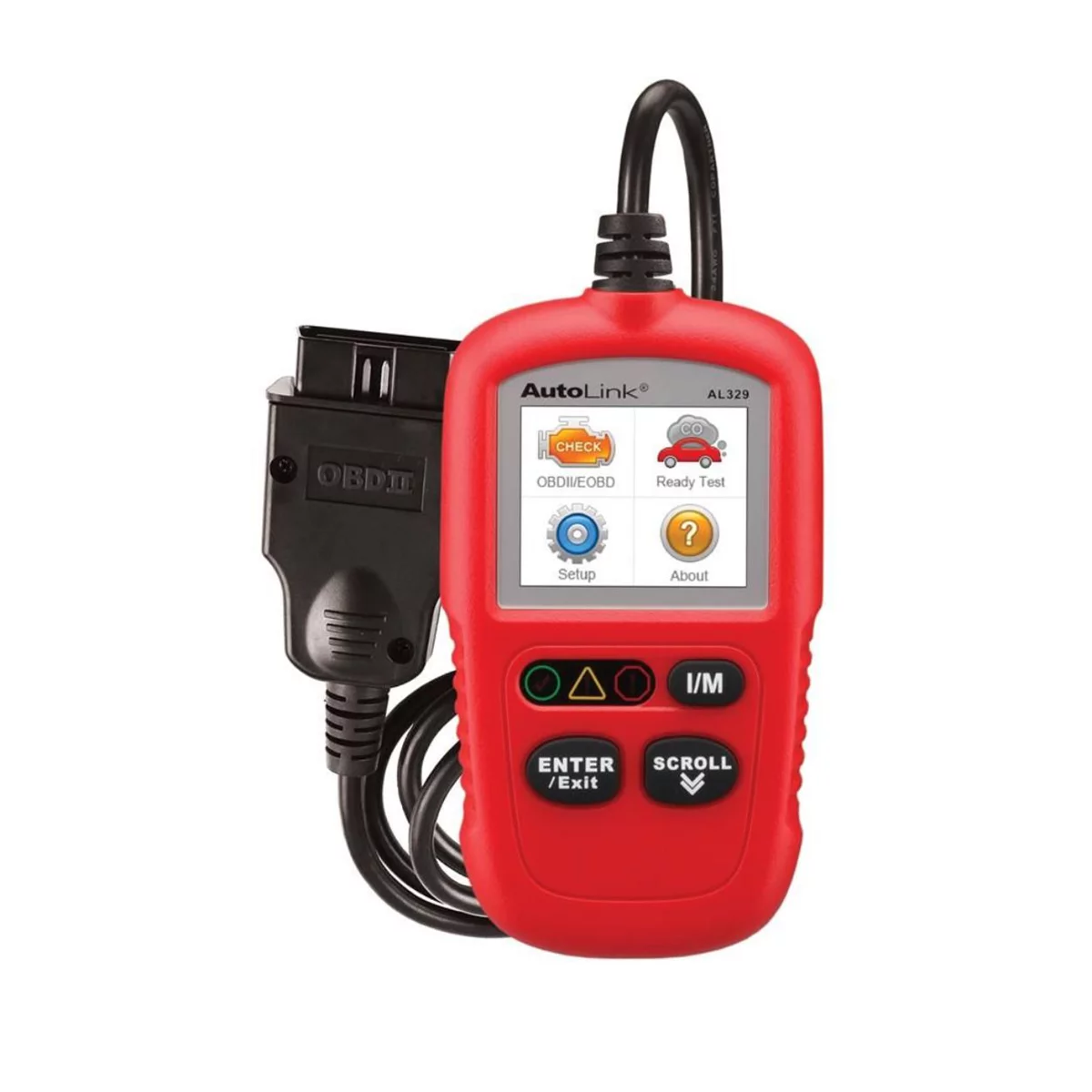
Code Reader w/One-Press I/M Readiness Key - 10 Pack
Mfg: Autel.us
Part #: AL32910PKBUNDLE
Now that you know how to test your car battery with a multimeter, you’ll want the right tools and components on hand. Explore our complete Battery & Electrical category for everything you need to maintain and diagnose your vehicle’s electrical system.
Recommended products:
- Digital Multimeters – Professional-grade meters for accurate battery and circuit testing
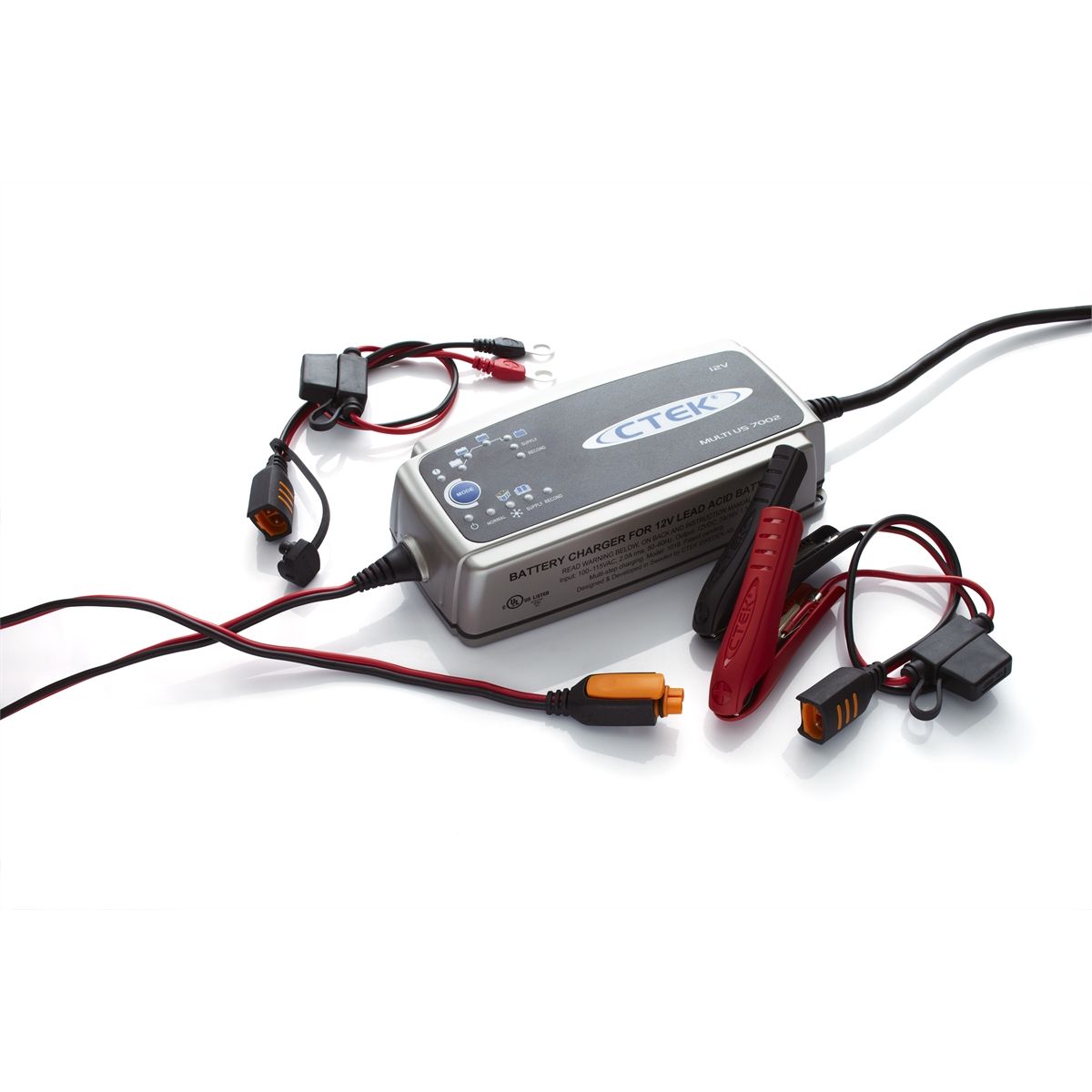
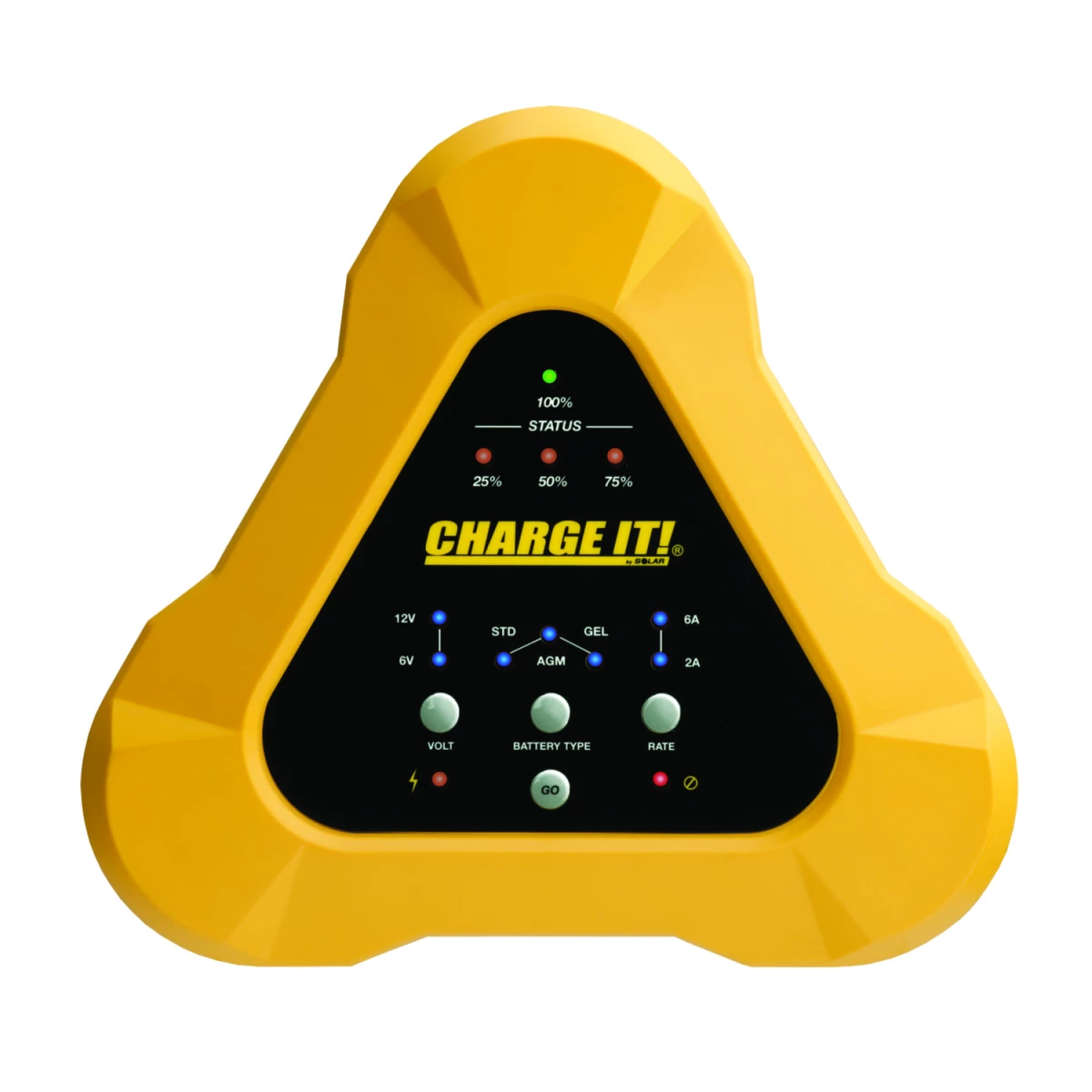
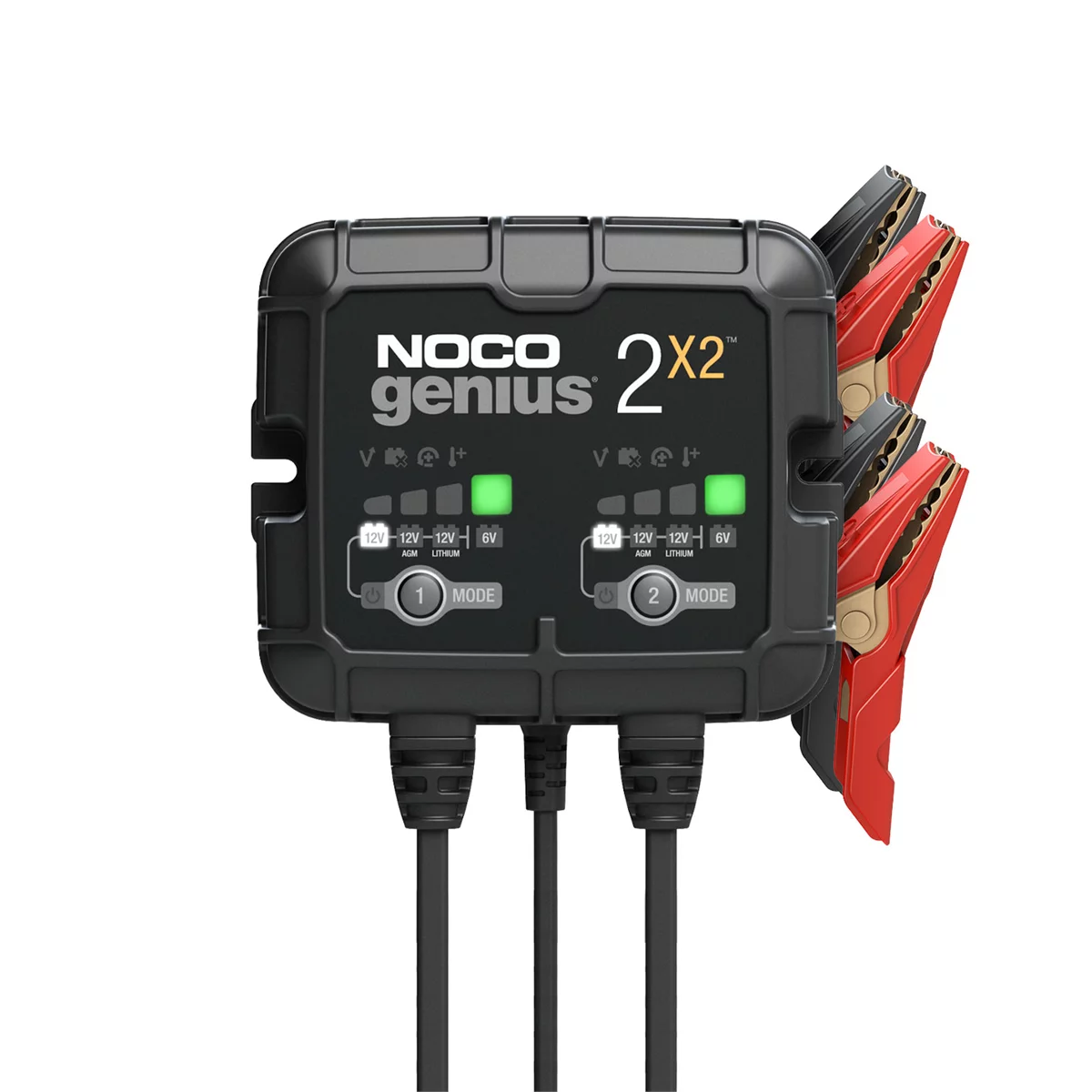
- Battery Chargers & Maintainers – Keep your battery in peak condition between tests

The Toolsource Technical Team blends decades of real-world automotive service experience with up-to-date technical research. Our writers collaborate with professional mechanics, shop owners, and diagnostic specialists to deliver practical, workshop-ready guidance you can trust.


Follow us on social media