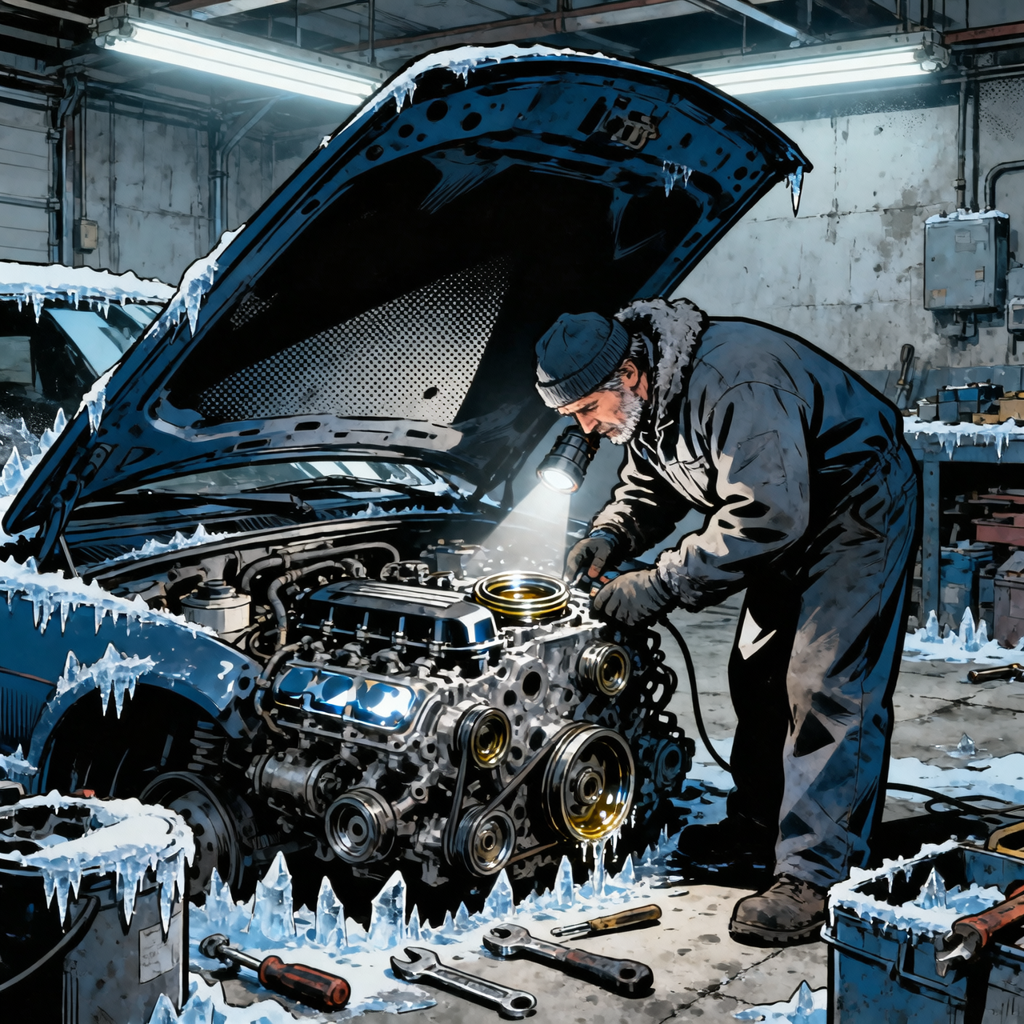
When temperatures plunge, engines see extreme oil viscosity, elevated pump output at cranking and initial idle, and brittle seals. The result can be a dramatic oil discharge within seconds of startup. This guide provides a step-by-step diagnostic workflow, platform-specific failure patterns, and preventive measures (heaters, oil choice, electrical management) so you can resolve the failure quickly and protect the engine from repeat events.
Why Cold Starts Spike Oil Pressure and Blow Seals
Understanding the physics helps you narrow the failure point and set realistic expectations with the customer:
- Viscosity surge: Even 0W winter-grade oils thicken substantially below -30°C/-22°F. At -40°, most oils move like molasses despite being within their pour-point range.
- Pump behavior: A positive displacement oil pump will try to flow a thick fluid; before the pressure relief valve stabilizes, pressure spikes are common. Any marginal seal, O-ring, or filter gasket is at risk of extrusion or blowout.
- Material brittleness: Aged rubber O-rings and molded gaskets lose elasticity in deep cold, reducing compliance and sealing force just when pressure rises.
- Restricted returns: Cold, viscous oil drains back slowly to the pan. If a filter’s bypass or a housing’s relief is sticky, localized pressure can be higher than indicated by the gauge/switch.
Common failure points on a 0–50 second cold-start leak include the spin-on filter gasket, cartridge filter cap/housing, oil pressure switch/sender, VVT/VTEC spool valve assemblies with integrated filters and O-rings, oil cooler seals, and (less commonly) rear main seals. A cracked pan or block is rarer, but must be ruled out when there’s impact damage or freeze-related coolant failures.
Rapid Diagnosis When a Vehicle Dumps Oil at Start-Up
Speed and cleanliness matter. The goal is to find the highest wet point, verify the root cause, and prevent a dry start on re-test.
- Don’t restart. Verify there is no oil pressure event by keeping the engine off. Check dipstick to document residual oil level. If it’s below the stick, add a quart to aid tracing/pressure testing later, but avoid running the engine until the leak source is identified.
- Stabilize the work area. Lay down absorbent pads and use a drip tray. Wear eye protection and gloves. If the vehicle is outside in severe cold, move it into a heated bay if possible to reduce brittleness and improve cleaning results.
- Degrease the area. Use brake cleaner to wash down the oil-wet surfaces around the filter, oil cooler, sender/switch, and front cover. Blow dry with low-pressure air. For complex castings, mark suspect seams with paint pen before cleaning to track fresh seepage.
- Visual first-pass.
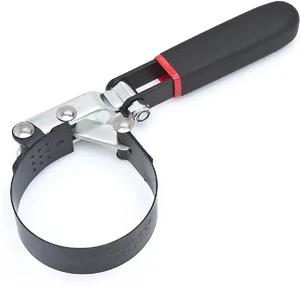
- Spin-on filter: Confirm the old gasket isn’t stuck to the base (double-gasket extrusion is a frequent culprit with some filters). Check that the can is not deformed and the gasket land is clean and flat. Re-torque by hand (typically 3/4–1 turn after gasket contact unless OEM specifies otherwise).
- Cartridge filter housing/cap: Inspect for cracks at the hex or threads and check O-ring placement and condition. Some plastic caps will split in cold start spikes. Verify correct filter element and cap torque.
- Oil pressure switch/sender: Look for a wet, oil-soaked body and harness. Many switches will rupture internally and weep or spray from the electrical end under pressure.
- VVT/VTEC solenoid/spool valve assemblies: Check the housing and perimeter O-rings. Failures here can dump oil rapidly and track rearward across the engine.
- Oil cooler, adapter, and feed lines: Inspect cooler core and O-rings at the block adapter. On some platforms the cooler seal hardens and leaks worst at cold start.
- Front/rear main area: If oil shows at the bellhousing or crank pulley area as the highest wet point, consider a main seal. However, confirm it’s not washdown from above before calling it.
- Oil pan and gasket: Rule out impact damage or a puncture. A cracked aluminum pan will often present as a hairline with sharp edges and fresh, clean break surfaces.
- Use dye if needed. Add UV dye to the oil, pressurize without running (where possible). Options include: priming with a drill-driven oil pump on some platforms, or bump cranking with ignition/fuel disabled while observing. In heated conditions, a 10–20 second crank can reveal the source without fully starting.
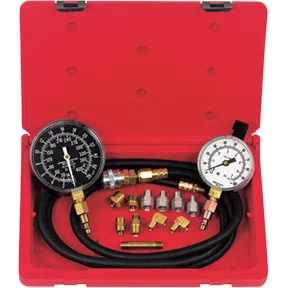
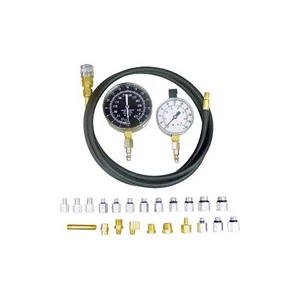
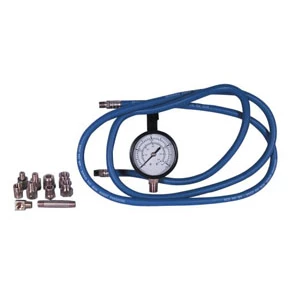
- Mechanical verification. If the failure point is not obvious, install a mechanical oil pressure gauge at the sender port and verify peak cranking pressure in cold conditions. Excessive cranking pressure may indicate a stuck relief valve or severe restriction upstream of the filter.
- Confirm and correct. Replace the failed component (filter, cap, sender, O-ring, etc.), torque to spec, and ensure all sealing surfaces are clean and lightly oiled where appropriate. Replace the oil and filter if contamination is suspected.
- Re-test with safeguards. After repair, disable spark/fuel and crank to build pressure while watching for leaks. Then run at idle and monitor. Use a warmed bay if extreme weather persists to avoid repeat shock on fragile components.
Cold-Weather Prevention: Heaters, Oil Choice, and Power Management
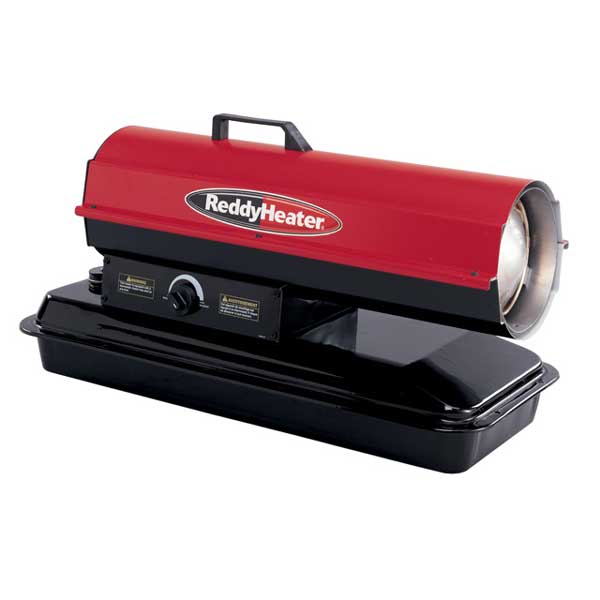
Portable Kerosene Forced-Air Heater w/ Thermostat - 40,000 BTU
Mfg: Reddy Heater
Part #: R40T
Reducing oil thickness and improving battery performance before crank is the most effective way to prevent cold-start blowouts.
- Engine block heaters: Immersion or freeze-plug style heaters warm coolant jackets and indirectly warm the block and oil galleries. Typical 300–500 W units, plugged in 3–4 hours before start, can raise block temperature significantly.
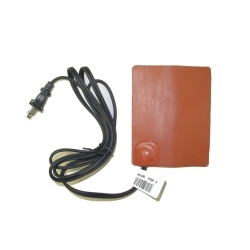
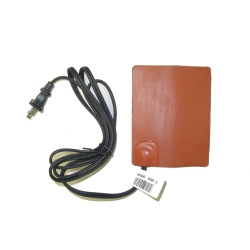
- Silicone oil pan heaters: Adhesive pad heaters applied to clean, bare metal pans thin the oil directly. For most passenger cars, 50–75 W is effective; larger sumps and diesels may benefit from 150–300 W pads or multiple smaller pads. Follow the manufacturer’s prep instructions: thoroughly degrease, scuff if required, apply to flat areas only, and avoid crossing stamped ribs. Do not bond to plastic or composite pans.
- Transmission pan heaters: Especially on trucks, ATF warming improves drivability and reduces pump load at first engagement. Select wattage based on pan size and use.
- Battery maintainers/blankets: A 1–2 A smart maintainer keeps cranking voltage up; heated battery blankets further reduce internal resistance in harsh climates.
- Oil selection: Use the lightest winter rating approved by OEM for your climate. A 0W-20 or 0W-30 synthetic generally offers better cold-crank behavior than 5W grades. Note that at -40°, even 0W oils are very thick; heaters are still advised. Always follow the owner’s manual and warranty requirements.
- Power management: Use outdoor-rated, grounded extension cords sized appropriately (12/14 AWG depending on run length and load), GFCI protection, and a heavy-duty outdoor timer to energize heaters 3–4 hours pre-start. Visually inspect cords and plugs each season.
- Don’t use open flames: Torches, charcoal, and space heaters near fuel and oil are a fire hazard, can overheat aluminum components locally, and may damage seals. Stick to purpose-built heaters.
Platform Patterns and Special Cases
While every car can leak differently, these patterns help you check high-probability points quickly:
- Spin-on filters (many makes): Gasket extrusion from double-gasketing or insufficient gasket lubrication. Ensure the old gasket is removed and the new gasket is lightly oiled and torqued properly.
- Cartridge housings (e.g., many BMW, Toyota, VW): Cracked plastic caps or mis-seated O-rings lead to immediate leaks at cold start. Replace damaged caps; use new O-rings in the correct groove and torque to spec.
- Oil pressure switches/senders (various GM, Ford, Honda, etc.): Internal diaphragm failures or case cracks cause rapid leakage from the electrical end. Replace with quality parts; clear the connector of oil and install a new pigtail if oil intrusion is severe.
- VVT/VTEC spool valve assemblies (Honda/Acura and others): Perimeter O-rings and screen housings can dump oil fast. Many assemblies have gasket kits; inspect the screen for debris and verify mating surface flatness.
- Oil cooler adapter O-rings (various trucks and performance engines): Flattened or hardened O-rings seep in mild weather and gush in extreme cold. Replace O-rings and confirm adapter torque.
- Power steering cold failures: Though separate from engine oil, note that PS pumps and hoses can burst in extreme cold when fluid is thick. This can be misidentified as an engine oil leak; confirm fluid type and source.
- Cooling system freeze damage: Freeze-related failures eject coolant, not oil. If the engine was filled with plain water and froze, expect cracked radiators, heater cores, or popped core plugs—but oil loss would come from a separate fault.
After-Repair Validation and Customer Education

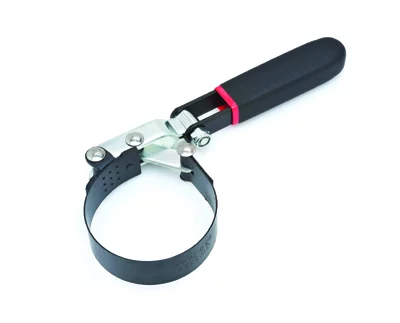
Once you’ve replaced the failed part, verify the fix and set the customer up for success in the next cold snap.
- Refill and prime: Install a new filter, refill with the correct oil grade, and prime the system by cranking with ignition/fuel disabled or using a service prime routine if available. Verify pressure on a mechanical gauge if the vehicle lacks a true pressure PID.
- Leak check hot and cold: Inspect for leaks immediately after idle stabilization and again after a full warm-up cycle. If conditions permit, perform a next-morning cold start check in a controlled environment.
- Review maintenance items: Confirm the drain plug crush washer/gasket has been replaced if applicable and that the filter is a known-quality part. Cheap or counterfeit filters are overrepresented in cold-start failures.
- Recommend winterization: Suggest installing a block heater and/or oil pan heater, a battery maintainer lead, and an outdoor timer. For customers without plug access, discuss safe remote-start strategies, synthetic oil within OEM spec, and secure parking habits.
- Documentation: Photograph the leak source and the failed component, note ambient temperature, oil grade, and measured cranking/idle pressure. This supports warranty decisions and future diagnostics.
Quick Cold-Weather Readiness Checklist
- Correct winter-appropriate oil grade (per OEM)
- Coolant freeze protection tested to expected lows
- Functioning block/pan heater and intact cords (GFCI protected)
- Battery load-tested; maintainer lead installed
- Quality oil filter and new drain plug gasket/crush washer
- Outdoor timer set 3–4 hours pre-start in deep cold
FAQs
How long should I plug in a block or pan heater before starting?
Most passenger vehicles benefit from 3–4 hours of preheat in subzero conditions. A 300–500 W block heater or a 50–150 W oil pan heater will bring fluids into a friendlier range without excessive power use. Use a heavy-duty outdoor timer to automate the cycle.
Should I switch to 0W oil for winter?
Use the lowest winter rating the OEM approves for your climate (0W-20, 0W-30, or 5W-30 depending on application). A 0W synthetic significantly improves cold cranking versus a 5W, but at -40° even 0W oils are thick. Heaters and a healthy battery are still advised. Always follow the owner’s manual and viscosity requirements for warranty and durability.
Is it safe to let a vehicle idle for hours instead of plugging in?
Idling can keep fluids warm, but it wastes fuel, increases emissions, can accelerate deposit formation (especially on GDI engines), and may be restricted by local ordinances. In extreme, remote conditions it’s sometimes used as a last resort. A plug-in heater setup with a timer is more efficient and easier on the engine.
Can a double-gasketed oil filter cause a sudden oil dump?
Yes. If the old gasket sticks to the base and a new filter is installed on top, the stacked gaskets can extrude under pressure and blow out almost immediately. Always inspect the filter base, clean the sealing land, lightly oil the new gasket, and torque by spec. On cartridge systems, ensure the O-ring is in the correct groove and the cap isn’t cracked.
What if I don’t have access to an electrical outlet?
Use high-quality synthetic oil within OEM spec, ensure the battery is strong, and consider a remote-start routine to briefly warm the engine before driving. Avoid continuous hours of idling. Some fleets add fuel-fired coolant heaters, but they require proper installation and maintenance. Parking in a garage, even unheated, reduces temperature swings and wind chill effects on underhood components.
How do I prevent diesel gelling and cold-start oil issues on trucks?
Use seasonally blended winter diesel or an approved anti-gel additive, maintain the fuel filter and water separator, and install block and pan heaters. Many diesels also benefit from heated fuel filter bases. Verify glow plug or grid heater function. For oil, use the OEM‑specified winter viscosity and monitor pressure on the first cold start after service.

The Toolsource Technical Team blends decades of real-world automotive service experience with up-to-date technical research. Our writers collaborate with professional mechanics, shop owners, and diagnostic specialists to deliver practical, workshop-ready guidance you can trust.


Follow us on social media