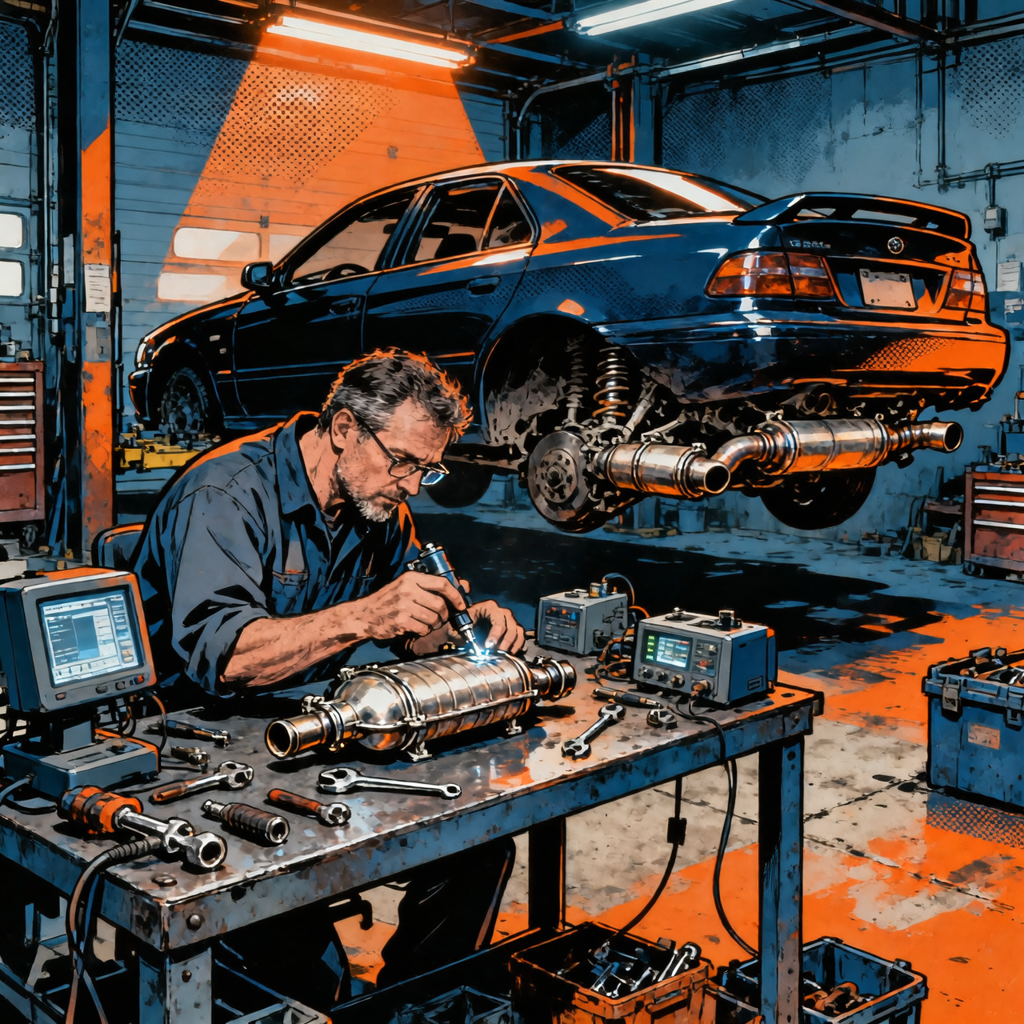
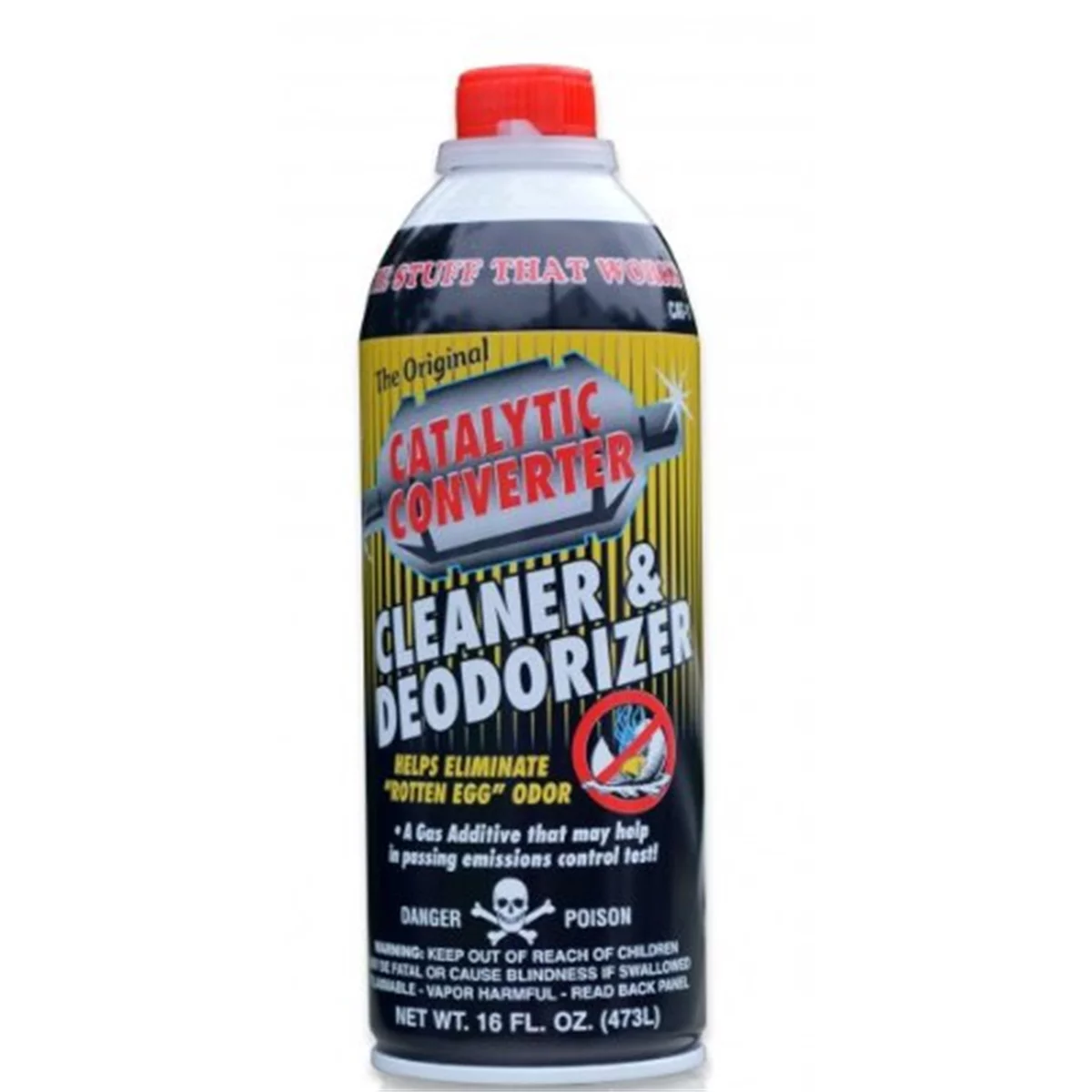
When your check engine light shows a P0420 code, the internet floods you with $20 miracle solutions. Truth: fuel additives can’t fix a failing catalytic converter. Understanding why saves money and frustration. A proper fix requires diagnosing the root cause and making informed replacement decisions that cost $1,500+.
Why Catalytic Converter Cleaners Don’t Work
Catalytic converters fail through physical deterioration, not buildup. Inside is a ceramic honeycomb substrate coated with platinum, palladium, and rhodium. When exposed to excessive heat from misfires or oil consumption, the ceramic melts and fractures above 1,400°F. Chunks break off creating blockages, and the precious metal coating permanently loses its catalytic properties.
Fuel additives contain detergents that clean fuel injectors and combustion deposits, but they cannot reassemble broken ceramic structures, redeposit precious metals, or clear physical blockages. No liquid passing through at 600-900°F can reverse thermal substrate damage. Once melted or thermally deactivated, the material is permanently compromised.
Modern vehicles use downstream oxygen sensors to monitor converter efficiency by comparing upstream and downstream O2 readings. If the sensor shows similar fluctuations to the upstream sensor, the ECU detects insufficient catalytic activity. Cleaners might remove carbon from the oxygen sensor, potentially clearing a false P0420 code, but they cannot restore actual converter function.
Diagnosing Your Problem
P0420 codes: converter failure vs. sensor replacement
The P0420 code means “Catalyst System Efficiency Below Threshold” but doesn’t definitively prove converter failure—it only indicates the ECU detected insufficient catalytic activity. The downstream oxygen sensor should show stable voltage around 0.5V if the converter works properly. Similar fluctuations to the upstream sensor suggest converter inefficiency, but a failing downstream O2 sensor produces identical symptoms.
Replace the downstream oxygen sensor first ($50-$150 vs. $1,500+ for the converter). Clear codes, complete several drive cycles, and monitor for P0420’s return. EPA guidelines indicate many P0420 codes result from sensor drift rather than actual catalyst failure.
Systematic diagnosis before replacement
- Scan for additional codes: Misfire codes (P0300-P0308), fuel trim codes (P0171/P0174), or O2 sensor codes (P0130-P0141) indicate underlying problems.
- Inspect oxygen sensors: Check wiring, connectors, and sensor condition with live data testing.
- Check exhaust backpressure: Remove the upstream O2 sensor and thread in a pressure gauge. Backpressure above 3 PSI at 2,500 RPM indicates internal blockage.
- Measure exhaust temperature: The outlet should be 100-200°F hotter than the inlet during normal operation. Similar temperatures indicate no catalytic activity; significantly lower suggests blockage.
- Visual inspection: Remove the converter and look through it with a flashlight. You should see straight honeycomb passages. Collapsed or blocked passages confirm physical failure.
- Review fuel trims: Fuel trim corrections beyond ±10% indicate rich/lean running that damages converters.
Root causes: misfires, rich mixture, oil consumption
Catalytic converters are killed by upstream engine problems. Identify and fix the root cause to prevent destroying your new converter:
Misfires: Unburned fuel ignites inside the converter, creating temperatures exceeding 2,000°F that melt the ceramic substrate. Fix ignition coils, spark plugs, and fuel injectors before converter replacement.
Rich fuel mixture: Leaking injectors, failed fuel pressure regulators, or faulty mass airflow sensors overload the converter. Address fuel trim issues and rich-running conditions.
Oil consumption: Worn piston rings, valve guides, or turbocharger seals allow oil into the combustion chamber. Phosphorus and zinc in oil poison the catalyst coating. Blue exhaust smoke indicates oil burning requiring correction.

Replacement Options & Costs
| Type | Cost | Lifespan | Catalyst Loading | Best For |
|---|---|---|---|---|
| OEM | $800-$2,500 | 100,000-150,000 mi | High precious metals | Long-term ownership |
| Direct-Fit Aftermarket | $300-$800 | 50,000-80,000 mi | Moderate | Budget-conscious repairs |
| Universal Aftermarket | $150-$400 | 30,000-50,000 mi | Minimum for emissions | Temporary solution |
| Used/Salvage | $100-$300 | Unknown | Degraded | Not recommended |
OEM converters contain 2-3 times more precious metals than budget aftermarket units, explaining higher cost and longer service life. Aftermarket converters meet minimum EPA standards using the least catalyst material necessary to pass certification.
Cost breakdown
- Converter part: $150-$2,500 depending on type and vehicle
- Labor: $200-$600 for removal and installation (2-4 hours)
- Additional parts: $50-$150 for exhaust gaskets, bolts, hangers, oxygen sensors
- Shop supplies/disposal: $30-$75
Luxury vehicles, trucks, and SUVs often have larger or multiple converters requiring $4,000+ in parts. Converters integrated into exhaust manifolds require more labor. California-compliant CARB converters cost 20-30% more than federal EPA converters.
CARB compliance
California Air Resources Board certification is required in California, Colorado, Maine, Maryland, Massachusetts, New Jersey, New Mexico, New York, Oregon, Pennsylvania, Rhode Island, Vermont, and Washington. CARB regulations require exact year, make, model, and engine size matches. Generic universal converters are illegal even if they physically fit.
Verify EPA or CARB approval stamps and Executive Order numbers before installation. Reputable suppliers provide fitment guarantees and compliance documentation.
Prevention
Address engine problems immediately
- Repair misfires within 50-100 miles: Flashing check engine lights dump raw fuel into the exhaust. Stop driving—continued operation destroys converters within days.
- Correct rich/lean conditions: Fuel trim corrections beyond ±10% require diagnosis before converter failure.
- Fix oil consumption: Blue exhaust smoke, low oil between changes, or fouled plugs indicate oil burning poisoning the catalyst.
- Replace failed O2 sensors promptly: Faulty sensors cause incorrect fuel delivery damaging converters.
- Maintain cooling system: Overheating engines run rich and overheat the exhaust system.
Maintenance checklist
Catalytic Converter Protection
- □ Replace spark plugs at manufacturer intervals
- □ Use quality fuel from top-tier stations
- □ Change engine oil at recommended intervals
- □ Replace air filters to prevent rich-running conditions
- □ Address check engine lights within 100 miles
- □ Scan for codes during routine oil changes
- □ Check exhaust system for leaks
- □ Avoid short trips preventing converter warm-up
- □ Never use leaded fuel or non-approved additives
- □ Don’t push-start or tow-start vehicles
Theft protection
Install anti-theft devices (welded cages, shields, cable systems) costing $150-$400. Engrave your VIN on the converter. Park in well-lit areas, garages, or over curbs. Install motion-sensor lights. Verify comprehensive insurance coverage. Hybrids (Prius, RAV4 Hybrid) and trucks (F-150, Tacoma) are prime theft targets.
No products found for "catalytic converter anti-theft device"
Driving With a Failing Converter
A partially blocked converter creates excessive exhaust backpressure causing power loss, overheating, poor fuel economy, and potential engine stalling. Converters normally operate at 1,200-1,600°F but failing units exceed 2,000°F, potentially igniting undercoating or debris. Physical damage with holes allows toxic exhaust gases into the cabin, causing carbon monoxide poisoning.
Timeline for failure
Minor efficiency loss: 5,000-10,000 miles with declining performance.
Moderate blockage: 500-2,000 miles with noticeable power loss.
Severe blockage: Days to weeks before complete failure.
“Gutting” the converter—removing the internal substrate—is illegal under federal law, fails emissions testing, and creates dangerous exhaust disruptions.
Replace immediately if you experience:
- Severe power loss or inability to maintain highway speeds
- Engine stalling or difficulty starting
- Excessive heat, smoke, or burning smell
- Rattling sounds from broken substrate pieces
- Exhaust leaks allowing cabin fumes
- Approaching emissions testing deadline
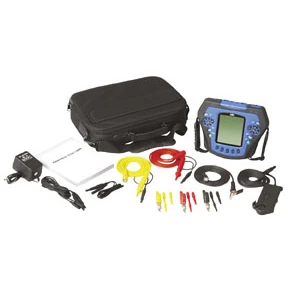
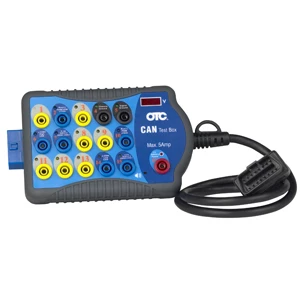
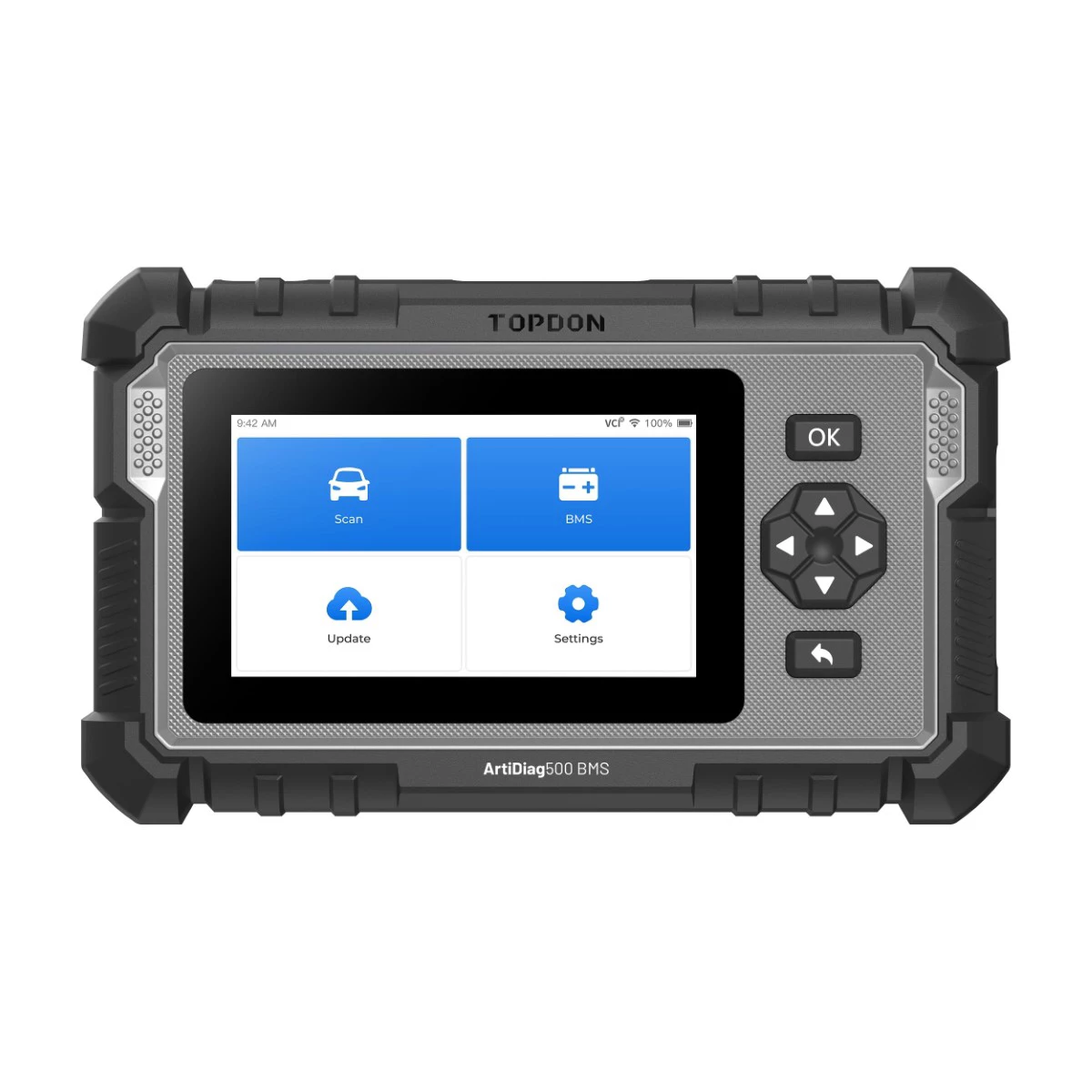
Topdon ArtiDiag500 BMS - 4-System Diagnostic Tool with BMS Reset
Mfg: TOPDON
Part #: AD500BMS
FAQs
What’s the difference between front and rear catalytic converters?
Front (upstream) converters positioned near the engine provide maximum efficiency when cold-starting. They handle most emissions reduction. Rear (downstream) converters provide additional treatment. Some vehicles have separate converters per exhaust bank plus a downstream converter. Front converters fail first due to higher temperatures and raw pollutant exposure.
Are counterfeit catalytic converters a risk?
Yes. Counterfeits have hollow cores with no catalyst material, fake EPA/CARB stamps, or incorrect precious metal formulations. They fail emissions testing within weeks. Purchase only from reputable suppliers providing EPA/CARB documentation and warranty support. Verify legitimate Executive Order numbers in EPA/CARB databases. Suspiciously cheap prices ($200 OEM converters when legitimate versions cost $1,500) indicate counterfeits.
Does insurance cover theft or failure?
Comprehensive coverage typically covers theft minus your deductible. Collision and liability-only policies don’t cover theft. With replacement costs of $1,500-$3,000+, claims are usually worthwhile. Insurance doesn’t cover normal failure from wear or lack of maintenance, but does cover failure from covered incidents like accidents damaging the exhaust system. Verify your coverage.
Can a converter be cleaned and reused?
No. Failed converters have melted, fractured ceramic substrate and depleted precious metal coatings. No chemical cleaner can rebuild ceramic structures or redeposit platinum, palladium, and rhodium. Temporary additive improvements indicate contaminated sensors, not actual converter restoration.
How long does replacement take?
Most replacements require 2-4 hours of labor depending on location and accessibility. Bolt-on converters take 1-2 hours. Converters integrated into exhaust manifolds or requiring subframe removal extend labor to 6-8 hours. Rust and corrosion on fasteners add significant time. Budget additional time for diagnostics and addressing underlying causes.
Will a new converter improve performance?
Replacing a failed converter restores normal performance by eliminating backpressure but doesn’t exceed factory specifications. Severely clogged converters cause dramatic improvements in acceleration, power, fuel economy, and throttle response—returning the vehicle to how it performed when new. High-flow aftermarket converters on healthy vehicles provide minimal gains (under 5 horsepower) and may cause check engine lights or emissions failures. Focus on compliance and longevity rather than performance.
While catalytic converter cleaners might seem like a quick fix, the reality is more complex. For lasting exhaust system health, you’ll need the right tools and products designed to address the root causes of converter failure.

The Toolsource Technical Team blends decades of real-world automotive service experience with up-to-date technical research. Our writers collaborate with professional mechanics, shop owners, and diagnostic specialists to deliver practical, workshop-ready guidance you can trust.


Follow us on social media