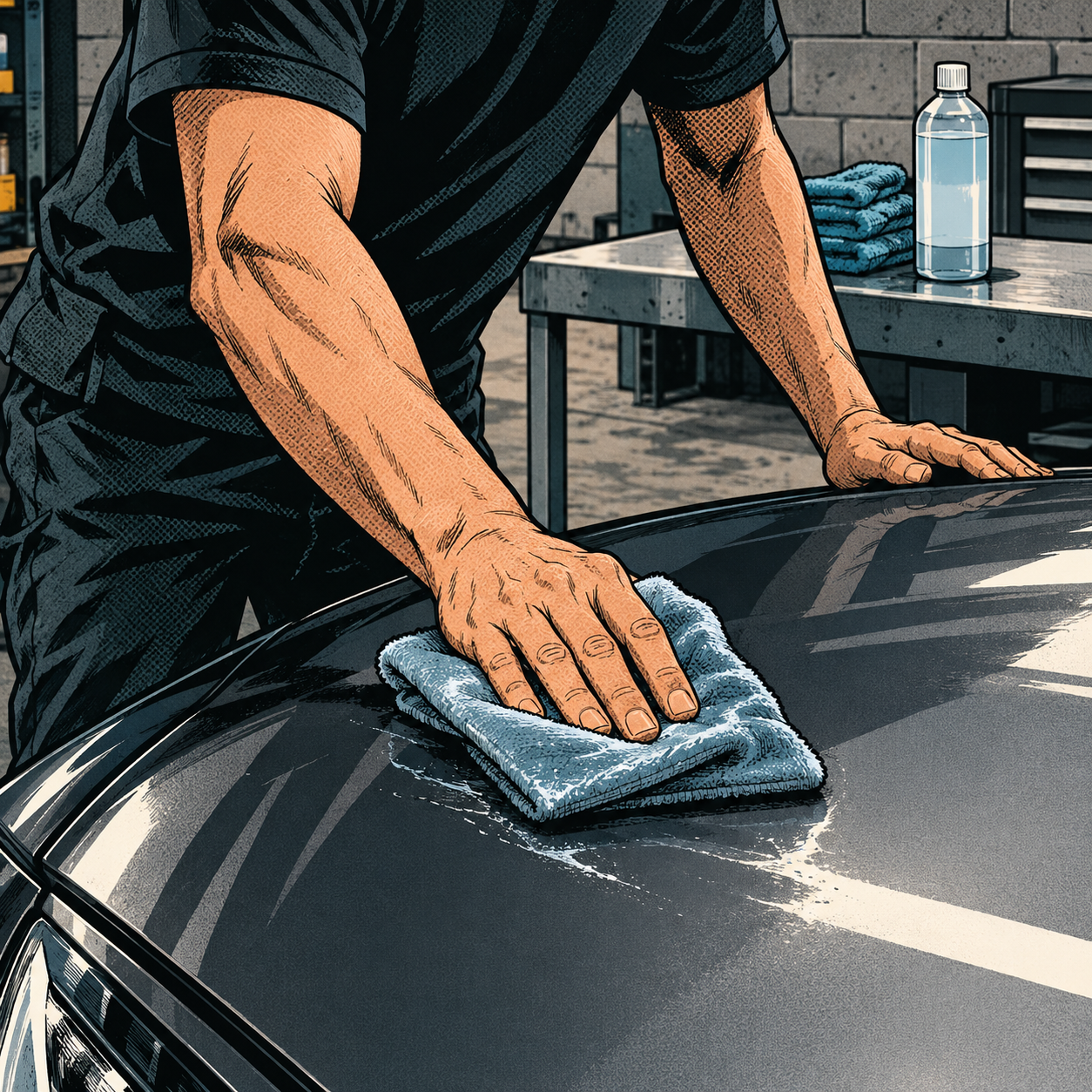
Pre-moistened ceramic coating wipes are the newest entrant in the paint protection market, pitched as a faster, less intimidating alternative to bottled coatings. The pitch is simple: wipe on, buff off, walk away with multi-year protection. But the chemistry inside the towel doesn’t change the fundamentals of how ceramic coatings work — surface prep still determines the outcome, coverage is finite and has to be planned for, and durability claims need real-world verification before they’re worth repeating to a customer. This guide covers what matters mechanically when working with wipe-format coatings, independent of brand.
What Makes Wipe-On Coatings Different From Bottled Coatings
Bottled coatings are typically high-solids resin or silica-based formulas applied with a suede or microfiber applicator, where the tech controls exactly how much product goes down per panel. Wipe-format coatings pre-load a fixed volume of coating onto a towel substrate, which trades dosing control for consistency and convenience. The active chemistry can still be a legitimate resin-based or silsesquioxane-polymer coating rather than a simple silicone sealant — low VOC content and a real cross-linking ingredient list are reasonable indicators of a true coating rather than a rebranded spray wax. That said, VOC numbers and ingredient lists don’t tell you solids percentage or film build, so don’t assume a lower VOC automatically means a thinner or weaker layer.
The practical difference technicians care about: a wipe has a finite, non-adjustable amount of product. Once it’s applied, you can’t “add more coating” to a dry spot the way you can re-load an applicator from a bottle. That changes how you plan panel order and towel rotation.
Surface Prep Still Determines the Outcome
Every coating failure that shows up as poor bonding, patchy gloss, or early water-spotting traces back to prep, not the coating itself. Wipe format doesn’t change this. Before applying any coating:
- Wash and decontaminate with an iron remover and clay or clay-alternative mitt to strip bonded contamination.
- Machine polish or at minimum compound out major defects — the coating will lock in whatever finish is underneath, swirls included.
- Panel-wipe with a dedicated IPA-based prep solution (not a terminal detail spray) immediately before coating to strip polishing oils and any residue. Skipping this step is the single most common cause of high spots and uneven cure on any coating, wipe or bottle.
If a customer or shop is using a paint restoration/trim wipe product beforehand, confirm it’s fully removed and the panel is re-wiped with IPA — leftover restorer or filler-based polish residue will sit between the paint and the coating and compromise bonding.


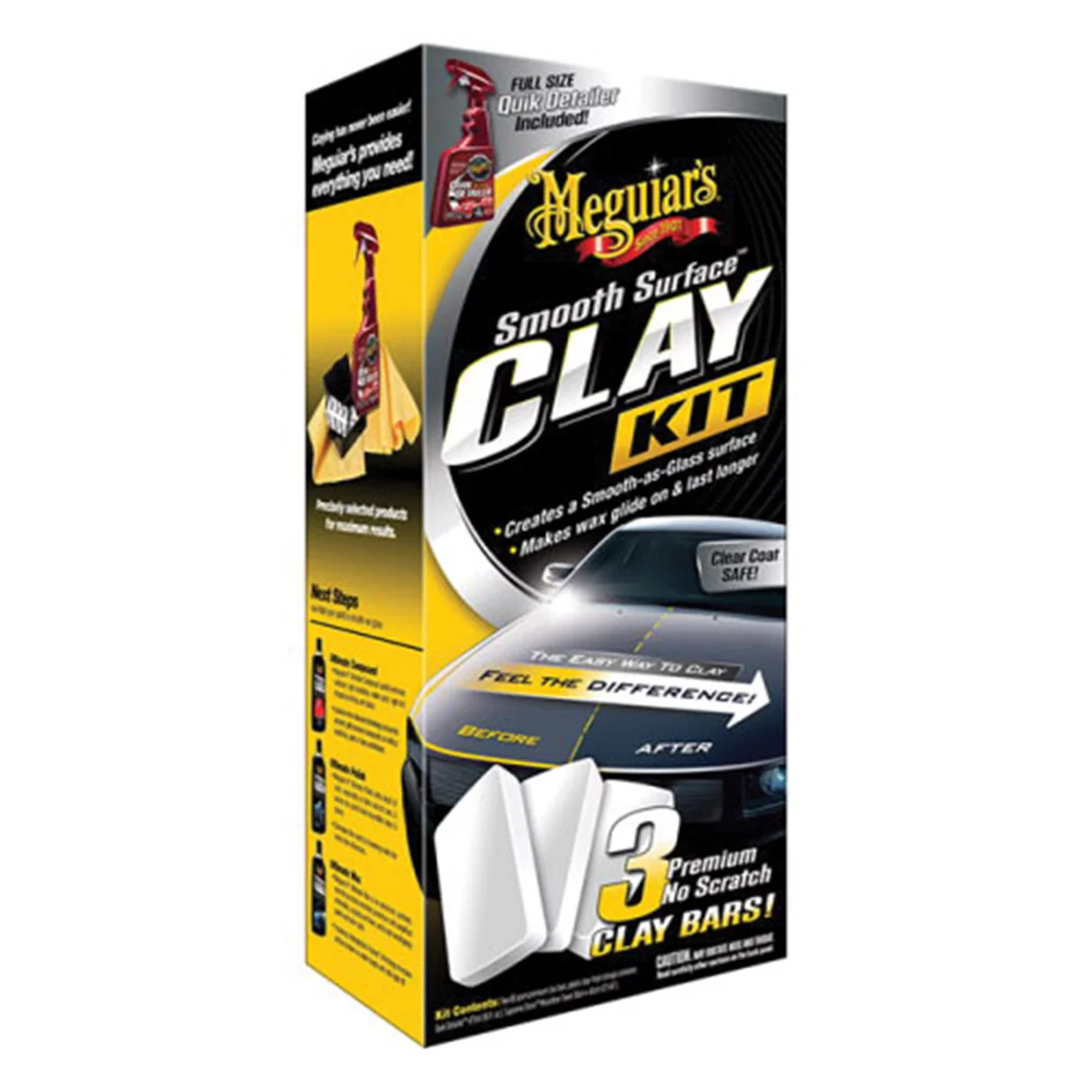
Smooth Surface G191700 Clay Kit, 60 g Clay Bar, 16 oz Quik Detai
Mfg: Meguiars
Part #: G191700
Application Technique: Managing a Wet-to-Dry Towel
The most consistent complaint about wipe-format coatings is towel consistency changing as you work: too wet at first (laying down excess product that’s hard to level and buff), then too dry near the end (not enough product left to properly saturate later panels). Manage this directly rather than assuming the towel will self-regulate:
- Work in a cool, shaded area out of direct sun — heat accelerates flash time and makes a wet towel flash too fast and a drying towel flash too slow to catch.
- Coat larger, flatter panels (hood, roof, doors) first while the towel is at peak saturation, and save smaller or more forgiving panels (bumpers, mirror caps) for when the towel starts running dry.
- Buff off high spots sooner rather than later — a towel running wetter than expected will leave more residue, and residue left too long is harder to level without marring.
- Don’t stretch a single towel across more panels than it can realistically saturate; swapping to a fresh wipe slightly early is cheaper than reworking a high spot later.
Coverage Math: How Many Boxes Per Vehicle
Coverage per wipe is harder to judge than coverage from a bottle, because there’s no way to measure remaining product visually the way you can with a bottle’s fill line. As a planning rule for technicians quoting jobs or stocking product: a single-box kit (commonly sold with four or five wipes) is generally sized for one sedan or compact SUV with reasonable margin. Larger vehicles — full-size trucks, three-row SUVs — should be budgeted for a wipe-and-a-half to two wipes’ worth of surface area, which in practice means buying a second box rather than risking a half-finished vehicle. Wheels and door jambs will consume the tail end of an otherwise “spent” towel reasonably well, so plan panel order so wheels come last. For shops running multiple vehicles or bikes through one kit, don’t assume a second box automatically covers a second full vehicle — treat leftover wipes as spot-coverage for smaller items, not a second complete application.
Where Not to Use These Wipes
Two restrictions come up consistently and apply broadly across wipe-format coatings, not just one brand:
- Glass and mirrors: most manufacturers explicitly exclude glass from their use instructions. Ceramic coatings on glass tend to streak and can create uneven wiper behavior; use a dedicated glass sealant or a traditional hydrophobic glass treatment instead, and keep the windshield off the coating application entirely.
- Layering over an existing ceramic coating: a wipe-on coating is a base-layer product, not a topper. Applying it over an existing nano-ceramic or graphene coating is functionally the same as applying more of the same base layer on top of itself — bonding is unreliable and there’s a real chance of streaking, hazing, or the new layer simply not curing properly. If a vehicle already has a ceramic base coating and the goal is refreshed gloss or hydrophobics, use a dedicated spray topper or detail spray formulated for maintenance, not another base coating.
Durability Claims vs. Real-World Testing
Multi-year durability claims (commonly two to three years) are the headline selling point of wipe-format coatings, but they should be treated as a starting hypothesis, not a verified spec, until independent testing catches up. A few things worth knowing when evaluating any coating’s durability claim:
- Lab abrasion and chemical-resistance testing tells you about scratch and chemical durability under controlled conditions — it doesn’t tell you how the coating performs on a daily-driven vehicle washed weekly and parked outdoors.
- Wheels take disproportionate abuse from brake dust, heat cycling, and road debris compared to body panels — a coating’s body-panel durability claim shouldn’t be assumed to apply equally to wheel faces.
- A coating with zero cure-time violations and at least one full wash cycle completed without beading or sheeting loss is a reasonable minimum bar before trusting it on a customer vehicle.
Quick Pre-Application Checklist
- Vehicle washed and decontaminated (iron remover + clay/clay-alternative)
- Major paint defects polished out before coating
- Panels IPA-wiped immediately before application, no polish or restorer residue
- Second box on hand for trucks/large SUVs
- Panel order planned: large flat panels first, wheels/jambs last
- Glass and mirrors excluded from the coating application
- Confirmed vehicle has no existing ceramic base coating to layer over
- Minimum cure time respected before first wash or rain exposure
Frequently Asked Questions
Can I use a paint restoration or trim wipe before applying a ceramic coating wipe?
Only if the panel is fully re-wiped with an IPA-based panel prep afterward. Restorer products often leave fillers or oils behind that interfere with coating bonding.
Do wipe-on ceramic coatings work on glass?
Most manufacturers explicitly exclude glass and mirrors from use instructions. Expect streaking or inconsistent wiper performance if applied there — use a dedicated glass sealant instead.
Can I apply a wipe coating over an existing ceramic or graphene coating?
Not recommended as a general practice. It behaves like stacking a base coating on top of itself rather than adding a topper, with unreliable bonding. Use a maintenance spray topper formulated for that purpose instead.
How many wipes does it take to coat a full-size truck?
Budget for more than one standard box (four to five wipes). A single box is generally sized for a sedan or compact SUV; larger vehicles need the extra margin a second box provides.
Are multi-year durability claims on wipe coatings realistic?
Treat them as unverified until independent, real-world testing — daily driving, regular washing, outdoor parking — confirms it over time. Lab testing alone doesn’t validate long-term, real-world durability, especially on high-abuse areas like wheels.
Why did my towel feel too wet at first and too dry by the end?
This is a known characteristic of wipe-format products — saturation isn’t constant across the towel’s working life. Coat large, flat panels first while saturation is highest, and save smaller panels for when the towel starts running dry.
Shop Paint & Body Products
Ceramic coating success depends on proper prep and application. Stock up on the essentials from our Paint & Body selection.
- Decontamination supplies: iron removers and clay alternatives
- Preparation materials: IPA panel wipes, polishes, and compounds
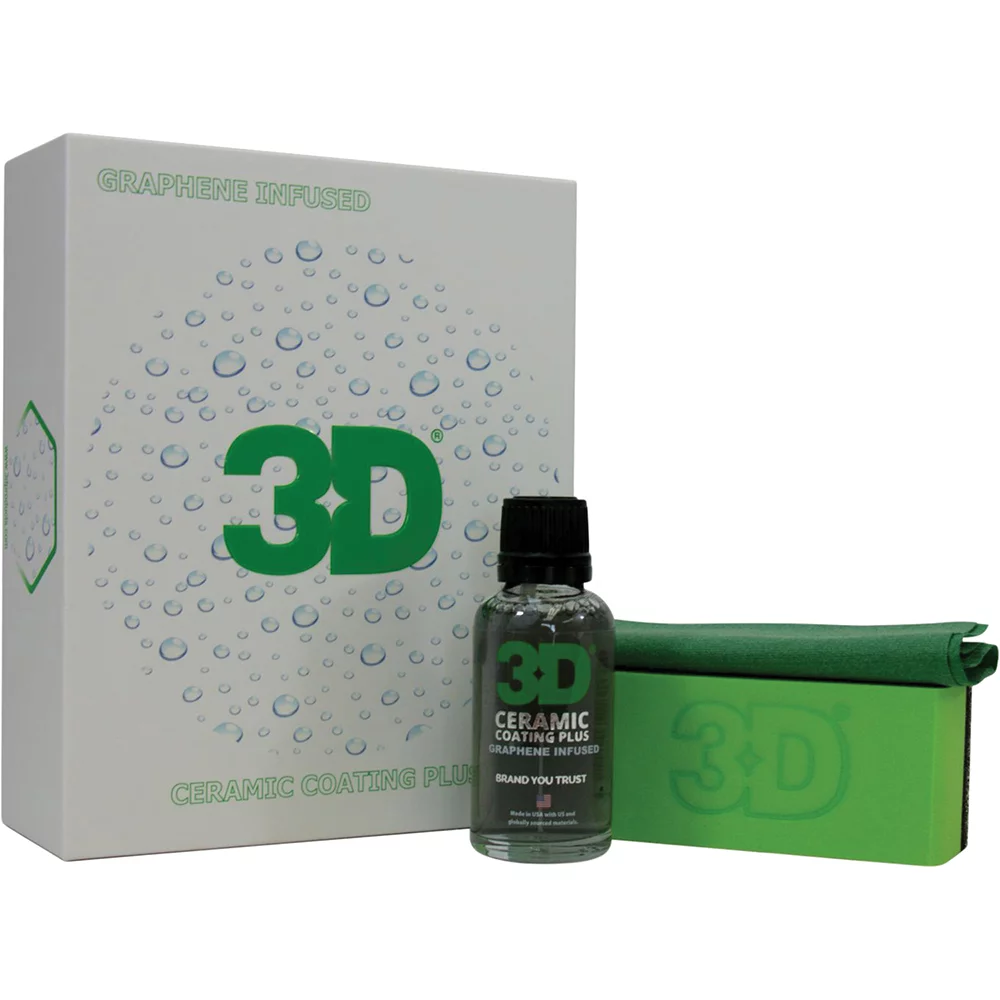
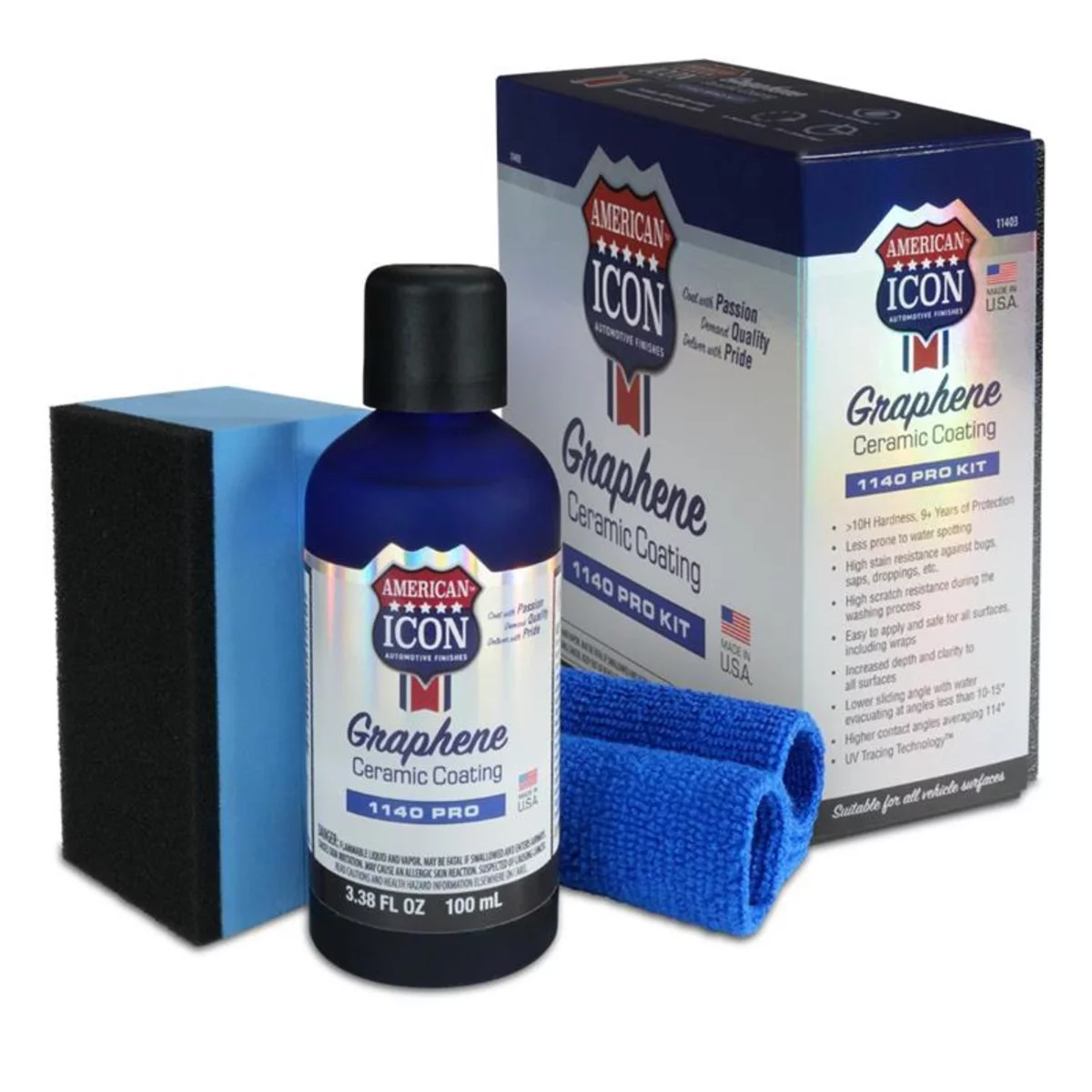
- Ceramic coatings, sealants, and protective finishes

The Toolsource Technical Team blends decades of real-world automotive service experience with up-to-date technical research. Our writers collaborate with professional mechanics, shop owners, and diagnostic specialists to deliver practical, workshop-ready guidance you can trust.


Follow us on social media