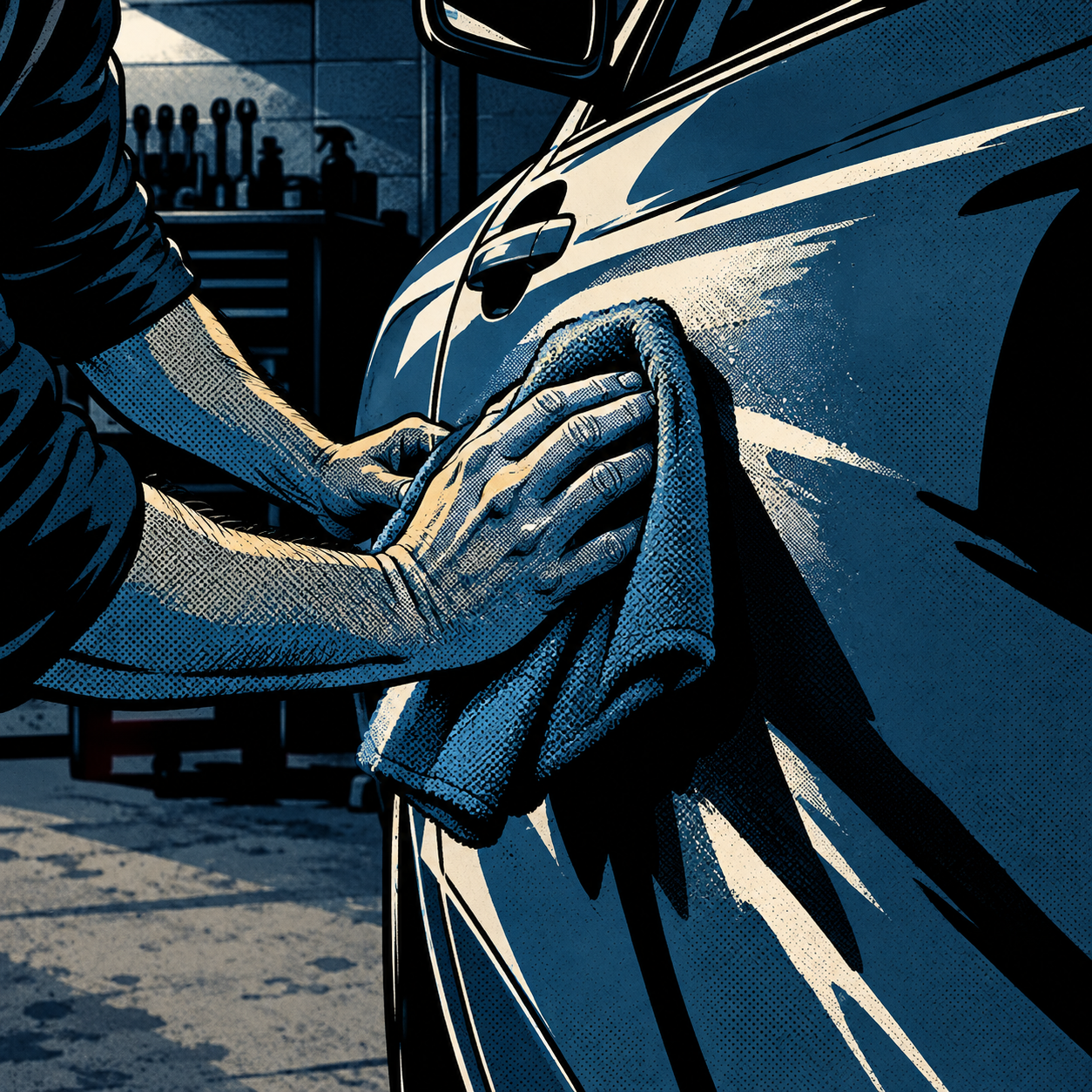
A microfiber towel that beads water instead of soaking it up isn’t defective — it’s contaminated, mistreated, or just the wrong material for the job. This is one of the most common complaints techs bring into the shop, and nearly every case traces back to one of three causes: fabric softener residue, dryer heat damage, or sealant/wax/ceramic buildup in the fibers. The fix depends on which one you’re dealing with, but all three are preventable and most are reversible. Below is a practical breakdown of why it happens and exactly how to get your towels performing like new again.
Why Microfiber Loses Absorbency in the First Place
Microfiber works by capillary action — thousands of split fibers wick water into tiny gaps between them. Anything that coats those fibers, even a microscopic film, blocks that wicking action and makes the towel hydrophobic. There are three common culprits:
Fabric softener and dryer sheets. Both are formulated with waxy, silicone-based compounds designed to coat fabric and make it feel soft. That coating does the opposite of what you want on a microfiber towel — it seals the fibers instead of letting them wick. Even if you never add softener to a load, if dryer sheets have been used in that same dryer before, residue in the drum and lint trap can transfer to the next load.
Dryer heat. High heat breaks down the synthetic fibers over repeated cycles and can also help bake in whatever residue is already present. Tumbling on low occasionally won’t ruin a towel, but regular high-heat drying shortens its working life noticeably faster than air drying.
Product contamination. Any towel used to apply or buff wax, sealant, or a ceramic coating will pick up some of that product in the fibers. Ceramic coatings in particular are designed to bond and resist water — exactly the opposite of what you want from a drying towel. Once that happens, the towel is functionally waterproofed, and a normal wash cycle won’t remove it.
Washing Microfiber the Right Way
Routine washing is where most of the damage gets prevented — or caused. Follow these rules every time:
- Use a detergent made for microfiber, or at minimum a free-and-clear detergent with no softening agents, perfumes, or brighteners.
- Never add liquid fabric softener or dryer sheets to the load — not “just this once.”
- Wash microfiber separately from cotton towels, clothing, or anything that sheds lint; microfiber will grab lint and fibers from other fabrics.
- Run an extra rinse cycle if your washer supports it. Leftover detergent residue is just as capable of coating fibers as softener is.
- Don’t overload the washer — towels need room to agitate and rinse clean.
If towels have been through normal laundering for a while and still perform fine, you don’t need to change anything. This matters most for towels that have started acting sluggish or that you’re not sure about the wash history on (used, inherited, or bought secondhand).
===PRODUCT_SEARCH_1===

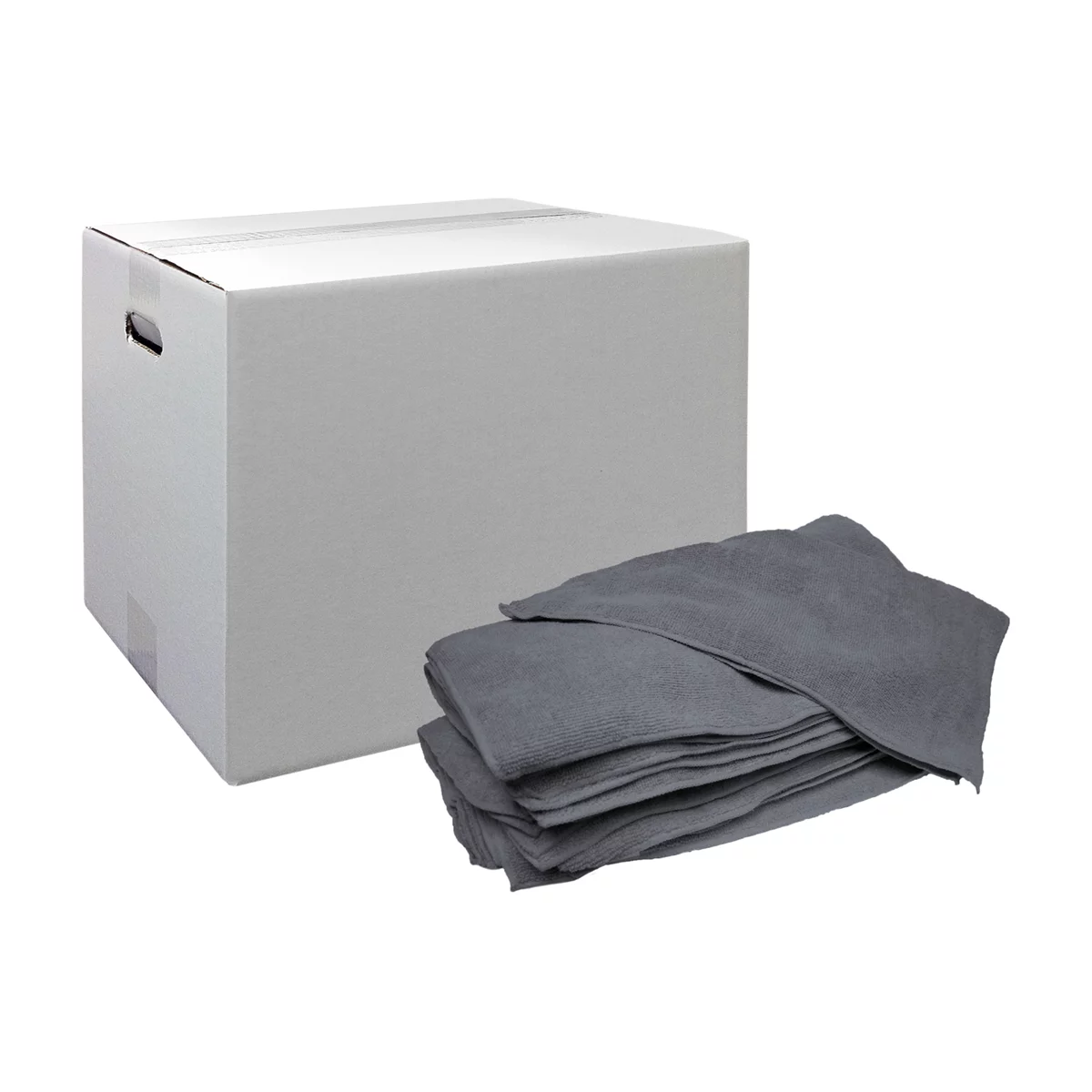

4 Pk Blue 16"x16" Thick & Plush Microfiber Towel Professional
Mfg: SM Arnold
Part #: 85-872
Drying Without Ruining Performance
Air drying is the safest option and the one most shops that go through high towel volume settle on long-term: hang the towels or lay them flat, away from direct heat sources. If you need to use a dryer, run it on the lowest heat setting available and keep the load light enough that towels aren’t compressed against each other for the full cycle. Avoid any dryer that has residue buildup from sheets or softener in the drum or lint screen — wipe it down first if you’re not sure.
A quick practical test: if a towel feels stiff, slightly greasy, or water sits in beads on the surface rather than soaking in within a second or two, heat or softener contamination is the likely cause, not a manufacturing defect.
Stripping Sealant, Wax, and Ceramic Contamination
If a towel has gone hydrophobic from applying wax, sealant, or coating products, a normal wash won’t fix it — you need to strip it first. The process:
- Fill a bucket or deep sink with warm water and a dedicated microfiber detergent/stripper.
- Submerge the affected towels fully and let them soak — anywhere from a few hours up to 24 hours for heavily contaminated towels (e.g., ones used with ceramic coatings).
- Agitate and wring them out by hand, then transfer directly to the washing machine (don’t let them dry in between).
- Wash on a gentle/delicate cycle with more of the same microfiber detergent, no softener, light load.
- Air dry or tumble on low with no sheets.
Keep separate towels for wax/sealant/coating application versus drying and glass work. Once a towel is in the “coating” pile, treat it as a one-way trip — strip it before it ever goes back into general rotation, or dedicate it permanently to correction work where absorbency doesn’t matter.
Choosing the Right Microfiber for the Job
Not all microfiber is built the same, and cheap towels are a common source of complaints that have nothing to do with laundering. Towels made from a high percentage of polyester are cheaper to produce and durable, but polyester is naturally hydrophobic. Towels blended with polyamide (nylon) absorb water much better because polyamide is hydrophilic. A common target ratio for drying towels is roughly 70/30 or 80/20 polyester-to-polyamide; many budget towels run 88/12 or are 100% polyester, and no amount of correct washing will make those perform like a proper drying towel. If a towel has never performed well even brand new and fresh out of the package, check the fiber composition before assuming it’s a care issue — some manufacturers don’t list it clearly, which is itself a warning sign.
A simple trick for marginal towels: dampen them slightly before use. A pre-wetted towel overcomes some of the hydrophobic resistance through surface tension and capillary action, buying you a bit more absorbency even on a lower-quality blend.
Quick Checklist: Keeping Microfiber Towels Working
- No fabric softener, ever — liquid or sheets
- Use a microfiber-safe or free-and-clear detergent, run an extra rinse
- Air dry when possible; low heat only if using a dryer, no dryer sheets in that machine
- Separate towels by task: drying/glass vs. wax/sealant/coating application
- Strip contaminated towels in a microfiber detergent soak before rewashing
- Check fiber composition (polyester/polyamide blend) before blaming your wash routine
===PRODUCT_SEARCH_2===

FAQs
Can I use any laundry detergent on microfiber towels?
You can use a free-and-clear detergent with no softening agents or fragrance additives, but a detergent formulated specifically for microfiber will give more consistent results and is worth it if you’re washing towels regularly in a shop setting.
Will dryer balls damage microfiber towels?
Dryer balls themselves aren’t the problem, but if they’ve been used in loads with fabric softener or dryer sheets, they can carry that residue into a later microfiber load. Dedicate a set of dryer balls to microfiber-only loads if you use them.
How do I know if my towel is hydrophobic from a coating versus just dirty?
A hydrophobic towel will bead water on contact and the beading will look similar to how water reacts on a ceramic-coated panel. A simply dirty towel usually still absorbs, just less efficiently, and often has visible staining or a stiff feel from dried-in product rather than a water-repelling surface.
Is it safe to tumble dry microfiber at all?
Low heat, short cycles, and a dryer free of fabric softener residue is generally tolerated, but air drying is lower-risk and extends towel life further, especially for towels used for finishing or glass work where absorbency matters most.
How often should I strip my microfiber towels?
Only when they show signs of reduced absorbency or have been used with wax, sealant, or coating products. Towels used strictly for drying or glass in a clean rotation usually don’t need stripping — just standard washing.
Can a towel that’s gone fully hydrophobic be saved?
In most cases yes, with a proper strip-and-rewash cycle. If the towel is cheap, low-quality polyester to begin with, stripping will restore some performance but it likely still won’t match a nylon-blend towel’s absorbency.
Shop Paint & Body Supplies
Many protective finishes, wax, and sealants used in professional finishing work are discussed in this guide. When working with these products, quality microfiber towels make a significant difference in results. Explore our Paint & Body supplies.
- Wax, sealants, and ceramic coatings are best applied with clean microfiber towels
- Product contamination from protective finishes is a leading cause of towel degradation
- Separate towels for application and drying work prevents cross-contamination and extends performance

The Toolsource Technical Team blends decades of real-world automotive service experience with up-to-date technical research. Our writers collaborate with professional mechanics, shop owners, and diagnostic specialists to deliver practical, workshop-ready guidance you can trust.


Follow us on social media