Ask any shop that’s been open more than a decade and someone will have a story about a Corolla, Pontiac Vibe, or Geo Prizm that just won’t quit. These share the same 1ZZ-FE four-cylinder (and its badge-engineered siblings), and it’s common to see them roll in with 250,000 to 400,000-plus miles on the clock, still running on little more than oil changes and brakes. That reputation isn’t an accident, but it also isn’t magic — these cars have a short, predictable list of wear points that show up again and again once mileage climbs. Knowing that list ahead of time turns a long diagnostic session into a quick, confident repair.
The 1ZZ-FE’s Reputation for Longevity: What’s Actually Holding Up
The 1ZZ-FE is a simple, low-stress engine by design — modest horsepower, low compression relative to performance engines, and a timing chain instead of a belt on most applications, which removes one of the biggest scheduled-replacement costs owners skip. That simplicity is the main reason these engines survive neglect that would kill a more complex design.
The one well-documented weak spot is oil consumption, particularly on early-2000s builds where piston ring design and oil control were less than ideal. Owners who stay ahead of it with regular oil level checks and the correct viscosity rarely see it turn into a bottom-end failure, but a car that comes in burning a quart every 1,000-1,500 miles with no visible leaks is almost always this issue rather than a head gasket or valve seal problem. Oil consumption-focused additive treatments have shown real results in recent service experience, and they’re worth trying before recommending a ring job on a car that’s otherwise running fine. Confirm with a compression and leak-down test before quoting bigger work — don’t let “it’s an old Corolla, it’s probably rings” skip the diagnostic step.
Cold-Weather No-Starts: Starter and Battery Diagnostics
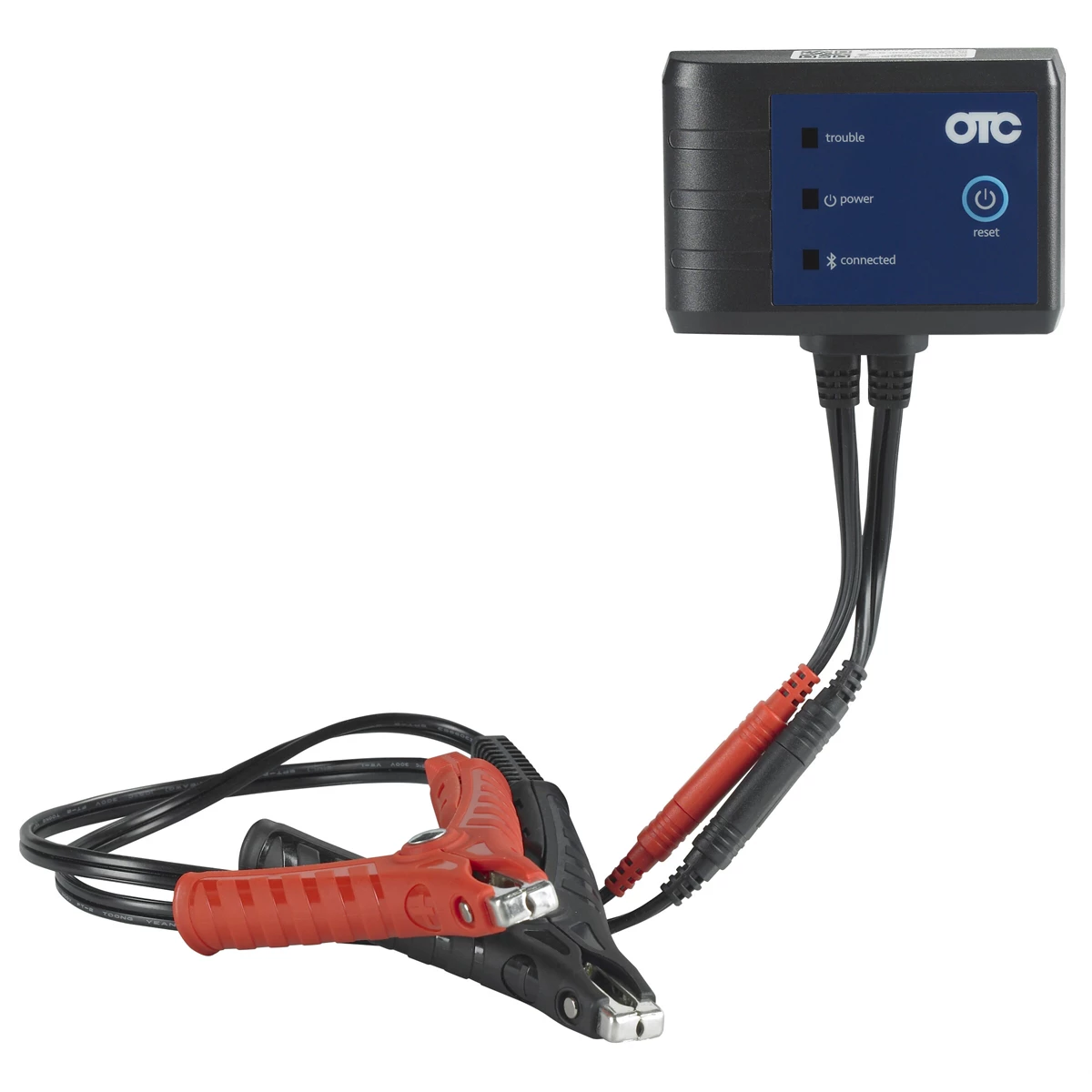
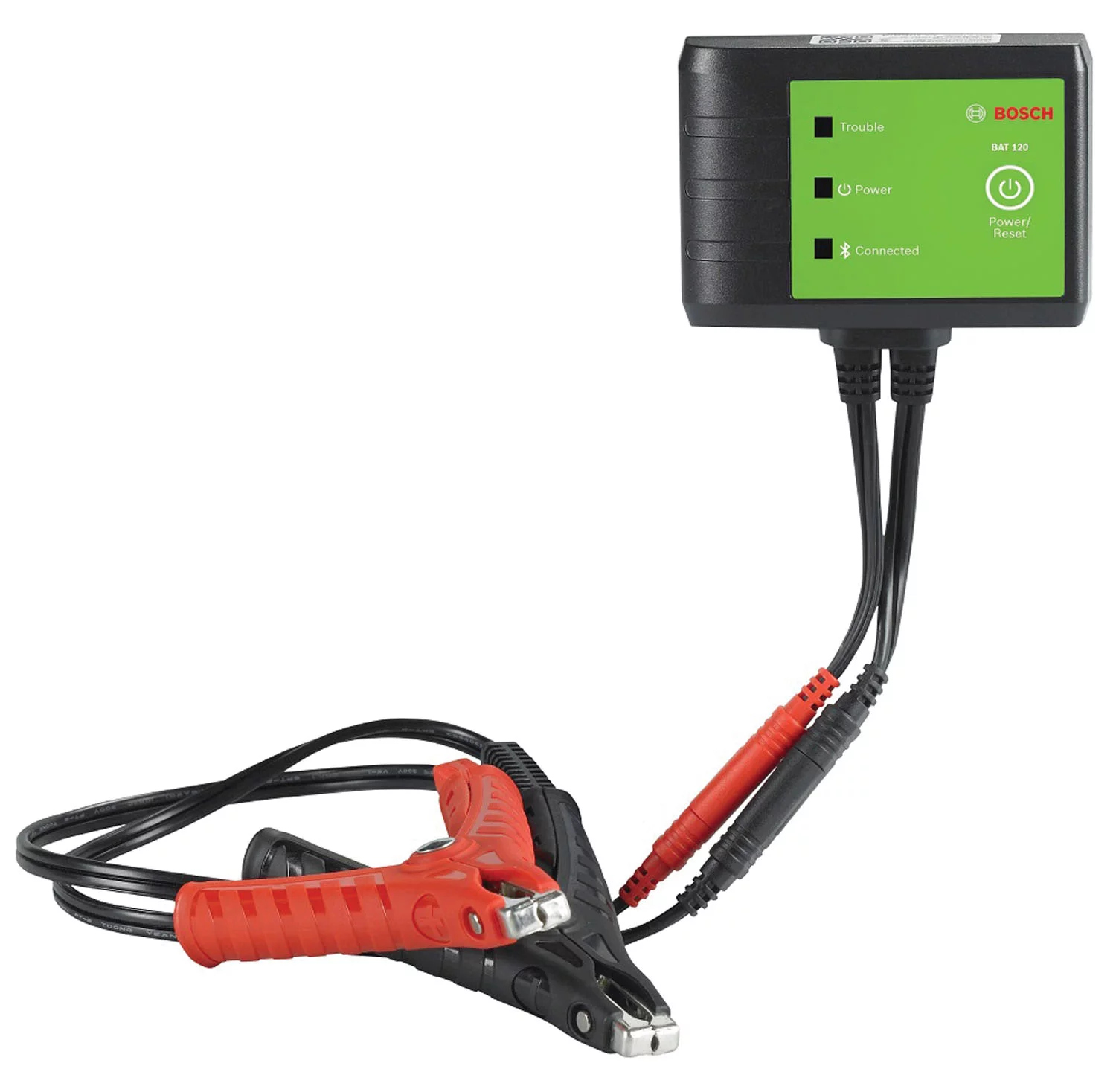
Cold mornings are the single most common complaint on these cars at high mileage, and it’s rarely the engine itself. Slow or no-crank in cold weather points first to battery capacity — load test before anything else, since a battery that starts a warm engine fine can fail completely at 20°F. If the battery and connections check out, move to the starter. These vehicles are known for developing a worn starter solenoid contact point well before the motor itself fails, which shows up as an intermittent click or no-engage that temporarily “fixes itself” after a tap on the housing. That’s a genuine diagnostic signal, not folklore — a starter that responds to being struck is telling you the internal contacts are worn and it’s on borrowed time. Don’t let a customer keep carrying a hammer in the glovebox; replace it.
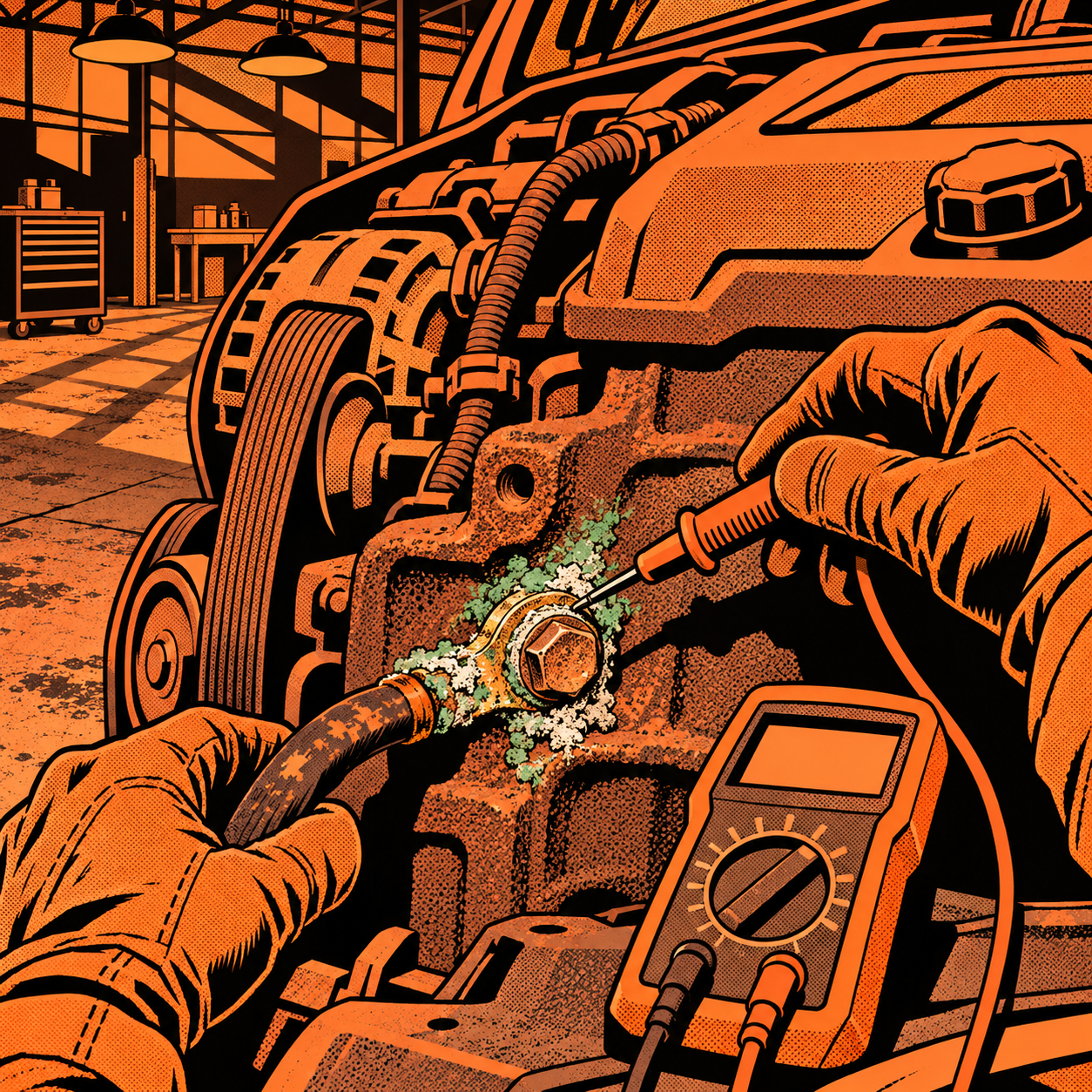
Also check battery cable routing and ground straps on these platforms specifically — corrosion at the engine-to-body ground is a common contributor to intermittent cold-start complaints that get misdiagnosed as starter or battery issues when it’s really a resistance problem in the ground path.

The 30-Minute Alternator Swap: Why This Platform Is Easy to Service
One genuine advantage of this engine bay layout is alternator access. Unlike many transverse-mounted four-cylinders where the alternator sits behind the engine mount or requires loosening motor mounts to create clearance, the 1ZZ-FE’s alternator is accessible from the top and front of the engine with the serpentine belt removed and typically one or two bracket bolts out. No front-end disassembly, no engine jacking required on most trim levels. That matters for labor-rate quoting — if a shop is pricing this job like a harder-access vehicle, the quote is too high, and if a DIY customer is quoted a multi-hour job elsewhere, that’s a signal to double check which engine bay they actually have.
When replacing the alternator, inspect the serpentine belt and tensioner at the same time. On a car this age, if the belt hasn’t been replaced, it’s due, and it’s a few extra minutes of labor against a stranded customer later.
Tracking Down Evaporator Coil Leaks and AC Complaints
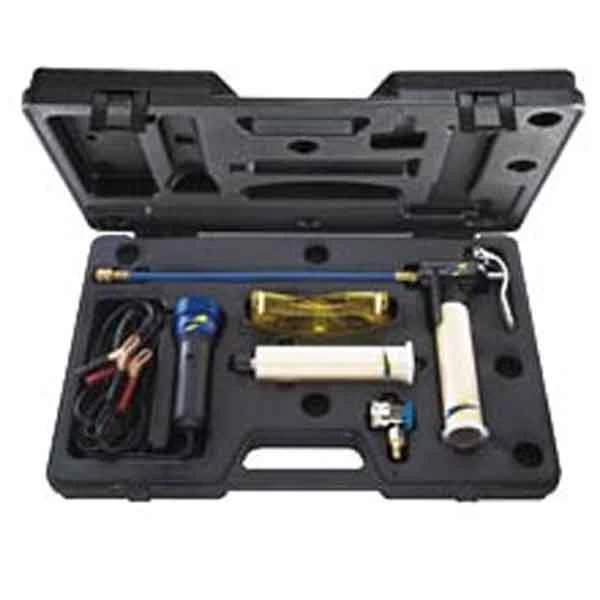
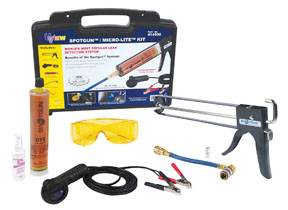
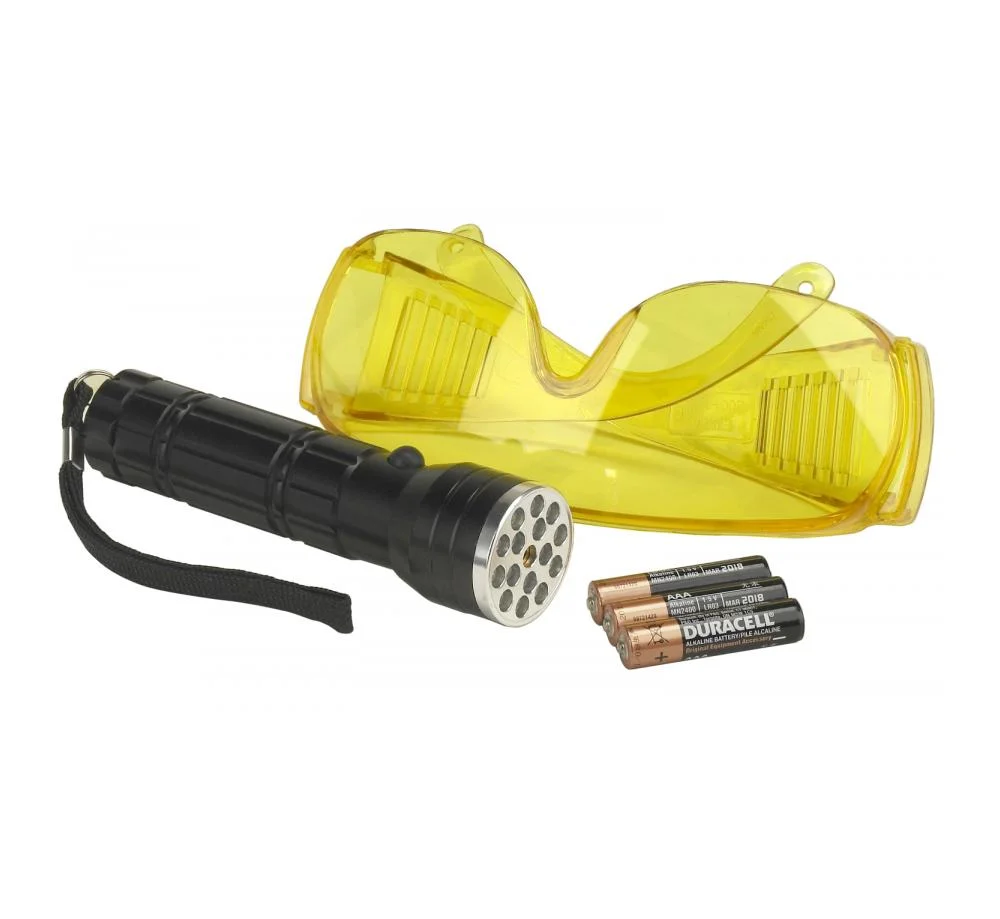
AC complaints on these vehicles at higher mileage point first to the evaporator coil rather than the compressor or condenser. These coils are known to develop pinhole leaks from internal corrosion over time, and the symptom pattern is diagnostic: the system holds a charge for a few weeks to a few months, then slowly loses cooling again. A dye test run through at least one full cooling season (or a UV light check after a recharge) is more reliable than a single static pressure test, since small evaporator leaks can be too slow to show up immediately. Because the evaporator sits behind the dash, confirm the leak location definitively before quoting the job — it’s a significant labor difference versus a condenser, line, or O-ring repair, and nobody wants to pull a dash for a leak that turns out to be a Schrader valve.
High-Mileage Transmission Service: When and What to Use
A transmission that’s gone 200,000-plus miles without a fluid service is common on cars that only got oil changes, and it’s worth raising proactively rather than waiting for shift complaints. Standard drain-and-fill is the safer approach on fluid that’s never been serviced — a full flush on old, degraded fluid can dislodge sediment that a worn transmission was otherwise tolerating, and that’s a real risk worth discussing with the customer before recommending it. Oil-restoration-style additives formulated to address consumption and seal conditioning have had reasonable success reports when used alongside a standard fluid service on these higher-mileage applications, but they’re a supplement to proper fluid service, not a replacement for it. Document the mileage and prior service history, set expectations about restored firmness versus a factory-fresh feel, and recheck fluid condition at the next visit.
Interior and Trim Degradation: Cosmetic vs. Worth Flagging
Dash and trim plastics on these models get brittle and crack with UV exposure over 15-20 years — this is cosmetic and not a safety concern in most cases, but it’s worth noting on an inspection sheet since customers are often surprised by it later. The dash plastic on these cars is also notably soft compared to later designs, which is usually harmless, but check for sagging around instrument cluster mounting points on high-mileage, high-heat climate vehicles, since a warped dash can occasionally interfere with HVAC vent operation or trim panel fitment.
Quick High-Mileage PM Checklist
- Load test battery and inspect ground straps before assuming starter failure
- Tap-test an intermittent no-start starter, then plan replacement rather than repeat repair
- Check serpentine belt condition any time the alternator is accessed
- Confirm AC leak location with dye/UV before quoting evaporator access labor
- Drain-and-fill aging transmission fluid rather than full flush on never-serviced units
- Track oil consumption trends and confirm with compression/leak-down before recommending engine work
FAQs
Why do 1ZZ-FE Corollas and Vibes have a reputation for high mileage?
The engine’s low-stress design and timing chain (rather than a belt) remove common high-cost failure points, so basic maintenance alone gets most of these well past 200,000 miles.
Is oil consumption on these engines always a sign of major failure?
Not necessarily. Many cases are ring-related oil control issues that respond to consumption-focused oil treatments. Confirm with a compression or leak-down test before recommending internal engine work.
Why does my starter work after I hit it but not before?
That’s a classic sign of worn internal solenoid contacts making intermittent connection. It’s a real diagnostic clue, not a permanent fix — replace the starter.
How long does alternator replacement take on these cars?
On most trims, roughly 30 minutes with the serpentine belt removed, since the alternator is accessible without front-end disassembly or engine repositioning.
My AC loses charge slowly over a few months — what’s the likely cause?
A slow-forming pinhole leak in the evaporator coil is the most common cause at higher mileage. Confirm with a dye or UV test before quoting dash-removal labor.
Should I flush or drain-and-fill a transmission that’s never been serviced at 200,000 miles?
A standard drain-and-fill is generally safer on fluid that’s never been changed, since a full flush can dislodge sediment a worn transmission has been tolerating.
Diagnostic Tools & Equipment
Most high-mileage 1ZZ-FE failures show up as diagnostic patterns rather than surprises. Battery load tests, compression and leak-down testing, and AC dye detection are essential for confident repairs. Our Automotive Diagnostic Tools selection has the equipment you need:
- Battery load testers for cold-start diagnostics
- Compression and leak-down testers for engine condition assessment
- AC dye and UV detection tools for pinhole leak confirmation

The Toolsource Technical Team blends decades of real-world automotive service experience with up-to-date technical research. Our writers collaborate with professional mechanics, shop owners, and diagnostic specialists to deliver practical, workshop-ready guidance you can trust.


Follow us on social media