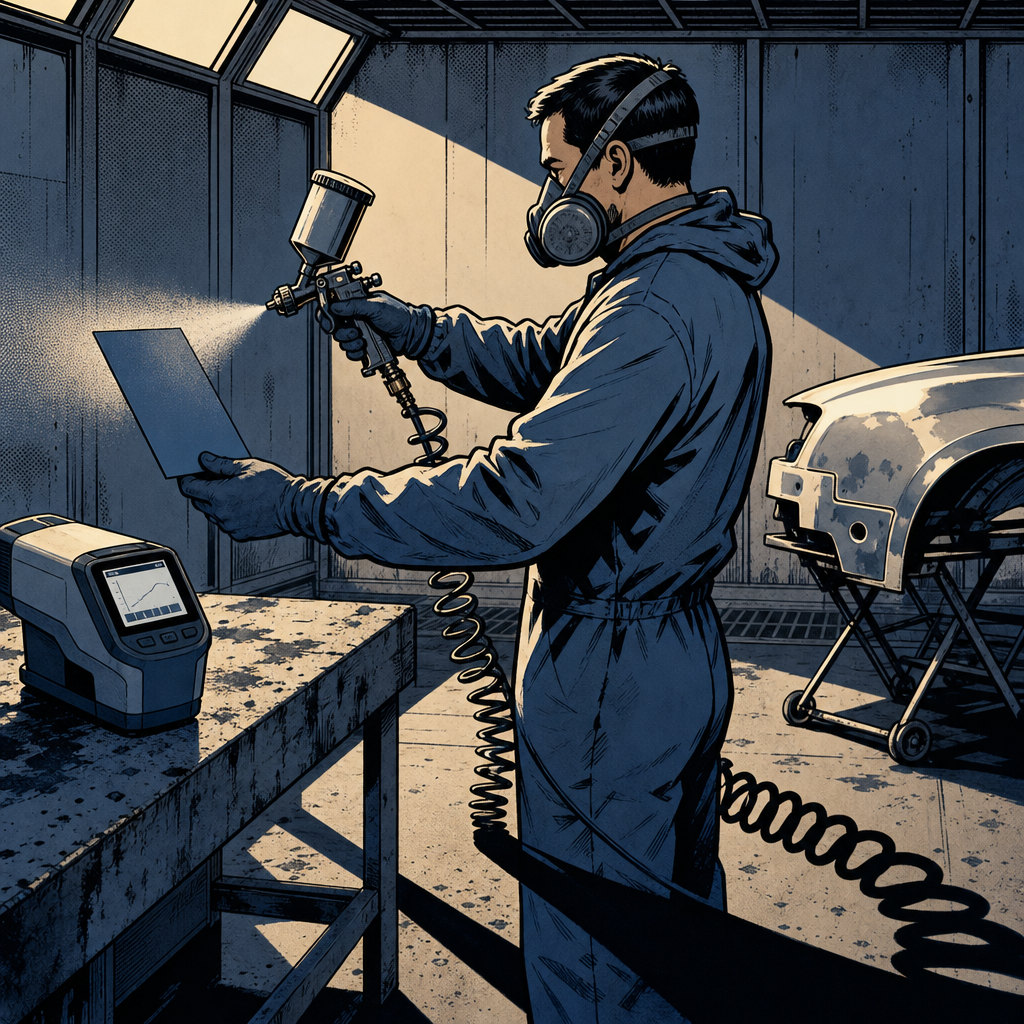
A photo of a two-tone fender made the rounds recently — an insurance repair where the “matched” panel was so far off from factory color that commenters joked it belonged outside a taco truck. Hundreds of body techs weighed in, and the consensus was blunt: that panel should never have left the booth, let alone been handed back to the customer. But the thread also surfaced a real, recurring problem in this trade — modern colors are genuinely harder to match than they used to be, and the gap between “the spectro said this formula” and “this looks right in daylight” is where comebacks and insurance disputes are born. Here’s a practical rundown of why matches go sideways and how to tighten your process so it doesn’t happen on your rack.
Why Modern Colors Are Harder to Match Than They Used To Be
OEMs have expanded their color palettes dramatically, and many premium colors are complex tri-coats, pearls, or tinted clears with multiple mica and pigment layers. A few structural reasons matches fail more often now:
- No physical color chip nearby. Newer paint codes often don’t have a corresponding spray-out chip in your deck yet, so you’re mixing blind off a formula with no visual reference.
- Spectrophotometer readings aren’t gospel. Handheld spectros read a small sample area and can be thrown off by curvature, texture, metallic flop, or a dirty lens. The formula it spits out is a starting point, not a finished answer.
- Substrate changes color perception. Plastic bumper covers and sheet metal reflect light differently even with an identical formula sprayed on both. This is a real phenomenon — but it’s not an excuse for an obvious mismatch; it’s a reason to blend, not to skip blending.
- UV fade on the existing panels. A car that’s a few years old has faded unevenly depending on sun exposure. Matching to a color chip or a fresh panel without accounting for fade guarantees a visible line.
- Batch-to-batch pigment variance. Paint manufacturers deal with raw material lot variation just like anyone else. The formula that matched last year’s batch may drift slightly with today’s toner.
None of this means a bad match is acceptable — it means the fix has to happen in your process, not by hoping the customer doesn’t look closely.
Reading the Car Correctly Before You Ever Mix Paint
Before touching the gun, do the legwork that determines whether the first attempt is close or a wild guess:
- Pull the color code from the VIN plate/door jamb and cross-reference it against your paint manufacturer’s variant deck. Most manufacturers publish multiple variants (A, B, C) per code because factories run color drift too.
- Take spectrophotometer readings in at least two spots — one on the damaged panel’s neighbor and one further from the repair, especially on a car with any age or sun exposure. Average or note the difference.
- Spray a test card and let it flash and cure under the same clear you’ll use in the final job — color can shift under clearcoat.
- Check the test card against the car outdoors, in shade, and under shop lighting. Fluorescent bay lighting alone will fool you; metamerism (a match under one light source that fails under another) is common and is exactly what turns into a customer complaint in the parking lot.
- Tint by eye if needed. Experienced color techs treat the spectro formula as 80-90% of the answer and finish the last 10% with tint additions confirmed against the test card. This step is where mismatches like the viral photo get caught before they ever reach a fender.
Getting this stage right is the single biggest lever you have — everything downstream (blending, clearcoat, polishing) can’t fix a formula that was wrong walking in the door.
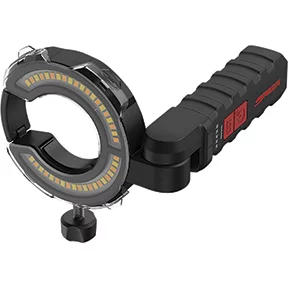
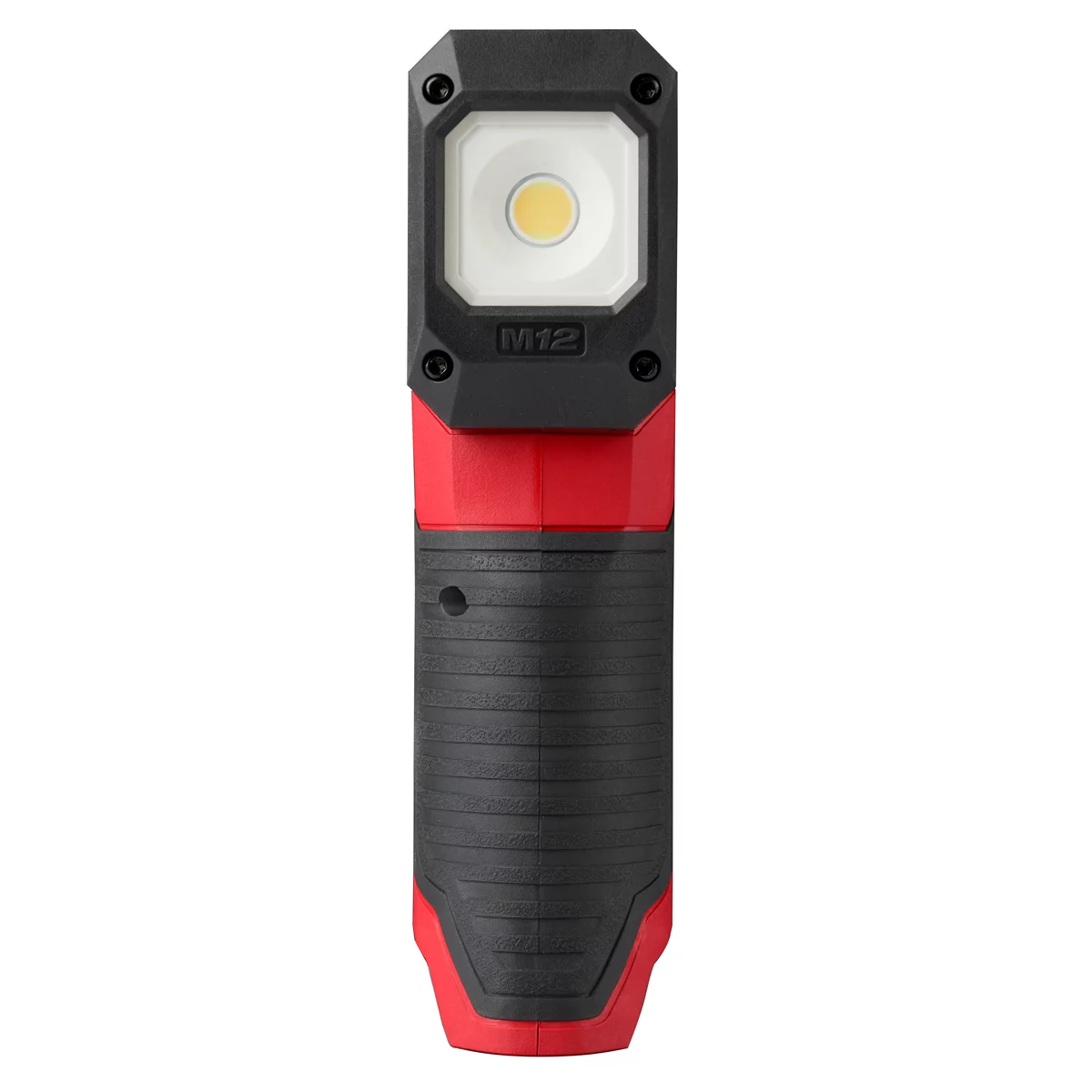
M12?,,? Paint and Detailing Color Match Light
Mfg: Milwaukee Electric Tools
Part #: 2127-20
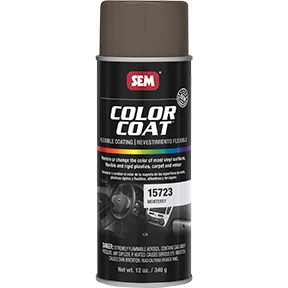
Product check: color-matching and spray-out tools
If your spray-out process is inconsistent, the tools are often the gap — not the technician. Worth checking your current kit against what’s available.
Blending Technique: Making the Transition Invisible
Even a near-perfect formula can show a visible edge if it’s applied as a hard cutoff instead of blended into the adjacent panel. A few non-negotiables:
- Never spray a repaired panel edge-to-edge without blending into at least one adjacent panel unless the color is a simple solid with zero metallic or pearl content. Metallics and pearls show flop at any hard edge — this is exactly what several commenters flagged as “no blending, just spray and call it a day.”
- Fade the basecoat out gradually over the blend panel using progressively lighter, faster passes, then blend the clear further out still to eliminate any visible demarcation line.
- Use a quality blending solvent appropriate for the clearcoat system — this softens the edge chemically so it melts in rather than sitting as a visible ridge.
- Mind gun distance and pressure consistency across the blend zone; drifting technique mid-blend is a common cause of visible banding.
- Let a second set of eyes check it in natural light before clearcoat goes down — it’s much cheaper to catch a bad blend at the basecoat stage than after the whole panel is cleared and cured.
Building a Real QC Checkpoint Before the Car Goes Out the Door
A recurring theme in the complaints was that a shop manager clearly never actually looked at the car in daylight before calling it done. That’s a process failure, not a one-off mistake, and it’s fixable with a hard checkpoint:
- Designate one person (ideally not the tech who sprayed it) to do a final color check outdoors, not under bay lighting.
- Check the panel from multiple angles — metallics and pearls shift with viewing angle, so a match that looks fine head-on can fail at a raking angle.
- Photograph the completed panel next to the adjacent factory panel in natural light and keep it in the job file. This protects the shop as much as the customer — it proves the work was inspected, and if there’s a legitimate substrate or lighting variance, you have a record of what was reviewed at handoff.
- If the match doesn’t pass this checkpoint, it does not go to delivery. Respray before the customer ever sees it.
Documentation and Insurance: Protecting the Shop When There’s a Dispute
When a repair is paid by an at-fault party’s insurance, technicians should understand a distinction that came up repeatedly in the discussion: the customer’s contract is with the shop, not with the insurance company, unless the shop is part of that insurer’s direct repair program (DRP). That has practical implications for how you handle disputes:
- If you’re a DRP shop, the insurer has leverage to push you to redo unacceptable work, and they generally will if a customer escalates — a bad match is reputational risk for both parties.
- If you’re not on a DRP, the comeback and the fix are between you and the customer directly. Don’t lean on “the insurance company will handle it” — they won’t unless it’s their program shop.
- Insurers cannot legally require a customer to use a specific shop — steering customers to a particular shop against their preference is illegal in most states, and shops that rely on captive referral relationships should make sure their own conduct doesn’t cross that line either.
- An insurance appraiser reviewing photos of an obvious mismatch will not sign off on it as acceptable, even if an adjuster might wave it through administratively. If a customer sends photos through appraisal, expect a rework order.
Product check: shop supplies for color matching and finish work
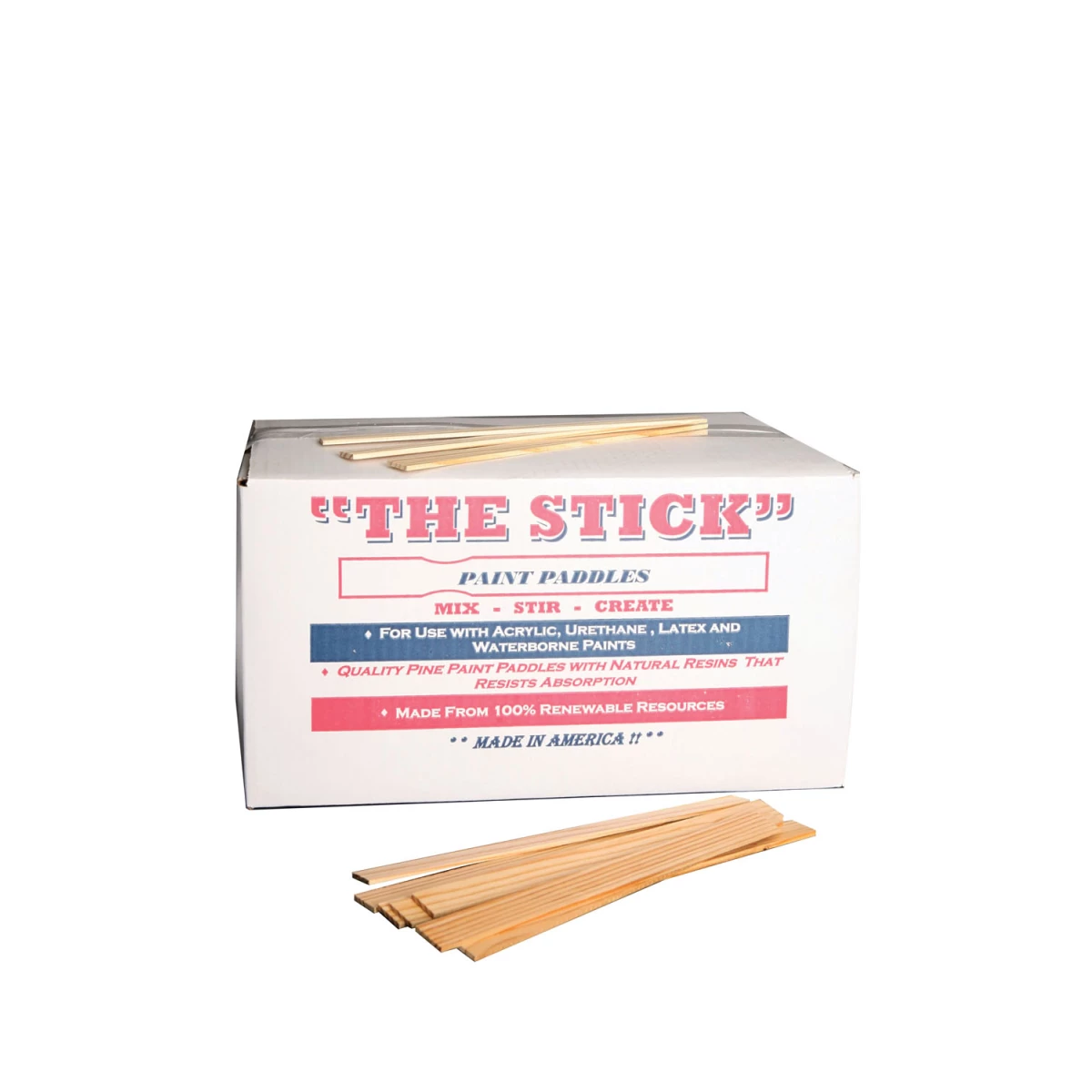
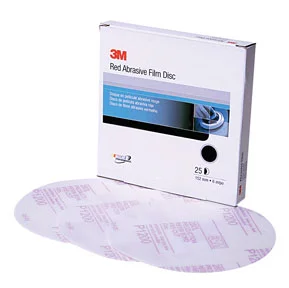
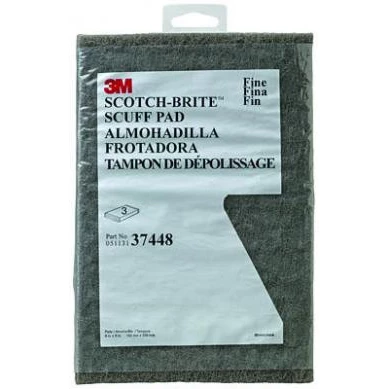
Beyond spray-out cards and spectrophotometers, a lot of match issues trace back to basic surface prep and blending consumables. Worth a broader look at what’s in stock.
Quick Pre-Delivery Checklist
- Color code pulled and cross-checked against manufacturer variant deck
- Spectro readings taken on multiple spots, adjusted for fade/age
- Test card sprayed, cleared, and checked outdoors and under shop light
- Blend zone extends into adjacent panel with no hard edge
- Second-person daylight inspection completed and photographed
- Job file includes before/after photos and any customer sign-off
FAQs
Why does a spectrophotometer sometimes give a formula that’s clearly wrong?
It reads a small, specific area and can be skewed by surface curvature, texture, contamination on the lens, or fade in the sample spot. Treat its output as a starting formula to be verified with a test card, not a final answer.
Is it true that plastic bumper covers never match sheet metal exactly?
Substrate does affect light reflection and can create a legitimate slight variance, but this is why blending exists. It’s not a valid excuse for an obviously wrong color — a well-executed blend should make that variance imperceptible in normal viewing conditions.
What’s the difference between an adjuster and an appraiser when a customer disputes a color match?
An adjuster handles claim administration and may not scrutinize repair quality closely. An appraiser is trained to evaluate the physical repair and is far less likely to approve a visibly mismatched panel — customers pushing back on a bad match should ask their insurer to route it to appraisal.
Should a shop always blend into the next panel instead of just spraying the repaired part?
For any metallic, pearl, or tri-coat finish, yes — a hard-edge spray without blending is one of the most common causes of visible mismatches, regardless of how close the formula reads.
Can a customer be forced to use a specific body shop by their insurance company?
No. Insurers can recommend network shops, but requiring a customer to use one is considered improper steering and is prohibited in most jurisdictions. The customer has final choice of repair facility.
How should a shop handle a customer who says the color doesn’t match, even under normal lighting?
Take the complaint seriously and inspect the car in natural daylight, not bay lighting, before deciding. If there’s any visible variance beyond a barely perceptible blend transition, plan for a respray rather than arguing the point — it’s cheaper than a returned customer, a bad review, or an insurance appraisal escalation.
Shop Paint & Body Supplies
Getting a color match right the first time starts with the right tools and materials. Stock your shop with spectrophotometers, spray-out cards, blending solvents, and finishing supplies from our Paint & Body selection.
- Color measurement tools and spray-out cards for formula verification
- Blending solvents and clearcoats for seamless transitions
- Surface prep and protective equipment

The Toolsource Technical Team blends decades of real-world automotive service experience with up-to-date technical research. Our writers collaborate with professional mechanics, shop owners, and diagnostic specialists to deliver practical, workshop-ready guidance you can trust.


Follow us on social media