A driver okays a $2,400 repair over the phone, the advisor writes the name on the ticket, the work gets done — and three weeks later the card issuer reverses the charge because “nobody authorized it.” This scenario shows up constantly in shop-owner forums, and the pattern in every account is the same: verbal authorization feels solid in the moment and evaporates the instant a bank asks for proof. The fix isn’t more paperwork for paperwork’s sake — it’s shifting authorization to something the customer generates themselves, because that’s the only kind of evidence that reliably survives a dispute.
Why a Verbal “Yes” Doesn’t Hold Up
When a chargeback is filed, the bank isn’t evaluating whether you’re an honest shop. It’s evaluating whether you can produce evidence the cardholder authorized the exact charge. A name scribbled on a ticket after a phone call is your word against theirs, and banks routinely default to the cardholder’s version — several shop owners report winning these disputes roughly half the time even with decent documentation, because reviewers don’t always dig into submitted evidence. That’s the uncomfortable baseline: you’re not trying to build a perfect case, you’re trying to stack enough independent, time-stamped proof that a reasonable reviewer can’t easily side against you.
The common thread in every account where a shop actually won a dispute is that the proof came from the customer’s own device or signature — a text they tapped, a form they signed, a recorded call they were on. The common thread in every account where a shop lost is that the only record was something the shop itself wrote down after the fact. Your notes are necessary, but they’re not sufficient on their own.
Move Approvals to Text or a Digital Signature
The most consistent fix shops report is getting the customer to approve from their own phone instead of over a phone call. In practice this means texting or emailing the estimate — parts, labor, and total — and requiring a reply of “approved” or an actual tap-to-approve action before the first wrench turns. If a customer calls in and verbally okays added work mid-job, send a confirmation text immediately: something like “Confirming you approved front brakes and struts, $1,900 total, reply YES,” and hold the job until the reply lands. That text, sent from your number to theirs with a timestamp, is the artifact that actually moves the needle in a dispute — not because it’s more polite, but because the bank can see the customer took an action on their own device.
The failure mode here isn’t the tool, it’s discipline. Shops that adopt text-to-approve workflows and still get burned almost always trace it back to an advisor skipping the step on a busy day. Whatever system you use, treat “send before you start” as a non-negotiable shop policy, not a suggestion, and spot-check that it’s actually happening.
===FYP-PRODUCT-AFTER-2===
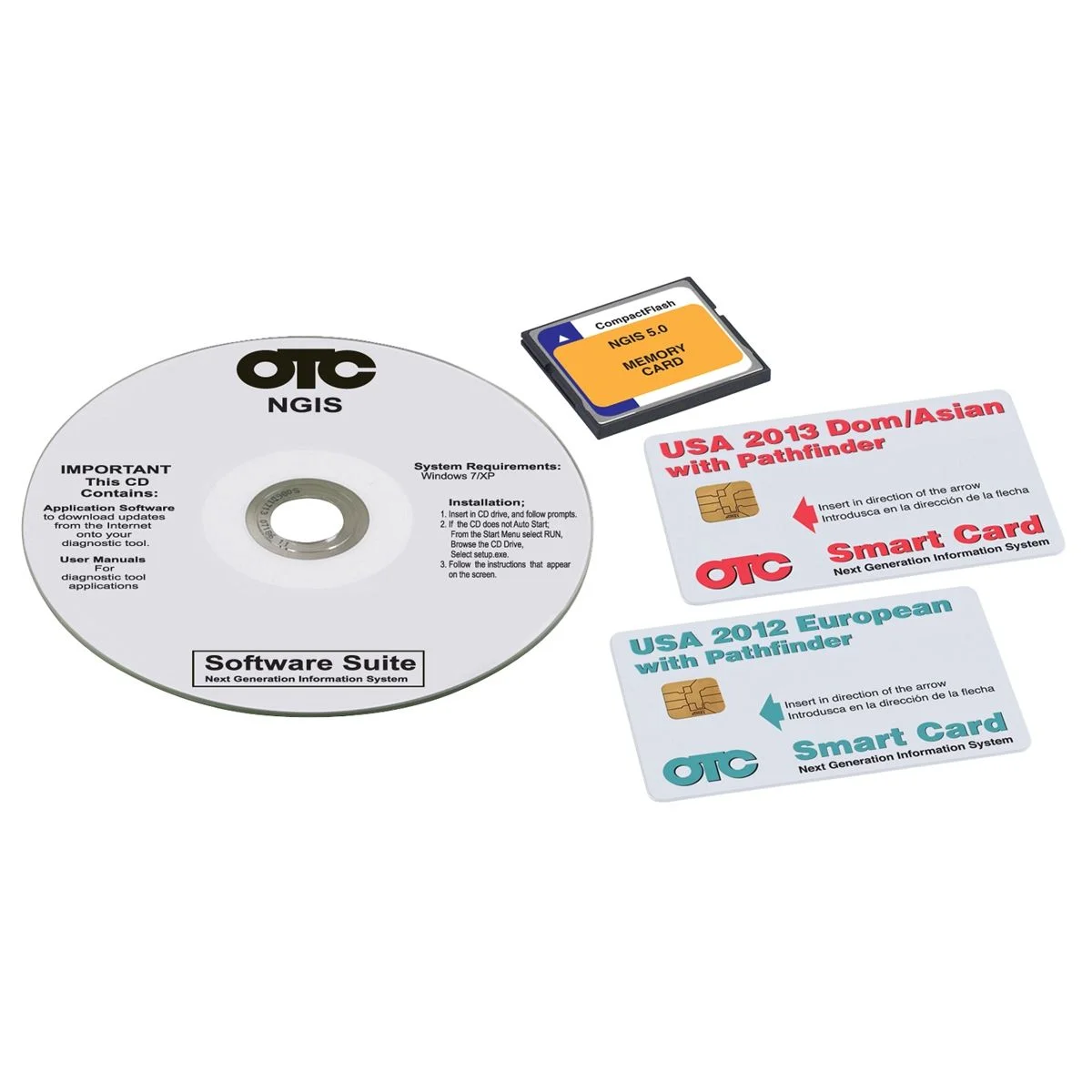

Genisys 2014 Super Bundle Software Package
Mfg: OTC Tools and Equipment
Part #: 3421-149

Lock Down the Repair Order at Drop-Off
A signed repair order at intake is your foundation, and it should do more than list the initial complaint. Build in a standing clause the customer signs up front — something to the effect of “no work beyond this estimate will be performed without my approval” — so any later authorization dispute has to contend with a signature they gave before anything was touched. A wet (physical) signature on the RO is the one document several shop owners specifically credit with stopping disputes cold, because it’s harder for a cardholder to disavow a signature on paper they handed over in person than a verbal exchange on a call.
For larger jobs, pair the signed RO with a deposit. A common threshold reported by shops is requiring 50% down on any repair over roughly $1,500 before parts get ordered, collected at the same time as the signed authorization. A customer who’s already paid half and signed off has a much harder time convincing a bank the whole job was unauthorized, and it also protects you from stocking parts for a job that gets canceled or disputed before completion.
Document Everything Once Work Begins
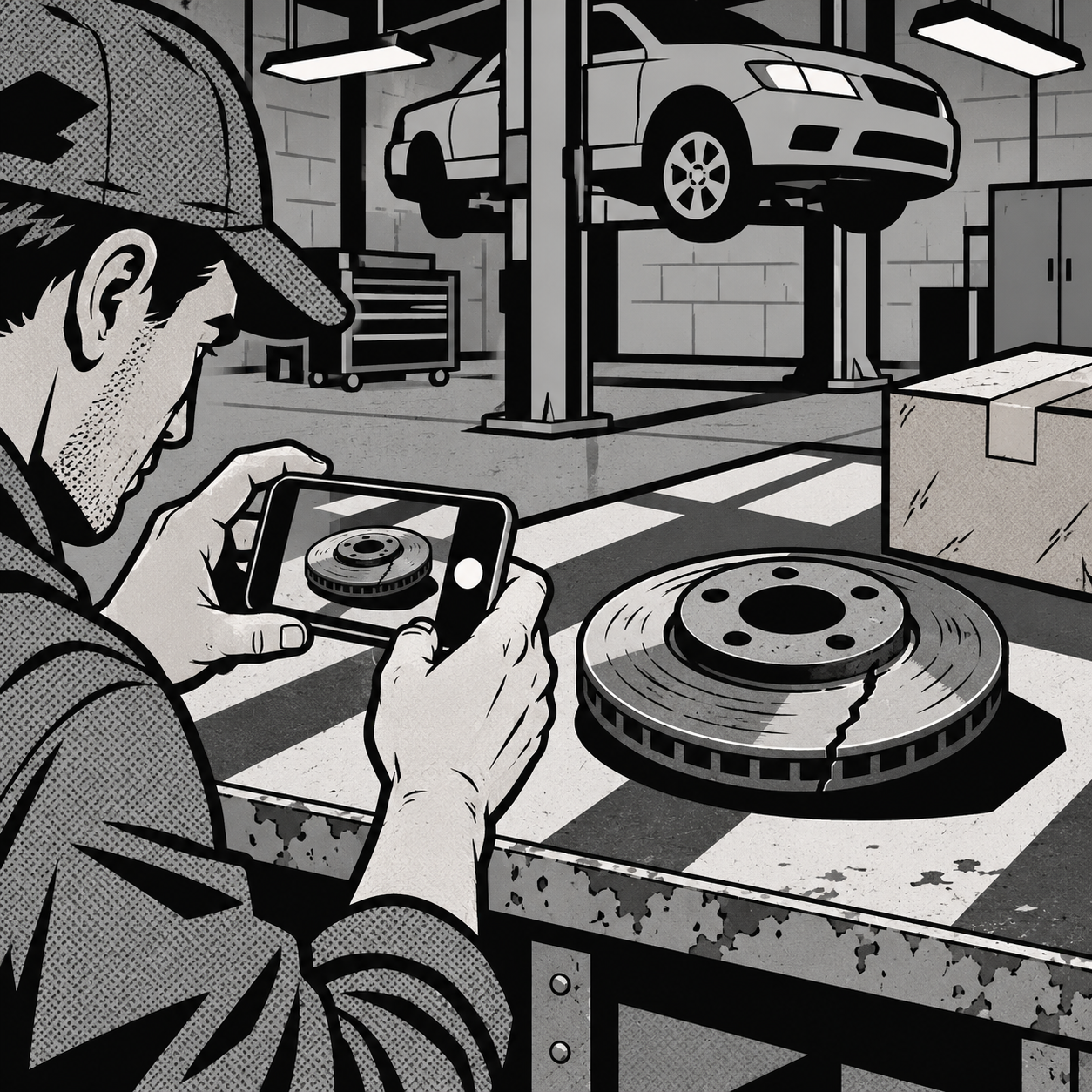
Once the job is underway, build a paper trail that doesn’t depend on anyone’s memory. Take before photos of the vehicle and the failed parts, and keep the old parts in a labeled box — customer name, date, and job description written on it — for at least a month after the invoice is paid. If a dispute does land, those parts and photos demonstrate the work was actually performed, which matters because some chargebacks hinge on “service not rendered” claims rather than “I didn’t authorize this.”
If any approval happens by phone — initial or added work — log the date, time, who you spoke with, and the exact dollar amount authorized, written down immediately rather than reconstructed later. Some shops go further and record all business calls, with a policy that no authorization is ever taken on a personal cell phone, so there’s always a recorded line tied to the shop’s number. Check your state’s rules before recording calls or requiring written estimates — consent requirements and disclosure rules vary, and some states mandate written estimates past a certain dollar threshold regardless of what you’d prefer to do.
What to Do When a Chargeback Hits Anyway
Even with good documentation, chargebacks still happen. When one lands, assemble everything at once for the response: the signed RO, the itemized invoice, the phone log noting date/time/who/amount, the confirmation text if one exists, and photos of the old parts if you kept them. Submit it as a complete package rather than a drawn-out back-and-forth — banks aren’t going to request a second round of evidence from you.
If the bank still sides with the cardholder, you have two realistic paths. For smaller amounts, several shop owners have concluded it isn’t worth the hours spent fighting a few-hundred-dollar reversal and simply absorb it as a cost of doing business. For larger amounts tied to a specific vehicle still in your possession or recently released, a mechanic’s lien is the other option — talk to a local attorney or your state’s DMV/consumer affairs office about the proper filing process, since lien rules and the window to act are state-specific and getting the paperwork wrong can forfeit your claim.
Fleet and Commercial Accounts Need Their Own Process
Fleet work carries extra risk because the person approving the repair on the phone often isn’t the person who controls the account’s money. A fleet’s accounts-payable department can reject a charge weeks later even when a driver clearly said yes, because their internal approval process — a PO number, a specific authorized contact, a dollar cap — wasn’t followed. Ask every fleet customer for their written approval process up front and follow it to the letter, even when it feels like unnecessary red tape for a routine repair. A driver’s verbal yes means nothing to an AP department that requires a PO number before work starts.
Quick Checklist: Chargeback-Resistant Authorization
- Signed RO at drop-off, including a clause requiring approval for any work beyond the estimate
- Texted or emailed estimate with a required “approved” reply before work starts, including add-ons
- 50% deposit (or your threshold) on repairs above your high-dollar cutoff, collected before parts are ordered
- Logged date, time, contact name, and authorized amount for every verbal approval
- Before photos and retained old parts, labeled and dated, kept for at least 30 days
- Written fleet approval procedure on file (PO numbers, authorized contacts, dollar caps) followed every time
===FYP-PRODUCT-END===


FAQs
Does a text reply really hold up better than a recorded phone call?
Generally yes, because the action originates on the customer’s own device and carries a timestamp the bank can independently verify. A recorded call is still useful evidence, but it requires the reviewer to listen and judge consent, which adds friction a tap-to-approve text doesn’t have.
Is recording customer calls legal?
It depends on your state’s consent laws — some require only one party to consent, others require all parties. Confirm your state’s rule and consider a recorded disclosure line (“this call may be recorded”) before relying on call recordings as evidence.
What’s a reasonable deposit threshold?
Many shops use 50% down on repairs above roughly $1,000–$1,500, collected with a signed authorization before ordering parts. Set the number based on your average ticket and how much exposure you’re willing to carry on special-order parts.
Can I still lose a dispute even with full documentation?
Yes. Chargeback reviewers don’t always weigh evidence evenly, and some shop owners report losing straightforward disputes despite solid paperwork. Strong documentation improves your odds and gives you a mechanic’s lien option afterward — it doesn’t guarantee a win.
How long should I keep replaced parts and photos?
At minimum through the standard chargeback window, which is typically 60–120 days depending on the card network. Label boxes with customer name, date, and job so you can match them to a dispute months later without guesswork.
What should a fleet approval process include?
Get it in writing from the account before you do any work: who is authorized to approve repairs, whether a PO number is required, and any dollar cap that triggers a need for AP sign-off. Follow it exactly, even for routine jobs, since AP departments will reject charges that skip their internal steps regardless of what the driver said.
Shop Supplies That Support Your Process
Keeping authorization and documentation records organized requires the right shop infrastructure. Browse Shop Equipment and Supplies for forms, storage solutions, and tools to maintain a chargeback-resistant system.
- Documentation forms and work order templates
- Storage and labeling systems for retained parts
- Record-keeping and organizational supplies

The Toolsource Technical Team blends decades of real-world automotive service experience with up-to-date technical research. Our writers collaborate with professional mechanics, shop owners, and diagnostic specialists to deliver practical, workshop-ready guidance you can trust.


Follow us on social media