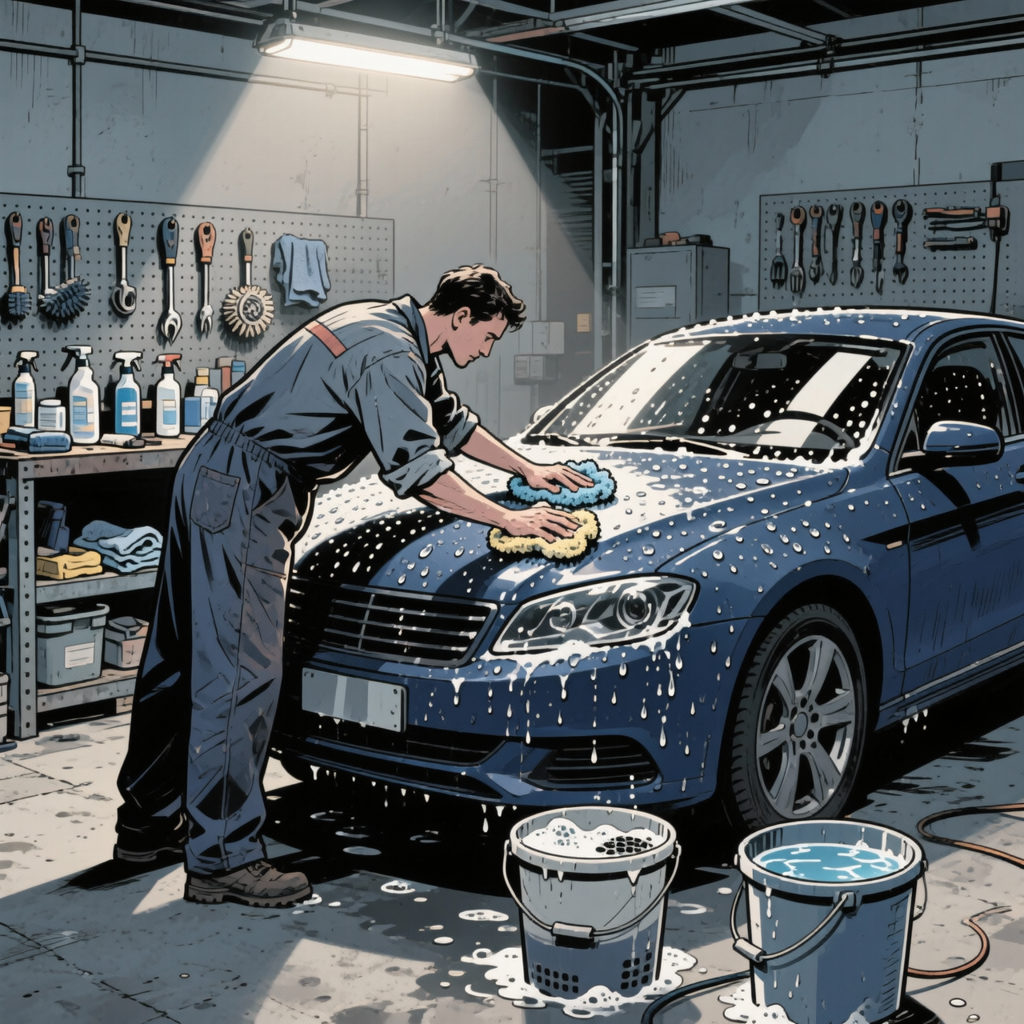
After years of diagnostic work, comebacks, and customer complaints, many technicians discover that spending three to four hours detailing their personal vehicle isn’t just maintenance—it’s mental reset. The repetitive, controlled process of washing, polishing, and protecting paint offers something rare in modern automotive work: immediate, visible results you can control from start to finish. Unlike chasing an intermittent electrical fault or waiting on parts, detailing delivers predictable outcomes and measurable progress. This guide examines why hands-on car care functions as effective stress management and provides practical workflows for incorporating therapeutic detailing into your routine.
Why Detailing Works as Mental Reset
The therapeutic effect of detailing stems from several neurological and psychological factors relevant to technicians. First, the work provides what researchers call “process reward”—unlike diagnostic work where solutions may take days or weeks, detailing offers immediate visual feedback. Each panel wiped clean, each wheel restored, each streak buffed away provides a small dopamine response that accumulates throughout the session.
Second, detailing engages both gross and fine motor skills in a low-stakes environment. You’re using the same hand-eye coordination and attention to detail required for precision mechanical work, but without the pressure of billable hours, warranty concerns, or customer expectations. The muscle memory feels familiar, but the context removes performance anxiety.
Third, the repetitive motions—circular wax application, systematic panel washing, methodical tire dressing—create a meditative state similar to what runners experience. Your hands know the pattern, allowing your conscious mind to process background stress while your body executes familiar tasks. Many technicians report their best problem-solving insights come while applying paste wax or foam-gunning a vehicle.
Finally, detailing offers complete control over outcome. In a bay, you’re often troubleshooting someone else’s neglect, poor repairs, or design flaws. With your own vehicle, you determine the process, choose the products, and own the results. This autonomy reverses the typical technician experience of working within constraints.
Building Your Therapeutic Detailing Workflow
The key to detailing as stress relief is removing time pressure and establishing a comfortable rhythm. Start by blocking off a minimum three-hour window—shorter sessions recreate the rushed feeling you’re trying to escape. Early weekend mornings or weekday evenings work best, depending on your shop schedule and climate.
Set up your workspace to minimize interruptions. If you’re working at home, communicate to family that this is dedicated time. Put your phone on do-not-disturb or leave it inside entirely. The goal is creating uninterrupted focus, which is increasingly rare in modern life and almost nonexistent in a busy shop environment.
Prepare your product staging area before starting the wash process. Lay out buckets, wash mitts, wheel brushes, drying towels, and applicators in the order you’ll use them. This pre-work eliminates decision fatigue during the actual detailing process—you’re not hunting for the tire brush or debating which quick detailer to use. Everything flows in sequence.
Consider your audio environment carefully. Many technicians default to music, but podcasts and audiobooks work exceptionally well for detailing sessions. Technical podcasts like The Rag Company’s weekly stream or Obsessed Garage’s “Dialed In” complement the work without demanding constant attention. Others prefer silence to allow complete mental decompression. Experiment to find what facilitates your best thinking.
Start with wheels and tires—the dirtiest, most physical part of the process. This frontloads the labor-intensive work while you’re fresh and creates immediate visible impact. Brake dust removal from complex wheel designs requires focus and provides early satisfaction when completed. Use a dedicated wheel bucket and brushes to avoid cross-contaminating your paint wash mitt.
Move to the two-bucket wash method for paint surfaces, working from top to bottom in systematic sections. The roof, glass, upper panels, then lower rockers and bumpers. This methodical progression prevents missing areas and establishes the rhythmic flow that enables mental processing. Take your time on each panel—rushing defeats the therapeutic purpose.
Product Selection for Long-Term Maintenance
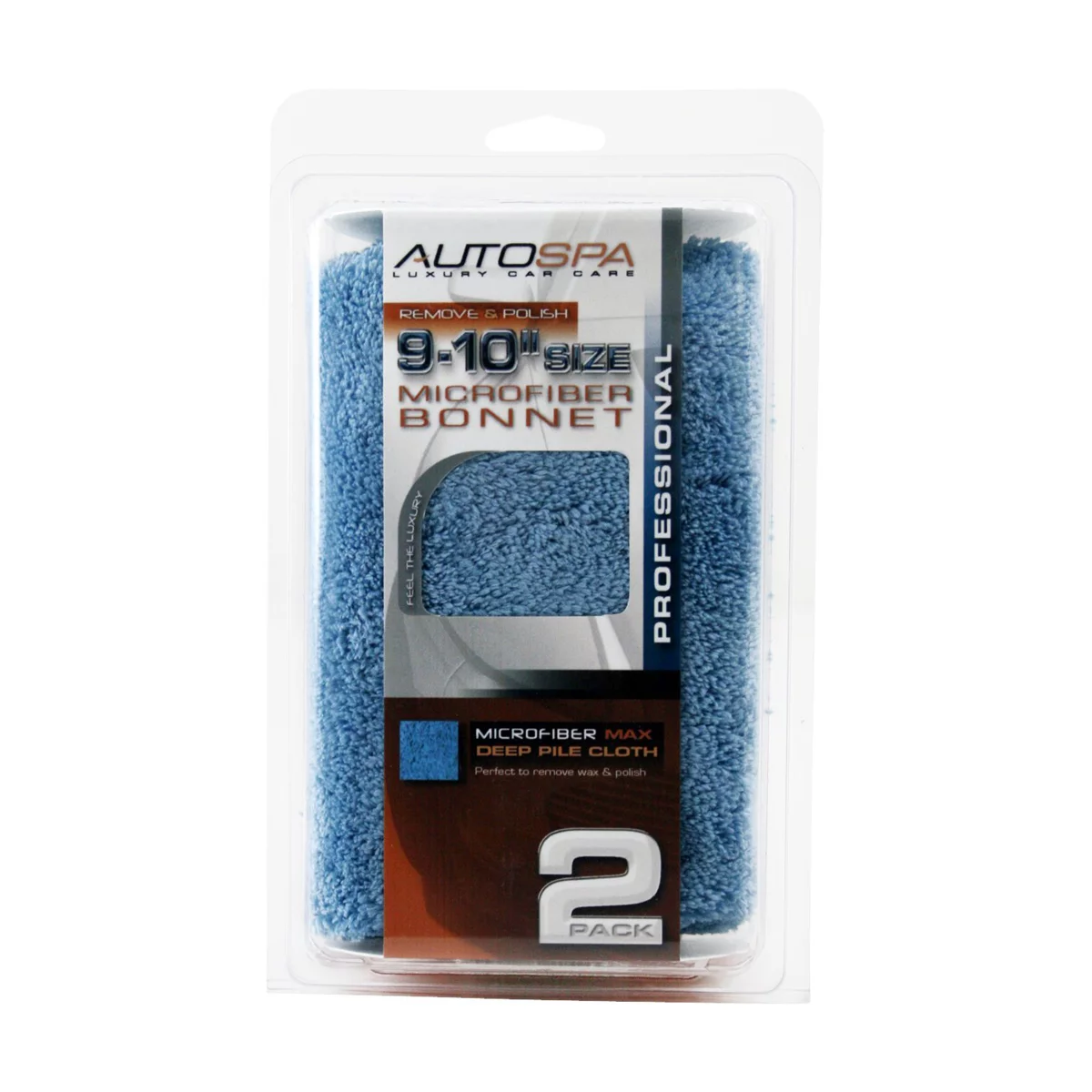
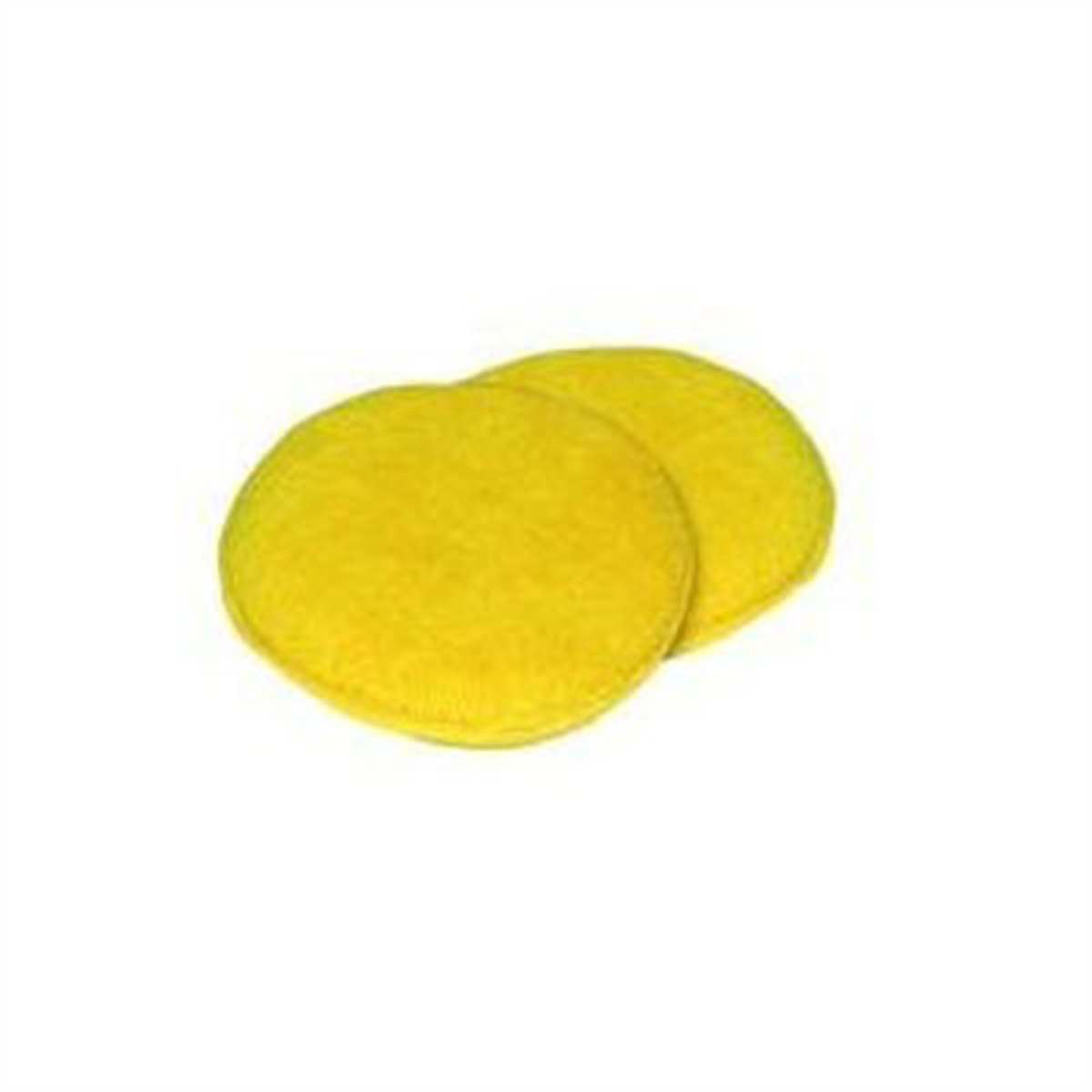
Choose products that match your therapeutic goals, not just performance specs. While ceramic coatings offer maximum durability, many technicians specifically prefer paste wax or spray sealants because the application process itself is rewarding. The act of hand-applying carnauba wax in overlapping circular motions, waiting for hazing, then buffing to clarity provides tactile satisfaction that spray-and-wipe products can’t match.
That said, spray ceramic products like Griot’s Garage 3-in-1 Ceramic Wax or their Speed Shine offer excellent middle ground—they provide durable protection while still requiring mindful application. Used as drying aids, these products add a protection step to the drying process without requiring separate dedicated time. Mist lightly on wet panels, then dry with a quality microfiber towel to simultaneously remove water and add protection.
For wheels, dedicated wheel cleaners and iron removers make the difference between frustrating scrubbing and satisfying chemical dissolution. Products that change color as they work (purple indicating iron content) provide visual feedback on the cleaning process. Follow with a wheel sealant or ceramic coating to reduce brake dust adhesion between details.
Interior detailing deserves equal attention for therapeutic value. Quality interior cleaners, brushes for vents and seams, and microfiber applicators for dressing surfaces create the same methodical workflow as exterior work. The confined space of an interior requires focused attention to detail that fully occupies your mind—you can’t zone out while cleaning HVAC louvers or extracting floor mats.
Keep products organized in a dedicated detailing cart or caddy. Part of the therapeutic value comes from having a complete, organized system—not scrounging through the garage for a missing applicator or realizing mid-detail you’re out of tire shine. Stock redundant supplies (multiple wash mitts, extra microfiber towels, backup bottles of frequently used products) to maintain flow.
Time Management and Frequency
The “right” detailing frequency balances therapeutic benefit against burnout. Most technicians find weekly or bi-weekly maintenance washes (one to two hours) supplemented by monthly full details (three to four hours) provides consistent stress relief without becoming another obligation. During peak seasons—summer for northern climates, year-round for southern regions—frequency naturally increases as weather permits outdoor work.
Break complex tasks across multiple sessions when needed. Paint correction, for example, works better as a dedicated weekend project rather than rushing through it alongside a maintenance wash. Similarly, interior deep cleaning—extracting carpets, shampooing seats, cleaning every crevice—deserves its own session. Trying to accomplish everything in one marathon session recreates the time pressure you’re trying to avoid.
Use quick detailer sprays and waterless wash products for between-session touch-ups. These allow short fifteen to twenty-minute sessions to remove bird droppings, pollen, or light dust without committing to full two-bucket washes. The brief focused work still provides mental break value without requiring full product staging.
Winter presents challenges for technicians in cold climates, and many report increased stress during months when outdoor detailing isn’t practical. Some solutions include heated garage detailing sessions, focusing on interior-only maintenance, or using touchless car washes followed by quick detailer application in a covered area. Others embrace the forced break and use winter months for tool organization and product research.
Track your detailing sessions informally to identify patterns. If you notice increased frequency during particularly stressful work periods, that’s valuable data about what triggers you need and when. Conversely, if detailing starts feeling like another chore rather than stress relief, scale back frequency or change your approach—therapeutic value disappears when it becomes obligation.
Common Obstacles and Solutions
Apartment living and lack of personal workspace ranks as the primary obstacle technicians face. Solutions include portable detailing setups using five-gallon buckets transported to self-service wash bays, coordinating with friends who have driveways for shared detailing sessions, or using rinseless wash systems like Optimum No Rinse (ONR) that work in parking garages with minimal water.
Physical limitations—particularly back, knee, and shoulder issues common among technicians—require workflow modifications. Use rolling stools for wheel and lower panel work, long-handled wash brushes to reduce bending, and foam cannons to minimize physical scrubbing. Knee pads designed for flooring installers work better than automotive-specific versions for extended detailing sessions.
Family and personal time conflicts require communication and boundaries. Frame detailing time as mental health maintenance equivalent to gym sessions or other self-care activities. Many technicians find early morning sessions (6-9 AM on weekends) provide uninterrupted time before family activities begin. Others negotiate that detailing their partner’s vehicle counts as shared time—many couples find tandem detailing sessions work well.
Product paralysis—the overwhelming array of detailing chemicals and tools available—stops many technicians before they start. Begin with basics: two buckets with grit guards, quality wash mitt, pH-neutral car soap, spray sealant or wax, microfiber drying towels, and tire dressing. This $75-100 starter kit handles 90% of maintenance detailing. Add specialty products (iron removers, clay bars, compounds) only when you’ve established the base routine and identified specific needs.
Weather dependency frustrates technicians in extreme climates. Intense summer heat makes afternoon detailing dangerous and causes products to dry too quickly. Winter freezing prevents water-based washing entirely. Work within your climate: early morning or evening summer sessions, midday winter interior detailing, and garage work whenever possible. Rinseless wash systems extend your seasonal window significantly.
Detailing Workflow Checklist
- Block minimum 3-hour uninterrupted time window
- Stage all products and tools in sequence before starting
- Set up audio (music, podcast, audiobook, or silence)
- Pre-rinse vehicle to remove loose debris
- Clean wheels and tires first (dedicated bucket and brushes)
- Two-bucket wash from top to bottom (roof, glass, panels, rockers)
- Rinse thoroughly, starting at top
- Apply drying aid or spray sealant while drying
- Apply tire dressing and wheel sealant
- Dress exterior trim and plastic surfaces
- Clean glass inside and out
- Vacuum interior thoroughly
- Clean and dress interior surfaces
- Final walk-around inspection and touch-ups
- Clean and store all tools for next session

Frequently Asked Questions
How long should a therapeutic detailing session take?
Plan for three to four hours minimum for a complete exterior and interior detail. Rushed sessions recreate work stress rather than relieving it. Maintenance washes can run one to two hours once you’ve established protection with wax or sealant. The key is removing time pressure entirely—if you find yourself watching the clock, you’ve missed the therapeutic benefit.
What’s the minimum product investment to start?
You can establish an effective therapeutic detailing routine for $75-100: two buckets with grit guards ($30), quality wash mitt ($8-12), pH-neutral car soap ($12-15), spray wax or sealant ($15-20), microfiber drying towels ($15-25), and basic tire dressing ($8-12). Avoid the temptation to buy every specialty product initially—start with basics and add products as you identify specific needs through regular practice.
Can I get the same stress relief from automated car washes?
No. The therapeutic value comes from the hands-on process, controlled progression, and immediate visual feedback from your own work. Automated washes remove the agency and tactile engagement that creates the mental reset. However, touchless washes followed by hand drying with quick detailer can work as a compromise when time is extremely limited or weather prevents full hand washing.
How do I detail effectively without a garage or driveway?
Rinseless wash systems like Optimum No Rinse (ONR) allow effective detailing in parking garages, parking lots, or any covered area with minimal water usage. Transport pre-mixed solution in buckets, work panel by panel, and use the damp towel method. Many apartment-dwelling technicians also coordinate with friends or family who have driveways for monthly full wash sessions while maintaining with rinseless systems between.
Should I use paste wax or spray sealants for maximum therapeutic value?
Paste wax application provides more hands-on time and tactile satisfaction—the circular application, hazing wait time, and buffing process extends engagement with each panel. However, many technicians find spray sealants or ceramic sprays used as drying aids offer good balance between protection, ease of use, and therapeutic value. Try both approaches to determine what feels most satisfying for your process.
What if I start detailing and feel more stressed, not less?
This typically indicates you’ve imposed time pressure, set unrealistic completion goals, or you’re treating it as obligation rather than optional activity. Scale back your scope—wash just the exterior, or detail just the interior, or even focus on wheels only. Remove any “must finish” mindset and give yourself permission to stop whenever satisfaction turns to frustration. Some sessions you’ll complete everything; others you’ll quit after an hour feeling refreshed. Both outcomes are valid.
Protect Your Work with Quality Products
Once you’ve established your therapeutic detailing routine, the right protective products make all the difference. Quality polishes and waxes extend the life of your paint between sessions while adding satisfaction to the application process itself.
- Paste waxes for hands-on circular application and tactile engagement
- Spray sealants for efficient drying-aid application and durability
- Compounds and polishes for paint correction and restoration

The Toolsource Technical Team blends decades of real-world automotive service experience with up-to-date technical research. Our writers collaborate with professional mechanics, shop owners, and diagnostic specialists to deliver practical, workshop-ready guidance you can trust.


Follow us on social media