Introduction
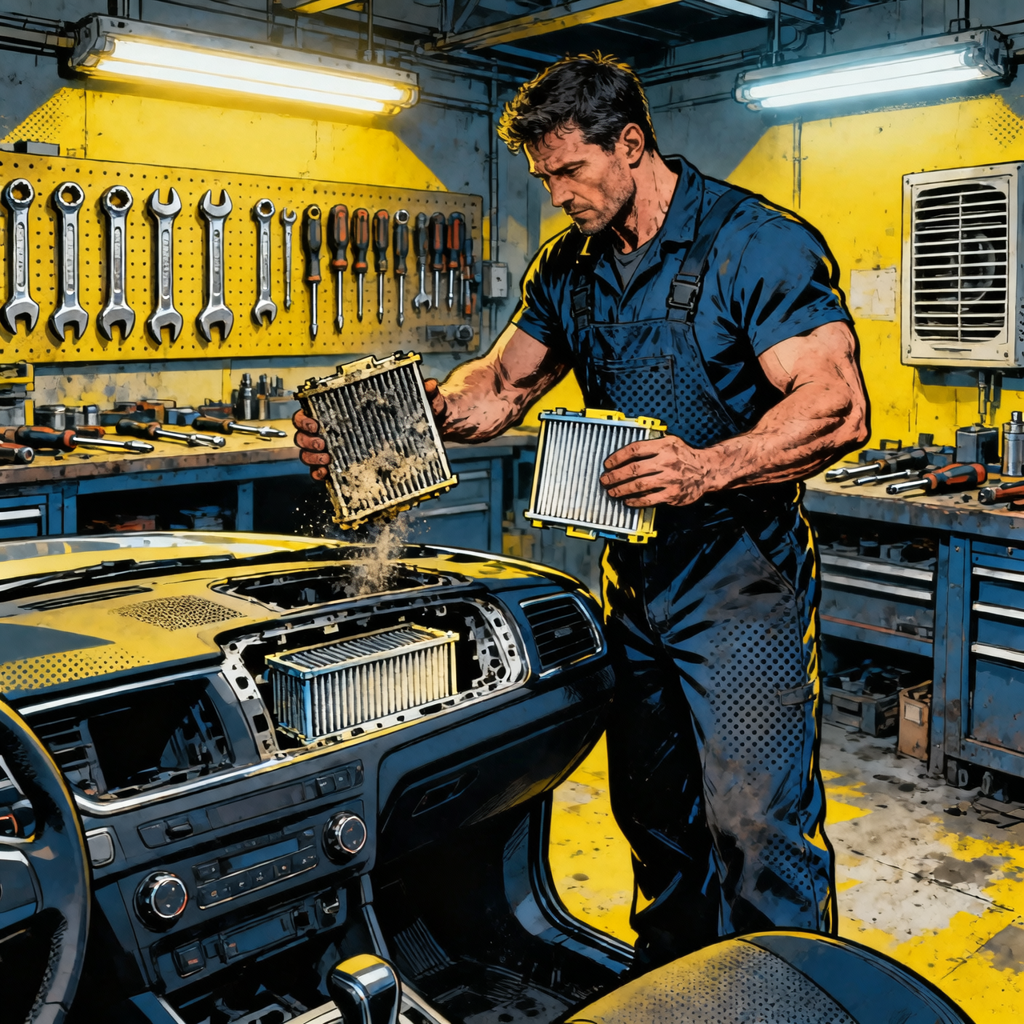
Cabin air filters play a crucial role in maintaining the air quality inside a vehicle, filtering out dust, pollen, smoke, and other pollutants from the cabin air. With the rise in service shop charges for minor maintenance tasks like replacing cabin air filters, it has become increasingly important for technicians and vehicle owners to understand how to perform these replacements themselves, ensuring both cost efficiency and effectiveness.
Identifying the Right Cabin Air Filter
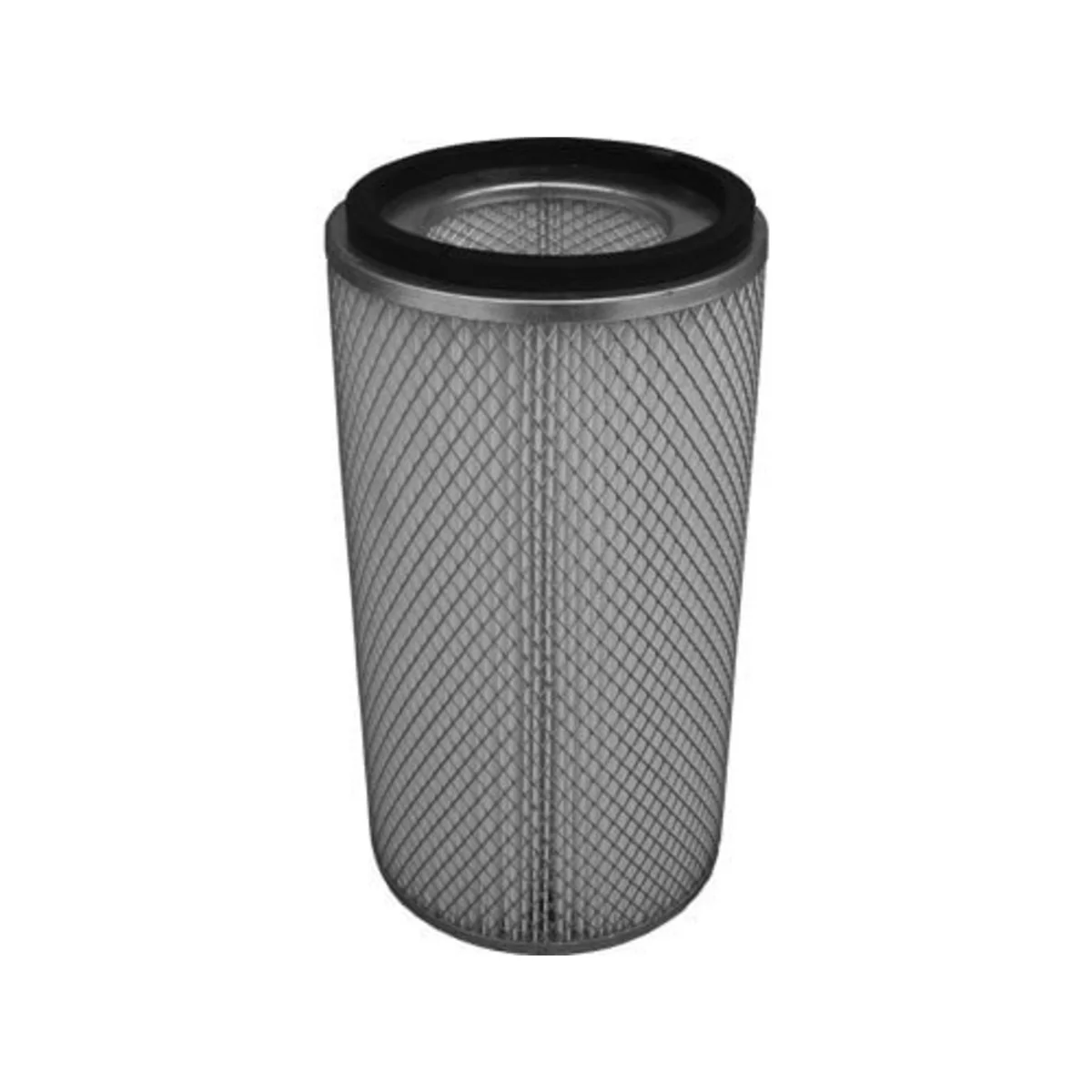
Atlas Automotive Equipment VACUUM FILTER FOR SANDBLAST CABIN
Mfg: Atlas Automotive
Part #: HTSBC420-29
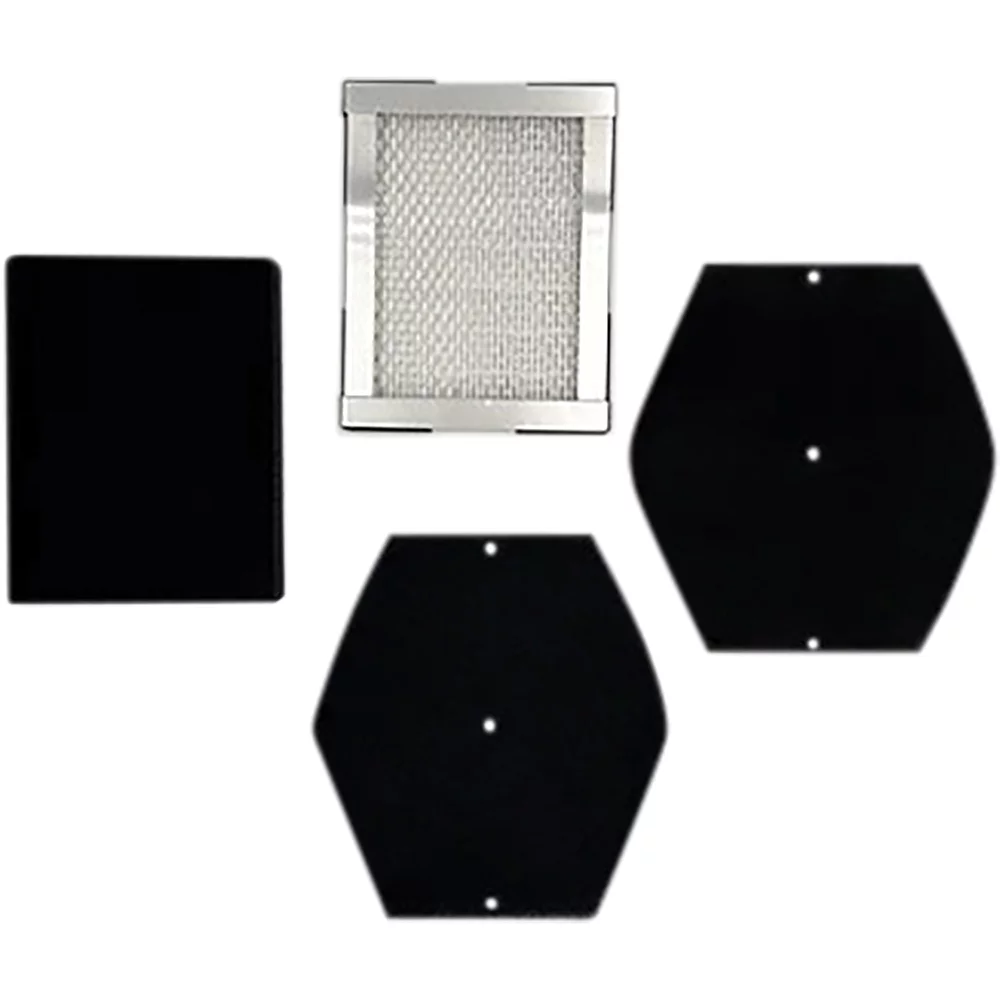

The first step in replacing a cabin air filter is to identify the correct filter for your vehicle. Cabin air filters come in various types, including pleated, charcoal-activated, and foam filters. Common brands include HEPA-rated filters that can significantly improve air quality and reduce odors. Follow these steps to find the right filter:
- Consult the owner’s manual for filter specifications.
- Check online databases or websites like Rock Auto for compatible filters.
- Visit local auto parts stores for a direct comparison.
Steps to Replace Cabin Air Filter
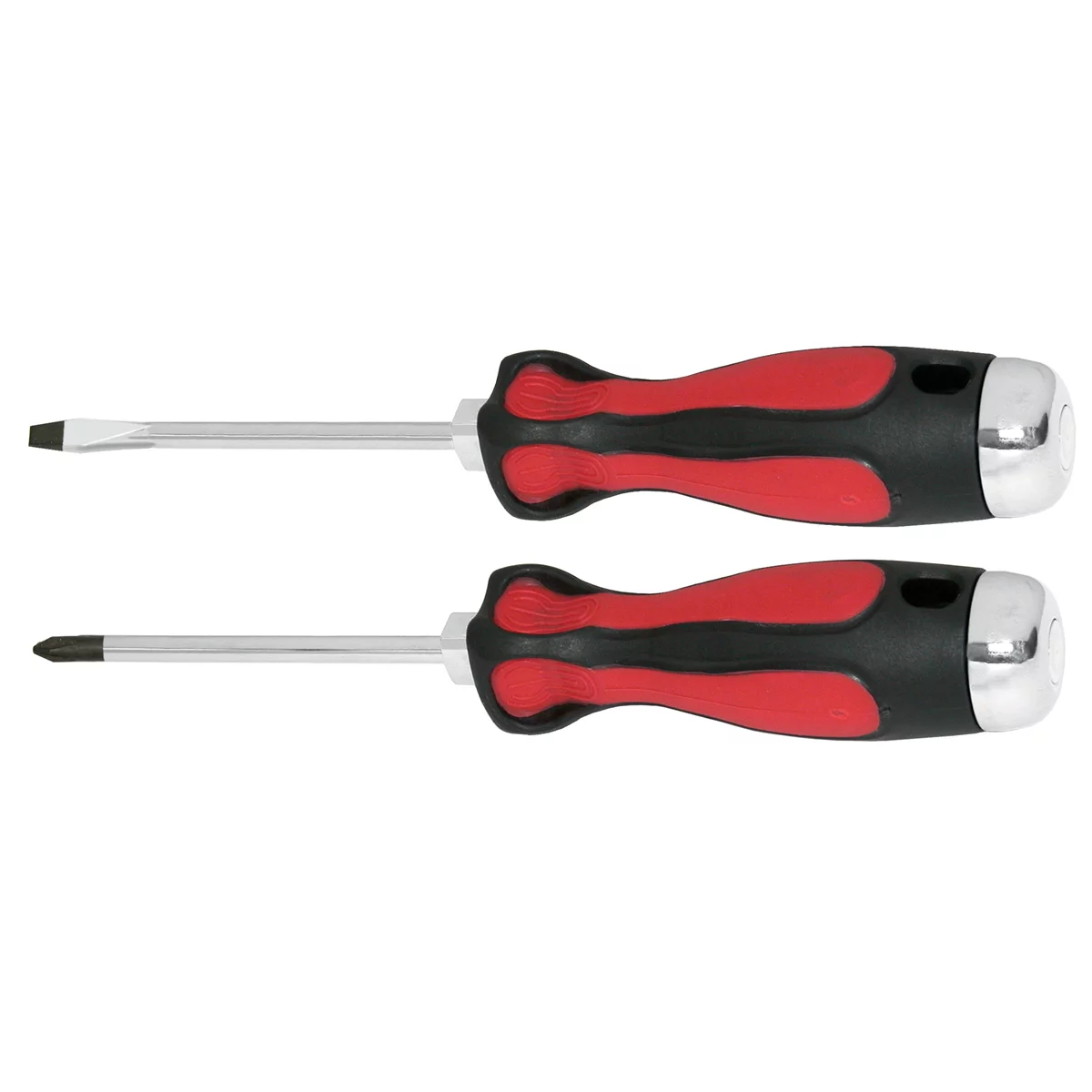

Pre-Set Torque Screwdriver - 10 - 100 In Oz Specify Torque Value
Mfg: CDI Torque Products
Part #: 61SP-SET
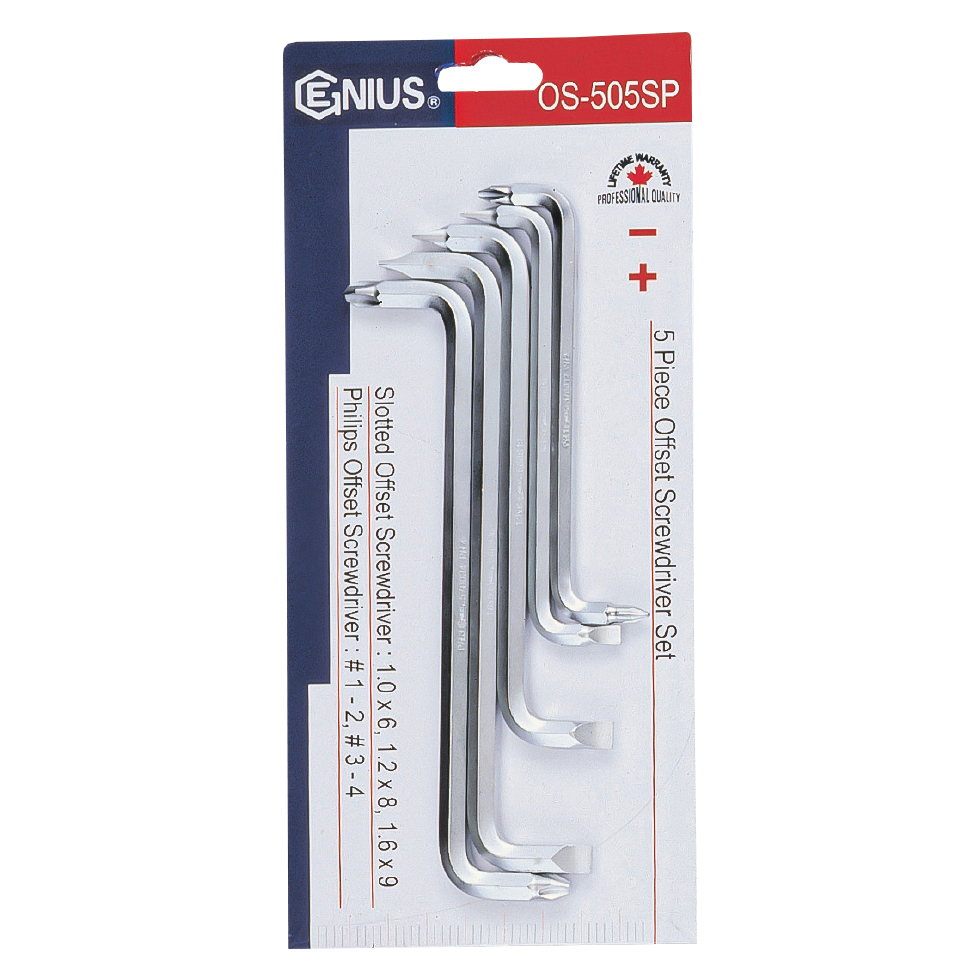
Replacing a cabin air filter is generally straightforward, although difficulty may vary between different vehicle models. Here are the practical steps to follow:
- Gather Required Tools: A basic toolkit including screwdrivers (flat and Phillips), and possibly socket wrenches for some models.
- Locate the Cabin Air Filter: Most filters are located behind the glove compartment, under the dashboard, or near the windshield wiper area. Refer to the vehicle manual for specific locations.
- Remove the Access Cover: If the filter is behind the glove box, you may need to empty it and gently lower it to expose the filter compartment. For other locations, you may need to remove screws or clips to get to the filter housing.
- Replace the Filter: Pull out the old filter, making note of its orientation. Insert the new filter in the same orientation, ensuring a snug fit.
- Reassemble Components: Reattach any covers, screws, or components you removed during the process. Ensure that everything is securely in place.
- Test the Airflow: Start the vehicle and test the HVAC system to ensure proper airflow through the new filter.
Common Issues and Troubleshooting
While replacing a cabin air filter is generally a simple task, there are some common pitfalls that technicians may encounter. Here are a few:
- Incorrect Filter Size: Always double-check the part number and specifications to avoid purchasing the wrong filter size.
- Improper Installation: Ensure the filter is installed in the correct orientation; incorrect installation can lead to reduced efficiency.
- Hard-to-Reach Locations: Some vehicles, particularly luxury or compact cars, may have cabin filters located in difficult-to-access areas. Refer to professional guides or videos if necessary.
DIY vs. Shop Replacement
Selecting whether to replace the cabin air filter yourself or have it done by a shop generally depends on the vehicle, skill level, and comfort with doing mechanical work. Here are some considerations:
- Cost Efficiency: DIY replacement can save a significant amount when comparing the cost of a filter ($20-$50) and service fees ($50+) charged by shops.
- Time Consideration: Assess the time Factor; sometimes hiring someone may save time, especially for complex vehicles.
- Quality of Filter: Ensure that the filter provided by the shop meets your standards, as some may use generic or lower-quality options.
Checklist for Cabin Air Filter Maintenance
- Check the vehicle manual for filter replacement intervals.
- Inspect the filter condition during regular maintenance.
- Keep an eye on air quality and unusual smells while driving.
- Document the replacement in your maintenance log for future reference.
FAQs
How often should I replace my cabin air filter?
It is generally recommended to replace cabin air filters every 12,000 to 15,000 miles, but this can vary based on your driving conditions and vehicle usage.
Can I clean my cabin air filter instead of replacing it?
Some filters can be cleaned, but most manufacturers recommend replacement for optimal performance. Always refer to the specific filter guidelines.
What happens if I don’t replace my cabin air filter?
Not replacing the cabin air filter can lead to reduced airflow, increased pollutants inside the car, and potential damage to the HVAC system.
Are aftermarket cabin filters as good as OEM ones?
Aftermarket filters can vary in quality. It’s essential to research brands and read reviews. Consider HEPA filters for better performance.
How do I remove the old cabin air filter?
Most filters will have a clip or a slide mechanism holding them in place. Gently pull these away, then remove the filter carefully.
Recommended Tools

For replacing cabin air filters effectively, explore our Automotive Specialty Tools that assist in various vehicle maintenance tasks.
- Basic toolkits for filter replacements.
- Specialty items for hard-to-reach areas.
- Quality brands that ensure reliability.
Essential Tools for Air Filter Maintenance
Proper cabin air filter maintenance requires the right tools and equipment. Explore our curated selection of automotive specialty tools designed to make filter replacement easier and more efficient, from filter removal tools to diagnostic equipment.
- Filter Extraction Tools: Professional-grade tools that simplify cabin filter removal without damaging surrounding components
- Air Quality Diagnostic Devices: Portable monitors to assess cabin air quality before and after filter replacement
- Filter Housing Cleaning Kits: Complete systems to clean filter housings and ventilation ducts during maintenance

The Toolsource Technical Team blends decades of real-world automotive service experience with up-to-date technical research. Our writers collaborate with professional mechanics, shop owners, and diagnostic specialists to deliver practical, workshop-ready guidance you can trust.


Follow us on social media