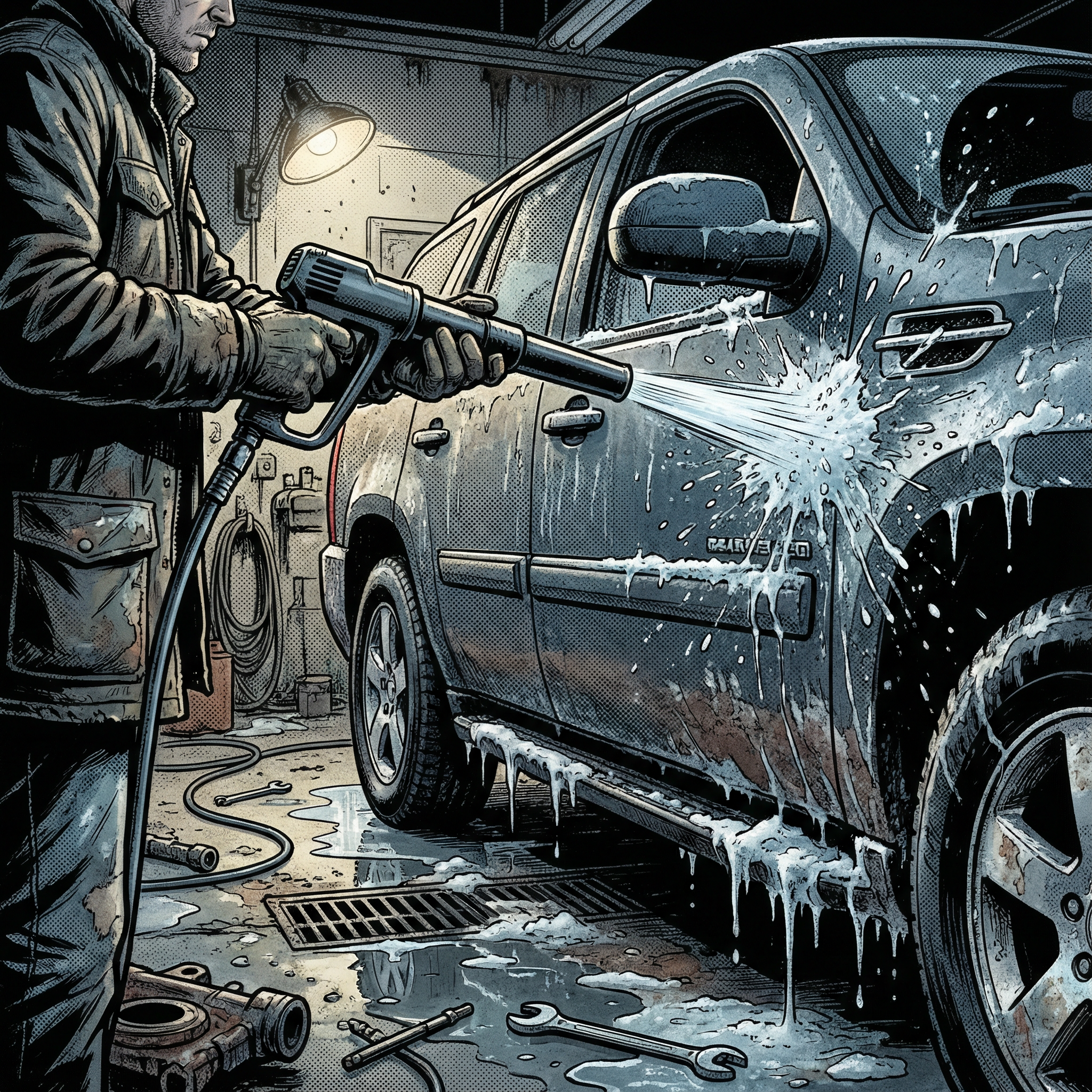
When temperatures drop, road salt, brine, and grime load up fast. Hand washing outside becomes impractical or unsafe, and many metro drivers rely on touchless tunnels to stay ahead of corrosion and contamination. This guide condenses best practices into a technician-level workflow: how to choose a good touchless facility, how to prep and dry for minimal marring and spotting, how to supplement with a rinseless (ONR-style) wash in a garage, and how to prioritize undercarriage care. Use these steps to keep vehicles presentable and protected until warmer weather allows a full hand detail.
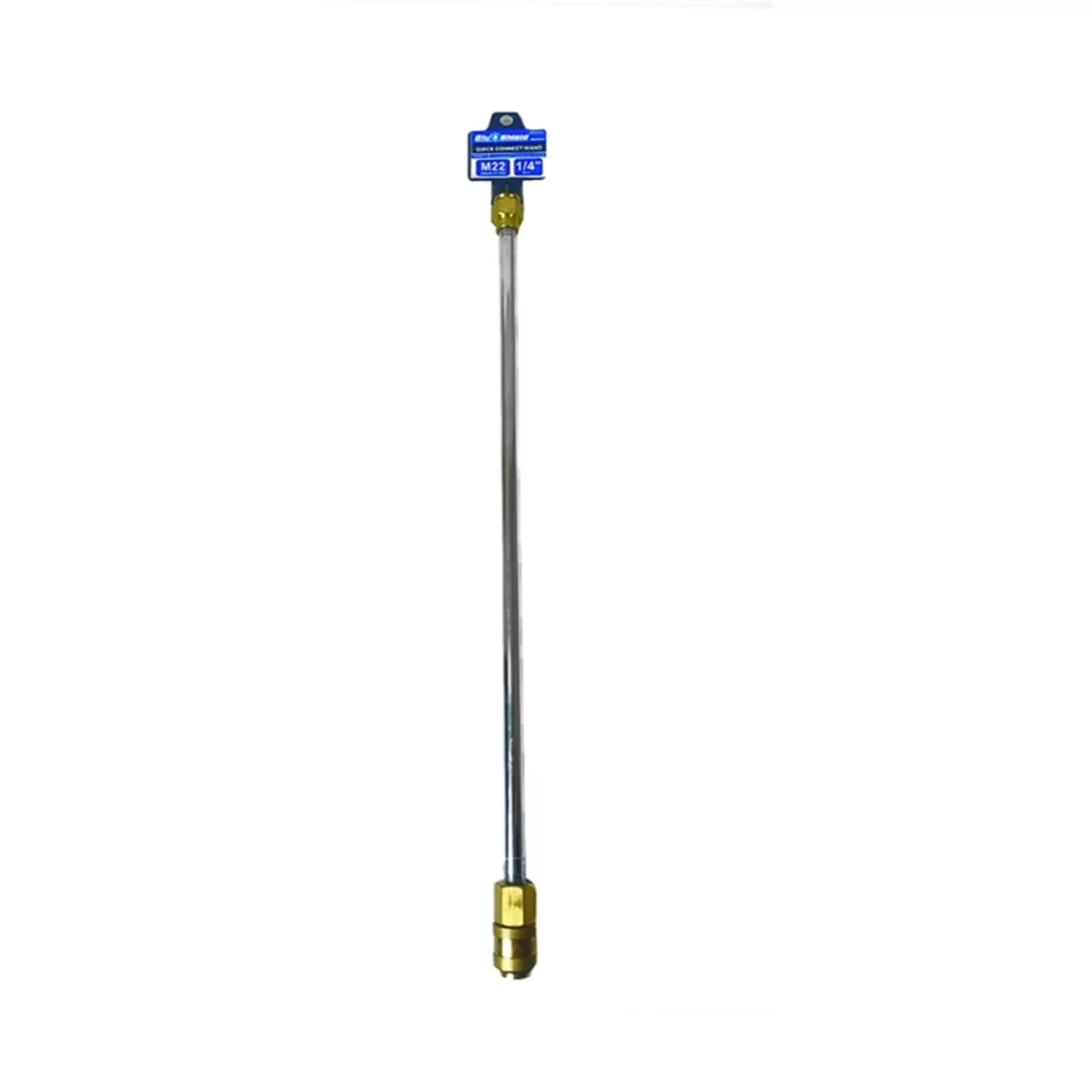
BluBird Blushield 4000 PSI Pressure Washer Wand with Easy-Lock M
Mfg: blubird
Part #: PWL004
Flexzilla 1/4"x25' Pressure Washer Hose w/ M22ftgs
Mfg: Legacy Manufacturing
Part #: HFZPW3425M


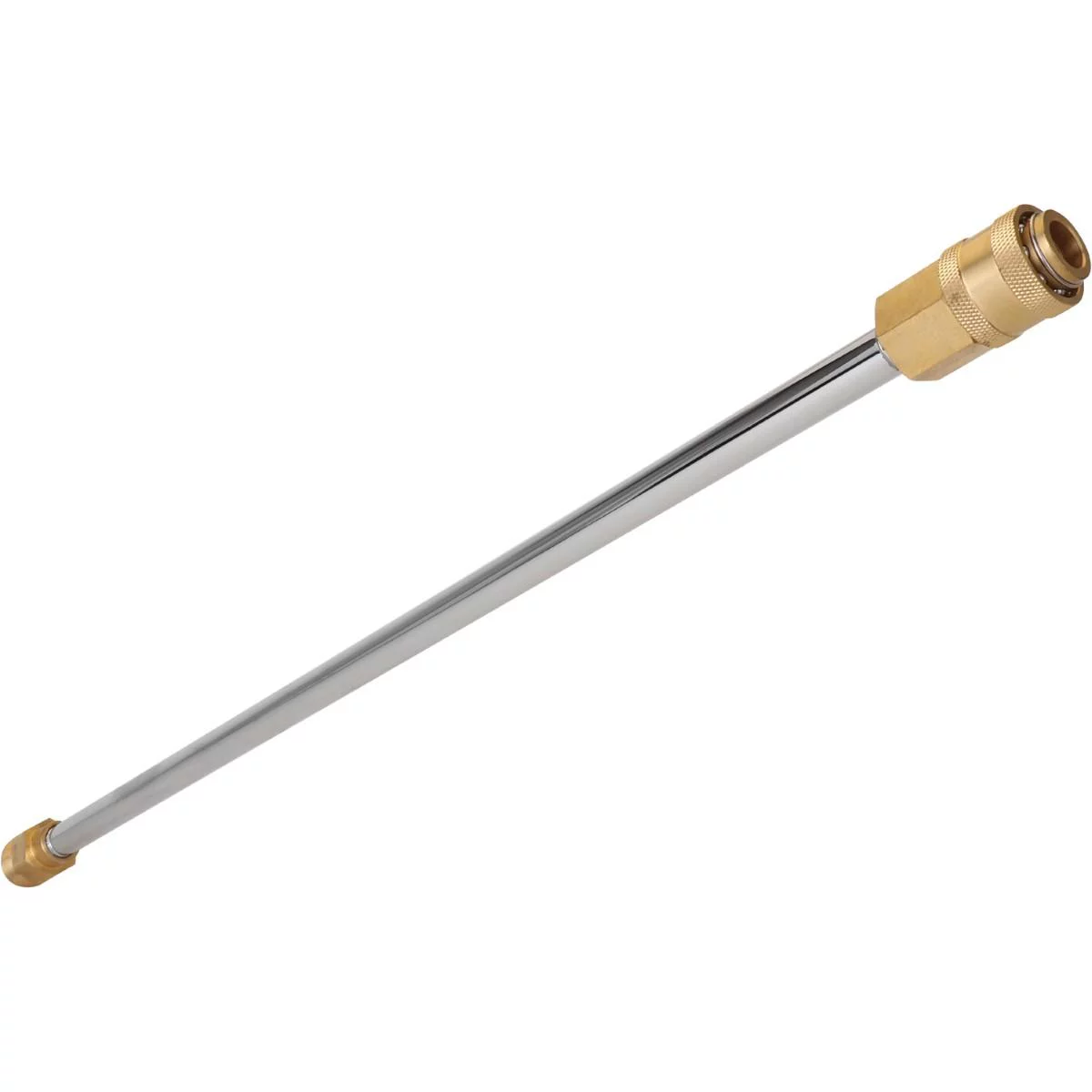
4,000 PSI Easy-Lock Metric Quick-Disconnect Replacement Pres
Mfg: Milton Industries
Part #: PWL4

When a Touchless Wash Is the Right Tool
Touchless is a practical, low-contact option in several scenarios:
- Consistent sub-freezing weather where outdoor hand washing is unsafe or restricted.
- Road salt and brine are heavy, and a quick undercarriage rinse is essential.
- Urban or HOA constraints where access to a heated bay, water, and drainage is limited.
- Limited time or mobility (e.g., difficulty reaching roof centers or tall vehicles).
Trade-offs you should plan around:
- Detergent strength: Touchless sites often run stronger alkaline and/or two-step (acid then alkaline) chemistries to compensate for lack of brushes. These can shorten the life of waxes and weaker sealants.
- Drying quality: Automated air knives can leave residual droplets, which may spot or freeze quickly in very cold air.
- Cleaning limits: Film from traffic grime may remain if the vehicle lacks a robust hydrophobic layer.
Mitigate with protection and process: keep a durable sealant or ceramic coating on the paint, use a quick pre-spray before the tunnel when the car is heavily soiled, and prioritize proper drying and seal care after the wash.
How to Vet a Quality Touchless Facility
Not all touchless tunnels are equal. Use this checklist to evaluate performance and risk:
- Water quality: Confirm a true spot-free final rinse (reverse osmosis or deionized). If the site posts TDS, look for <20 ppm on the spot-free stage. Softened water on wash stages improves detergent efficiency.
- Undercarriage spray: Seek an underbody rinse of at least 20–30 seconds with adequate pressure and coverage. You should feel a distinct pulse through the floorpan.
- Heated operation: In cold regions, bays and plumbing should be heated. Look for minimal ice in the approach and exit areas and operational doors or air curtains.
- Two-step pre-soak: Many of the better touchless sites use an acidic pre-soak followed by an alkaline wash to break mineral deposits and traffic film. Ask the operator or watch for signage.
- Air drying capacity: A robust blower array with multiple angles helps minimize residual water, especially on mirrors, trim, and hatch seams.
- Maintenance and throughput: Newer or well-maintained sites typically deliver better consistency. Clean floors, working lights, and clear instructions tend to correlate with better results.
- Optional self-serve bays nearby: If available, you can pre-rinse heavy slush or icicles before the touchless cycle to reduce chemical load and improve outcomes.
Field check after your first cycle: inspect for salt streaks on lower doors, rocker panels, and rear hatch. If salt remains in those areas or under the lip of the trunk/hatch, try a higher-tier cycle with longer dwell or choose another site.
Step-by-Step: Maximize a Touchless Wash in Freezing Weather
- Inspect and de-ice contact points: Knock loose heavy snow and ice from wheel wells, mud flaps, and the rear bumper. Verify wipers are off. If mirrors or door handles are ice-bound, de-ice them so they don’t trap water and re-freeze.
- Optional pre-spray at home or on-site: For severe build-up, apply a pre-wash using a pump sprayer with a dedicated traffic film remover or a rinseless solution mixed as a pre-soak. Target lower panels, rocker areas, wheel faces, and rear hatch where salt accumulates. Let it dwell for 2–3 minutes; do not allow it to dry.
- Choose the top-tier touchless cycle: Ensure it includes undercarriage rinse, two-step pre-soak (if offered), high-pressure rinse, and spot-free final rinse. The longer dwell time is worth the extra cost in winter.
- Positioning matters: Align wheels carefully to keep automated nozzles at optimal distance. If the site uses gantry-style equipment, stop precisely where indicated to ensure complete coverage.
- Cycle discipline: Avoid shifting into neutral until instructed and keep brake lights off if the system requires roller movement. Maintain a gap to prevent overspray from the car ahead contaminating your final rinse.
- Exit and immediate blow-dry: As soon as you clear the blower array, pull to a safe area out of traffic. Use a compact blower or vehicle dryer to chase water out of mirrors, emblems, window trim, fuel doors, and taillight seams. In sub-20°F conditions, prioritize door seals, locks, and the gas cap area to prevent freezing.
- Spot control with a drying aid: If temperatures allow without immediate re-freeze, lightly mist a drying aid or spray sealant onto a plush, high-GSM microfiber towel and gently pick up remaining droplets panel by panel. Minimize contact on heavily contaminated panels; the touchless cycle should have removed grit, but exercise caution.
- Seal care and locks: Wipe door jambs and rubber seals. Apply a silicone-based rubber conditioner periodically to door and trunk seals. If freezing is likely, a quick pass with the blower along the seals helps, and a dry lube or de-icer for locks reduces freeze risk.
- Post-wash inspection: Look for residual salt on rocker panels and the rear. If present, consider a brief self-serve pressure rinse, or supplement with a rinseless wipe-down once home in a heated space.
Temperature guidance: Below roughly 20°F (-6°C), water can freeze on contact with the body and in latches. It’s still possible to wash, but accelerate the exit, use a blower immediately, and park in a heated garage if available to finish drying.
ONR/Rinseless Maintenance Between Touchless Visits (Garage Method)
Rinseless wash products are effective for interim cleaning when outdoor washing is not feasible. They suspend dirt and reduce friction while requiring minimal water and no hose. Use them to maintain gloss and reduce salt load between touchless cycles.
- Setup and safety: Work in a garage above freezing with good lighting. Lay absorbent mats to control drips. Use warm (not hot) water to maintain solution performance in the cold.
- Mix and media: Prepare a bucket per product directions (commonly 1–2 oz per 2–3 gallons). Pre-mix a spray bottle for panel pre-soak. Stage multiple clean, plush microfiber towels or a dedicated rinseless sponge. Avoid reintroducing grit; swap towels frequently.
- Pre-soak critical areas: Mist the lower 1/3 of the vehicle, the rear hatch, and behind wheels. Allow a short dwell without drying. If heavy salt is present, do a light first pass with the towel folded into multiple clean faces, then discard or isolate that towel.
- Panel order and technique: Work top to bottom, one panel at a time. Light pressure, straight lines. Flip to a clean section of towel with each pass. Follow each panel with a dry towel and a light drying aid if desired.
- Wheels and wells: Use a separate bucket and tools for wheels. If contamination is heavy, postpone wheels until a warmer day or a self-serve pressure rinse to avoid grinding abrasive grit into faces.
- Long-reach aids: For tall roofs or when mobility is limited, use a soft, long-reach microfiber mop head on a telescoping pole. Keep the head clean; swap covers as they load with grime.
- Finish and protection: After the body is clean and dry, apply a spray sealant or detailer to re-strengthen hydrophobics. In winter, monthly reinforcement keeps touchless cycles more effective.
Protective Coatings, Drying, and Spot Prevention on Dark Paint
Protection is the multiplier that makes touchless practical. Hydrophobic surfaces shed film more readily, so detergents don’t need to work as hard.
- Wax vs sealant vs ceramic: Traditional waxes may wash off faster under strong detergents. Modern polymer sealants and true ceramic coatings resist alkaline/acid sequences better and hold hydrophobics through winter.
- Maintenance intervals: In winter, top up spray sealants every 3–6 weeks or after 3–4 touchless cycles. For coated vehicles, a silica-based topper quarterly is usually sufficient.
- Drying hierarchy: Blow-dry first to remove the majority of water without contact. Follow with a high-pile drying towel misted with a drying aid for the last 10–20% of droplets. Target drip points (mirrors, badges, trim ends) to prevent streaking on dark paint.
- Spot prevention: Spot-free final rinse is key, but in very low humidity and sub-freezing conditions, droplets can flash-freeze and leave mineral traces later. Park in a warmer space to allow controlled drying, or blow-dry thoroughly before exposure to wind chill.
- Glass care: Apply a modern glass sealant to improve wiper performance and reduce adherence of salt mist. It also speeds blow-drying of the windshield and mirrors.
Undercarriage: Salt Removal Strategy
Chloride salts and liquid brines attack seams, exposed metal, and fasteners. Regular underbody rinsing is not cosmetic—it’s preventative maintenance.
- Frequency: In active salting periods, aim for an undercarriage rinse every 1–2 weeks or after any major storm cycle.
- At the tunnel: Choose a cycle with a timed underbody blast. If the tunnel allows stopping over the undercarriage jets, pause as instructed to maximize coverage.
- Self-serve and at-home options: Use an undercarriage wand or a 90° fan-tip on a pressure washer. Start at the front and work aft, focusing on rocker seams, pinch welds, lower control arms, subframes, and the rear cradle. Avoid directing high pressure into wheel bearings or rubber boots.
- Salt neutralizers: If the vehicle is heavily exposed, consider a dedicated salt remover compatible with painted and metal surfaces. Apply per product dwell guidance, then rinse thoroughly.
- Post-rinse drive: A short drive helps sling trapped water from brakes and cavities. Expect light flash rust on rotors; it clears after normal braking.
Quick Winter Touchless Routine Checklist
- Pick a touchless site with undercarriage and spot-free rinse.
- Pre-spray the lower body if salt is heavy.
- Select the longest pre-soak/dwell cycle.
- Blow-dry mirrors, trim, seals, and emblems immediately after.
- Wipe seals and apply silicone conditioner periodically.
- Top up spray sealant monthly to maintain hydrophobics.
FAQs
Will a touchless wash strip my wax or coating?
Strong alkaline and two-step systems can shorten the life of traditional waxes. Modern polymer sealants and ceramic coatings tolerate these chemistries far better. Plan on reapplying a spray sealant every few weeks in winter, even on coated vehicles.
How often should I use touchless in winter?
Every 1–3 weeks depending on salt load, commute length, and weather. Increase frequency after heavy salting events. Always include an undercarriage rinse when salt is on the road.
Are hand car washes safer for the finish?
It depends on their process and mitt/towel hygiene. Inconsistent tools or dirty wash media can cause marring. A well-managed touchless site plus careful blow-drying can be safer than a poorly run hand wash. Vet any hand wash for fresh media use, two-bucket method, and clean drying towels.
What’s the best way to dry in sub-freezing temperatures?
Use a blower first, focusing on trim, mirrors, and seals. If air temperatures are extremely low, prioritize water egress points and move the vehicle to a warmer space for final towel drying. Avoid flooding door jambs that can trap water and freeze.
Do I still need to wash the wheels and wheel wells?
Yes. Wheels and wells collect corrosive residue. In freezing weather, prioritize a pressure rinse (touchless or self-serve). If you perform a rinseless on wheels, use dedicated tools and towels and avoid cross-contamination with paint.
Can I safely wash at or below 10°F (-12°C)?
It’s possible, but plan for accelerated drying and freeze mitigation. Use a heated facility, minimize exposure time when doors are open, blow-dry seals and locks immediately, and complete any final drying in a heated garage if available.
Shop Vehicle Dryers & Blowers
Finishing a touchless wash in winter is easier with professional blowers to push water out of mirrors, trim, and seals and reduce spotting and freeze-ups.
- Handheld and wall-mount units for garage or mobile use.
- Focused nozzles and hose options for mirrors, badges, and door jambs.
- Airflow choices to dry dark paint with minimal contact.

The Toolsource Technical Team blends decades of real-world automotive service experience with up-to-date technical research. Our writers collaborate with professional mechanics, shop owners, and diagnostic specialists to deliver practical, workshop-ready guidance you can trust.


Follow us on social media