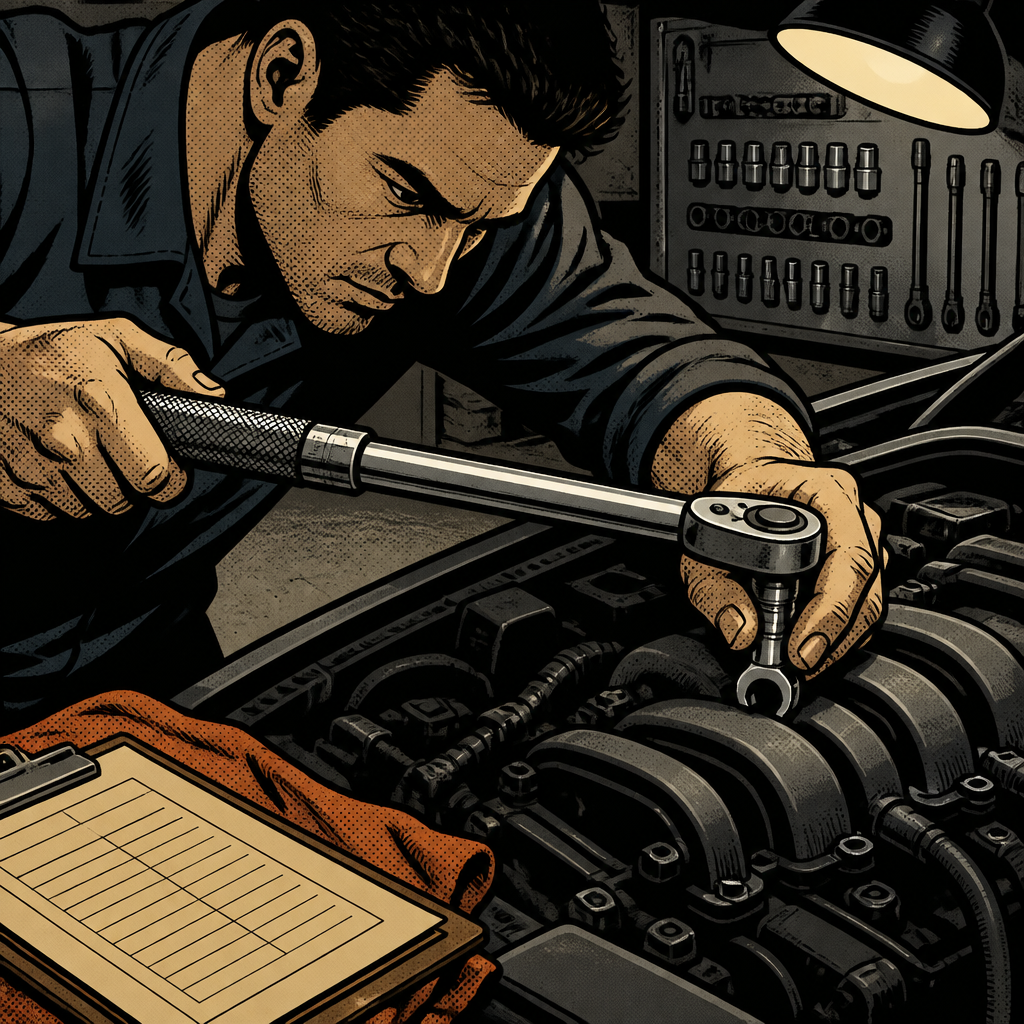
A recent thread where mechanics compared notes on their day-to-day work turned up a wider range of backgrounds than you’d expect under one label — panel beaters, fleet techs, quarry and mine equipment mechanics, Navy nuclear operators, Army unit-level maintenance, even a roller coaster mechanic and a race car builder. The job titles differ, but the underlying disciplines — torque verification, tool accountability, shop organization, and field-expedient repair — show up in every one of them. Below are the practical takeaways a civilian shop can put to use, drawn from how these more regimented environments (military, fleet, and race) handle the basics that general repair shops sometimes let slide.
The Trade Is Bigger Than One Job Description
One theme that came up repeatedly: “mechanic” covers a huge range of environments, and the fundamentals transfer across all of them even when the equipment doesn’t. A panel beater straightening body panels is solving the same category of problem as a diesel fitter servicing underground mine equipment — different tools, different surroundings, same core discipline of diagnosing, correcting, and verifying the fix. This matters practically because techs who cross-train or pick up habits from adjacent trades (race shops, fleet maintenance, military maintenance bays) tend to bring back better documentation and verification habits than techs who’ve only ever worked one type of shop.
If you supervise a shop or train apprentices, it’s worth exposing new techs to how other trades handle the same jobs — a fleet or commercial shop’s PM scheduling, a race shop’s obsession with fastener torque, or a dealership’s diagnostic sequencing. The variety builds better instincts than repetition on one vehicle type alone.
Torque Verification: What to Do When a Torque Wrench Won’t Fit
A Navy nuclear mechanical operator described a technique used when a torque wrench physically couldn’t reach a fastener: torquing a comparable fastener on a mockup or spare component with a calibrated wrench first to build a hand-feel reference, then applying that “calibrated arm” by hand and documenting it in the QA paperwork. That’s an extreme case built for a controlled, heavily inspected environment — it is not a substitute for a torque wrench in a civilian shop, and it shouldn’t be treated as a shortcut. The lesson worth keeping is the documentation and verification mindset behind it, not the hand-torque method itself.
In a general repair or fleet bay, the equivalent good practice looks like this:
- Keep a range of torque wrenches (click-type and beam, plus a low-range inch-pound wrench) so you’re never tempted to guess on a fastener that’s out of range for the tool on hand.
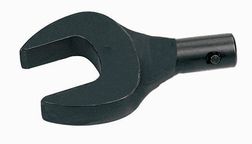
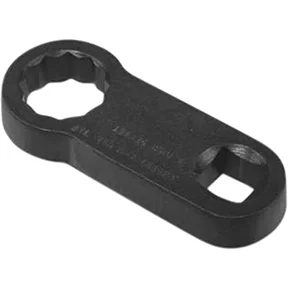
- Use crowfoot, flex-head, or angled adapters to get a calibrated tool into tight clearances instead of switching to a fixed wrench and eyeballing it — and remember that a crowfoot adapter used 90° off the handle changes the effective torque, so account for it or avoid the offset.
- Log torque values on critical fasteners (suspension, steering, wheel-end, engine mounts) on the repair order, not just in your head. If a comeback happens, that record is what tells you whether the fastener was ever correctly torqued.
- Recalibrate torque wrenches on a schedule and after any drop — a wrench that’s drifted out of spec is worse than no torque wrench, because it gives false confidence.
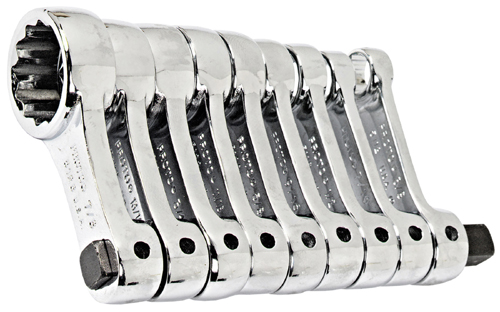
3/8" 9-Piece TORQUEPLUS Torque Adapter Set - 12 Point
Mfg: Stanley Proto Industrial Tools
Part #: J5100
Tool Accountability: Preventing Lost Tools and FOD
Military maintenance culture treats a missing tool as a serious event — a wrench left inside a piece of equipment isn’t just a lost tool, it’s a potential failure waiting to happen. That standard sounds extreme for a general repair shop, but the underlying practice — knowing exactly where every tool is at the end of a job — prevents two very real problems: comebacks caused by tools left in engine bays or under hoods, and the slow bleed of tool inventory that eats into a shop’s tool budget every year.
A practical version for a civilian shop:
- Use foam-cutout or shadow-board tool organization so a missing tool is visible at a glance instead of discovered three jobs later.
- Do a tool check before closing the hood or reassembling a panel, especially on jobs where small tools (extensions, sockets, inspection mirrors) get set down inside the engine bay.
- For techs working from a personal box, a quick end-of-shift count against a known baseline catches shrinkage before it becomes a pattern.
- On field or mobile jobs, tools are far easier to lose in grass, gravel, or under a vehicle — a bright-colored tray or mat under the work area makes stray tools obvious before you drive off.
Shop Organization and Cleanliness Standards
Several commenters contrasted spotless, heavily inspected maintenance bays against shops that were functional but chaotic — and noted the difference usually tracked with how often the bay got inspected or how much downtime the crew had between jobs. The practical point isn’t that every shop needs military-grade housekeeping; it’s that organization level should match the risk and inspection frequency of the work. A bay doing safety-critical fleet or commercial vehicle work benefits from stricter organization than a low-volume backyard operation, simply because the cost of a mistake (or an audit) is higher.
Basics that scale to any size shop:
- Keep a clear floor around lifts and jack stands — dropped tools and hoses are a slip and trip hazard, and they slow down the next job.
- Separate clean and dirty tool storage where fluids or abrasives are involved, so contamination doesn’t travel from a brake job to a fuel system job.
- Do a weekly walkthrough focused on hazard signage, fire extinguisher access, and bench organization — not a full inspection, just enough to catch drift before it becomes a habit.
- Rotate who’s responsible for shop-wide cleanup so it doesn’t fall permanently on the newest tech.
Building a Field-Service or Mobile Repair Kit
One commenter described a field-service setup built around a support vehicle: a small commercial generator, a portable air compressor, air-actuated jack bottles, and a fiberglass topper with organized side storage. That’s a solid template for any shop that runs road calls, agricultural service, or mobile fleet repair. The core idea is redundancy and self-sufficiency — assume you won’t have shop power, shop air, or a lift, and build the kit so a tech isn’t stuck waiting on a tow just because a job needed 120V or 90 PSI.
A field kit worth standardizing across trucks:
- A generator sized for your most power-hungry field tool (impact charger, work light, inspection camera), not just the average job.
- A compact air compressor plus a couple of air bottle jacks for lifting on uneven or unpaved ground where a standard floor jack is unsafe.
- Weatherproof, labeled storage so a tech can find the right socket or connector without unpacking the whole truck in the rain.
- A stocked consumables bin (fasteners, hose clamps, electrical connectors) sized to the vehicle types you actually service, restocked after every call rather than at the end of the week.
Sourcing Parts Under Time Pressure
In supply-constrained environments, techs described pulling usable parts from decommissioned or scrapped equipment rather than waiting on a slow parts order — with proper paperwork to track what came from where. Civilian shops have a legitimate version of this in salvage yards and parts-out vehicles: for older fleet units or vehicles past economical repair, pulling a known-good used part can get a customer or asset back in service faster than a backordered new part, as long as the part is inspected and the transaction is documented for warranty and liability purposes.
Quick Reference Checklist
- Torque wrenches covered across your full range, with adapters for tight clearances — never substitute a fixed wrench and a guess.
- Critical fastener torque values logged on the repair order.
- Shadow-board or foam tool organization with an end-of-job tool check.
- Weekly shop walkthrough for hazards, clutter, and contamination control.
- Field kit stocked with power, air, and lifting redundancy for jobs away from the shop.
- Salvage/used-parts sourcing documented for traceability when time-critical.

Frequently Asked Questions
Is it ever acceptable to torque a fastener by hand feel instead of using a torque wrench?
Not in a general repair shop. The “calibrated arm” technique described by military mechanics is used inside a heavily controlled, inspected environment with documented QA sign-off, not as a general shortcut. Civilian shops should use a torque wrench or adapter that reaches the fastener, or refer the job to a setup that can.
How often should shop torque wrenches be recalibrated?
A common baseline is annually or every 5,000 uses, whichever comes first, plus immediate recalibration after any drop or suspected overload. Keep a calibration log per tool so you can show a wrench was in spec at the time of a given job if it’s ever questioned.
What’s the simplest way to reduce lost tools in a busy shop?
Shadow boards or foam-cutout tool trays are the highest-value, lowest-effort fix — a missing tool is visually obvious instead of discovered days later. Pair that with a tool check before closing panels or hoods on any job where small tools get set down inside the vehicle.
Do crowfoot or adapter attachments affect torque wrench accuracy?
Yes, if the adapter changes the effective length of the wrench (typically when it’s used at a 90-degree offset to the handle). In-line adapters don’t change the reading, but offset adapters require a corrected torque setting — check the wrench manufacturer’s formula or table before using one on a critical fastener.
What should a basic mobile or field-service kit include at minimum?
At minimum: a portable air compressor, jack stands or air-bottle jacks rated for uneven ground, a generator sized to your largest field tool, and weatherproof organized storage for sockets, connectors, and consumables. Build around self-sufficiency — assume no shop power or shop air will be available.
Is buying used or salvaged parts a reliable option for time-critical repairs?
It can be, provided the part is inspected before installation and the source and condition are documented on the repair order. This matters most for structural, safety, or emissions-related components, where traceability and inspection standards should be higher than for cosmetic or low-risk parts.
Recommended Torque Equipment
The article emphasizes that proper torque verification prevents costly comebacks and ensures safety-critical fasteners are set correctly. Stock your shop with a range of Torque Wrenches covering your full range of fastener sizes and applications.
- Click-type and beam torque wrenches for precision fastening across common torque ranges.
- Low-range inch-pound wrenches for delicate or small fasteners where general torque wrenches lack sensitivity.
- Adapters and extensions (crowfoot, flex-head) to reach fasteners in tight clearances without compromising accuracy.

The Toolsource Technical Team blends decades of real-world automotive service experience with up-to-date technical research. Our writers collaborate with professional mechanics, shop owners, and diagnostic specialists to deliver practical, workshop-ready guidance you can trust.


Follow us on social media