Three-wheel vehicle conversions have gained attention as a regulatory workaround that allows certain cars to be reclassified as motorcycles or tricycles. These modifications, popular in several European countries and occasionally seen elsewhere, involve narrowing the rear track width to meet specific legal thresholds. While these conversions serve legitimate purposes—allowing younger drivers access to enclosed vehicles or reducing registration costs—they introduce significant technical and safety considerations. As a technician, understanding the mechanics, legal requirements, and handling characteristics of these vehicles is essential whether you’re inspecting, maintaining, or advising customers about three-wheel conversions.
Understanding Three-Wheel Vehicle Classification Requirements
The core principle behind three-wheel conversions centers on track width regulations. In many jurisdictions, a vehicle is classified as a tricycle or motorcycle if the rear wheels are positioned close enough together to effectively function as a single wheel from a regulatory standpoint. The typical threshold is a rear track width of less than one meter (approximately 39 inches), though specific measurements vary by jurisdiction.
The most common platform for these conversions is the Fiat 500, which becomes known as an “Ellenator” in Germany when converted. However, technicians have reported seeing conversions performed on BMW 3 Series, Volvo sedans, Ford Ka models, and even larger vehicles like Porsche Cayennes in countries with A-traktor regulations. The conversion reclassifies the vehicle as an L5e motor tricycle in European markets, which carries different licensing, insurance, and taxation requirements than standard automobiles.
Key regulatory considerations include:
- Maximum power output restrictions (typically 15 kW or approximately 20 horsepower)
- Speed limitations (commonly 45-90 km/h depending on specific classification)
- Mandatory vehicle inspections (TÜV in Germany) to certify the conversion meets safety standards
- Minimum speed requirements for certain roadways (vehicles limited to 45 km/h cannot use autobahns where 60 km/h minimums apply)
- Weight restrictions that may limit which base vehicles qualify for conversion
From a technical standpoint, the vehicle maintains four physical wheels but achieves tricycle classification through narrow rear track geometry. This is fundamentally different from purpose-built three-wheelers like the Reliant Robin, which have a single front wheel and significantly different handling dynamics.
Suspension and Chassis Modification Techniques
The primary technical challenge in three-wheel conversions involves modifying the rear suspension and chassis to bring the wheels within the required track width while maintaining structural integrity and some degree of stability. Several approaches exist, each with distinct advantages and complications.
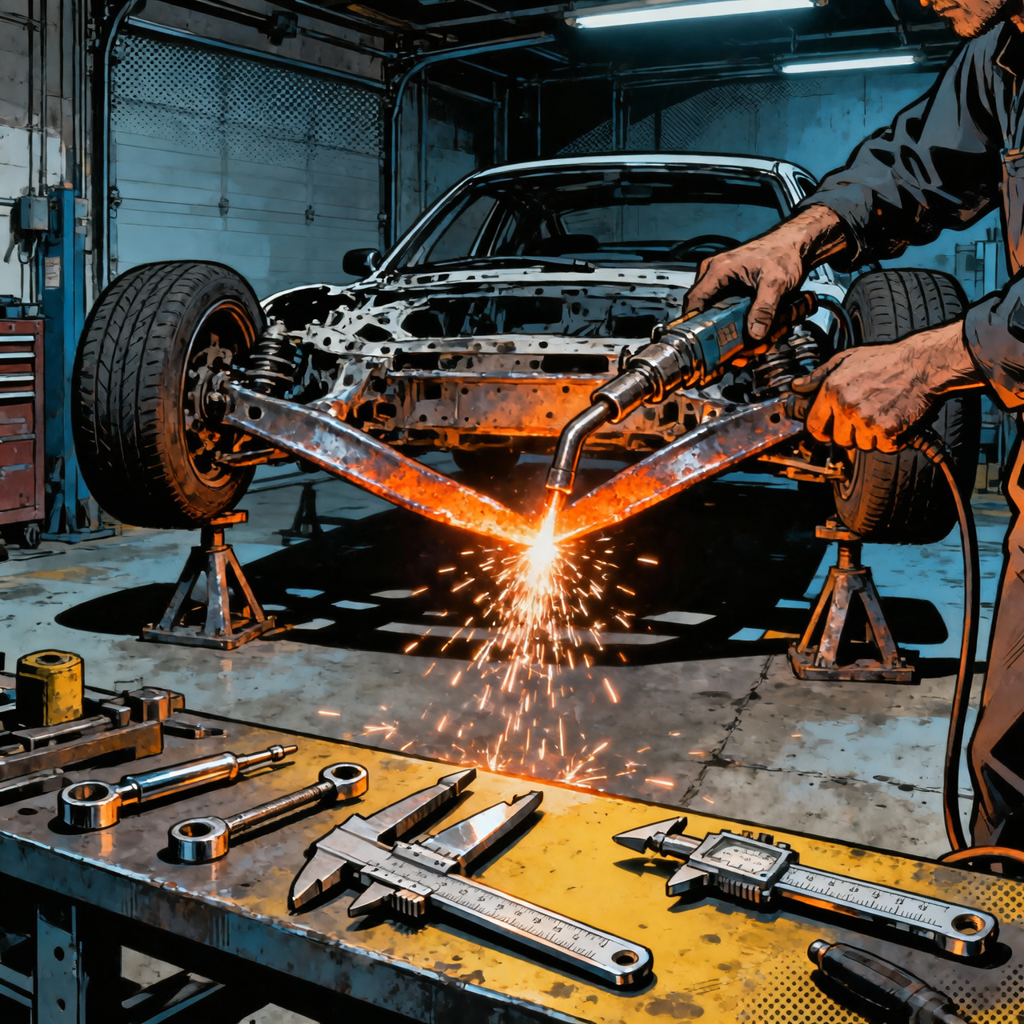
The most straightforward method involves fabricating or sourcing narrower rear suspension arms. Some conversions utilize L-shaped swing arm style rear suspension, where the arms can theoretically be swapped side-to-side and the floor pan modified to accommodate the new geometry. This approach has precedent in vehicles like the Citroën 2CV, where single-arm rear suspension conversions were performed. However, this method requires extensive welding, structural reinforcement, and careful engineering to prevent catastrophic failure.
Alternative approaches include:
- Custom fabrication of entirely new suspension mounting points positioned closer to the vehicle centerline
- Modification of existing subframes with reinforced brackets that relocate suspension pickup points
- Installation of purpose-built conversion kits (available in some markets) that include all necessary suspension components, mounting hardware, and structural reinforcements
- Floor pan modifications to accommodate the narrowed track, often requiring sheet metal work and reinforcement welding
Critical safety considerations during suspension modification include ensuring adequate strength in all welded joints, maintaining proper suspension geometry to prevent excessive camber or toe changes, and verifying that brake lines, fuel lines, and electrical components are properly rerouted and secured. Any modification that affects structural members must be engineered to handle the same load cases as the original design—a particular challenge given that concentrating rear loads on a narrower track increases stress on mounting points.
Technicians should also verify that differential and driveshaft modifications (if required) maintain proper alignment and that CV joints or universal joints operate within their designed angular limits. Some conversions may require custom driveshafts or modifications to the rear axle assembly depending on the original vehicle architecture.
Power and Speed Restriction Systems
Meeting legal classification requirements typically demands limiting vehicle power output and maximum speed. These restrictions serve dual purposes: regulatory compliance and partially mitigating the increased rollover risk inherent in narrow-track vehicles. Several technical approaches accomplish these limitations, each with specific implementation considerations.
Electronic engine management modification represents the most common modern approach. This involves reprogramming the engine control unit (ECU) to limit throttle response, fuel delivery, ignition timing, or boost pressure (in turbocharged applications) to cap power output at the required threshold. Quality conversions include tamper-evident seals or locked ECU programming that prevents modification without specialized equipment. When inspecting these systems, verify that:
- ECU programming includes hard limits rather than simply adjusted calibration tables that could be easily modified
- Diagnostic trouble codes don’t indicate attempts to bypass or modify restrictions
- Throttle position sensor outputs align with actual throttle plate position to prevent over-fueling
- Any boost control solenoids (in forced induction engines) are functioning correctly and limiting boost to programmed levels
Mechanical restriction methods include physical throttle stops that limit accelerator pedal travel, intake restrictors that reduce airflow to the engine, or exhaust restrictions that create backpressure. While simpler and more tamper-evident than electronic systems, mechanical restrictions often result in poor drivability, particularly in traffic situations requiring varied throttle input. These systems may also cause engine overheating or excessive carbon buildup if restrictors are poorly designed.
Speed limiters typically function through ECU programming that cuts fuel or retards timing when GPS-based vehicle speed or wheel speed sensor inputs exceed the threshold. Some jurisdictions require mechanical speed limitation through transmission modifications—either limiting available gears (first and second only in some Scandinavian A-traktor regulations) or using modified final drive ratios that physically prevent higher speeds even at maximum engine RPM. When servicing transmission-limited vehicles, verify that any repair or clutch replacement maintains the speed-limiting functionality.
Reverse gear functionality varies by regulation and conversion approach. Some markets require reverse capability for legal operation, while others allow conversions without reverse. Technicians should verify local requirements and ensure that any transmission modifications maintain required functionality.
Stability and Handling Characteristics
The fundamental physics of three-wheel conversions create handling dynamics substantially different from the original vehicle. Unlike purpose-built three-wheelers with single front wheels (which exhibit severe instability in corners), rear-narrowed conversions maintain relatively stable straight-line tracking but face different challenges.
The primary concern is lateral load transfer during cornering. With rear wheels positioned close together, cornering forces create a strong overturning moment around the narrow rear track. This geometry significantly increases rollover risk compared to the original vehicle, particularly during:
- Emergency lane changes or obstacle avoidance maneuvers
- Roundabout navigation, especially at speeds approaching the vehicle’s limit
- Crowned road surfaces where lateral slope combines with cornering forces
- Crosswind conditions that apply lateral forces to the vehicle’s side profile
- Uneven loading that raises the center of gravity or creates asymmetric weight distribution
Experienced operators report that maintaining weight balance is critical. Carrying heavy items (toolboxes, spare parts, or in one technician’s dark humor, “a dead hooker”) in the passenger seat helps counterbalance the driver’s weight and lowers the effective center of gravity. This isn’t merely convenience—asymmetric loading in a narrow-track vehicle materially affects stability margins.
The location of the single-wheel equivalent matters significantly. Rear-narrowed conversions (single equivalent wheel at the rear) demonstrate substantially better stability than front-narrowed configurations like the Reliant Robin, which became infamous for rollover tendency. The physics is straightforward: the wide front track provides a stable platform for steering inputs, while the narrow rear follows. This configuration is inherently more stable than asking the narrow track to lead through corners.
When evaluating these vehicles, assess:
- Tire condition and pressure on all four wheels (uneven wear patterns may indicate suspension geometry problems)
- Shock absorber condition (worn dampers exacerbate stability problems)
- Any signs of body roll damage or prior rollover (check door alignment, roof pillars, and glass sealing)
- Steering system tightness (any play magnifies control difficulties)
- Brake balance (rear brake bias may need adjustment given altered weight distribution)
Advise customers that these vehicles handle fundamentally differently than standard cars. Conservative cornering speeds, smooth steering inputs, and avoiding sudden maneuvers are essential operating practices. The speed restrictions imposed by regulations provide some safety margin, but physics doesn’t care about regulatory intent—these vehicles can roll over at speeds well within their legal limits if mishandled.
Inspection and Maintenance Considerations
Three-wheel conversions require specialized inspection protocols beyond standard vehicle maintenance. The modified nature of these vehicles means technicians cannot rely solely on manufacturer specifications—you’re working with custom-engineered systems that may or may not meet professional standards depending on who performed the conversion.
Structural inspection should focus on all modified components and mounting points. Pay particular attention to:
- Weld quality on suspension mounts, subframe modifications, and floor pan reinforcements (look for complete penetration, consistent bead appearance, and absence of cracks or porosity)
- Corrosion in modified areas, especially where welding may have compromised protective coatings
- Fatigue cracking around highly-stressed mounting points (use dye penetrant testing if suspicious areas are identified)
- Proper torque on all fasteners, particularly those securing modified suspension components
- Condition of any custom fabricated parts (brackets, spacers, reinforcement plates)
Suspension geometry should be verified periodically. While alignment specifications for converted vehicles may not match original manufacturer specs, basic principles apply: excessive toe, camber, or caster misalignment will cause handling problems and tire wear. The narrowed rear track may make achieving ideal alignment difficult or impossible with standard equipment—creative use of shims, adjustable mounting hardware, or custom alignment solutions may be necessary.
Power restriction systems require verification during routine service. Check that ECU programming hasn’t been modified (compare current calibration to known-good files if available), mechanical restrictors remain in place and functional, and speed limiting systems activate at appropriate thresholds. Any evidence of tampering should be documented and reported as required by local regulations.
Safety equipment deserves particular attention given the increased risk profile. Verify that:
- Seatbelts function correctly and mounting points remain secure (especially important if floor pan modifications affected original mounting locations)
- Airbag systems remain functional and haven’t been compromised by electrical modifications
- Required signage (speed limitation markers, vehicle classification indicators) is present and legible
- Lighting and signals function correctly (modified rear bodywork may affect tail light positioning or wiring)
Documentation is critical. Maintain detailed records of all inspections, noting the conversion’s certification status, any modifications observed, condition of critical components, and recommendations provided to the owner. Given the regulatory scrutiny these vehicles may face, thorough documentation protects both the technician and the customer.
Three-Wheel Conversion Safety Checklist
- Verify rear track width meets classification requirements (typically <1 meter)
- Inspect all welded joints on modified suspension components for cracks, porosity, or incomplete penetration
- Check suspension mounting points for signs of fatigue, deformation, or impending failure
- Confirm power restriction systems (ECU limits, mechanical restrictors) are present and functional
- Test speed limiter activation at appropriate threshold
- Verify seatbelt function and mounting point integrity
- Confirm airbag system operational (no warning lights, proper electrical connections)
- Check tire condition, pressure, and wear patterns on all four wheels
- Inspect shock absorbers for leaks or reduced damping capability
- Verify steering system has no excessive play or binding
- Test brake function and verify appropriate front/rear bias
- Confirm all required signage and markings are present and legible
- Document current vehicle classification certification status
- Advise owner of handling limitations and safe operating practices
Regulatory Compliance and Legal Considerations
The legal landscape surrounding three-wheel conversions varies dramatically by jurisdiction. What’s permitted in Germany may be illegal in neighboring countries, and regulations continue to evolve. Technicians working on these vehicles must understand local requirements and their professional liability when servicing modified vehicles.
In Germany, the Ellenator conversion allows 16-year-olds with A1 motorcycle licenses to operate converted vehicles limited to 15 kW and 90 km/h. The conversion must pass TÜV inspection certifying it meets safety standards for the modified classification. Sweden and several Scandinavian countries operate A-traktor regulations allowing 15-year-olds to drive modified vehicles limited to approximately 30 km/h (20 mph) with transmissions restricted to first and second gears. The United Kingdom historically allowed similar tricycle classifications with different age and licensing requirements.
The European Union has discussed standardizing these regulations across member states, though implementation remains varied. Some countries have closed loopholes that previously allowed three-wheel conversions, while others have created specific regulatory frameworks to accommodate them safely. The United States generally lacks equivalent regulations—American licensing typically allows 16-year-olds to operate standard automobiles without requiring three-wheel conversions, though motorcycle classification rules vary by state.
Insurance and liability represent significant concerns. Standard automotive insurance may not cover converted vehicles if the insurer wasn’t notified of modifications or if the conversion affects the vehicle’s original safety certifications. Motorcycle insurance may be required depending on classification. Technicians should advise customers to verify insurance coverage and understand that conversion may affect claims handling in accidents.
From a professional liability standpoint, technicians working on converted vehicles should:
- Verify the conversion was performed legally and certified as required by local regulations
- Document the vehicle’s classification status and certification documentation in service records
- Refuse to modify or defeat power restriction or speed limiting systems if doing so would violate regulations
- Clearly communicate handling limitations and safety concerns to vehicle owners
- Decline work on conversions that appear unsafe or improperly engineered
- Maintain detailed records of all inspections, recommendations, and customer communications
Some jurisdictions require periodic re-certification of converted vehicles to maintain legal status. Technicians may be asked to perform or facilitate these inspections, which typically involve verifying that power restrictions remain in place, structural modifications remain sound, and safety equipment functions correctly.
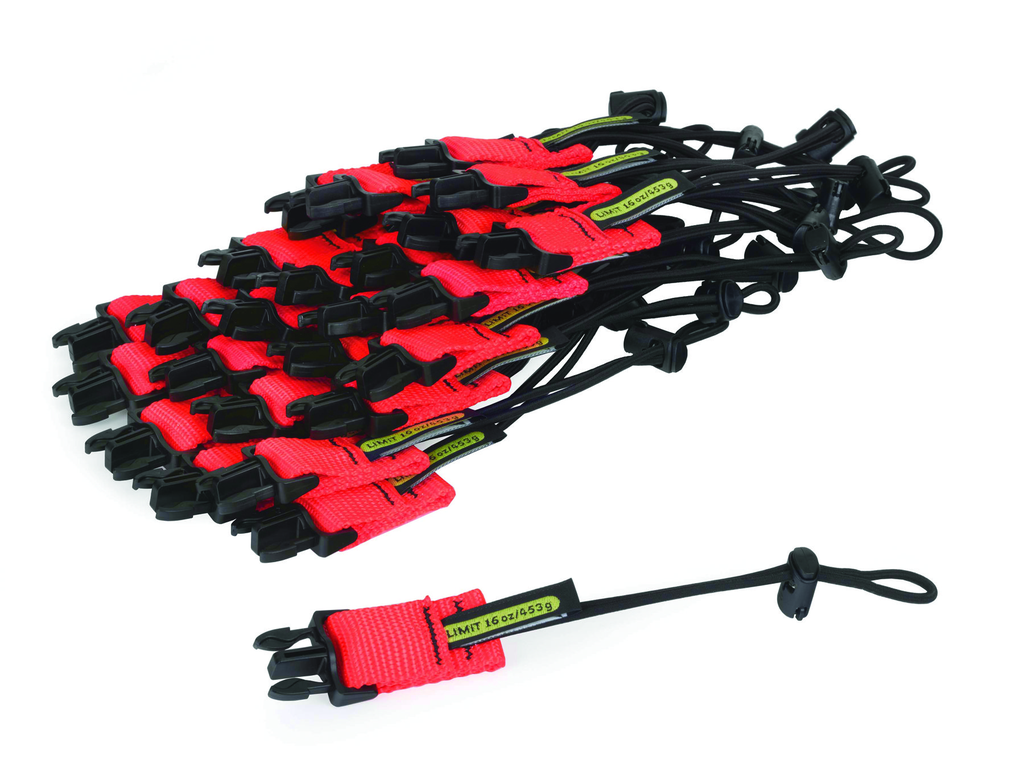
Disconnectable Clips/Loop for THUNIRET1A and THWSRET1A, 10pk
Mfg: J.H. Williams
Part #: THRET1CLIPSA
Frequently Asked Questions
Can any vehicle be converted to three-wheel classification?
Not practically. While the concept could theoretically apply to various vehicles, successful conversions typically involve smaller, lighter cars with relatively simple suspension designs. Larger vehicles face engineering challenges in safely narrowing the rear track while maintaining structural integrity. Additionally, many jurisdictions impose weight limits (often similar to motorcycle weight restrictions) that exclude heavier vehicles regardless of track width. Power-to-weight ratio requirements may also limit which engines qualify after conversion.
Are three-wheel conversions safer than motorcycles?
This is a nuanced comparison. Converted vehicles offer advantages including crash structure, seatbelts, airbags, weather protection, and cargo security that motorcycles lack. However, the narrow rear track creates rollover risk that doesn’t exist with motorcycles or standard cars. A properly operated conversion in normal conditions is likely safer than a motorcycle for a novice rider, but the handling limitations mean these vehicles have different risk profiles rather than being universally safer. The answer depends on specific circumstances, operator skill, and driving conditions.
Do converted vehicles require special maintenance procedures?
Yes, beyond standard maintenance for the base vehicle. Technicians must regularly inspect modified suspension components, verify structural integrity of welded joints and mounting points, confirm power restriction systems remain functional, and assess overall vehicle safety given the altered dynamics. Alignment may require non-standard approaches, and replacement parts for custom fabricated components may not be readily available. Budget additional inspection time compared to servicing an unmodified vehicle.
Can three-wheel conversions use highways or high-speed roads?
This depends on the specific conversion’s speed capability and local regulations. Vehicles limited to 45 km/h typically cannot use roadways with minimum speed requirements (like German autobahns requiring 60 km/h capability). Conversions limited to 90 km/h can legally access these roads but face practical dangers—large trucks traveling at or above the speed limit create significant hazards when overtaking much slower vehicles. Many owners report that other drivers show frustration with converted vehicles on higher-speed roads, and safety considerations suggest avoiding them when practical alternatives exist.
What happens if power restrictions are removed or modified?
Tampering with power restrictions violates the vehicle’s classification certification and likely constitutes illegal vehicle modification. The vehicle would no longer qualify for motorcycle/tricycle classification and couldn’t legally be operated by drivers with only motorcycle licenses. Insurance would likely be voided, and the vehicle owner could face significant fines or criminal charges. From a safety standpoint, increasing power in a vehicle with compromised stability margins dramatically increases rollover risk. Technicians should refuse requests to modify or defeat restriction systems.
How can I verify if a three-wheel conversion was performed properly?
Request documentation of regulatory approval (TÜV certification in Germany, equivalent inspections in other jurisdictions). Examine all modified components for professional fabrication quality—clean welds, appropriate materials, engineered reinforcements rather than improvised solutions. Verify that power restrictions are implemented through proper ECU programming or quality mechanical systems rather than crude modifications. Check that required signage and documentation is present. When in doubt, consult with specialists familiar with conversions in your jurisdiction or recommend the owner obtain independent engineering assessment before putting the vehicle into service.
Inspection and Service Tools for Converted Vehicles
Three-wheel conversions demand careful inspection of suspension geometry, tire condition, and alignment—specialized work that requires proper equipment. Our Tire Tools, Wheels & Suspension category includes alignment tools, tire pressure gauges, and suspension diagnostic equipment to support thorough inspections of these modified vehicles.
- Alignment and geometry verification tools for non-standard suspension setups
- Tire condition assessment and pressure monitoring equipment
- Suspension component inspection and measurement tools

The Toolsource Technical Team blends decades of real-world automotive service experience with up-to-date technical research. Our writers collaborate with professional mechanics, shop owners, and diagnostic specialists to deliver practical, workshop-ready guidance you can trust.


Follow us on social media