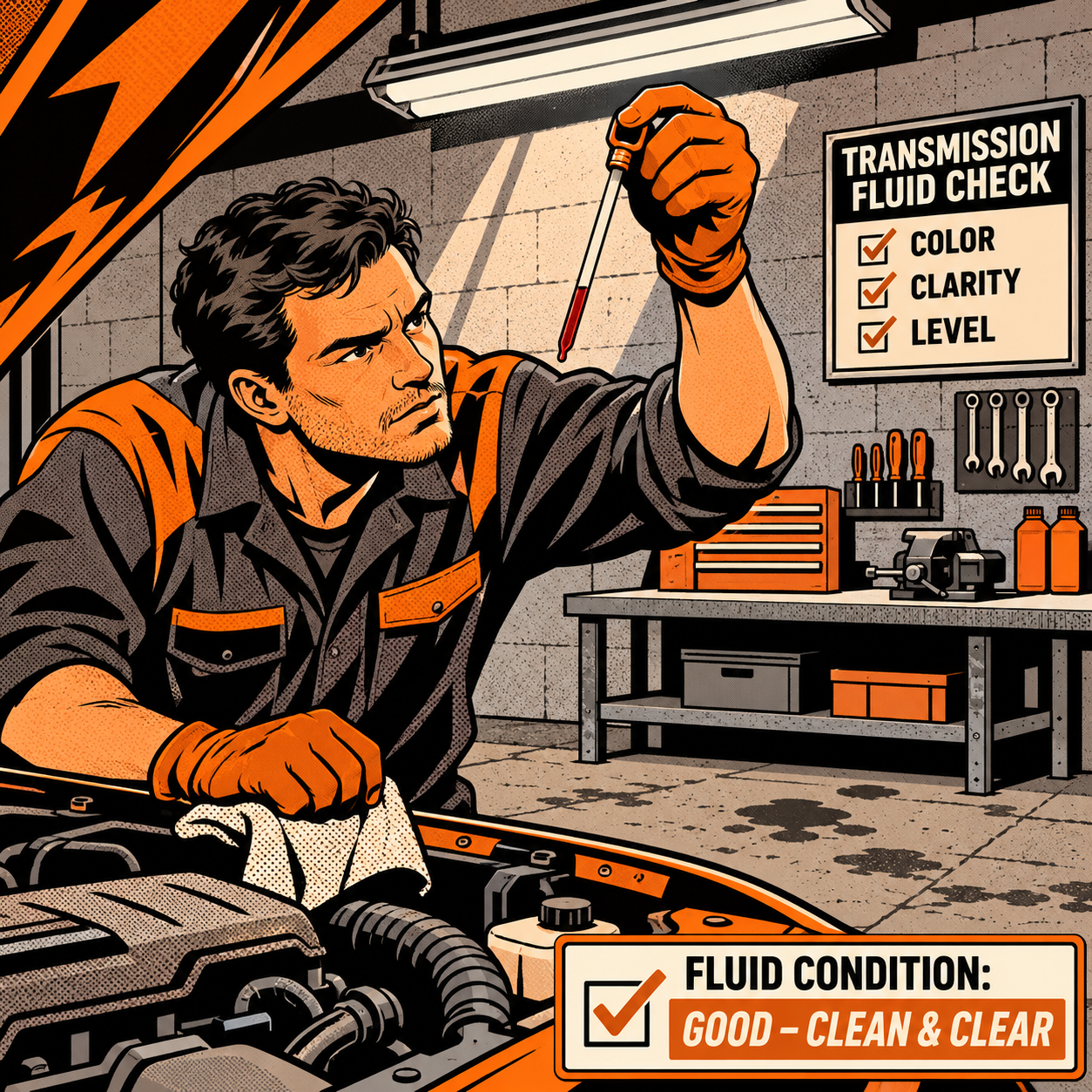
Ask any shop tech and you’ll get the same answer: most vehicles aren’t failing because of bad engineering, they’re failing because nobody serviced them. Cars that roll in with 50,000–60,000 miles knocking, slipping, or on the verge of a catastrophic failure almost always have the same root cause — a maintenance history that stopped at oil changes, or didn’t even include those consistently. The vehicle isn’t the problem. The gap between what the schedule calls for and what actually got done is the problem. This piece is a working reference for techs and service advisors: how to recognize neglect fast, how to apply the right interval instead of guessing, and how to get the customer to say yes before the small fix becomes a big one.
Why the Gap Exists in the First Place
Owners generally fall into three buckets, and recognizing which one you’re dealing with changes how you approach the conversation. First, there are people who treat the car as an appliance — they expect it to run until a dashboard light tells them otherwise, and they have no concept of a transmission service, a coolant exchange, or a brake fluid flush ever being necessary. Second, there are owners who know maintenance exists but have been told, incorrectly, that it’s a “scam” — usually by someone online, a relative, or a bad experience with an upsell-heavy shop that soured them on all recommended service. Third, there are lease and short-term owners who have no long-term stake in the vehicle’s condition; if it’s not going to be theirs in three years, deferred maintenance is somebody else’s future problem.
None of these owners are stupid — they’re uninformed, mistrustful, or simply unmotivated, and each of those requires a different fix. The tech’s job isn’t to moralize about it. It’s to catch what’s been missed, explain why it matters in terms of cost and safety, and give the owner a clear, specific path forward instead of a vague “you’re due for stuff.”
Severe Duty vs. Normal Duty: Apply the Right Schedule
This is the single most common mistake made by both owners and some shops: defaulting to the “normal” service interval printed in bold on the sticker, when the vehicle’s actual duty cycle qualifies as severe. Manufacturers define normal driving as sustained, moderate-speed highway travel in temperate conditions. Very few daily drivers actually live there. If a vehicle regularly sees any of the following, it falls under the severe schedule, which usually cuts oil change intervals roughly in half (often to the 3,000–5,000 mile range) and accelerates transmission, coolant, and brake fluid service too:
- Trips under 5–10 miles, especially in cold weather, where the engine never fully reaches operating temperature
- Stop-and-go commuting or heavy idling
- Towing, hauling, or repeated uphill/downhill driving
- Extreme heat, cold, or dusty/dirty environments
Pull the owner’s manual — not the quick-reference sticker — and check which table actually applies. Walk the customer through which bullet points describe their actual commute. Most will recognize themselves in the severe column within the first two items, and that reframes “you’re due early” as “your driving pattern requires this,” which lands a lot better than a generic recommendation.
===PRODUCT_SEARCH_1===

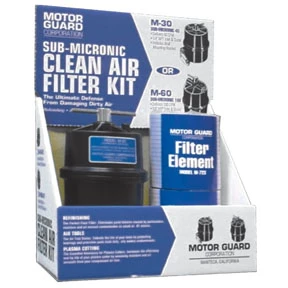
Compressed Air Filter Kit - Sub-Micronic (M30) 1/4 NPT
Mfg: Motor Guard
Part #: M-45KIT
Compressed Air Filter Kit - Sub-Micronic (M100) 1/2 NPT
Mfg: Motor Guard
Part #: M100KIT
The Systems Owners Forget Besides Oil
Oil changes get remembered because dashboards nag for them. Everything else quietly ages out. When you’re building a service recommendation, walk through these systematically rather than waiting for a customer to ask:
- Transmission fluid — both traditional automatics and CVTs degrade fluid additives over time. CVTs in particular are sensitive; the belt-and-pulley design doesn’t forgive neglected fluid the way some torque-converter automatics occasionally do. A CVT that’s been run on factory-fill fluid past 100k miles is a failure waiting to happen, maintained or not — but skipped fluid service moves that failure up by tens of thousands of miles.
- Coolant — beyond freeze protection, coolant additives prevent internal corrosion. Old, acidic coolant eats water pumps, radiators, and heater cores from the inside.
- Brake fluid — it’s hygroscopic and absorbs moisture through microscopic seal permeation even in a sealed system. Moisture lowers the boiling point and corrodes caliper bores and ABS components from the inside. A 3-year interval is standard for a reason, and almost nobody does it voluntarily.
- Engine and cabin air filters — cheap, frequently skipped, and directly tied to fuel trim, airflow, and HVAC performance.
- Spark plugs and ignition components — not glamorous, but worn plugs stress coils and can mask as drivability complaints that get misdiagnosed.
A short, printed or texted list of what’s overdue — with mileage and plain-language consequence for each item — does more to close sales than any verbal pitch.
Reading a Neglected Vehicle During Inspection
Before you even pull a dipstick, a walk-around tells you most of what you need to know about how a car’s been treated:
- Tire wear and pressure — uneven wear patterns point to alignment or suspension neglect; chronically low pressure points to an owner who’s never checked it.
- Squeal or wobble at startup — a glazed or loose accessory belt, or a wobbling harmonic balancer/pulley, often gets dismissed by owners as “just a noise this car makes.” It isn’t. Any pulley wobble outside of spec is a developing failure, not a personality trait of the car.
- Fluid color and smell — dark, gritty transmission fluid or coolant that smells sour or acidic tells you service intervals were skipped, not just delayed by a few thousand miles.
- Undercarriage and engine bay grime pattern — a thick, undisturbed layer of road grime across the whole engine bay is a reliable sign nobody’s opened the hood in years, which usually correlates with every fluid being past due simultaneously.
- Spare tire and jack condition — a flat, dry-rotted spare is a strong indicator of a driver who’s never been shown basic roadside self-sufficiency, which is worth a two-minute walkthrough while the car’s on the lift anyway.
Getting the Customer to Actually Say Yes
Technical accuracy doesn’t close a ticket — framing does. A few things that consistently work on the service floor:
- Translate interval language into cost language. “Due for transmission service” doesn’t move anyone. “This fluid is past due, and on this transmission that failure runs four figures instead of a couple hundred for the service” does.
- Separate urgent safety items from scheduled maintenance clearly, in writing, so the customer isn’t left guessing what they can safely defer versus what they can’t.
- Don’t bundle everything into one scary estimate. Prioritize: what needs to happen today, what needs to happen this month, and what’s on the radar for next visit. Owners who feel ambushed by a wall of red line items shut down and go price-shopping instead of approving work.
- When an owner pushes back with “my last car never had problems and I never maintained it” — don’t argue the statistic. Note it, and move on to what’s actually in front of you. Anecdote beats data in that conversation every time, and it’s not the hill to fight on.
Quick Checklist: Catching Deferred Maintenance Early
- Pull the owner’s manual severe-duty table and compare against actual driving pattern
- Check transmission, coolant, and brake fluid condition and age — not just mileage since purchase
- Inspect belts, pulleys, and mounts for wobble or glazing at idle, not just by ear from inside the car
- Note tire wear, pressure, and spare tire condition during every visit, not just at tire sales
- Document overdue items by mileage and risk level, and hand the customer a written priority list
- Re-check previously flagged “watch” items at every subsequent visit so nothing silently ages into a failure
===PRODUCT_SEARCH_2===


Trans Tech 4+ Dual ATF Fluid Exchanger System 500-1125B
Mfg: Uview
Part #: 500-1125B
Frequently Asked Questions
Is the “severe duty” maintenance schedule really necessary, or is it just upselling?
It’s a manufacturer-defined schedule based on real degradation data for short trips, heat, idling, and stop-and-go driving — not a shop invention. Most daily commuters technically qualify for it even if they don’t think of their driving as “severe.”
Can a CVT transmission last if it’s properly maintained?
Proper fluid service meaningfully extends CVT life, and plenty have run well past 150,000–200,000 miles with regular changes. But CVTs still have a shorter inherent service life than many traditional automatics due to belt/pulley wear, so maintenance delays the failure — it doesn’t eliminate the risk entirely.
How often should brake fluid actually be changed?
Every two to three years regardless of mileage, since it absorbs moisture over time even in a sealed system. Boiling point drop and internal corrosion are the risks, not just pad/rotor wear.
What’s the single most commonly skipped service item?
Transmission fluid and brake fluid, by a wide margin. Both are “out of sight” systems with no dashboard reminder, so they get skipped far longer than oil.
Should every customer get the full severe-duty schedule regardless of how they actually drive?
No — walk through their actual pattern against the manual’s criteria first. Applying severe-duty intervals to a vehicle that’s genuinely highway-only, low-stress driving isn’t necessary and erodes trust if it looks like a blanket upsell.
How do I convince a customer who insists maintenance is a scam?
Don’t argue the premise — show them the specific component, the specific wear, and the specific cost difference between servicing it now versus replacing it after failure. Concrete, in-person evidence outperforms any general argument about maintenance philosophy.
Inspection and Diagnostic Tools
Building a reliable inspection routine means having the right diagnostic equipment on hand. Browse our Automotive Specialty Tools for everything from fluid testers to belt tension gauges and pulley inspection gear.
- Fluid condition and analysis testing equipment
- Belt and pulley inspection and tension gauges
- Diagnostic and measuring tools for accurate assessments

The Toolsource Technical Team blends decades of real-world automotive service experience with up-to-date technical research. Our writers collaborate with professional mechanics, shop owners, and diagnostic specialists to deliver practical, workshop-ready guidance you can trust.


Follow us on social media