Engine Braking vs Neutral Coasting: What Technicians Should Recommend (and How to Verify It)
Customers ask whether shifting to neutral when descending a hill saves fuel. On most fuel-injected vehicles from roughly the mid-1990s onward, deceleration fuel cut-off (DFCO) means the engine typically uses no fuel while coasting in gear with the throttle closed and RPM above a threshold. Coasting in neutral usually requires fuel to maintain idle. The best advice depends on the vehicle, grade, speed, and the driver’s need to control speed without overheating the brakes. This guide explains the mechanisms, provides in-bay and on-road test steps to verify DFCO, and outlines safe, practical recommendations.
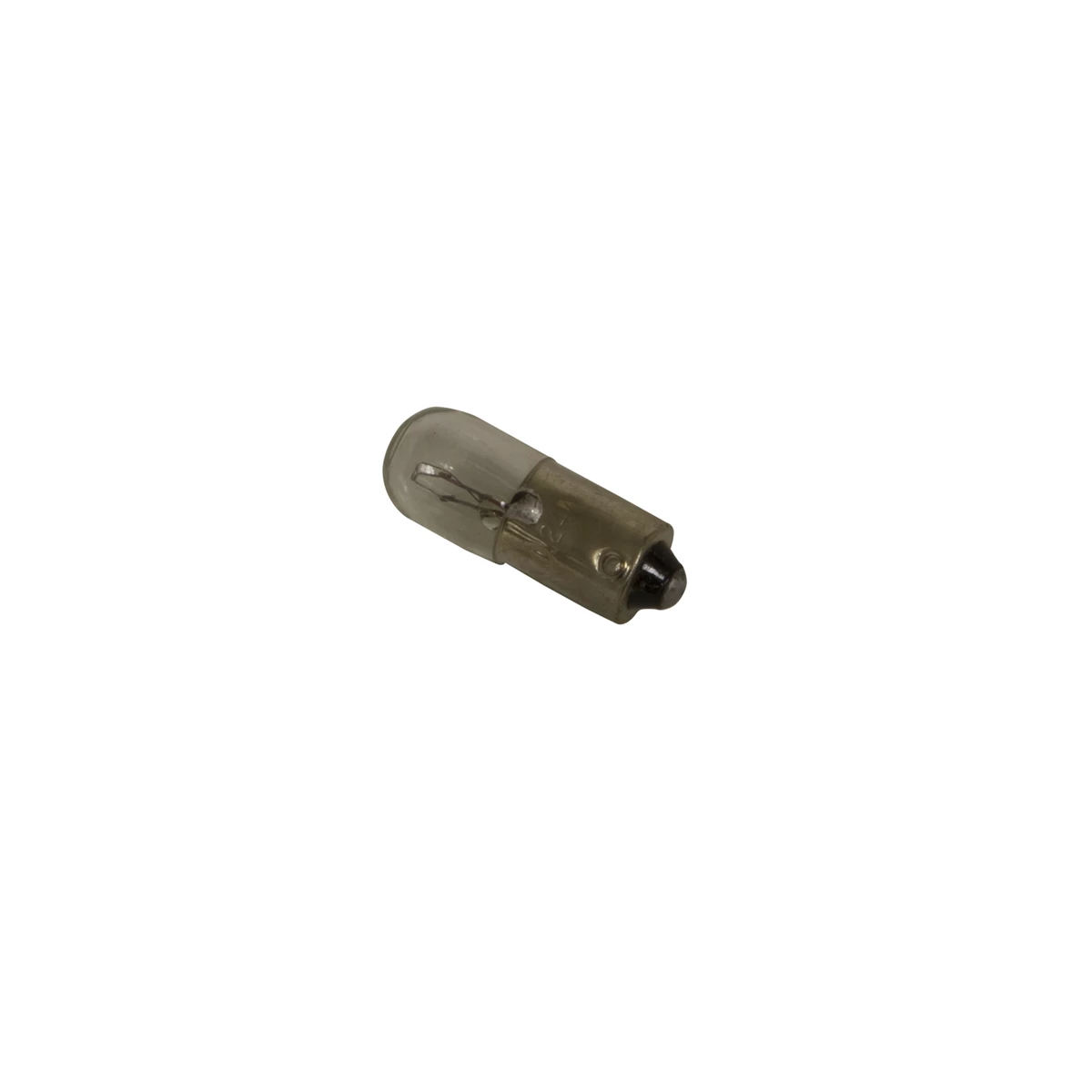
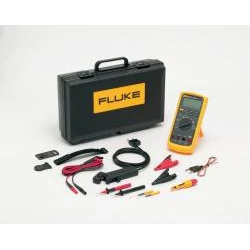
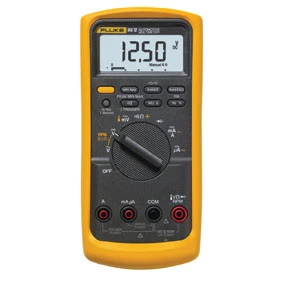
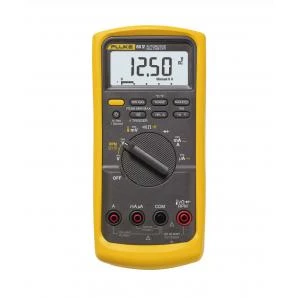
96471 88V Fluke FL2550519 FLU88-5 FL88V FLK-88V 88 Series V Automotive Multimeter 88-5 FLU88V
Mfg: Fluke
Part #: 88V
How Modern Powertrains Handle Overrun: DFCO in Plain Terms
Deceleration fuel cut-off (DFCO) is an engine control strategy that cuts fuel injection when:
- Throttle is closed (driver foot off the accelerator)
- Engine speed is above a calibration threshold (commonly ~1200–1500 rpm, varies by make/model)
- Coolant temperature is above a minimum threshold (engine warmed up)
- Vehicle speed is above a minimum threshold
- Driveline is coupled (in gear or torque converter locked/appropriately coupled as calibrated)
When these conditions are met, the engine is spun by the wheels via the transmission. The ECU commands zero (or near-zero) injection and ignition as appropriate. When RPM falls near idle speed or the driver requests torque, injection resumes seamlessly. In many vehicles, the instrument cluster’s instantaneous fuel economy will briefly show 0.0 L/100 km or infinite mpg during DFCO.
Gasoline vs. diesel differences:
- Gasoline engines create strong engine braking with the throttle plate closed (high pumping losses). DFCO turns off injectors during overrun.
- Diesels have little or no throttle plate load on overrun, so natural engine braking is modest. Many modern diesels also reduce fuel to near-zero during overrun. Medium/heavy-duty diesels often add exhaust or compression-release brakes to increase braking force.
Manual vs. automatic behavior:
- Manuals: With a closed throttle in gear, DFCO engages above the RPM threshold. Shifting to too high a gear can drop RPM below DFCO re-enable, causing the ECU to resume idle fueling.
- Automatics: Many modern units hold torque converter lock-up on decel to maintain DFCO. Some eco modes decouple the driveline to allow “sailing” while idling. Others unlock the converter to reduce engine drag but may remain in DFCO depending on calibration and RPM.
Neutral Coasting vs In-Gear Coasting: What Actually Happens
Neutral coasting (engine on):
- Engine is decoupled from the driveline; RPM drops to idle.
- Fuel is required to maintain idle (fuel rate commonly ~0.5–1.0 L/h for many modern gasoline fours; varies by displacement and load).
- Vehicle rolls more freely than in-gear because engine braking is minimized, which can help maintain speed on mild downgrades without brake use.
In-gear coasting with throttle closed:
- DFCO typically commands zero fuel (conditions permitting), so fuel use can be effectively zero.
- Engine braking slows the vehicle. On steep grades, this reduces brake load and heat.
- In top gear at low RPM you may lose DFCO (RPM falls below threshold), resuming idle fueling; a lower gear can keep RPM high enough to sustain DFCO if needed.
Safety and control considerations:
- Neutral reduces your immediate ability to apply engine torque for evasive maneuvers. Selecting a gear is quick in a manual, but it is still an added step.
- Never key-off the engine while moving: you can lose power steering assist (unless fully electric), vacuum/hydraulic brake assist after a few pedal strokes, and safety systems. Engine-off coasting is not a safe recommendation.
- Some jurisdictions restrict or prohibit coasting in neutral on public roads. Check local regulations.
Verify DFCO and Quantify Fuel Use: Practical Test Procedure
Advising drivers is easier when you’ve verified what their vehicle actually does. Use a capable scan tool or OBD-II data logger to observe fuel and transmission behavior during decel.
Tools
- Bidirectional scan tool or OBD-II logger with enhanced PIDs (fuel rate, injector pulse width, decel fuel cut status, gear/TCC status)
- Mount or assistant for safe data monitoring
- Safe test route with a known mild and a steeper downhill segment
In-bay checks
- Verify no stored DTCs affecting fuel control (e.g., MAF, O2/AFR, ECT).
- Confirm engine reaches full operating temperature.
- Check throttle position sensor and accelerator pedal sensor readings at closed throttle; ensure no idle air control or throttle body faults.
Road test steps
- Baseline idle fuel: On level road, in neutral or with clutch depressed (manual) or in Drive at a stop (automatic), log fuel rate (L/h) and injector pulse width (ms) at warmed idle.
- In-gear DFCO check (mild grade): At ~30–50 mph (50–80 km/h), maintain a steady speed in gear, lift completely off the throttle, and observe:
- DFCO active flag (if available)
- Fuel rate approaching zero or injector PW near zero
- RPM and vehicle speed decay
- Torque converter clutch (TCC) lock state (automatics)
- In-gear DFCO check (steeper grade): Repeat on a steeper hill. Confirm DFCO remains active longer and note reduced brake use due to stronger engine braking (gasoline engines especially).
- High-gear vs lower-gear DFCO: Repeat the test in top gear and one gear down. In some vehicles, top gear decel lets RPM fall below DFCO threshold prematurely; a lower gear may keep DFCO active longer, extending zero-fuel operation.
- Neutral coast comparison: On the same grades, shift to neutral with engine on and closed throttle. Observe fuel rate (should match idle baseline) and compare distance/speed decay versus in-gear DFCO runs.
Log and summarize:
- Fuel rate and injector PW behavior during in-gear decel vs neutral coast
- Vehicle speed loss per distance/time in each case
- Brake application events and pedal effort
This data lets you quantify advice: for many EFI gasoline vehicles, in-gear DFCO uses less fuel on moderate/steep descents and preserves brakes; on very slight downgrades where DFCO won’t hold (RPM drops too low), top-gear coasting in-gear or brief neutral coasting may minimize braking but fuel use differences are often small.
Best Practices to Advise Drivers (Hills, Traffic, and Transmissions)
General strategy
- Look ahead. Minimizing brake use saves more fuel than micro-managing acceleration. Time lights and gaps to keep the vehicle moving steadily.
- Lift early. When you know you must slow, close the throttle sooner to engage DFCO and avoid hard braking.
- Use the highest practical gear that still maintains DFCO during decel; downshift if necessary to keep RPM above DFCO threshold on long descents.
Hills and grades
- Approaching a crest: Apply only enough throttle to crest without a large speed surplus. Once over the top, lift to closed throttle so DFCO can activate in gear.
- Moderate to steep descent (gasoline engines): Stay in gear with throttle closed. DFCO yields zero fuel use and engine braking reduces brake load. Downshift if speed rises beyond target or RPM falls below DFCO threshold.
- Mild descent or rolling terrain: In many vehicles, top-gear in-gear coasting with a closed throttle provides minimal engine braking and may maintain DFCO initially. If RPM drops out of DFCO, the engine returns to idle fueling; differences versus neutral are typically small. Avoid unnecessary neutral coasting if it compromises control or legality.
Manual transmissions
- Advise drivers to remain in gear during descents. Downshift to manage speed and maintain DFCO. Neutral coasting offers minimal real-world gains and delays torque application if needed.
- Do not key-off the engine; power assist and safety systems are affected.
Automatic transmissions
- Understand the calibration. Many automatics hold TCC lock on decel to maintain DFCO. Some eco modes decouple for “sailing” and will idle the engine by design—this is OEM-sanctioned and safe for that transmission.
- Do not recommend shifting an automatic to neutral on downgrades. Some transmissions rely on line pressure and lube flow tied to gear engagement and RPM. Extended high-speed neutral coasting can be detrimental on certain designs.
Brakes and thermal management
- Use engine braking to manage downhill speed and reduce brake temperature. This is critical on long grades to prevent fade and rotor heat checking.
- Advise periodic brake temperature checks for fleet vehicles operating in mountains; consider installing temperature-indicating paint or thermal sensors for severe service.
Power Assist, Vacuum, and System Effects
Power steering and braking:
- Engine running: Hydraulic power steering (older designs) and vacuum brake boosters function normally whether in gear or neutral. Electric power steering and electric vacuum pumps are unaffected with ignition on.
- Engine off: You have only residual brake booster vacuum (typically a few assisted presses) and no hydraulic steering assist. Never recommend engine-off coasting.
Transmission lubrication and control:
- Manual transmissions receive splash lubrication regardless of gear. Neutral coasting is not a lube concern, but control/safety and legality remain considerations.
- Automatics depend on pump-driven fluid circulation. Pump speed is tied to engine RPM; some units reduce lubrication and cooling in neutral at road speed. Follow OEM guidance—many explicitly advise against neutral coasting.
Converter lockup on decel:
- Modern automatics may keep the converter locked to transmit vehicle momentum to the engine for DFCO. Others unlock to reduce drag or enable sailing. Scan tool data (TCC status) clarifies actual behavior.
Legal, Safety, and Customer Communication
- Legality: Several jurisdictions prohibit coasting in neutral on public roads. Always advise customers to follow local laws.
- Safety: Maintaining a coupled driveline retains immediate torque response and consistent engine braking. That typically improves control in unexpected situations.
- Customer messaging: Emphasize that anticipating traffic and reducing braking events deliver larger fuel savings than neutral coasting. Where the vehicle supports DFCO, in-gear decel is both efficient and mechanically conservative.
Quick Field Checklist
- Confirm DFCO operation with a scan tool or instrument cluster readout.
- Advise in-gear coasting with closed throttle on descents; downshift to control speed.
- Avoid engine-off coasting; never recommend it.
- Do not shift automatics to neutral on downgrades; follow OEM guidance.
- Coach “look-ahead” driving to minimize brake use and stops.
FAQs
Does DFCO truly use zero fuel?
On most EFI vehicles, yes—when DFCO is active the commanded fuel rate and injector pulse width drop to zero. When RPM falls below the DFCO threshold or the driver requests torque, fueling resumes. Some calibrations may provide minimal pilot injection under special conditions, but the practical fuel rate is near zero.
Is neutral coasting more efficient on gentle downhills?
Sometimes the difference is negligible, but it depends. If in-gear RPM falls below DFCO threshold, the ECU returns to idle fueling. On very slight grades, the vehicle may maintain speed longer in neutral but at idle fuel consumption; in many real-world cases, the net fuel difference is small compared to the benefit of in-gear control and DFCO when available.
Can I safely key off and coast to save fuel?
No. Engine-off coasting compromises power steering and brake assist, can disable safety systems, and may lock steering columns in some vehicles if the key is turned fully to the lock position. Do not recommend or perform engine-off coasting.
Do all automatics support DFCO during decel?
Most modern automatics do, but behavior varies. Some hold torque converter lockup to maintain DFCO, others unlock or decouple for “sailing” (engine idles by design). Use a scan tool to view TCC status, gear, and fuel rate on the specific vehicle.
Will coasting in neutral damage an automatic transmission?
Extended neutral coasting at speed can reduce transmission lubrication and cooling on some designs because pump output is tied to engine RPM and gear state. Always follow OEM guidance. As a general recommendation, do not shift automatics to neutral on downgrades.
What driving habit yields the biggest fuel savings?
Reducing braking events. Look ahead, leave space, and lift early to avoid unnecessary stops. DFCO and proper gear selection help, but anticipating traffic and smoothing speed changes deliver the largest gains.
Shop Scan Tools for DFCO Testing
To verify DFCO, TCC lockup, and idle fueling on road tests, check out Automotive Scan Tools & OBD-II Loggers for accurate data capture.
- Bidirectional scan tools and OBD-II data loggers
- PIDs for fuel rate, injector PW, gear and TCC status
- Mounts, adapters, and cables for safe monitoring

The Toolsource Technical Team blends decades of real-world automotive service experience with up-to-date technical research. Our writers collaborate with professional mechanics, shop owners, and diagnostic specialists to deliver practical, workshop-ready guidance you can trust.


Follow us on social media