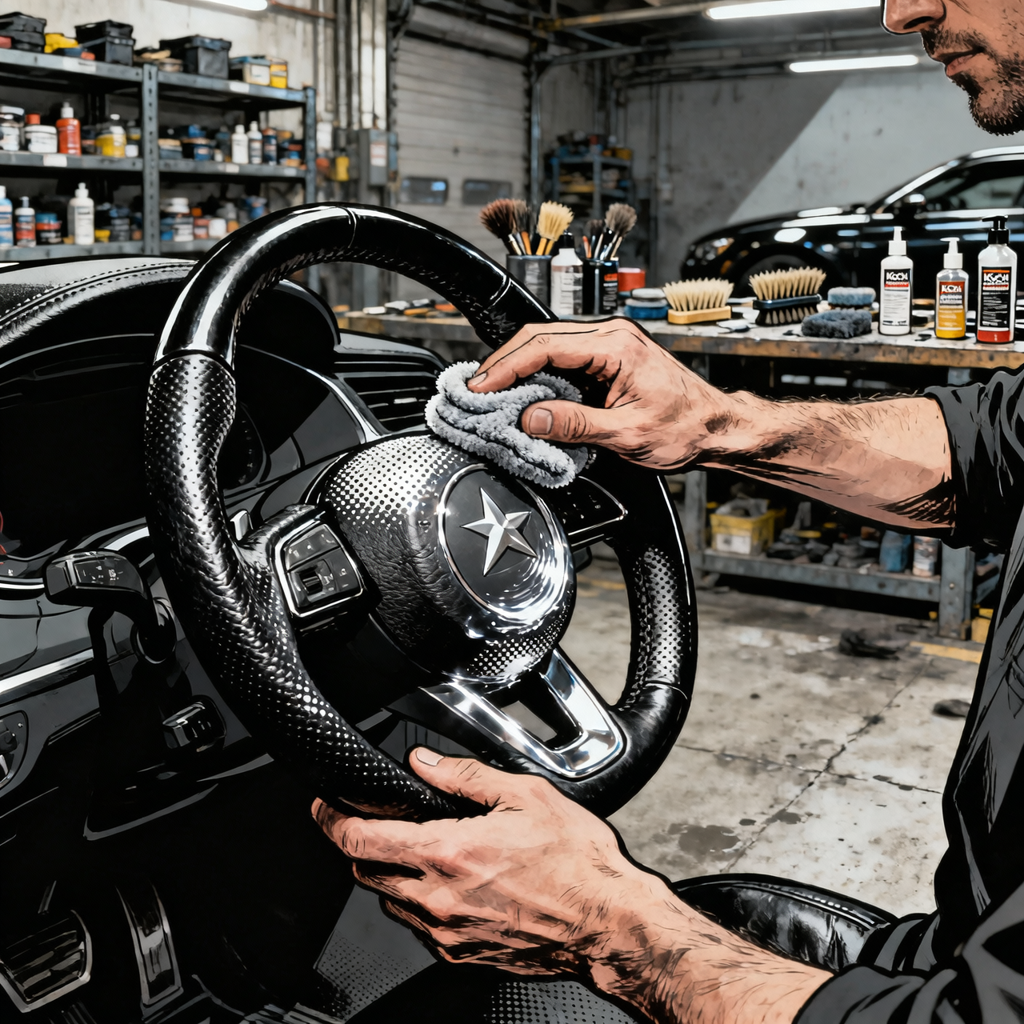
Pol Star is a pH-balanced cleaner known for low-residue, matte factory finishes on interior and certain exterior materials. This guide translates real shop experience into clear steps: how to dilute, when to foam vs spray, which brushes to use, and how to avoid saturation or streaks. Use it to build a repeatable process for steering wheels, coated and genuine leather, Alcantara and other textiles, hard plastics, and exterior matte textures.
What Pol Star Does and When to Reach For It
Pol Star is designed to lift organic soils, body oils, and general grime from porous and semi-porous surfaces without leaving a slick or shiny film. Its strengths for technicians include:
- Residue control: It cleans back to a clean, matte surface without leaving sticky surfactants or gloss. If you see sheen, it is usually remaining contamination or a previous dressing.
- Foam-friendly: It foams well in trigger foamers and pump/pressurized foamers, which helps control moisture and keep chemistry where you want it.
- Material compatibility: Effective on coated automotive leather, Alcantara and other synthetic suedes, textiles and headliners, interior hard plastics and switches, and exterior matte textured plastics and matte films/paints. Always test first.
- System approach: It is a cleaner, not a conditioner or dressing. For leather that you want to protect or nourish afterward, pair it with a dedicated leather protectant such as Leather Star.
Use Pol Star when you need controlled cleaning with minimal moisture, especially where shine would be a problem: steering wheels, driver touch points, Alcantara, piano black buttons, and exterior matte surfaces.
Dilutions, Tools, and Setups That Work
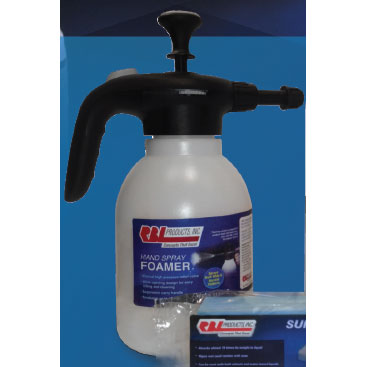
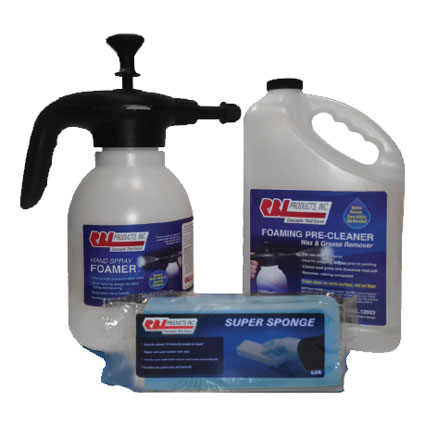
Dialing in dilution and delivery is the difference between average and excellent results. Start with these technician-tested baselines and adjust to soil load and material sensitivity.
Recommended dilutions
- General interior plastics, coated leather, steering wheels: 10:1 (water:concentrate)
- Light maintenance or sensitive areas (Alcantara, screens bezel areas, headliners): 15:1
- Heavy body oils, heavily soiled wheels, textured plastics: 5:1 to 8:1 (use discretion and test first)
- Textiles/carpets pre-spot: 5:1 on isolated stains; 10:1 for general low-moisture agitation followed by blotting or extraction
Delivery: foam vs spray
- Foaming trigger bottle: Good control for small areas and interiors. Produces clinging foam directly from a hand sprayer.
- Pump/pressurized foamer (e.g., handheld foamers): Best coverage and consistent foam density; ideal when you have multiple seats or a full interior.
- Standard spray bottle: Works, but can overwet and run into seams. If you use one, apply to your towel or brush rather than flooding the surface.
Tools
- Microfiber interior towels (edgeless, 300–365 GSM) for wipe-off and blotting
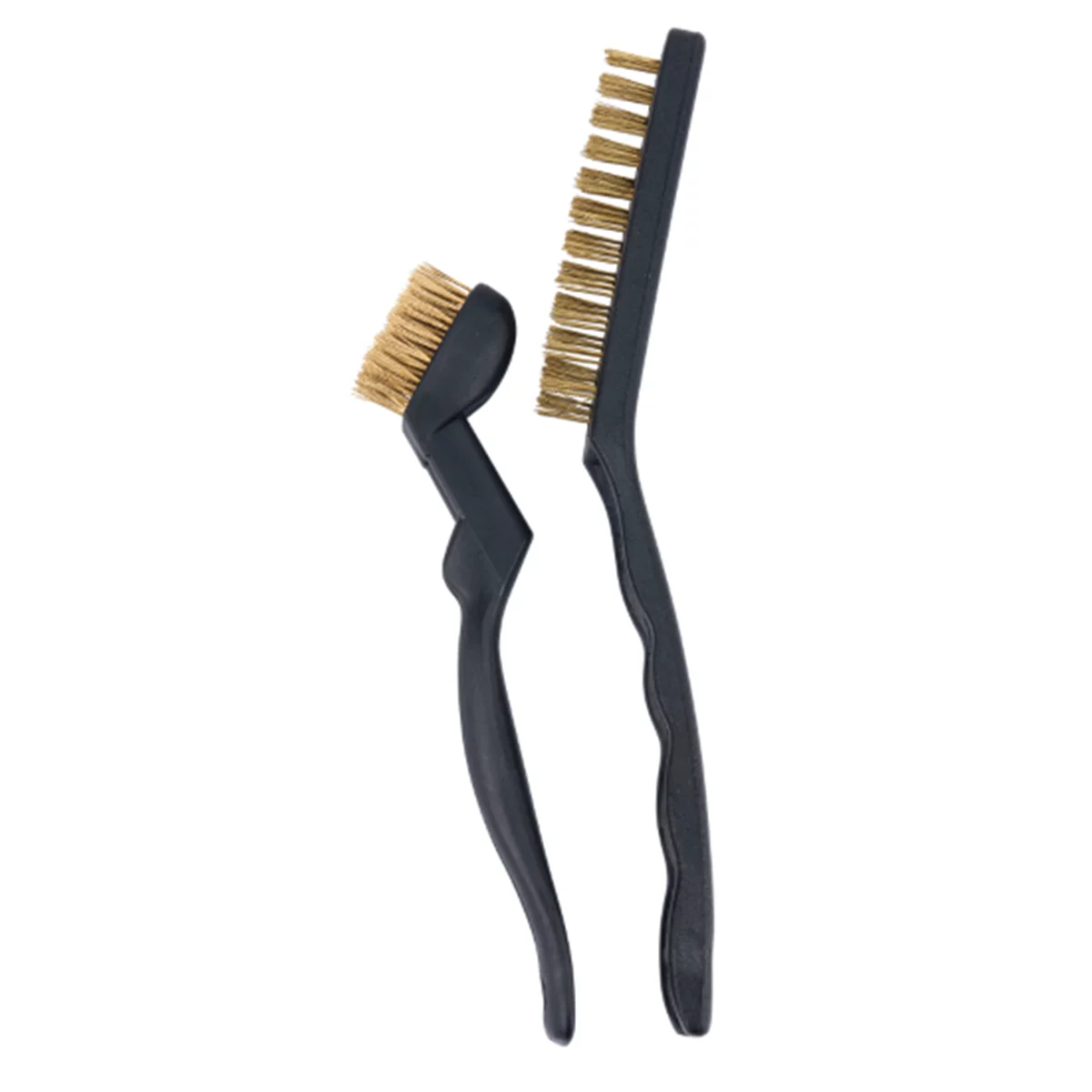
- Boar’s hair interior brush for plastics, switchgear, textured knobs, badging
- Soft upholstery or suede brush for Alcantara and fabrics; avoid aggressive drill brushes on delicate fibers
- Scrub pad designed for interiors (e.g., microfiber scrub block/pad) for coated leather and vinyl
- Vacuum with crevice tool; optional extractor for textiles when moisture tolerance allows
- Nitrile gloves and small detailing swabs for seams and emblems
Mix concentrate into clean bottles, then add water to minimize foaming during dilution. Label ratios clearly. Prime foamers so foam quality is consistent before touching the surface.
Step-by-Step: Restore a Grimy Steering Wheel

125831 A-1/8-10 Paasche Airbrush Company PBA-1/8-10 10' Braided Air Hose with Couplings
Mfg: Paasche Airbrush Company
Part #: A-1/8-10
Steering wheels accumulate body oils, sunscreen, and skin cells. The goal is a clean, dry, matte surface with a uniform feel. Select process based on material.
Identify the surface
- Coated automotive leather or vinyl-wrapped: Most modern wheels fall here.
- Alcantara/synthetic suede: Common on performance trims.
Process for coated leather/vinyl wheels
- Prep: Park in shade. If needed, drape a towel over the cluster to catch splatter. Set Pol Star at 10:1.
- Apply: Load a foaming trigger or pump foamer. Apply foam to an interior scrub pad or boar’s hair brush rather than directly to the wheel. This limits run-off into seams and switches.
- Agitate: Work in quarters. Light, even agitation around the rim, spokes, and thumb grips. Focus on stitching and seams with a soft brush or swab.
- Lift and wipe: Immediately pull soil with a clean microfiber. Rotate to a fresh side frequently. If towel loads quickly, repeat a light foam pass.
- Detail: Use a dampened swab on tight seams, emblems, and perforations. Do not flood perforations.
- Dry: Final wipe with a dry towel. The finish should be clean and matte with a uniform drag, not slippery.
- Optional protect: On coated leather, many techs skip traditional conditioners; if you prefer, apply a modern matte leather protectant sparingly after full dry, following its instructions.
Process for Alcantara/synthetic suede wheels
- Prep: Vacuum gently with a soft brush attachment to remove loose debris.
- Dilute: Set Pol Star at 15:1 to keep chemistry mild. Foam is preferred to control moisture.
- Apply to tool: Foam onto a soft suede brush or microfiber towel, not directly onto the wheel.
- Agitate lightly: Short, gentle strokes to lift oils without collapsing the pile. Avoid circular scrubbing that can ball fibers.
- Blot: Do not wipe hard. Blot with a clean, dry microfiber to transfer soils.
- Raise the nap: When dry, groom fibers with the suede brush to restore the uniform nap.
- Do not dress: Do not apply conditioners or dressings to Alcantara.
Leather and Coated Automotive Leather: Safe Cleaning and Finish
Most automotive leather is pigmented and protected with a polyurethane coating. That coating is what you are cleaning; it benefits from gentle surfactants and minimal moisture. Some vehicles use less-coated or full-grain hides in limited applications; always test in an inconspicuous area and tailor your approach.
Process for seats, bolsters, and armrests
- Assess and test: Identify high-wear zones and conduct a small test spot at your chosen dilution (10:1 is a solid start for coated leather).
- Foam and work small: Foam onto a scrub pad or soft brush. Work a panel no larger than a seat base. Avoid flooding perforations and seams.
- Agitate gently: Linear strokes; escalate pressure only as needed. Re-foam rather than scrubbing dry.
- Wipe immediately: Pull lifted soil with a clean microfiber. Swap towels as they load to avoid smearing soils back.
- Dry and inspect: Matte, even tone without slickness is the target. Stubborn sheen usually indicates remaining body oils; repeat with fresh foam instead of higher aggression.
- Protect as needed: If the leather is genuine and benefits from conditioning, apply a matte leather care product after full dry. On typical coated leather, a light protectant layer can aid future cleanups without altering the matte look.
Note: Furniture leather can be uncoated and absorbent. If you use Pol Star on household leather, reduce moisture, test thoroughly, and follow with an appropriate leather conditioner designed for that leather type.
Alcantara, Synthetic Suede, Textiles, and Carpets: Low-Moisture Technique
Alcantara and many headliners are sensitive to over-wetting. Control chemistry and moisture for safe, even results.
Alcantara and synthetic suede
- Dry prep: Vacuum with a soft brush to remove dry soils.
- Dilute and deliver: 15:1 minimum, foamed onto your brush or towel.
- Gentle agitation: Short strokes in one direction to lift grime. Rotate your towel often.
- Blot rinse: Lightly dampen a clean towel with water and blot if needed to remove residual surfactant. Do not soak.
- Dry and groom: Allow airflow to dry, then brush to restore nap.
Textiles and carpets
- Spot pre-treatment: For isolated stains, use 5:1 on a brush and agitate locally. For general cleaning, 10:1 foam is sufficient.
- Agitate: Work foam into fibers with an upholstery brush, keeping moisture low to avoid wick-back.
- Lift soils: Blot with microfiber or towel-vac if available. If extracting, keep rinse light and perform additional dry passes.
- Speed dry: Use fans or vehicle HVAC to accelerate dry and prevent rings.
Avoid aggressive drill brushes on delicate textiles and Alcantara. If you must use a machine, choose a very soft brush and low speed, and limit to durable carpets.
Hard Plastics and Exterior Matte Textures: Streak-Free Cleaning
Pol Star’s low-residue formula makes it a good choice for interior plastics and exterior matte finishes where shine is unacceptable.
Interior plastics and switchgear
- Dilution: 10:1 for general cleaning; 15:1 for light dust and screens bezels. Avoid spraying directly onto electronic screens.
- Foam and brush: Apply foam to a boar’s hair brush and agitate vents, buttons, textured plastics, and seams.
- Wipe: Immediately remove soils with a clean microfiber. Follow with a slightly damp towel if needed, then a dry towel for a uniform finish.
Exterior matte plastics and matte finishes
- Conditions: Work cool panels in shade. Do not let product dry on the surface.
- Application: Foam onto a microfiber applicator or soft brush. Avoid flooding badges and seams.
- Agitate and wipe: Light agitation, then wipe clean. If water spotting risk exists, finish with a damp microfiber and dry towel.
- Aftercare: If protection is desired, use a matte-safe sealant or coating; avoid glossy dressings.
Troubleshooting and Quality Control
- Shiny or slick feel after cleaning: Residual contamination is likely. Re-foam, agitate lightly, and wipe with a fresh towel. Pol Star does not add gloss when fully removed.
- Streaks on plastics: Over-application or slow wipe-off. Use less product, agitate, and immediately follow with a clean, dry towel.
- Water marks or rings on textiles: Too much moisture. Switch to foam-on-brush, blot immediately, and accelerate dry with airflow.
- Sticky controls or residue: Perform a light water-damped towel wipe after cleaning, then dry. Swap towels frequently.
- Color transfer on leather: Stop and reassess. You may be on a damaged or poorly dyed area. Reduce aggression, lower dilution strength, and test again.
- Foam quality inconsistent: Pressurize or prime your foamer. Clean the nozzle and ensure correct dilution and water hardness.
Quick Checklist
- Choose dilution: 10:1 general, 15:1 delicate, 5–8:1 heavy soils
- Prefer foam onto tool; avoid flooding surfaces
- Use the right tool: boar’s hair, suede brush, or microfiber scrub pad
- Work small, wipe immediately, rotate towels
- Blot and groom Alcantara; do not dress
- Optional leather protection after full dry
- Test spot every new material
FAQs
What dilution should I use for steering wheels, plastics, and Alcantara?
Start at 10:1 for coated leather steering wheels and interior plastics. For Alcantara and other sensitive textiles, use 15:1 and a foam-on-brush approach. For heavy, greasy build-up, you can step to 5:1–8:1 after a test spot, then return to lighter ratios for maintenance.
Is a foaming sprayer better than a standard spray bottle?
Foam provides better control and less saturation, which is ideal for interiors, seams, and Alcantara. A standard sprayer can work if you apply to a towel or tool rather than spraying the surface directly. For full interiors or consistent results, a handheld pump foamer delivers uniform foam density.
Does Pol Star leave any protection or change the sheen?
No. It is a cleaner only and leaves a natural, matte finish when fully wiped off. If you want protection or conditioning on leather, follow with a dedicated leather care product that maintains a factory-matte look.
Is it safe on exterior matte plastics and matte paint or film?
Yes, when used properly. Work on cool surfaces in the shade, use appropriate dilution, and do not allow it to dry on the panel. Foam onto a towel or brush, agitate lightly, and wipe clean. Avoid glossy dressings afterward; use matte-specific protection if desired.
Can I use Pol Star on household leather?
It can be used cautiously, but note that many furniture leathers are less coated and more absorbent than automotive leather. Reduce moisture, test in a hidden area, and follow with a conditioner suitable for that leather type. Do not assume automotive and furniture leather will respond the same way.
What brushes or pads pair best with Pol Star?
Use boar’s hair for interior plastics and buttons, a microfiber scrub pad for coated leather and vinyl, and a soft suede or upholstery brush for Alcantara and textiles. Avoid aggressive drill brushes on delicate surfaces. If machine assistance is needed on durable carpets, choose the softest practical brush and low speed.
Do I need to rinse after using Pol Star?
On hard surfaces and coated leather, a thorough wipe with a clean, dry towel is sufficient. On textiles and Alcantara, a light damp blot can help remove residual surfactant after cleaning. Do not soak the material; focus on low-moisture removal and quick drying.
What sizes are available and how far does it go?
It is commonly available in liter and larger refill sizes. Because typical dilutions are 10:1 or lighter, a liter of concentrate makes many liters of working solution. For trial use, decant a small amount into a foaming trigger bottle and mix at your target ratio.
Essential Cleaning Products for Your Detailing Kit
While mastering the application of Koch Chemie Pol Star across different surfaces is crucial, having the right complementary cleaning supplies ensures professional results on every job. Our comprehensive cleaning supplies category offers everything you need to prepare surfaces and maintain finishes between polishing treatments.
- Surface Prep Cleaners – Remove contaminants and oils before applying Pol Star for optimal adhesion and finish
- Specialty Brushes & Applicators – Professional-grade tools designed for steering wheels, leather, and delicate matte surfaces
- Protective Sealants & Coatings – Lock in your polishing work with premium protection products

The Toolsource Technical Team blends decades of real-world automotive service experience with up-to-date technical research. Our writers collaborate with professional mechanics, shop owners, and diagnostic specialists to deliver practical, workshop-ready guidance you can trust.


Follow us on social media