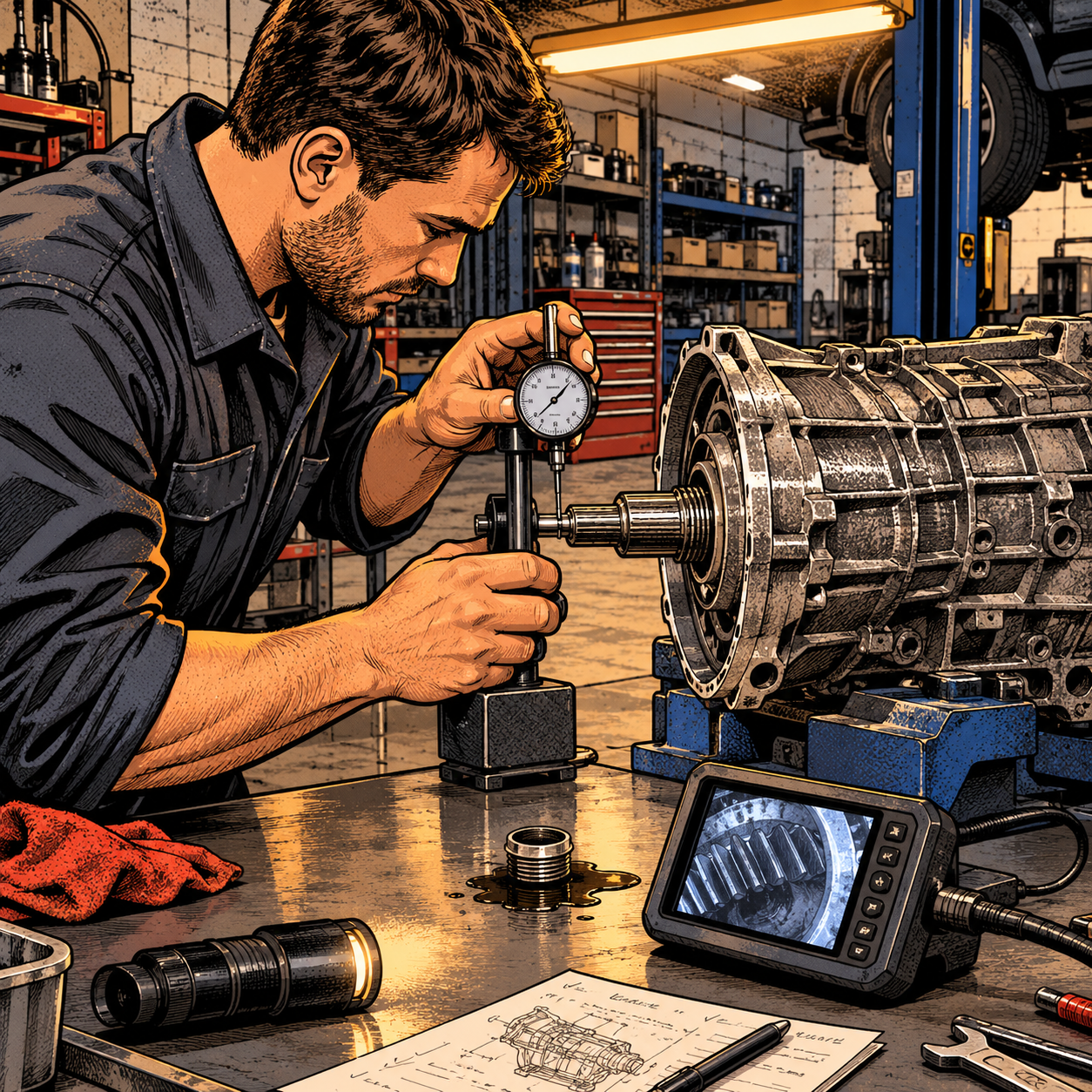
Shops that build or restore GM Ecotec-platform cars are seeing more of these cross over the lift: a Citation, Phoenix, Omega, or Skylark-era X-body — or a newer Cobalt/HHR-based project — fitted with an AWD transfer case and 6-speed manual pulled from a Saab 9-3X. The swap exists because GM and Saab shared Ecotec engine architecture for over a decade, which means a surprising amount of driveline hardware interchanges across brands most customers wouldn’t think to cross-shop. If one of these lands on your rack, here’s what actually matters for diagnosis, service, and build quality.
Why the Saab 9-3X Donor Drivetrain Works on GM Ecotec Platforms
The Ecotec family was co-developed and shared across GM’s global brands, including Saab. That shared bellhousing pattern and bolt circle is the entire reason this swap is viable — it’s not a one-off hack, it’s leveraging parts GM already engineered to work together. The 9-3X’s Haldex-based all-wheel-drive system routes power through a transfer unit mounted off the transmission output, and critically, that transfer unit is mechanically identical whether the car left the factory with the 6-speed manual or the automatic. For a tech, that means you can diagnose a transfer case issue using reference material from either drivetrain variant, and parts availability is wider than the manual-only badge on the car in your bay would suggest.
Don’t assume cross-compatibility blindly, though. Haldex units went through multiple generations (Gen II through Gen IV depending on model year), and the coupling behavior, fluid spec, and electronic control differ between them. Confirm the donor’s exact RPO codes and model year before quoting a job based on forum assumptions.
Sourcing and Inspecting a Used Transfer Case and 6-Speed Manual
Most of these builds start with salvage-yard or private-sale drivetrain pulls, so inspection quality determines whether the customer gets a reliable car or a comeback. Before it goes on the bench:
- Pull the fill/drain plugs on both the transmission and transfer case and check fluid condition — metallic fluid or a heavily loaded magnetic drain plug is a hard pass or a negotiating point on price.
- Check input/output shaft splines for wear or galling with a flashlight and fingernail test; rounded splines mean slop in every gear change.
- Inspect the Haldex coupling’s clutch pack condition if the unit can be opened or borescoped — glazed or thin friction material means reduced AWD engagement even if the unit “spins fine” on a bench.
- Use a dial indicator to check shaft runout if the car came from a front-end collision; bent shafts are common in salvage units and won’t show up from a visual check alone.
- Rotate the transfer case input by hand through several full revolutions, feeling for binding, grinding, or inconsistent drag that suggests bearing damage.
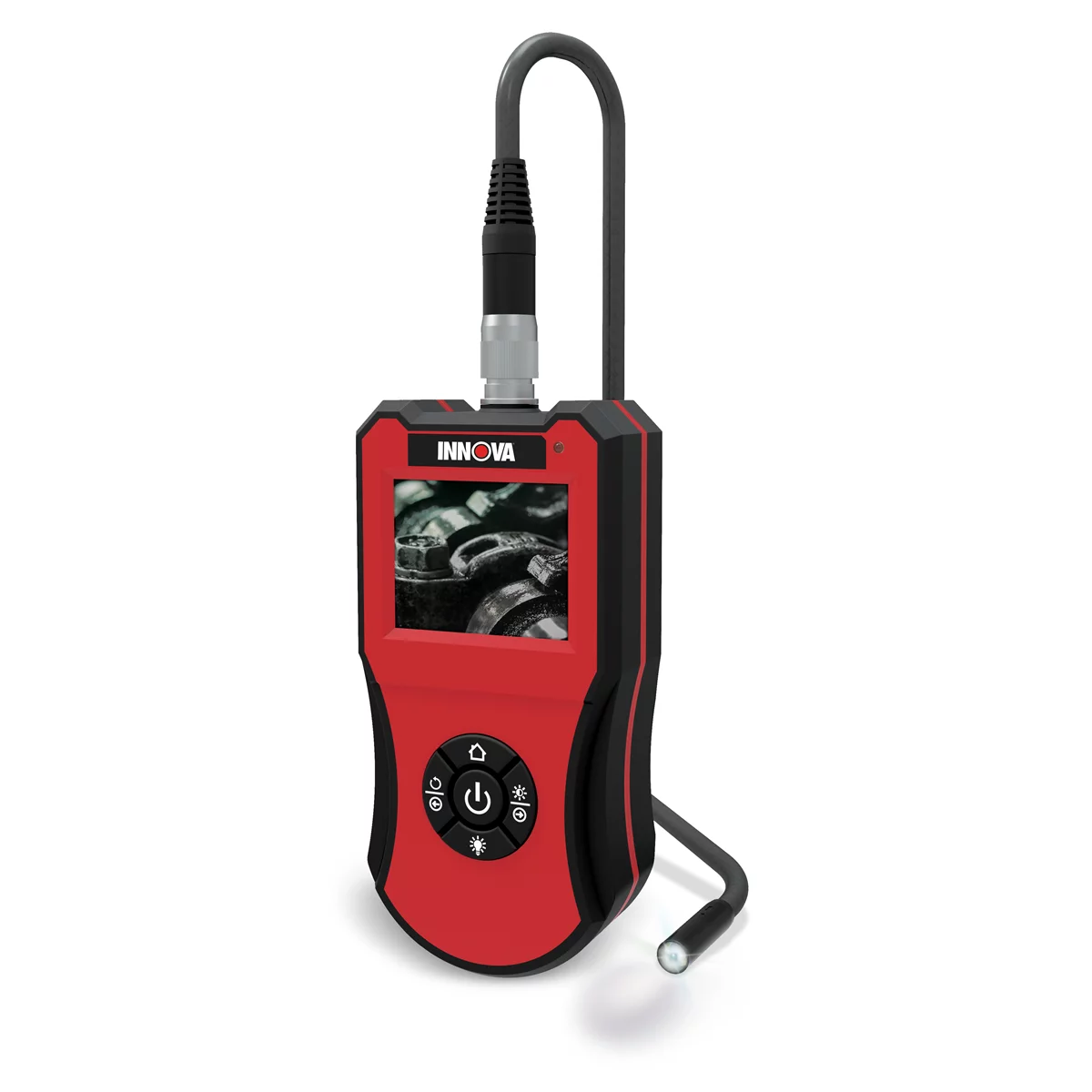
A digital borescope pays for itself here — it lets you inspect gear teeth and coupling surfaces inside the case without a full teardown, which matters when you’re evaluating a $400 yard pull before committing shop hours to it.
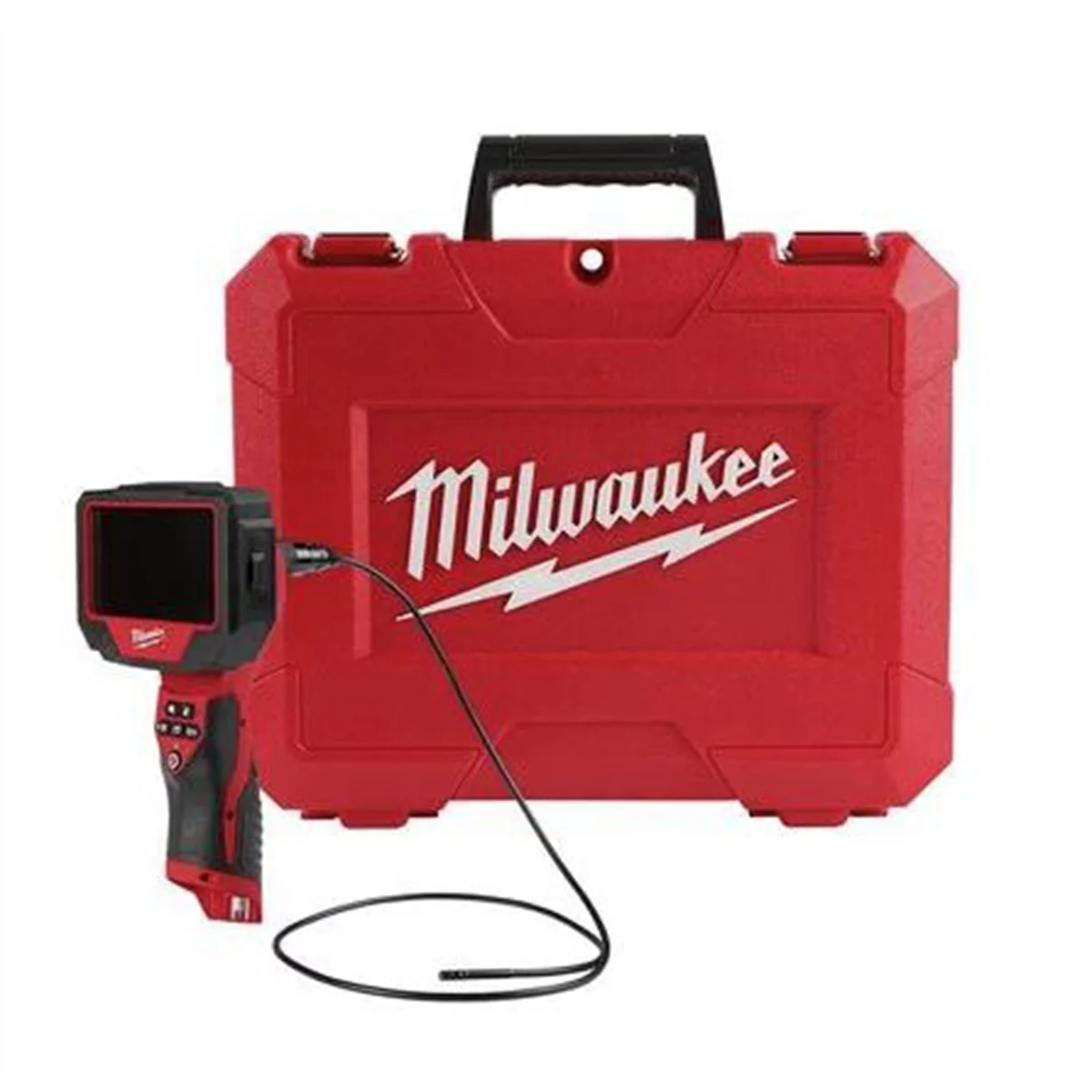
Milwaukee Tool M12 Auto Technician Borescope with 2.0 Starter Ki
Mfg: Milwaukee Electric Tools
Part #: TECHBORESCOPEKIT
Fabricating Mounts and Clearing the Chassis for AWD
The X-body chassis was never engineered for a transfer case, so nothing bolts up without fabrication. Plan for a custom crossmember to support the transfer case weight, modification to the floor pan or driveshaft tunnel to clear the rear output, and verification of half-shaft length and CV joint operating angle once the engine/transmission sits at its new mounting height. Exhaust routing conflicts are common — the transfer case output often lands exactly where a factory exhaust crossover used to run, so budget time for a custom mid-pipe. Because you’re adding a new torque path through the chassis that was never there, inspect and reinforce subframe mounting points; stock bushings and brackets not designed for AWD torque loading will fatigue faster than the customer expects.
Tuning the Ecotec for Reliable Boost and Avoiding Detonation
Most owners pairing a Saab transfer case with an Ecotec are also running a turbocharged build, which raises the stakes on tuning. Detonation in these setups is almost always traceable to one of four causes: insufficient octane for the boost level, AFR running lean under load, ignition timing too aggressive for the fuel and compression combination, or inadequate intercooling causing heat soak on repeated pulls. Polyurethane motor and transmission mounts are common in these builds for driveline stability, but they transmit more structure-borne noise and vibration into the cabin than stock rubber — which can make it harder to hear early knock audibly, so don’t rely on ear diagnosis alone. Log knock sensor activity and wideband O2 data during tuning sessions rather than trusting factory knock retard alone to catch a problem before it causes damage. Also confirm driveline alignment is solid before extended boost testing — vibration from a misaligned transfer case or driveshaft accelerates wear on the Haldex pump and coupling independent of anything happening in the engine.
Wiring, ECU, and Sensor Integration Across Two Platforms
Saab and GM wiring conventions differ enough that a straight harness splice rarely works cleanly. The Haldex controller needs wheel speed input from all four corners and typically expects to see data on a CAN bus — confirm whether you’re retaining the factory ECU and adapting its CAN messages, or running a standalone engine management system and emulating the signals the Haldex controller expects. Document every relay, ground, and connector pairing as you go; these builds get serviced by other shops down the road, and an unlabeled wiring job turns a routine diagnostic into hours of harness archaeology. Where possible, keep the AWD warning lamp and dash indicators functional — they’re the first and cheapest diagnostic signal when something in the Haldex system goes out of spec.
Technicians evaluating a used Haldex transfer case for this kind of build should pull proper inspection tools before committing shop time to a teardown.
[[PRODUCT_SEARCH: digital borescope inspection camera for transmission and transfer case]]
Title, Registration, and Inspection Considerations for Drivetrain-Swapped Cars
Restoring and modifying older cars is worthwhile work, but a driveline swap this significant has paperwork consequences many customers don’t think about until they’re at the DMV or a state inspection station. Requirements vary by jurisdiction, but expect scrutiny around: emissions compliance tied to the engine (not the body), VIN verification on salvage-sourced drivetrain components to confirm they weren’t reported stolen, and in some regions a requirement to disclose major driveline modifications on the title. Advise customers to check local motor vehicle and emissions authority requirements before you invest labor hours, and keep copies of donor-part receipts, salvage yard invoices, and build photos — that documentation is what separates a legitimate restoration from a flagged vehicle at inspection time, and it also matters for insurance claims if the car is ever in an accident.
Quick Pre-Swap Checklist
- Confirm donor Haldex generation and RPO codes match the target Ecotec platform
- Inspect fluid, shaft splines, and coupling condition before purchase or teardown
- Scope the transfer case internally if a full teardown isn’t practical yet
- Plan crossmember, driveshaft tunnel, and exhaust clearance before cutting metal
- Decide on factory ECU retention vs. standalone before wiring the Haldex controller
- Log knock and AFR data during initial tuning sessions, don’t tune by ear alone
- Pull local titling/emissions requirements before quoting the job to the customer
Shops taking on a full build from a bare donor drivetrain to a tuned, road-legal car should stock up on the general driveline and diagnostic tools this work demands before the vehicle hits the bay.
[[PRODUCT_SEARCH: driveline fabrication and diagnostic tool set]]


FAQs
Does the Saab 9-3X transfer case fit any Ecotec-powered GM car?
Mechanically it can interface with the shared Ecotec bellhousing pattern, but fitment into the chassis always requires custom mounts and clearance work. Confirm Haldex generation and RPO codes before assuming direct compatibility.
Can I run the Haldex AWD system behind an automatic instead of the 6-speed manual?
Yes — the transfer unit itself is the same part regardless of which transmission it’s paired with. The 6-speed is popular in these swaps because of the manual’s broader aftermarket support, not because the transfer case requires it.
What’s the biggest cause of detonation in boosted Ecotec swaps?
Insufficient octane for the boost level and lean AFR under load are the most common culprits, followed by overly aggressive ignition timing and heat soak from inadequate intercooling.
Will polyurethane motor mounts cause knock sensor false positives?
Poly mounts don’t typically trigger false knock readings on the sensor itself, but they do transmit more NVH into the cabin, which can mask the audible warning signs a tech or owner would otherwise notice before the sensor data shows a problem.
Is it legal to register a car with a swapped AWD drivetrain?
It depends on local motor vehicle and emissions regulations. Many jurisdictions allow it with proper disclosure and VIN verification on salvage components; others have stricter rules. Check before investing labor into the build.
What tools are essential for this swap in a shop setting?
A digital borescope for non-destructive transfer case inspection, a dial indicator for shaft runout checks, a wideband O2 and knock-logging setup for tuning, and standard driveline fabrication tools for mount and crossmember work.
Recommended Tools
Sourcing, inspecting, and tuning a Saab transfer case and manual transmission for an Ecotec swap requires specialized diagnostic and fabrication equipment. Browse our transmission and transfer case tools to find the borescopes, dial indicators, and logging equipment this work demands.
- Digital borescopes for non-destructive internal transfer case inspection
- Shaft alignment and runout checking tools
- Wideband O2 and knock sensor logging equipment for safe boost tuning

The Toolsource Technical Team blends decades of real-world automotive service experience with up-to-date technical research. Our writers collaborate with professional mechanics, shop owners, and diagnostic specialists to deliver practical, workshop-ready guidance you can trust.


Follow us on social media