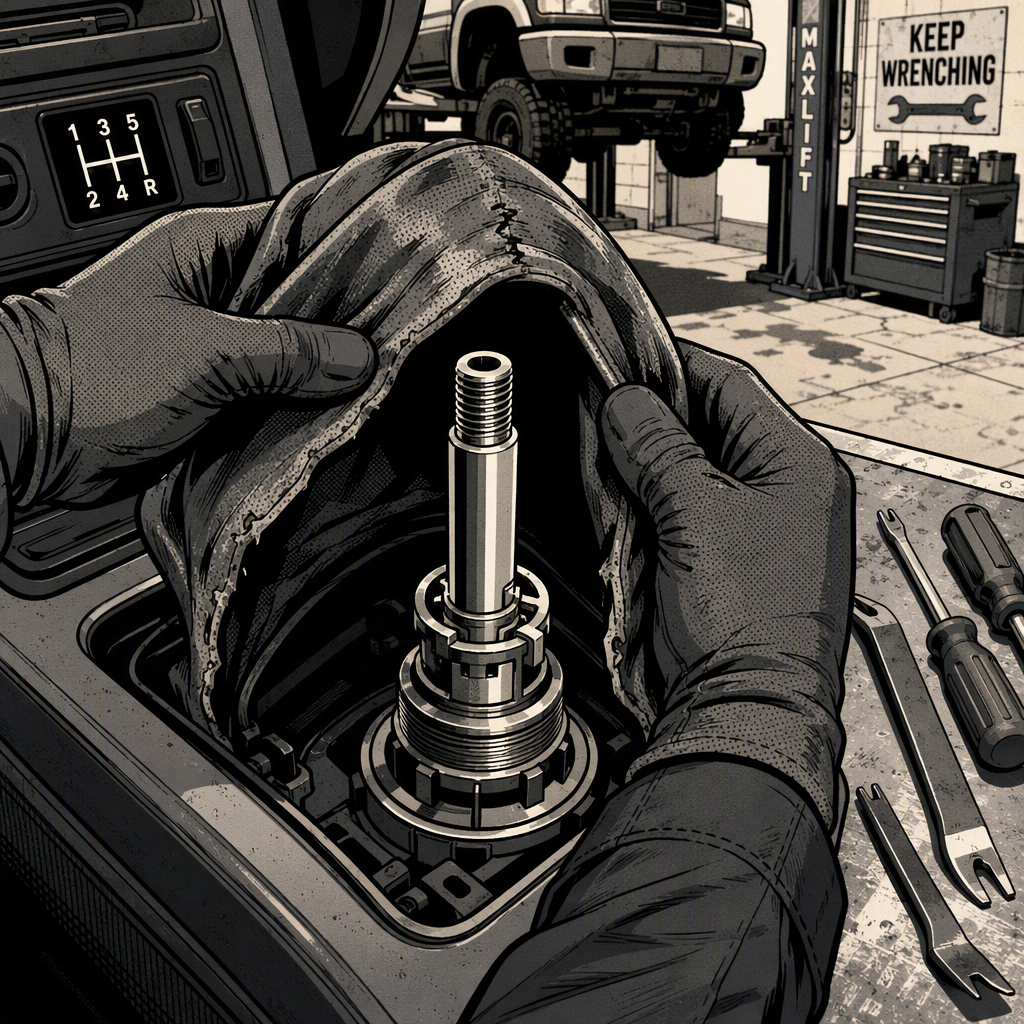
A shift knob that comes loose in your hand or a lever that wobbles at the top is one of the more alarming failures a manual transmission driver can experience, but it’s rarely a safety issue and almost never a transmission problem. In the vast majority of cases, the failure is isolated to the knob’s retaining mechanism or the plastic shift boot assembly — not the gearbox itself. This guide walks through why it happens, how to keep driving safely until it’s fixed, and how to make the repair correctly, whether you’re doing it yourself or explaining the issue to a fleet or company garage.
Why the Shift Knob Comes Loose in the First Place
Most factory shift knobs attach to the lever one of three ways: a threaded collar that screws onto a splined shaft, a spring-loaded retaining clip that snaps into a groove on the shaft, or a knob that’s bonded directly to the boot and slides over a detent pin. Over time, a few things cause separation:
- Retaining clip fatigue. The small internal clip that locks the knob to the shaft loses spring tension after years of shifting force, especially aggressive downshifts.
- Stripped or cross-threaded collar. On threaded knobs, repeated removal (for aftermarket knobs, cleaning, or accidental unscrewing while resting a hand on it) wears the threads until they no longer bite.
- Boot separation. The rubber/leather shift boot that the knob sits on can tear at the seam, letting the knob assembly ride loose on the shaft without the structural support the boot normally provides.
- Upward force on the lever. Resting weight on the knob or pulling up on it (some drivers do this out of habit from vehicles with reverse lockout collars) accelerates wear on any of the above.
None of these are wear items that indicate a failing synchro, worn shift fork, or internal linkage problem. If the vehicle still finds every gear cleanly when you use the exposed shift rod or a temporarily reattached knob, the transmission itself is fine.
Diagnosing the Failure Before You Touch Anything
Before ordering parts, confirm exactly what failed:
- With the engine off and the parking brake set, grip the shift lever below the boot and check for play. If the lever itself is tight and only the knob is loose, the problem is isolated to the knob attachment.
- Pull the boot up (most are held by simple push-fit or a plastic retaining ring) and look at the shaft. Threaded knobs will show a visible collar and threads; clip-style knobs will show a groove near the top of the shaft.
- Check the shaft for damage. If threads are stripped or the groove is chewed up, you’ll need a replacement lever extension or shaft insert rather than just a new clip.
- Inspect the boot itself for tears at the base or top seam — a torn boot is a common root cause and should be replaced at the same time even if it isn’t the primary failure.
This five-minute inspection tells you whether you’re looking at a $10 clip, a $30 boot, or a full shift lever assembly, so you’re not guessing at the parts counter.
[PRODUCT_SEARCH: shift knob retaining clip and boot assembly]
Driving Safely Until the Repair Is Done
A detached knob is inconvenient, not dangerous, as long as you take a few precautions:
- Grip the bare shift shaft (or the lower stub if the knob pulls off the boot) the same way you would the knob. Shift feel changes slightly with less leverage, but gear selection is unaffected.
- Be mindful of the shift boot if the knob is still attached to it — pulling too hard can tear the boot further or separate it from the console.
- Avoid resting your hand on top of the lever while driving; that habit is what accelerates wear on the retaining mechanism in the first place.
- If the knob detaches completely while underway, don’t chase it while the vehicle is moving. Keep the clutch in, coast to a safe stop, shut the engine off, then retrieve and temporarily reseat the knob before continuing.
There is no gear position on a modern manual that requires upward force on the lever, so a driver who shifts normally has no reason to stress the failed connection further.
Step-by-Step Repair Procedure
For most vehicles, this is a bolt-on (or clip-on) job that doesn’t require dropping the console or touching the transmission:
- Remove the console trim around the shifter if it isn’t already loose — usually a few clips or two screws, depending on make.
- Pull the boot up to expose the shaft and inspect the retaining groove or threads as described above.
- Threaded knobs: thread the new or original knob back on by hand until snug, then check for a set screw or locking collar underneath and tighten to spec. Do not overtighten plastic threads.
- Clip-style knobs: install a new retaining clip into the internal groove of the knob, align the knob over the shaft, and press down firmly until you feel/hear the clip seat into the shaft’s groove. A dab of dielectric grease on the clip can ease future removal without affecting retention.
- Replace the boot if torn, seating it fully into the console opening before reinstalling the knob.
- Function check: with the engine off and clutch depressed, run through all gears including reverse to confirm the knob doesn’t slip or rotate independently of the shaft.
- Reinstall console trim and road test.
If the shaft threads or groove are damaged beyond what a new clip or collar can fix, the shift lever extension (the top portion of the shift rod, separate from the transmission-side linkage) is a low-cost replacement part on nearly every make — there’s no need to replace the full shift assembly or open the transmission case.
Company and Fleet Vehicle Considerations
If this happens on a company- or fleet-owned vehicle, the general consensus among drivers and shop techs is consistent: report it and let the fleet garage handle the repair rather than doing it yourself, for two reasons.
- Liability. A DIY repair on a company asset can create ambiguity about who’s responsible if something is later found to be wrong, and some employers will look for a reason to shift the repair cost onto the driver. A documented report protects you.
- Paper trail. Wear-related failures like this are normal maintenance, not driver-caused damage. Reporting it promptly, with a note on when and how it was noticed, establishes that clearly before any dispute can come up.
For fleet or shop techs handling the intake, this is a fast, low-cost repair to knock out — most jobs run under 30 minutes of labor plus parts, and it’s a good opportunity to inspect the rest of the shift linkage and bushings while the console is open.
[PRODUCT_SEARCH: manual transmission shift linkage and console repair tools]
Quick Reference Checklist
- Confirm the transmission still shifts cleanly using the bare shaft — rule out a linkage or gearbox issue.
- Inspect the shaft for a threaded collar vs. a retaining clip groove.
- Check the boot for tears; replace alongside the knob if damaged.
- Drive by gripping the shaft normally; avoid upward or excessive force on the lever.
- Reinstall with the correct fastener (clip, set screw, or threaded collar) and function-test before buttoning up the console.
- On company/fleet vehicles, report the issue and route the repair through the assigned garage rather than fixing it yourself.


FAQs
Is it safe to keep driving with a loose or detached shift knob?
Yes, in almost all cases. Gear selection isn’t affected by the knob itself — you can shift using the bare shaft. The main risk is reduced leverage and comfort, not a mechanical safety hazard.
Will a loose knob damage the transmission if I keep driving on it?
No. The knob attachment is separate from the internal shift linkage and synchros. Continued use won’t cause transmission wear, though a torn boot left unaddressed can eventually let dirt and moisture into the console area.
Can I fix this myself, or does it need a shop?
It’s a straightforward DIY job for most vehicles — no special tools beyond basic trim removal tools and possibly a new retaining clip. The main reason to route it through a shop is liability on company-owned vehicles, not repair difficulty.
What if the knob keeps coming loose after I reinstall it?
That usually means the retaining clip has lost tension or the shaft’s locking groove is worn. Replace the clip with a new one rather than reusing the old one, and check the shaft for visible wear or damage.
Do I need to remove the entire center console to fix this?
Usually not. Most vehicles only require lifting the shift boot and surrounding trim panel, not removing the full console assembly.
Should I report this on a company car even if I can fix it in five minutes?
Yes. Reporting normal wear-and-tear promptly creates a record that protects you from being blamed for damage later, even if the fix itself is trivial.
Recommended Tools
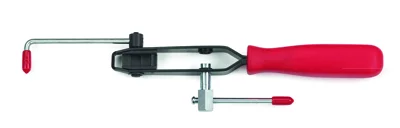
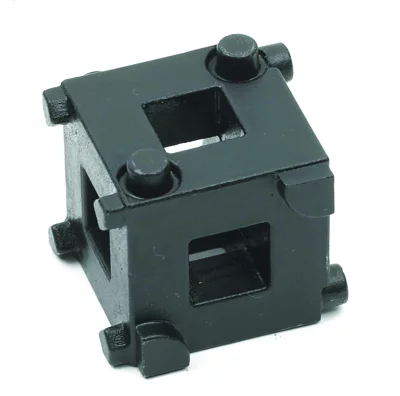
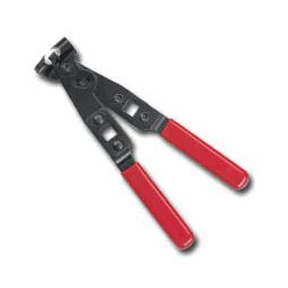
Proper tools make shift knob repair faster and prevent damage to trim and components. Explore our Drive Train – Transmission Tools for equipment designed for console access, shift linkage work, and transmission maintenance.
- Trim and console removal tools for safe access without damage
- Shift linkage inspection and adjustment tools
- Transmission diagnostic and maintenance equipment

The Toolsource Technical Team blends decades of real-world automotive service experience with up-to-date technical research. Our writers collaborate with professional mechanics, shop owners, and diagnostic specialists to deliver practical, workshop-ready guidance you can trust.


Follow us on social media