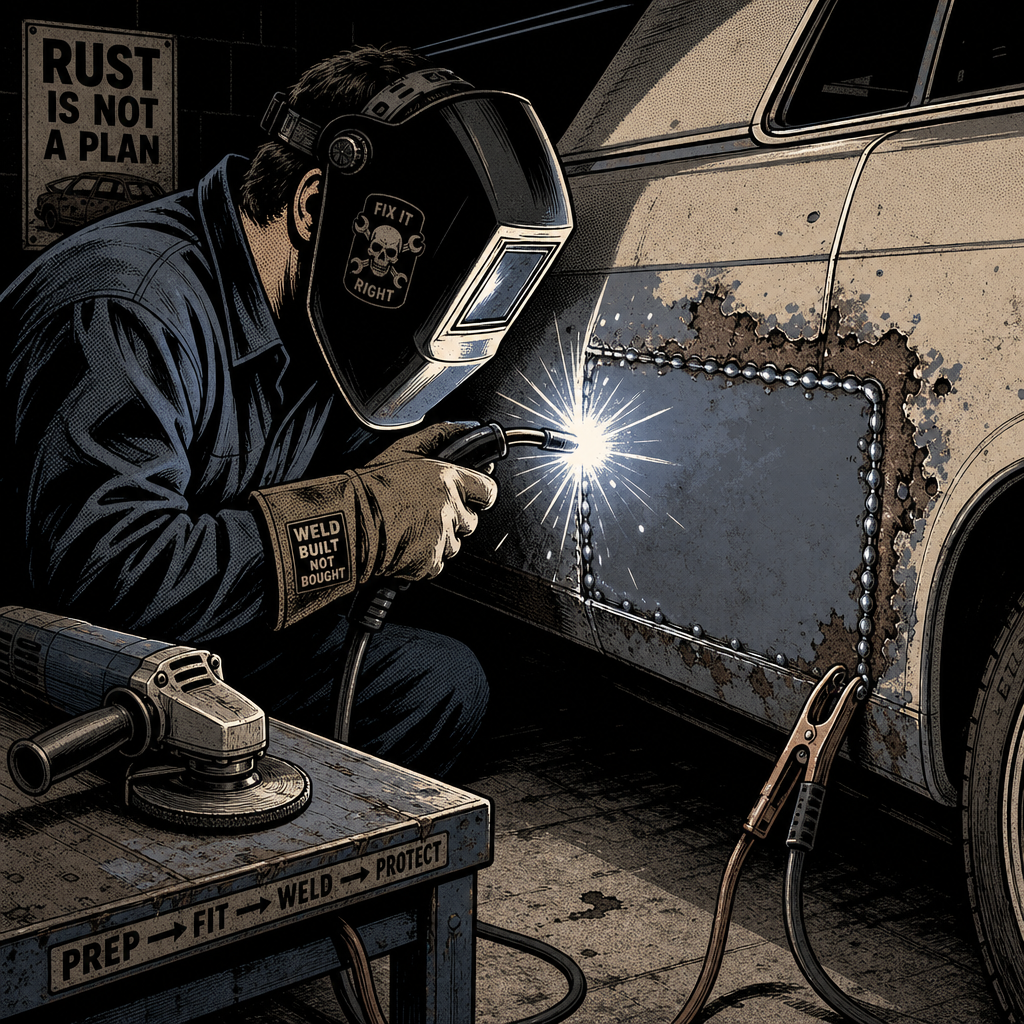
Rust is one of the most common reasons a vehicle fails inspection, and it’s also one of the most misunderstood repairs among DIYers and even some shops. The difference between a repair that lasts and one that fails in six months usually comes down to whether the rusted metal was actually cut out and replaced, or just covered up. This guide breaks down how to assess rust damage, what tools and materials a proper repair requires, and where cosmetic shortcuts like spray foam and filler actually belong in the process.
Assess the Damage Before You Decide to Repair

Not all rust is created equal, and the first job on any rust job is figuring out what you’re actually dealing with before you touch a grinder. There are three categories worth separating:
- Surface rust — light oxidation on paint or exposed metal that hasn’t perforated the panel.
- Panel rust — rust that has eaten through a body panel (rocker, fender, quarter panel, door skin) but hasn’t compromised the frame, unibody rails, or structural pinch points.
- Structural rust — rust affecting frame rails, subframes, floor pans, or load-bearing unibody sections. This is the category that gets vehicles turned away at inspection and, in many cases, isn’t worth chasing.
A useful field test: if the paint surrounding a rusted area is still smooth and flat, the corrosion usually hasn’t spread far underneath. Bubbling, flaking, or soft paint nearby is a sign rust has already migrated under the coating and the damage extends beyond what’s visible. Always check the underside of the vehicle in the same area — rust rarely stays contained to one side of a panel, and hidden corrosion on the back side of quarters, rockers, and floor pans is common even when the outside looks manageable.
Garaging and climate matter more than model year. A well-kept older vehicle in a dry climate can have less structural corrosion than a newer one that’s seen road salt every winter. Don’t assume age alone tells you how bad it is underneath — physically inspect the frame and rails before quoting a repair.
Tools and Materials for a Proper Patch Panel Repair
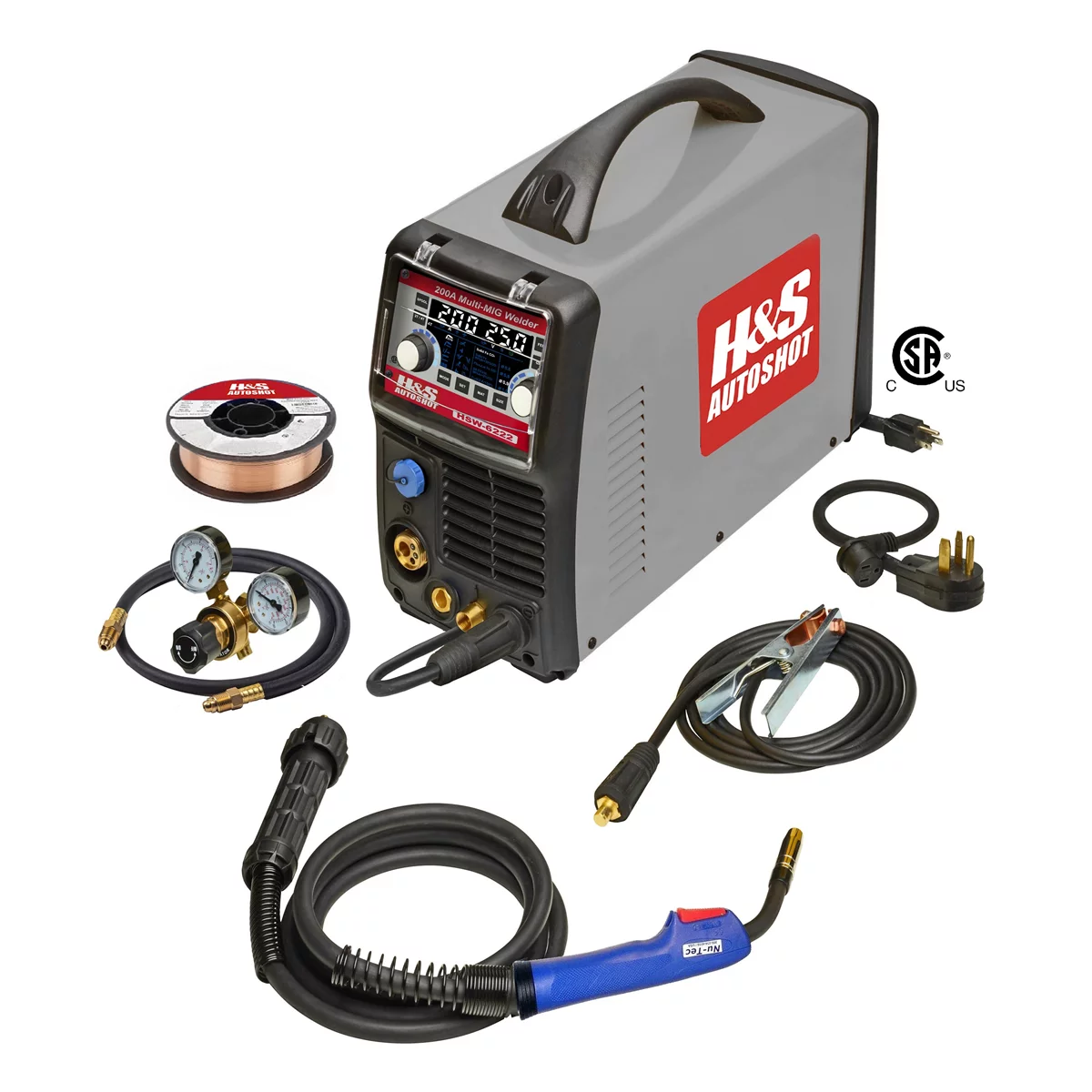
H&S Autoshot HSW-6222 HSM 200A Multi-MIG Welder 115-230V
Mfg: H & S Auto Shot
Part #: HSW-6222
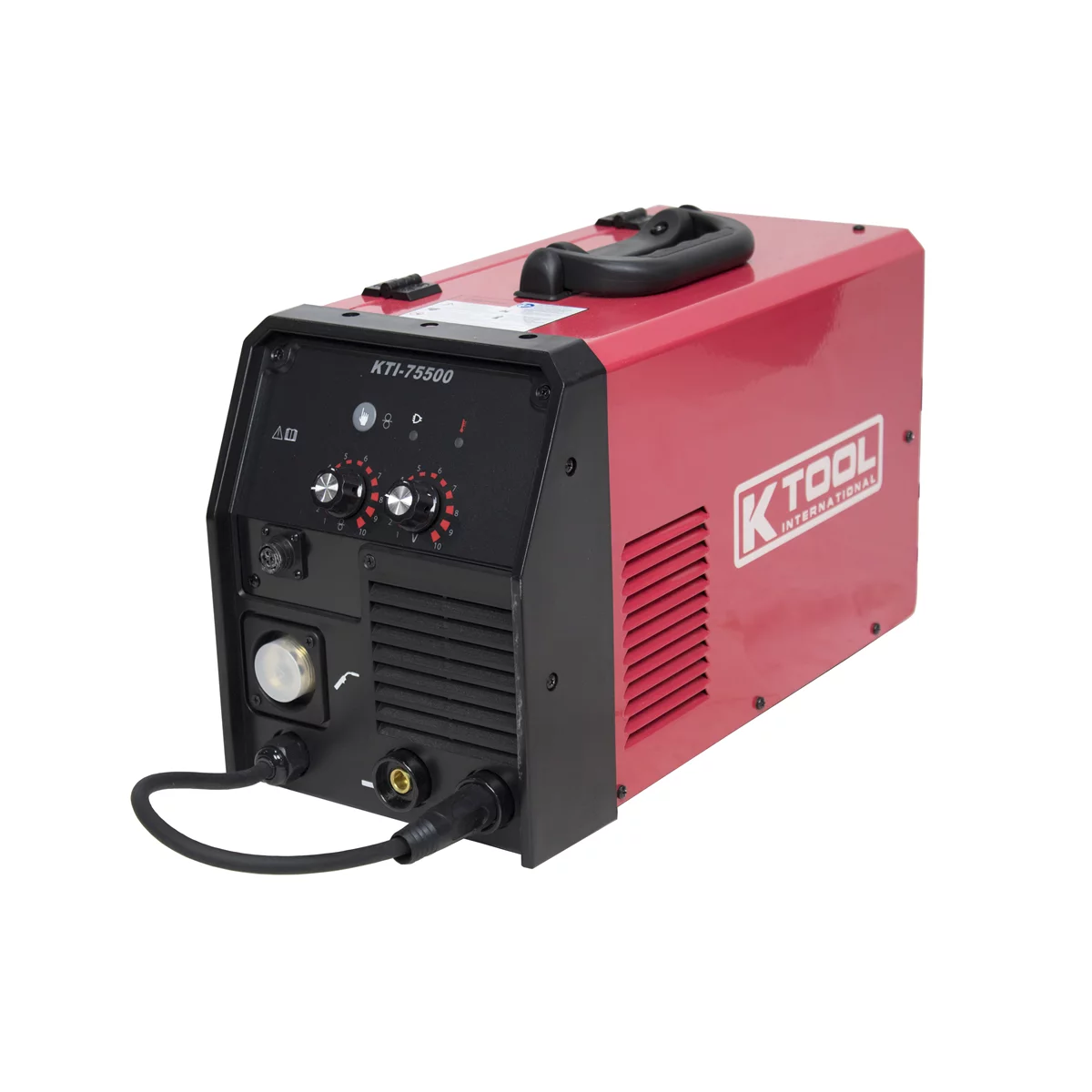
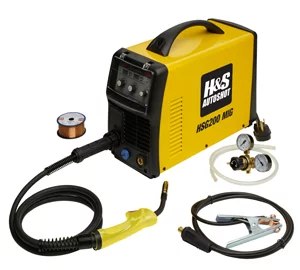
If the rust is confined to sheet metal panels and the structure underneath is sound, a patch panel repair is the correct fix — not filler, not foam. The core tool list:
- A MIG welder (flux-core can work in a pinch, but shielding gas gives cleaner, stronger welds on thin body panels)
- An angle grinder with cutoff wheels and flap discs
- Sheet metal patch stock matched to the panel gauge
- Body filler for final shaping only, applied over bare, welded metal — never over rust
- Rust converter for edges and hard-to-reach seams
- Primer, sandpaper (various grits), and a finish coat — or a durable spray-on bed liner if a factory-match paint job isn’t the goal
Budget matters here, and used equipment is the practical route. A decent used MIG welder with a gas tank can often be found for $200–$350 on local marketplaces — look for listings that bundle the welder with a filled tank, regulator, and spare tips, since buying those separately adds up fast. A tank in the 80 cubic foot range is a reasonable size for occasional body work. If you’re new to welding, a community college or vocational school welding class is a low-cost way to get supervised practice before working on a vehicle you actually drive.
Shop Paint & Body Supplies
A proper rust repair goes beyond welding—you’ll need quality patch materials, finishing products, and prep tools. Our Paint & Body supplies cover everything required for patch work and final finishing.
- Sheet metal patch stock and welding consumables
- Angle grinders, cutoff wheels, and flap discs
- Body filler, primer, sandpaper, and protective coatings
Stock Your Workshop
Whether you’re following this guide’s recommendations or tackling rust repair on your own, the right tools make all the difference. Our Paint and Body category has everything you need to execute repairs safely and professionally.
- MIG/TIG welding equipment and supplies – From consumables to protective gear
- Rust treatment and preventative coatings – Arrest corrosion before it spreads
- Grinding and surface preparation tools – Achieve clean, professional results

The Toolsource Technical Team blends decades of real-world automotive service experience with up-to-date technical research. Our writers collaborate with professional mechanics, shop owners, and diagnostic specialists to deliver practical, workshop-ready guidance you can trust.


Follow us on social media